Why do I keep finding ringneck snakes in my house?
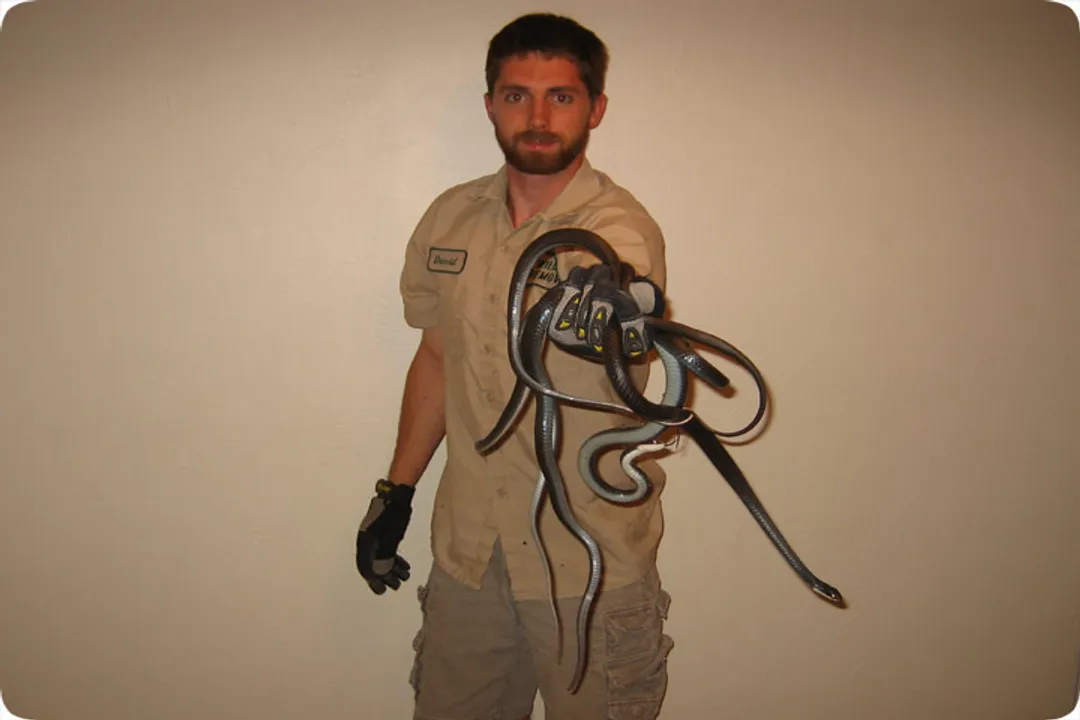
That small, dark snake with a bright collar you keep finding darting across the basement floor or hiding under that stack of cardboard boxes is almost certainly a Ringneck Snake (Diadophis punctatus). Seeing any snake inside your home can be startling, but these particular reptiles are relatively common visitors in many areas, often seeking refuge from temperature swings or looking for a secure, damp hiding spot. Recognizing this species is the first step to understanding why they keep appearing.
# Distinctive Look
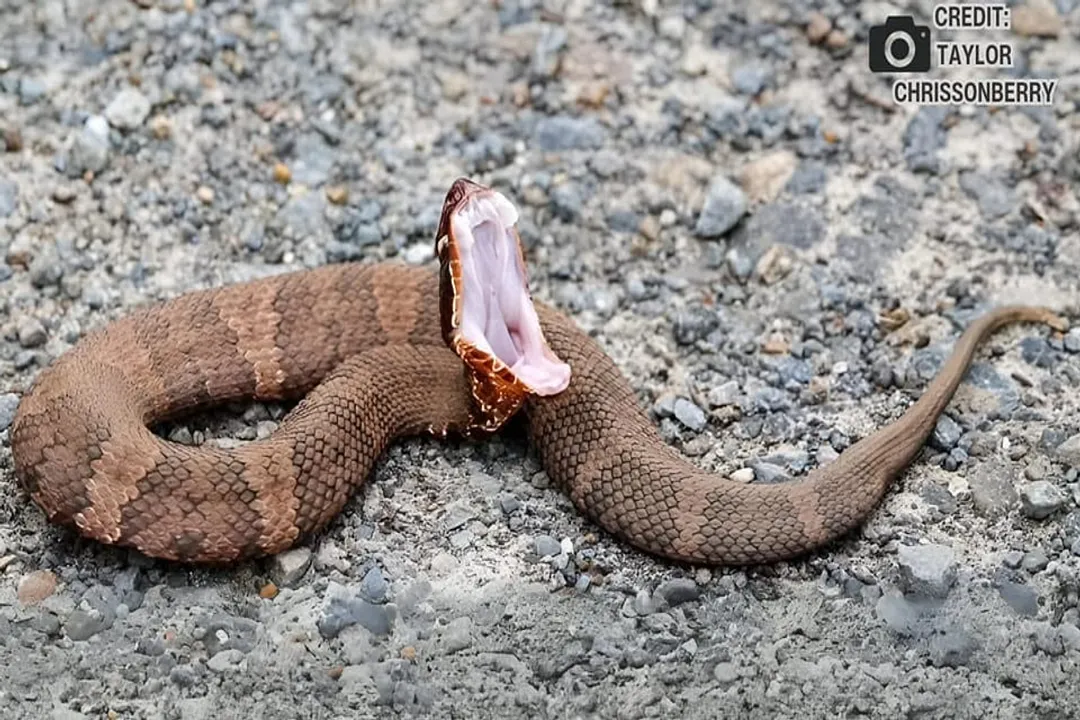
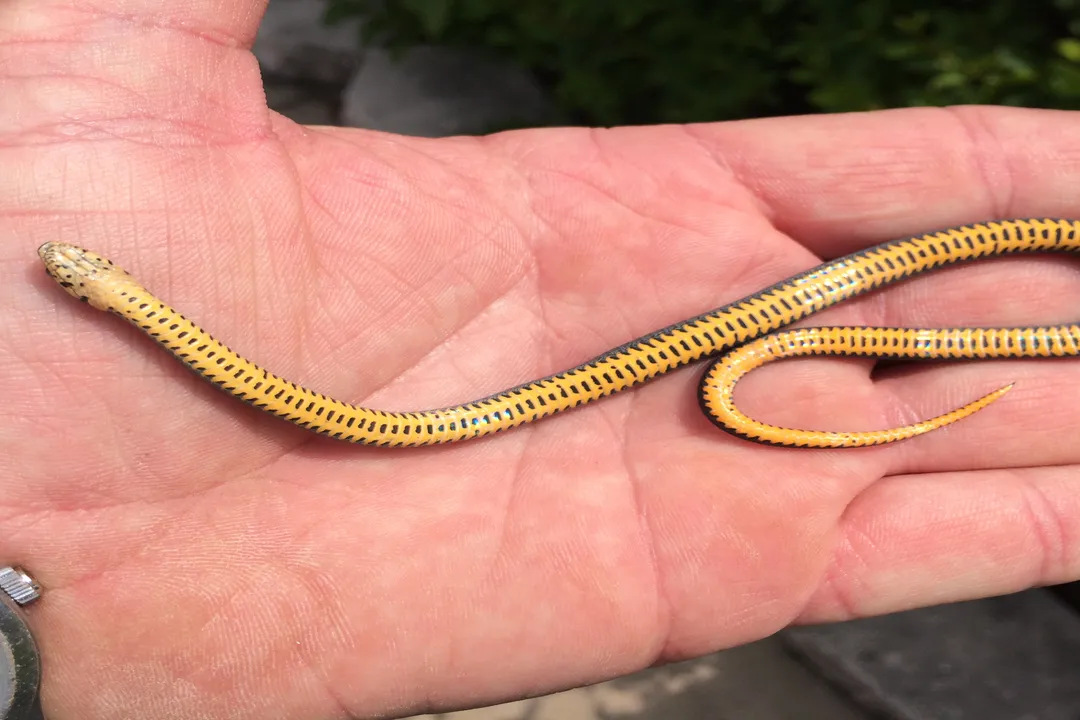
Ringneck snakes are indeed small, usually measuring between 10 to 15 inches in length, though some may grow a bit larger. Their primary distinguishing feature, and the source of their common name, is a distinct, contrasting ring encircling their neck. This band is often bright yellow or orange. The rest of their body is typically smooth and colored dark gray, black, or sometimes even a dark olive green. If you manage to see their underside, you might notice that the belly color often matches the collar—a striking yellow or reddish-orange. Unlike some more intimidating species, these snakes are not venomous and pose no significant threat to people or pets. They are naturally shy creatures that prefer to avoid confrontation.
# Why Indoors
The presence of a snake inside your home is usually a symptom of attractive conditions nearby or an easy route inside, not a sign that your house has become a permanent snake habitat. These reptiles are secretive by nature and require cool, moist environments to thrive, especially when hiding or resting.
# Shelter Seeking
Your basement, crawlspace, or even a garage often replicates the ideal outdoor resting spot for a ringneck snake. Outdoors, they are typically found under natural cover like flat rocks, decaying logs, leaf litter, or discarded boards. When outdoor conditions become too hot, too cold, or too dry, your home’s foundation offers a perfectly insulated sanctuary. If you notice them appearing after a sudden stretch of heat or cold, they are likely just looking for a stable temperature zone. People living in areas with abundant natural hiding spots immediately adjacent to their home—such as dense landscaping mulch beds or old stone retaining walls—may see this behavior more frequently because the transition from excellent habitat to interior shelter is so brief. It stands to reason that if the exterior environment offers a high density of ideal hiding structures, the probability increases that some of those residents will seek entry when disturbances occur, like heavy rains washing out a hideout or lawn maintenance disturbing their shelter.
# Food Source Attraction
While shelter is a primary driver, the availability of prey can also lure them inside. Ringneck snakes primarily feed on small invertebrates. Their diet often consists of earthworms, slugs, small salamanders, and perhaps small lizards or insects. If your basement, laundry room, or utility area stays perpetually damp—perhaps due to a minor plumbing leak or condensation—it can attract these invertebrates, creating an easy, self-contained snack bar for the snake. The presence of a consistent food supply inside, even a small one, can encourage a snake to return to that location repeatedly.
# Access Points
Finding them in the house means there is a path in, even if it is very small. Because these snakes are small, they can slip through remarkably tiny openings. Common entry points include:
- Gaps around utility lines (plumbing, electrical conduits) where they enter the foundation.
- Cracks in the mortar or foundation itself.
- Gaps beneath garage doors or ill-fitting exterior doors.
- Vents or openings that lack proper screening.
If you find one inside and then several more over a period of time, it suggests a single, accessible entry point is being used consistently, or that a small population has found the interior conditions very favorable.
# Handling Encounters
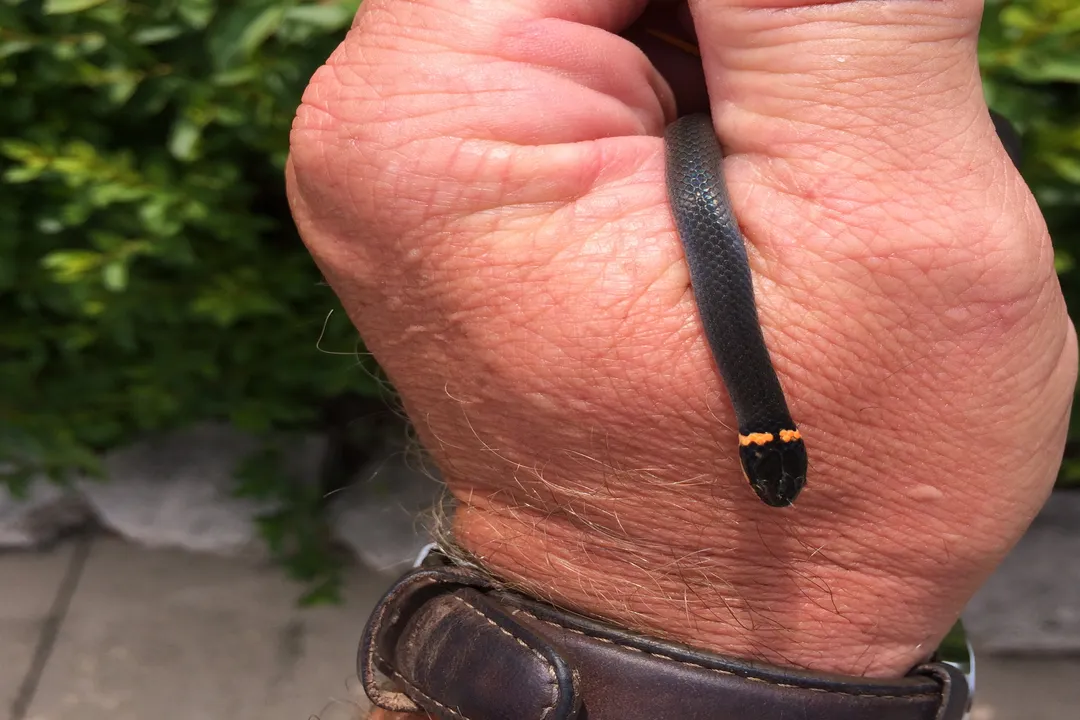
If you discover a ringneck snake, especially in a high-traffic area like a basement, the immediate reaction is often to panic, but remembering their harmless nature can help. Since they are non-venomous, there is no inherent danger, though handling any wild animal should be done cautiously.
# Safe Removal
If the snake is out in the open and you want it gone, the safest method is gentle physical removal. While you can use a shovel or broom to gently guide it toward a container, wearing gloves is always a wise precaution when handling any wild snake, just to ensure no accidental nips occur, even from a docile species. Once contained—perhaps in a bucket with a secure lid—the best action is relocation. Move the snake outside to an area away from your immediate foundation, perhaps near a woodpile or brush pile a good distance from the house, where it can find natural cover. Do not release it right next to where you found it outdoors, as it might simply find its way back inside.
One common question arises when finding them in cool, established shelters like basements: should you keep it as a pet? For wild-caught animals, conservation ethics generally suggest returning them to the wild habitat they were attempting to occupy, rather than domesticating them. If you are interested in snakes as pets, sourcing one from a reputable breeder is the recommended path over capturing a wild individual.
# Long-Term Exclusion
Dealing with repeated sightings requires a shift from removal to exclusion. This means making your house less appealing and inaccessible. Since these snakes are entering for food or shelter, removing the attraction and blocking the path are the two main strategies.
# Habitat Reduction
Start by making the area immediately surrounding your home less hospitable to both the snake and its prey. This is crucial because reducing the exterior attractants lowers the incentive for them to investigate your foundation in the first place.
- Clutter Control: Remove debris piled directly against the house—old lumber, stacks of bricks, dense groundcover, or even excessive leaf litter. These items provide perfect daytime cover for snakes and their invertebrate food sources.
- Moisture Management: Address any damp areas in the basement or crawlspace. Fix leaky pipes, ensure good ventilation, and check that soil around the foundation slopes away from the structure so water doesn't pool near entry points. A drier foundation is a less attractive foundation for both slugs and snakes.
# Sealing Entryways
The most effective long-term solution involves sealing all potential gaps and cracks in the exterior envelope of your home. A general rule of thumb is that if a quarter-inch pencil can pass through, a small snake might follow.
Here is a prioritized approach for sealing:
- Inspect Utility Penetrations: Check every point where pipes, wires, or vents pass through the wall or floor. Use caulk, expanding foam designed for exterior use, or metal flashing to close any gaps completely.
- Foundation and Siding: Thoroughly examine the joint between your foundation and the siding, looking for cracks or gaps that have opened due to settling or weather. Use concrete patching materials or exterior-grade caulk for repairs.
- Doors and Windows: Check the weatherstripping and door sweeps on all exterior doors, especially those leading to the basement or ground level. They should fit snugly against the threshold.
It is important to implement sealing measures after you have ensured that any snakes currently inside have either left or been safely removed; otherwise, you risk trapping them inside permanently, which could lead to them dying or finding their way into the main living areas. If you are unsure about the presence of snakes, performing exclusion measures in phases, perhaps sealing the lower third of the foundation first during a dry period, can be safer than a complete, immediate seal.
Ringneck snakes are fascinating little reptiles that play a role in the local ecosystem, primarily by controlling smaller invertebrate populations. While finding one indoors is certainly surprising, it is usually a temporary situation dictated by weather or an available entryway, rather than an infestation. By understanding their simple needs—cool, damp shelter and small prey—you can effectively manage their presence around your home through habitat modification and diligent sealing.
Related Questions
#Citations
Why are ring snakes suddenly appearing in my house? - Facebook
r/snakes - Keep finding these things in my basement, what is it? Any ...
Expert Answers on Ringneck Snakes in Your Basement - JustAnswer
What should I do if a snake with a yellow stripe around its neck is ...
Reducing Snake Problems Around Homes
Ring Neck Snake Control, Snake Babies in House
Ringneck snakes not uncommon to find in the area - Enterprise News
found ringneck snake...keep or turn loose? - Tortoise Forum
Snake in the House - How to Get it Out - AAAnimal Control