What is the plains hognose snake habitat?
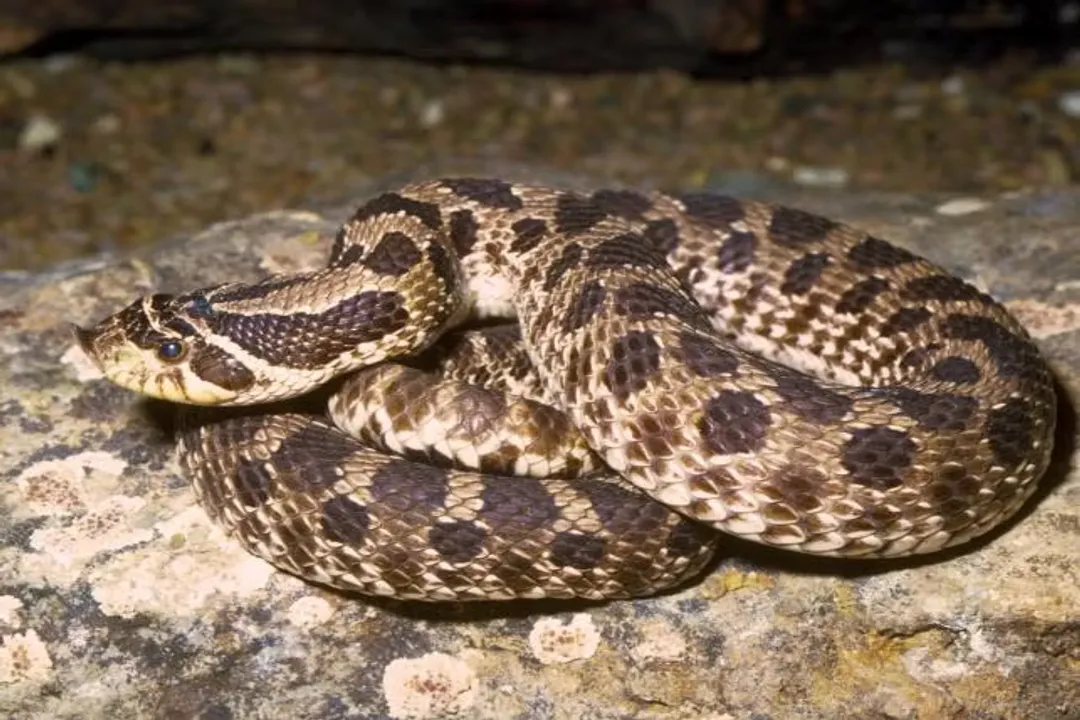
The secretive nature and specialized adaptations of the plains hognose snake (Heterodon nasicus) often mean its preferred surroundings go unnoticed, yet understanding where this fascinating reptile lives is key to appreciating its survival strategy. This species is firmly associated with arid and semi-arid environments across the North American interior, thriving where the soil composition meets specific drainage and textural requirements. Unlike snakes that frequent dense forests or aquatic margins, the hognose is a creature of open spaces, often relying on sandy or loose soils that allow for easy burrowing—a necessity for escaping predators and regulating body temperature. [2][4] Their geographical spread stretches across a substantial portion of the Great Plains, from southern Canada down into northern Mexico, though localized populations and specific microhabitats dictate where they are actually encountered. [2][7]
# Soil Preference
The relationship between the plains hognose and its substrate is perhaps the single most defining aspect of its habitat requirements. This snake exhibits a strong preference for sandy or loose soils, which directly ties into their primary defense mechanism and foraging behavior: burrowing. [2][9] In states like Minnesota, the habitat is characterized by sandy soils, often associated with outwash plains or barren areas. [1] Similarly, in Montana, they are found in sandy, open areas, including prairies and badlands where the substrate is amenable to their digging lifestyle. [2]
Missouri data confirms this trend, noting that the snake utilizes loose, sandy soils in open woodlands, pastures, and prairies. [4] The importance of this loose structure cannot be overstated; snakes that rely on fossorial behavior need substrate that yields easily to their shovel-like snouts. [7] Conversely, areas with heavy clay or tightly compacted soils are generally avoided, as they impede movement both above and below ground. [9] A quick check of the soil profile in an area where you suspect this species resides often provides the best initial clue to its presence. If the topsoil is predominantly loamy or silty with high clay content, the chances of finding a healthy H. nasicus population diminish significantly, regardless of how otherwise suitable the vegetation appears.
# Geographical Range
The distribution of the plains hognose snake paints a picture of a species adapted to the continental interior, avoiding the extremes of high humidity and dense, permanent cover found on the eastern or western coastal fringes. [7] Their range covers much of the American Great Plains, extending north into Alberta, Saskatchewan, and Manitoba in Canada. [2] Within the United States, their presence is well-documented across the central and western states. [4][8]
In South Dakota, for instance, they inhabit the drier, sandier regions of the Missouri River Valley, prairies, and sandhills. [8] In Illinois, while they are historically present, they are often associated with sand prairies, sand flatwoods, and dry, open areas. [5] This distribution pattern suggests a tolerance for temperature fluctuations characteristic of continental climates, provided that the crucial soil conditions are met. [7] Interestingly, while their range is generally considered western/central, the presence of Heterodon species, including the closely related Eastern Hognose (H. platirhinos), shows that some related species inhabit areas further east, like Georgia, though the habitat specific to H. nasicus usually favors drier, more open conditions than those found in humid southeastern woodlands. [6] The species is sometimes referred to as the Western Hognosed Snake, particularly in guidance documents discussing conservation, emphasizing its association with the drier western edge of the broader hognose group's distribution. [9]
# Specific Habitats
While "sandy prairie" is the general descriptor, the species utilizes a variety of specific local environments that meet the basic soil and openness criteria.
# Open Grasslands
The classic habitat is the open grassland or prairie. [4][8] These areas provide ample sun exposure for thermoregulation and feature the extensive, relatively undisturbed sandy soils necessary for burrowing and foraging for their primary prey, which are often amphibians and reptiles. [1][9] These environments can range from true, native prairie to disturbed areas like pastures or roadsides, provided the ground hasn't been compacted by heavy machinery or excessive development. [4]
# Sand-Based Features
Within these broader regions, specific geological features are crucial. In Minnesota, they are often linked to sandy uplands or barren habitats. [1] In South Dakota, the sandhills and areas along the Missouri River are significant refugia. [8] The Illinois guidance document points toward sand prairies and sand flatwoods, suggesting that while they prefer openness, access to slightly more varied vegetation—perhaps offering temporary cover or prey variety—near those sandy patches is beneficial. [5][9]
# Agricultural Edge
Agricultural lands, particularly those with sandy loam or sandy topsoil, can sometimes serve as supplementary habitat, though these areas come with increased risk from pesticides and habitat modification. [4] The key is the structure of the soil, not necessarily the current vegetation cover, although dense, sod-forming grasses can make surface movement harder than sparse, bunchgrass cover.
Considering the specialization, one insightful observation is that the connectivity between suitable patches is as vital as the patches themselves. If a large swath of prime sandy habitat is divided by deep, clay-filled ditches or heavily developed areas, populations can become isolated, potentially leading to local declines even if the individual remaining habitats seem perfect. [5]
# Behavioral Adaptations and Habitat Use
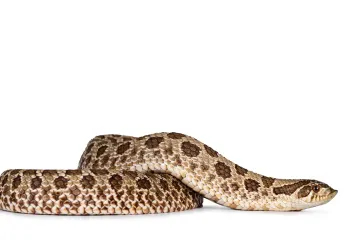
The plains hognose's morphology dictates how it interacts with its environment, making its habitat selection very deliberate. The upturned snout, the feature that gives the snake its common name, is an adaptation specifically for digging in loose substrates. [7] They use this specialized nose to push through sand and loose soil, creating shallow depressions for basking or deeper burrows for resting and avoiding temperature extremes. [1][7]
# Thermoregulation
As ectotherms, their habitat choice directly influences their ability to manage body temperature. Open areas characteristic of their preferred habitat allow for necessary exposure to sunlight, whether basking directly on warm sand or absorbing heat from the air. [2] Conversely, the ability to quickly retreat underground provides an essential escape hatch when ambient temperatures become too high or too low. A sandy substrate retains heat well during the day but also cools relatively quickly at night, meaning the snake must constantly adjust its depth beneath the surface to stay within its optimal thermal range. [8]
# Foraging Niche
The snake's diet, primarily consisting of toads and other amphibians, also shapes where it spends its time. [4][7] Since many of their prey items, like spadefoot toads, are also burrowers or prefer loose soil, the snake is essentially tracking its food source into the same preferred substrate. This tight co-dependence on soil type for both shelter and sustenance creates a highly specialized niche. [9]
# Habitat Variability and Threats
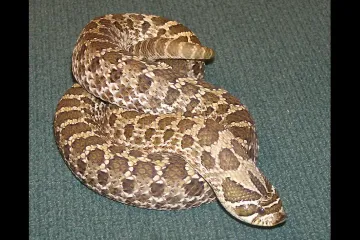
While the core requirement is loose, well-drained soil in open or semi-open areas, the plains hognose is known for exhibiting a certain degree of habitat plasticity, especially when faced with human alteration of the landscape. [7] It is not exclusively found in pristine wilderness; rather, it persists in areas where the essential soil structure remains intact. [4]
When comparing different regional descriptions, the consistency of the requirement for drainage is notable, even if the surrounding vegetation differs slightly between a Montana prairie and an Illinois sand flatwood. [1][2][5] For example, while Montana sites might feature more classic high desert or short-grass steppe characteristics, the Missouri sites emphasize loose soils in woodlands or pastures. [2][4] This suggests that altitude and specific grass species are secondary to soil texture and sun exposure.
A significant threat to this habitat specialization is the modification of the substrate itself. Activities that compact soil—such as heavy agricultural tillage, road construction, or urbanization—directly eliminate suitable microhabitats. [9] Furthermore, the eradication of native prairies and the drainage of wetland edges, even those that dry out seasonally, reduce both the snake’s shelter and its primary food supply of amphibians. [1][6] Managing this species often boils down to managing soil health and preventing fragmentation of those sandy corridors that allow for movement between suitable basking and breeding grounds. [8] A practical management tip for landowners in known range areas might involve minimizing heavy vehicle traffic on sandy slopes and allowing natural ground cover to remain patchy rather than establishing dense, uniform turf, which helps maintain soil aeration and temperature gradients near the surface.
# Comparing Hognose Needs
It is useful to note the subtle differences that keep the plains hognose distinct from its close relatives, although all Heterodon species share an affinity for digging. [7] The Eastern Hognose, for instance, often tolerates heavier, more loamy soils and is frequently found in humid, sandy coastal plains or upland forests. [6] In contrast, the plains hognose is more strongly tied to the drier, more extreme conditions of the interior plains, where the sand is often coarser and the overall environment more open and xeric. [2][8] While both species display bluffing behaviors, their distinct habitat preferences for soil moisture and vegetation density ensure they generally occupy different ecological niches across the continent where their ranges might overlap or occur in proximity. [7] This distinction emphasizes that while the genus is defined by its shovel nose, the specific species is defined by the precise type of soil it requires for success. [9]
Related Questions
#Citations
Heterodon nasicus : Plains Hog-nosed Snake | Rare Species Guide
Plains Hog-nosed Snake (Heterodon nasicus) - Montana Field Guide
Plains Hognose Snake - iNaturalist
Plains Hog-Nosed Snake - Missouri Department of Conservation
Plains Hog-nosed Snake - INHS Herpetology Collection
Heterodon simus - Georgia Biodiversity Portal
Heterodon | INFORMATION - Animal Diversity Web
Plains Hog-nosed Snake (Heterodon nasicus)
[PDF] plains hog-nosed snake - Natural Heritage - Illinois.gov