Are Texas indigo snakes aggressive?

The imposing presence of the Texas Indigo Snake often leads to immediate questions about its nature, especially given its reputation within the state. While it holds the title of Texas's largest snake, its intimidating size often overshadows its documented temperament and ecological value. [7] People frequently encounter this large, glossy black reptile and wonder if their caution should translate into fear or respect for a potentially dangerous animal. [6]
# Not Aggressive
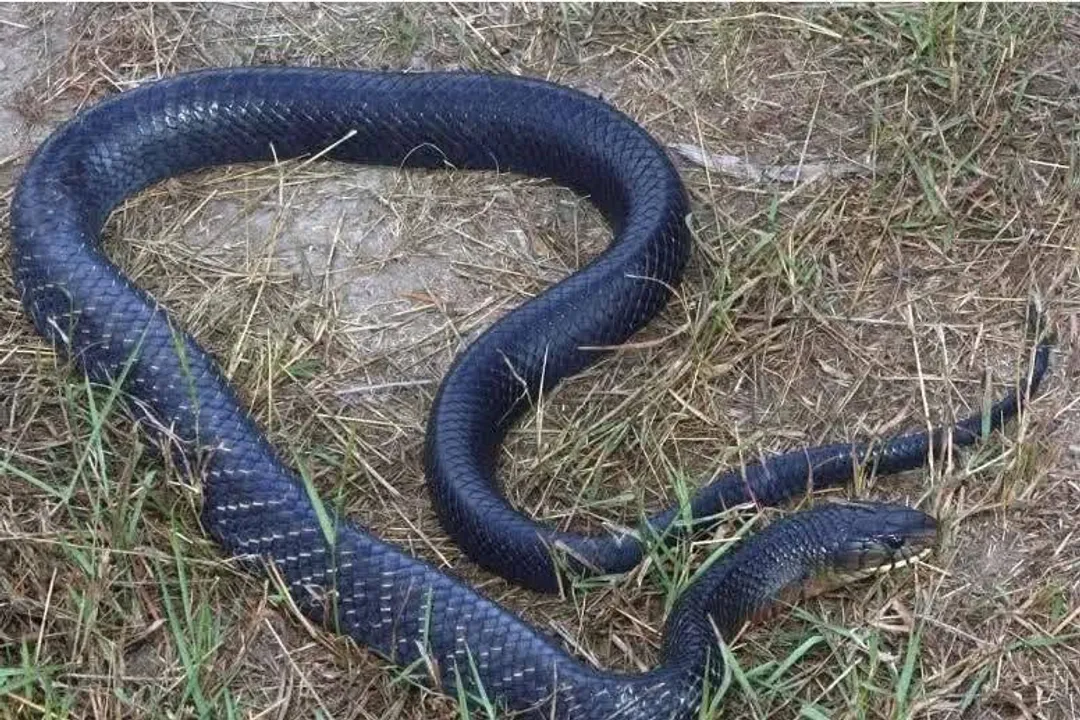
The general consensus among those familiar with the species is that the Texas Indigo Snake is decidedly not aggressive. [1] This particular subspecies, Drymarchon melanurus erebennus, is widely regarded as one of the more docile large snakes one might encounter in the region. [8] They are often characterized as safe enough to be handled by people who understand appropriate snake interaction. [4]
However, understanding the nuance of "not aggressive" is important when dealing with any wild animal. Docility does not equate to absolute passivity under all circumstances. For those who work closely with these snakes, such as researchers or conservationists, experiences can vary slightly. Monitoring Eastern Indigo Snakes, for instance, has led to at least one experienced handler noting they had only ever been bitten once during their work. [9] This single anecdote, set against the backdrop of repeated, close contact necessary for monitoring, speaks volumes about their typical disposition, suggesting that defensive strikes are rare occurrences rather than a default behavior. The general message remains consistent: if you encounter one, it is unlikely to initiate conflict. [1][2]
# Rattlesnake Killer
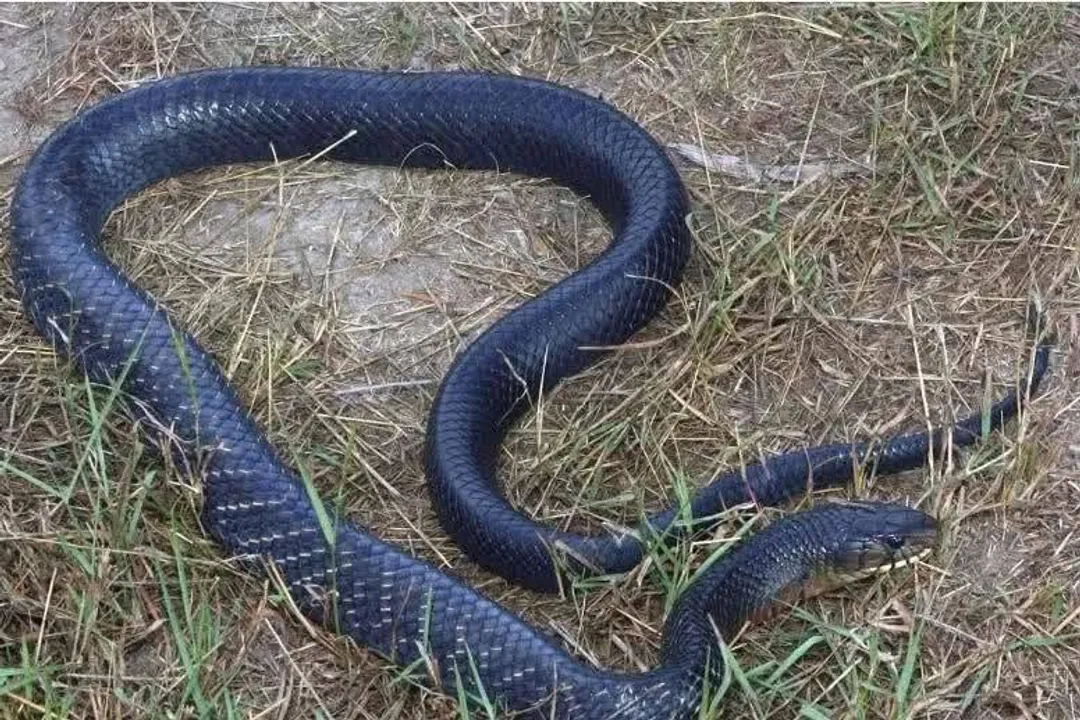
One of the most famous attributes of the Texas Indigo Snake is its specialized diet, which has earned it the nickname "rattlesnake killer". [2][6] This designation highlights a significant ecological role they play in balancing local predator-prey dynamics, particularly concerning venomous snakes. [2] The indigo snake actively preys upon rattlesnakes, a dietary preference that naturally places it in direct opposition to one of the state's most feared reptiles. [2][6]
What makes this predation possible is the indigo snake’s remarkable immunity to the venom of pit vipers, such as rattlesnakes. [2][8] This built-in defense mechanism allows them to safely subdue prey that would be lethal to most other animals. It’s fascinating to consider that while many species avoid rattlesnakes due to the danger of envenomation, the indigo snake seems evolutionarily adapted to view them as a viable food source, rather than an existential threat. [2] While rattlesnakes are a noted meal, their diet is broader, encompassing rodents, birds, eggs, lizards, and amphibians. [2] This balanced intake shows they are opportunistic predators essential for keeping populations of various smaller animals in check, not just specialists in venomous snake control. Observing a large, non-venomous snake thriving by consuming venomous ones provides a clear example of how nature balances risk and reward within an ecosystem.

# Large Size
The sheer scale of the Texas Indigo Snake immediately commands attention. It is recognized as the largest snake species found within the state of Texas. [7] When encountered in the wild, their impressive length is likely the primary reason some observers might feel intimidated before understanding their docile nature. [7] Their size mandates a certain level of caution simply due to the physical space they occupy, yet this imposing stature is not linked to an aggressive disposition. [1]
When encountering such a large reptile in its habitat, it is crucial to remember that physical size, in this case, is not an indicator of threat level towards humans. Unlike some smaller, quicker-tempered snakes, the indigo’s reaction to intrusion is typically retreat or passive defense rather than immediate aggression. [4]
# Protected Species
Understanding the temperament of the Texas Indigo Snake is made even more critical by its legal standing. This magnificent reptile is a protected species in Texas. [7] This means that it is against the law to harm, harass, or kill them. [7] Their protection is formalized under the regulations managed by the Texas Parks and Wildlife Department. [7]
This legal protection underscores their value to the natural environment. If an encounter occurs in your yard or while hiking, the correct response, guided by both knowledge of their temperament and the law, is to observe from a distance or allow the snake to move along unmolested. [7] Recognizing this snake is the first step; respecting its protected status is the necessary second step for any outdoor enthusiast or landowner in Texas. [7] They are simply a valued part of the regional fauna, and their continued existence relies on public awareness and protection. [9]
Related Questions
#Citations
This is the Texas indigo snake. They are not aggressive and will not ...
Rattlesnake Killer: Texas Indigo Snake
Safe enough to be handled, the Indigo Snake is immune to ... - Reddit
Wild Thing: Indigo Snake is a Black Beauty|March 2015
The Texas Indigo Snake Eats Rattlers for Breakfast
Drymarchon melanurus erebennus - Wikipedia
Monitoring Eastern Indigo Snakes - I Have Only Been Bitten Once