Are sunbeam snakes aggressive?
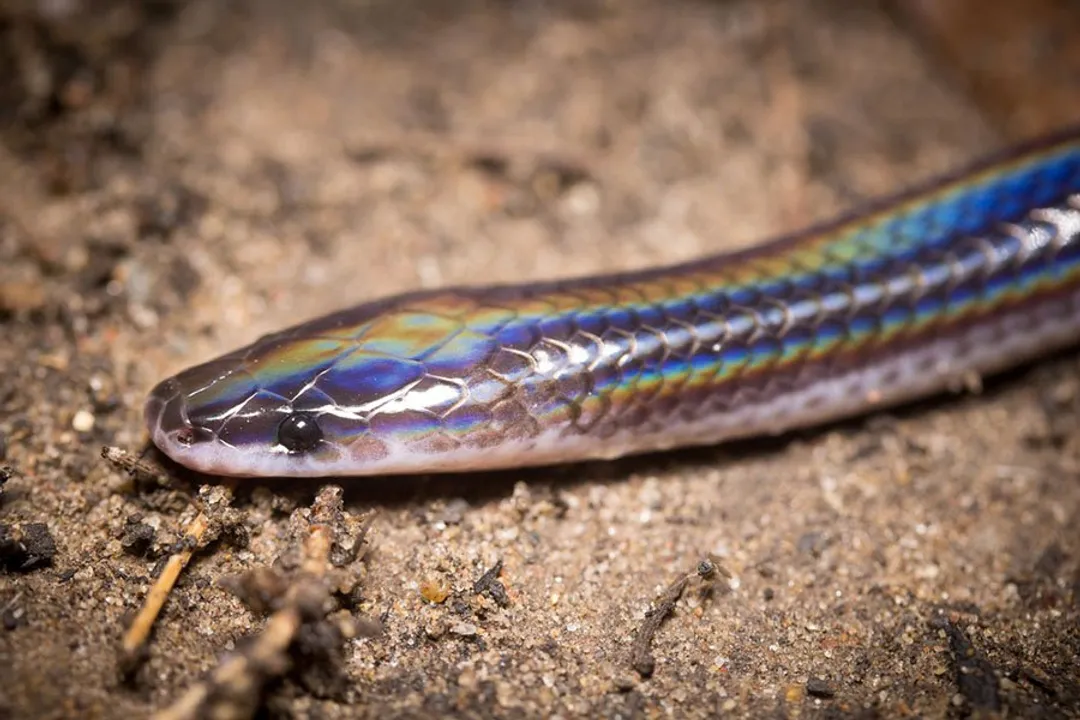
The Sunbeam Snake, with its breathtaking, almost metallic sheen that catches the light in an iridescent rainbow, is one of nature’s small spectacles. [1][2][3] This striking appearance often leads people interested in reptiles to wonder about their disposition, particularly when considering keeping one as a pet. The central concern usually revolves around aggression: do these beautiful snakes strike, bite, or try to constrict when handled or disturbed? The short answer, supported by documentation on Xenopeltis unicolor, is that they are generally not considered aggressive in the way some defensive or territorial snakes are perceived to be. [1][4]
# No Venom
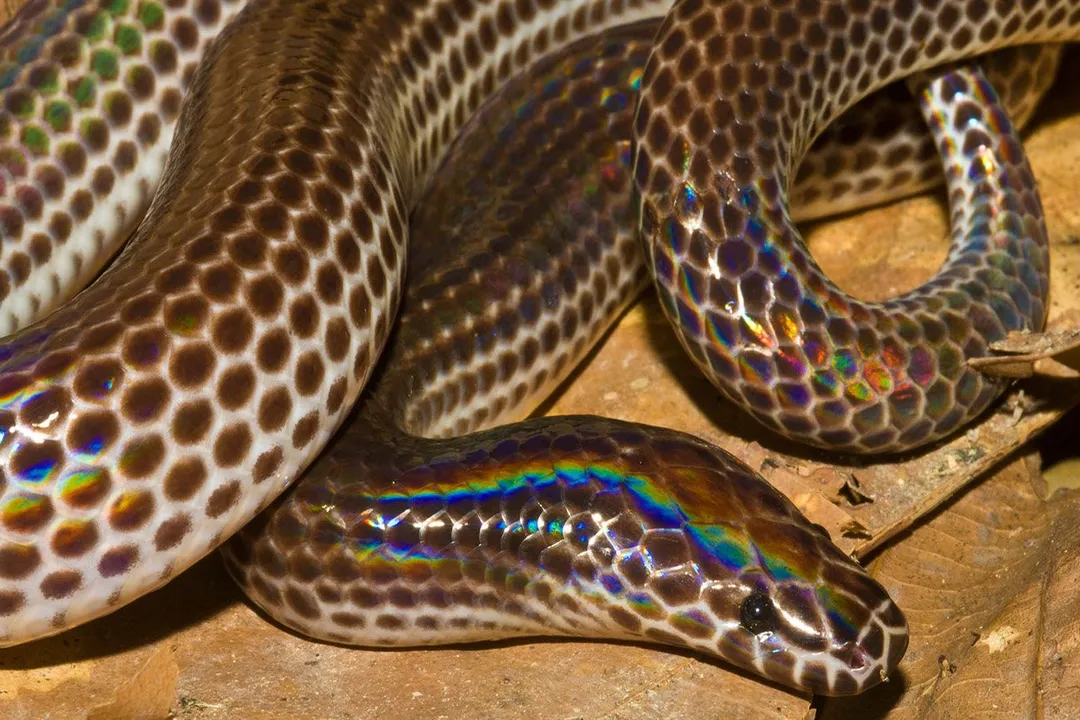
Perhaps the most critical piece of information when assessing a snake’s danger level—and by extension, its potential for aggressive defense—is its venom status. Sunbeam snakes are entirely non-venomous. [1][4][5][7] They belong to the family Xenopeltidae, which is characterized by their robust, heavy bodies and, most importantly, the lack of venom glands or fangs capable of delivering a toxic bite. [4][9]
This lack of venom fundamentally changes how one views a defensive reaction. A strike from a Sunbeam Snake is not medically significant in terms of toxins; any resulting injury would be from mechanical damage—a simple bite or scratch from their teeth. [1][4] In contrast to venomous species where the motivation for a bite might be self-preservation against a perceived deadly threat, the Sunbeam Snake’s defense mechanism is purely about deterring a predator, not incapacitating it with poison. Knowing this allows handlers to approach defensive behaviors with less panic, though caution is always warranted with any wild or captive animal. [6]
# Shy Nature
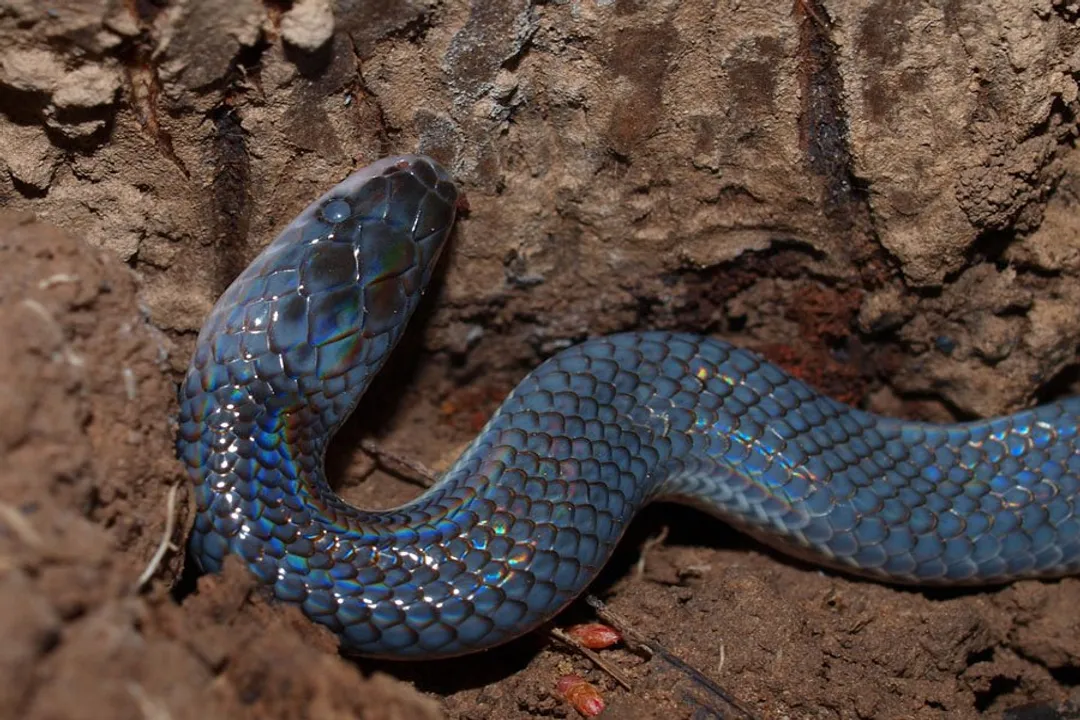
In their native habitats across Southeast Asia, including countries like Malaysia, Indonesia, and areas of Thailand, Sunbeam Snakes are known for being primarily nocturnal and semi-fossorial, meaning they spend a significant amount of time underground or hidden amongst leaf litter. [3][5][8] This natural inclination towards seclusion suggests they are not creatures that seek confrontation. They prefer to avoid detection rather than advertise their presence.
This preference for darkness and cover means that when they are encountered above ground or are being actively investigated, they are likely already stressed simply by the exposure. [3] Because they spend so much time underground or hidden, sudden, bright handling or disturbance can induce a highly defensive reaction, making apparent "aggression" a situational artifact of poor acclimation or being pulled out of a preferred, dark hiding spot, rather than an inherent, constant trait of the species. [3] They are generally described as somewhat docile when treated gently, though they are also known to be flighty. [4]

# Reaction When Cornered
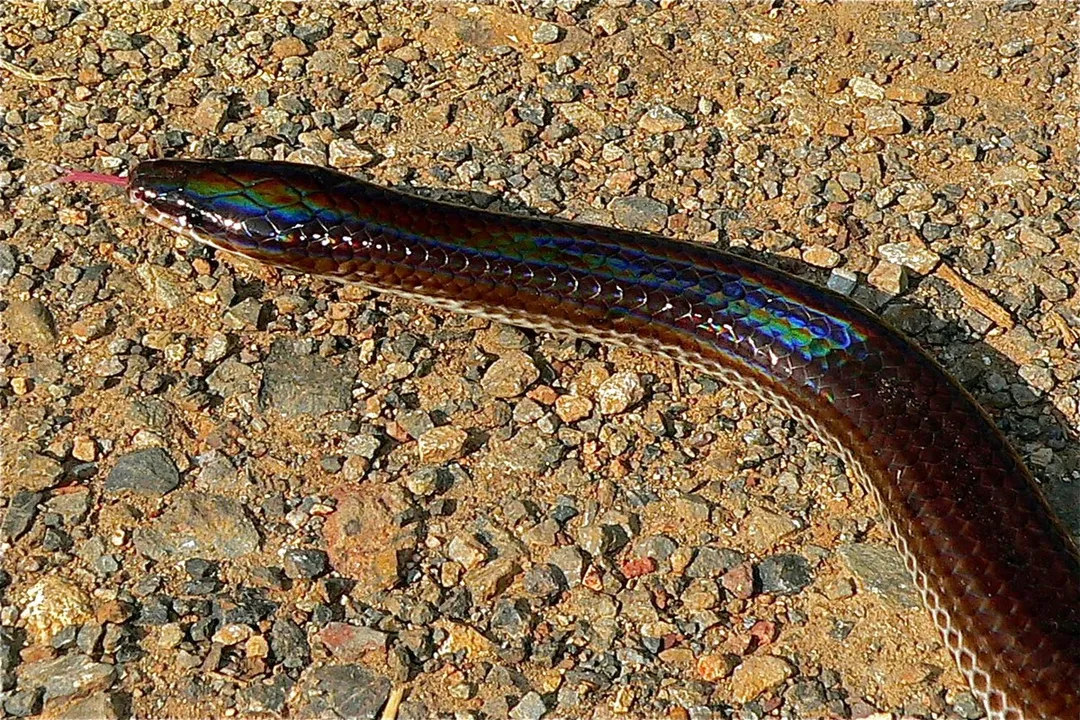
When a Sunbeam Snake feels genuinely threatened or cannot escape a perceived danger, it will employ several distinct defense strategies before escalating to a bite. Observers note that they often try to flee first. [4] If escape is impossible, they may resort to hissing or making other warning noises to alert a potential threat to back off. [4]
If the animal feels physically restrained or cornered, a defensive bite becomes a real possibility. Reports from keepers and observations in the wild indicate that they will bite if provoked or handled roughly. [6] However, because they are constrictors, a key defensive maneuver involves coiling or wrapping around a perceived threat. [1] While this is primarily used to subdue prey in the wild, a scared snake may attempt to wrap around a hand or arm. A bite delivered during this state is typically a rapid snap meant to encourage the threat to release its hold, rather than a prolonged, aggressive attack designed to hold on and subdue. [4] In some cases, they may even feign death when severely stressed, which is another common avoidance tactic seen across the reptile kingdom. [3]
# Handling Reports
Anecdotal reports from those who keep Sunbeam Snakes as pets often paint a nuanced picture regarding their temper. While some owners report that their snakes tolerate handling well once accustomed to their keeper, others emphasize that they remain shy and less inclined to interact than some other common pet snakes. [6] This variability is common in many species, often reflecting individual personality combined with captive environment quality.
When comparing the typical temperament, one must consider the motivation. A snake that is actively hunting or basking might be more reactive than one simply moving from one hiding spot to another. If a snake is consistently defensive upon being picked up, it strongly suggests the handler is interrupting a preferred behavior or handling the snake too abruptly. For keepers new to constrictors, it is useful to remember that the mechanics of a defensive bite are different from those of a venomous snake. A Sunbeam Snake bite is often a quick "nip," whereas a venomous snake's defense might involve holding on. Understanding the difference in intent—deterrence versus immobilization—is important for managing expectations and reducing fear of the animal. [1][4]
# Stress Factors
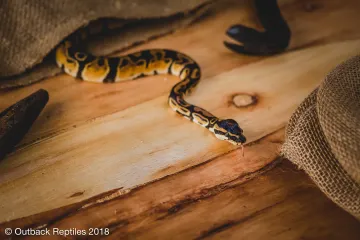
Understanding what triggers defensive behavior is more helpful than simply labeling the snake as aggressive or not aggressive. For Sunbeam Snakes, stress seems to be the primary catalyst for defensive displays or bites. [6] Since they are fossorial and value security, disruption of their substrate or enclosure is a major stressor.
When setting up an environment for a Sunbeam Snake, providing deep, loose substrate that allows for natural burrowing behavior is perhaps the single most important step to mitigating stress-related responses. [3] A secure environment that mimics their natural hiding places allows them to feel safe, leading to more relaxed behavior when they are eventually exposed or gently handled during necessary maintenance. If a snake consistently refuses to eat or hides constantly even when the enclosure is dark, it may be experiencing chronic stress, which increases the likelihood of a panicked defensive reaction if they are disturbed. [6] Monitoring humidity and temperature, ensuring the enclosure is secure against escape, and minimizing loud noises or vibrations near the tank are all practical steps that promote a calm animal less likely to exhibit defensive actions.
Related Questions
#Citations
Sunbeam snake | Nocturnal, Venomous, Non-Aggressive - Britannica
Sunbeam snake care and temperament - Facebook
Xenopeltis unicolor - Wikipedia
Sunbeam Snake Pictures - AZ Animals
It doesn't get much better than this rainbow 'sunbeam snake'
Sunbeam snake is : r/NatureIsFuckingLit
Sunbeam Snake - Non-Venomous Snake in Bali - Ular Pelangi
Sunbeam Snake - Facts, Diet, Habitat & Pictures on Animalia.bio
Snakes of Thailand - Xenpoeltidae (Sunbeam Snakes) - Siam-Info