Do cardinals eat bugs and worms?
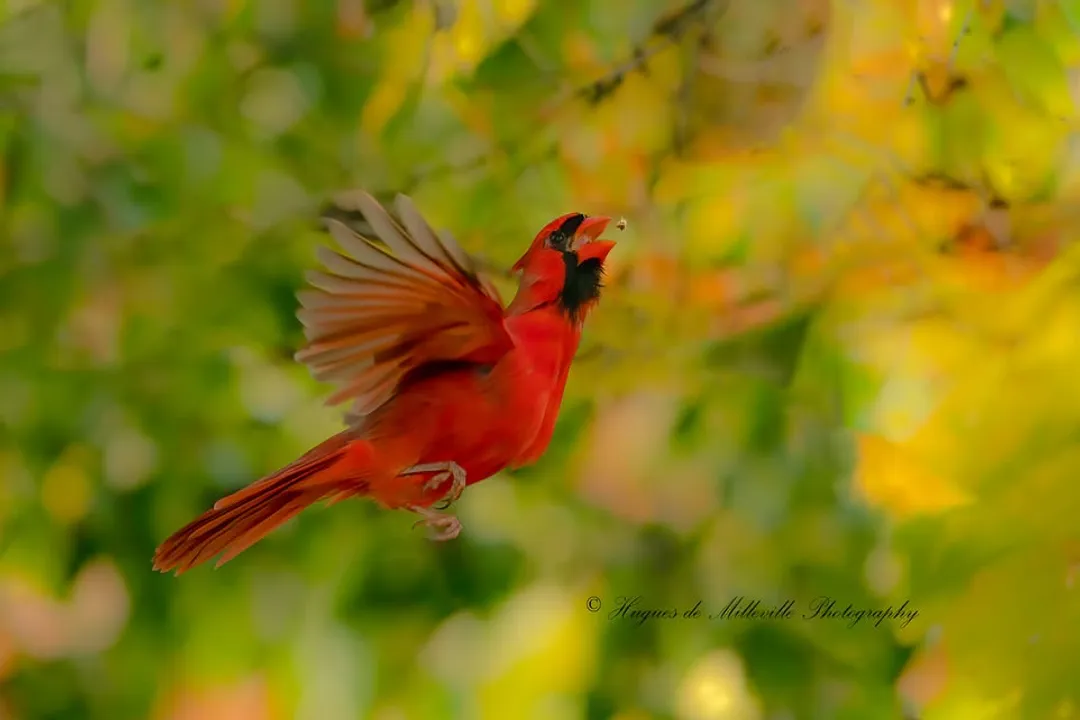
The bright red flash of a male Northern Cardinal is an iconic sight across much of eastern North America, often leading people to assume their diet is strictly composed of the sunflower seeds they frequently visit at backyard feeders. While seeds and fruits certainly form a major portion of their sustenance, the reality is that cardinals are omnivores with a significant appetite for invertebrates. [9] To truly understand what sustains this beloved backyard bird, one needs to look beyond the standard birdseed mix and consider the crucial role of bugs and worms in their life cycle.
# Insect Diet
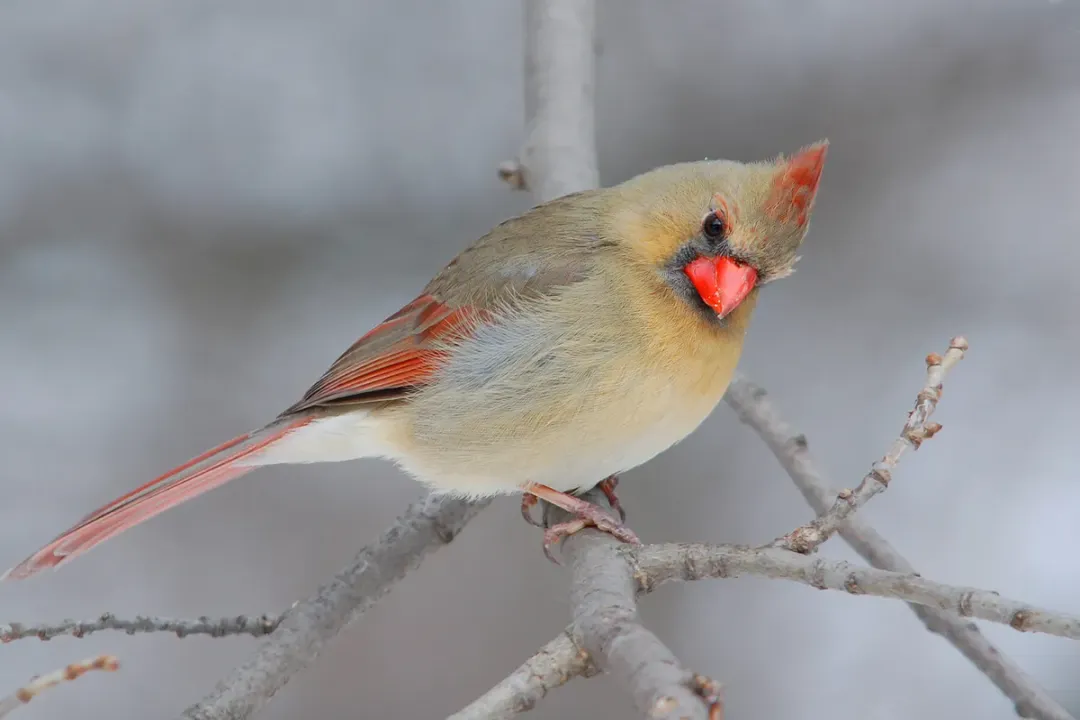
Cardinals readily consume a variety of insects and spiders, especially when it comes to meeting the high-protein demands of raising their young. [6][9] While specific preferences can vary based on local availability, their menu often includes several common invertebrates. They target larger, softer-bodied prey when possible, which is easier to digest and process for energy or for regurgitation to nestlings. [1]
# Common Prey
When a cardinal is foraging naturally, whether hopping along the ground beneath shrubs or gleaning leaves from low branches, they are searching for specific types of protein sources. Key components of their insect diet include grasshoppers, various types of beetles, soft-bodied caterpillars, and spiders. [1][2][6][9] It is interesting to note that while many backyard birders focus on seeds, nearly half of the cardinal's year-round diet can consist of these animal proteins, balancing out the fatty and carbohydrate content provided by seeds and fruits. [6]
If you happen to see a cardinal investigating damp soil or turning over leaf litter, they might be hunting for larger, juicier targets. For instance, the plump, protein-rich hornworm is definitely on the menu when these large caterpillars are present in gardens or on host plants. [8]
# Breeding Needs
The need for insects becomes absolutely critical during the breeding season. Adult cardinals can subsist on seeds and berries for much of the year, but growing chicks require a diet almost entirely focused on protein for rapid development and feather growth. [6] Adult birds work tirelessly to source enough small insects, spiders, and worms to feed their nestlings until they fledge. [9] A single brood of young cardinals can consume hundreds of insects each day during their peak feeding period. This dietary pivot from primarily seeds to almost exclusively invertebrates highlights a key survival strategy: maximizing readily available protein when reproductive success depends on it.
# Backyard Offerings
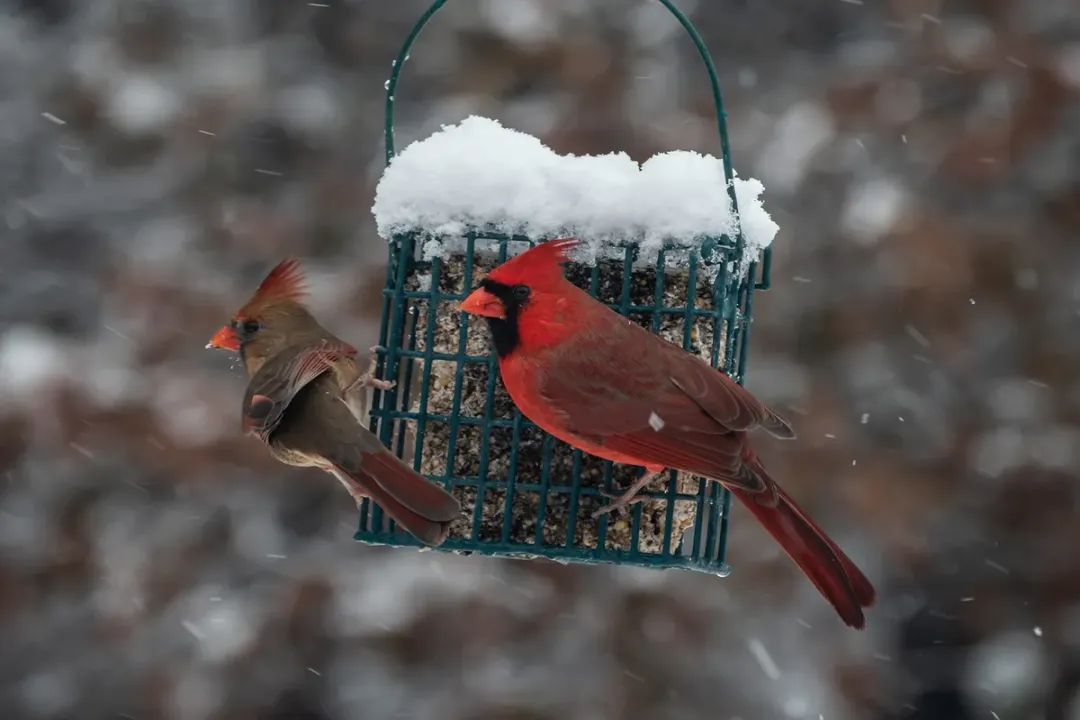
Because cardinals prefer to feed closer to the ground or on low platforms, they can sometimes be missed by feeders hung high up, especially if they are focusing on finding insects naturally. If a backyard enthusiast wants to specifically cater to a cardinal's insect cravings, offering appropriate supplemental food can be very effective, particularly during the demanding spring and early summer months. [7]
# Mealworms Appeal
Perhaps the most popular non-seed item offered to attract cardinals is mealworms. [3][7] These are essentially the larval stage of the darkling beetle and provide an excellent, concentrated source of animal protein that closely mimics the soft-bodied insects cardinals seek out in the wild. [4]
It is worth noting the difference between dried and live mealworms when feeding. While dried mealworms are convenient, easier to store, and readily accepted by cardinals, live mealworms often prove irresistible, mimicking the movement of live prey and perhaps triggering a stronger foraging response. [4][7] If you are trying to lure shy cardinals to a new feeder station, starting with live mealworms placed on a low tray or ground-level platform can establish the location as a reliable, high-value food source much faster than sunflower seeds alone. This mimics their natural ground-foraging behavior for bugs, which tends to be more successful than waiting at a suspended feeder. [2]
# Seasonal Adjustments
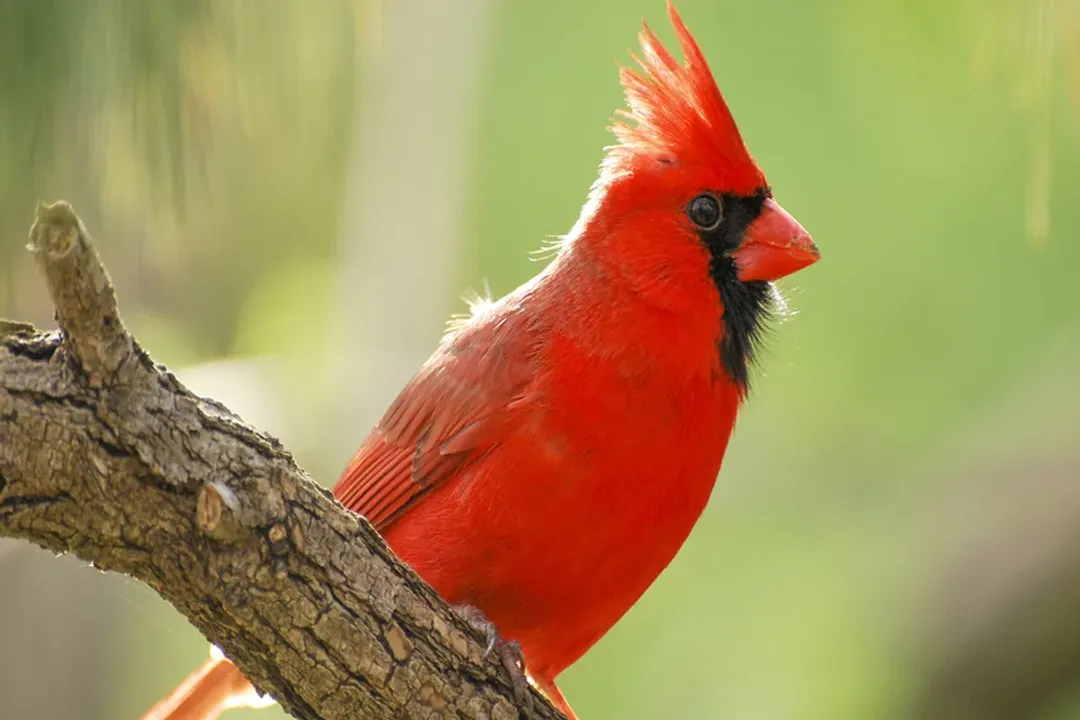
The cardinal's diet is remarkably flexible, shifting seasonally to align with what is most available and what best meets their immediate energy needs. This dietary plasticity is a hallmark of successful generalist species.
# Spring and Summer Focus
In warmer months, especially from late spring through early fall, the availability of insects skyrockets. As discussed, this corresponds directly with the need to feed growing young, making bugs and worms a dominant food source during this time. [6] While nesting duties pull the adults toward insect hunting, they will still consume fruits and seeds opportunistically.
# Fall and Winter Diet
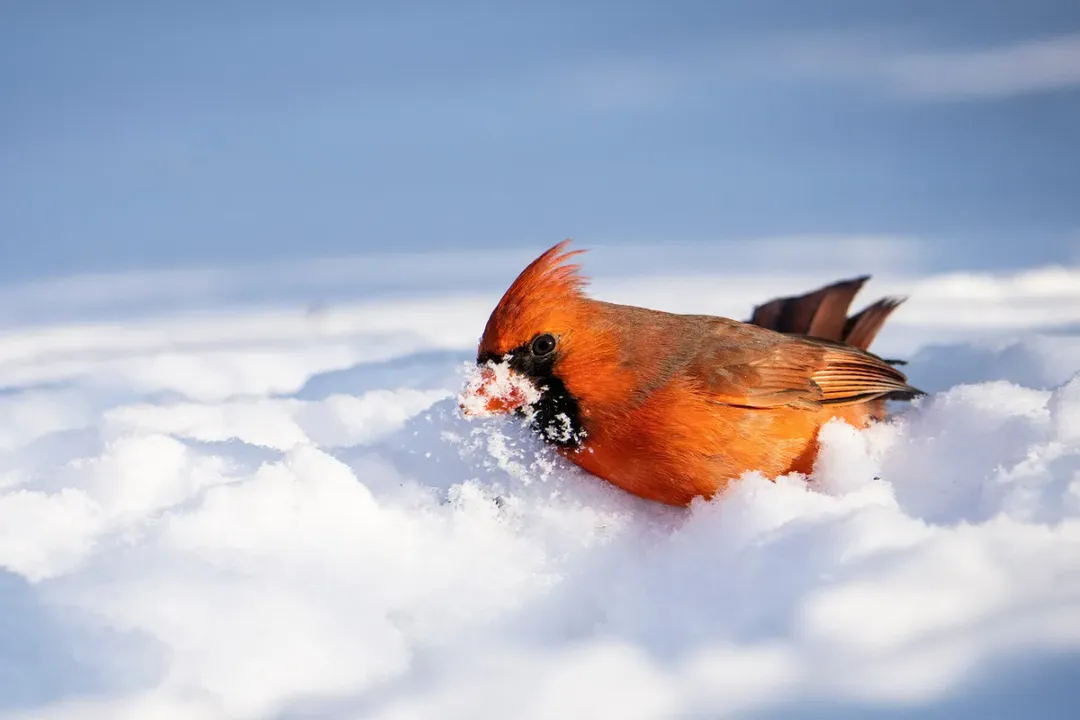
As temperatures drop and insect activity ceases, the cardinal shifts its focus heavily toward higher-calorie, easily stored plant matter. Seeds and fruits become the mainstays of their diet throughout the non-breeding season. [1][6] High-fat seeds, like black oil sunflower seeds, provide the necessary insulation and energy reserves to survive cold nights. Even in winter, however, a cardinal might still consume dormant spiders or insects if they stumble upon them, but the search effort dedicated to finding them is minimal compared to the summer months.
# Comparative Foraging Behavior
It is helpful to compare the cardinal's feeding style with that of other common backyard birds to understand why seeds and insects are both vital. Birds like finches are almost exclusively seed eaters and will often ignore live insects, whereas birds like robins are primarily ground foragers looking only for worms and soft fruits. The cardinal occupies a middle ground. [9] They are happy to perch at a tube feeder for safflower or sunflower seeds, but they are equally comfortable hopping on the lawn or a low deck, inspecting bark or leaf litter for a beetle or caterpillar. [2] This dual approach—high-perch seed consumption and low-to-mid-level insect/fruit foraging—gives them an edge in diverse environments, allowing them to utilize almost any food source presented to them, whether it comes from a seed head or a grub in the soil.
For instance, if you observe a cardinal near a patch of weeds, it might be cracking open a mature seed head one moment, and then pouncing on a small cricket that scurried by the next. This integrated approach means that a healthy, natural habitat surrounding the feeder area—one with plenty of native shrubs, mulch, and undisturbed ground cover—is just as important as a well-stocked bird feeder for keeping cardinals well-fed year-round. [6]
#Videos
Cardinal and Oriole Feeding on Mealworms - YouTube
Related Questions
#Citations
The diet of the northern cardinal consists mainly (up to 90 ... - Reddit
What Do Cardinals Eat? | Nest Box Live
Cardinals eating bugs in autumn foliage - Facebook
Do Cardinals Eat Dried Mealworms? - ABDragons
Cardinal and Oriole Feeding on Mealworms - YouTube
Northern Cardinal: Identification, Habitat, and Diet - Wild About Birds
The Ultimate Guide to Feeding Cardinals Year-Round - Jacobi Jayne
Cardinals and hornworms - Square Foot Gardening Forum
What Do Cardinals Eat? (Complete Guide) - Birdfact