Where do bamboo worms live?
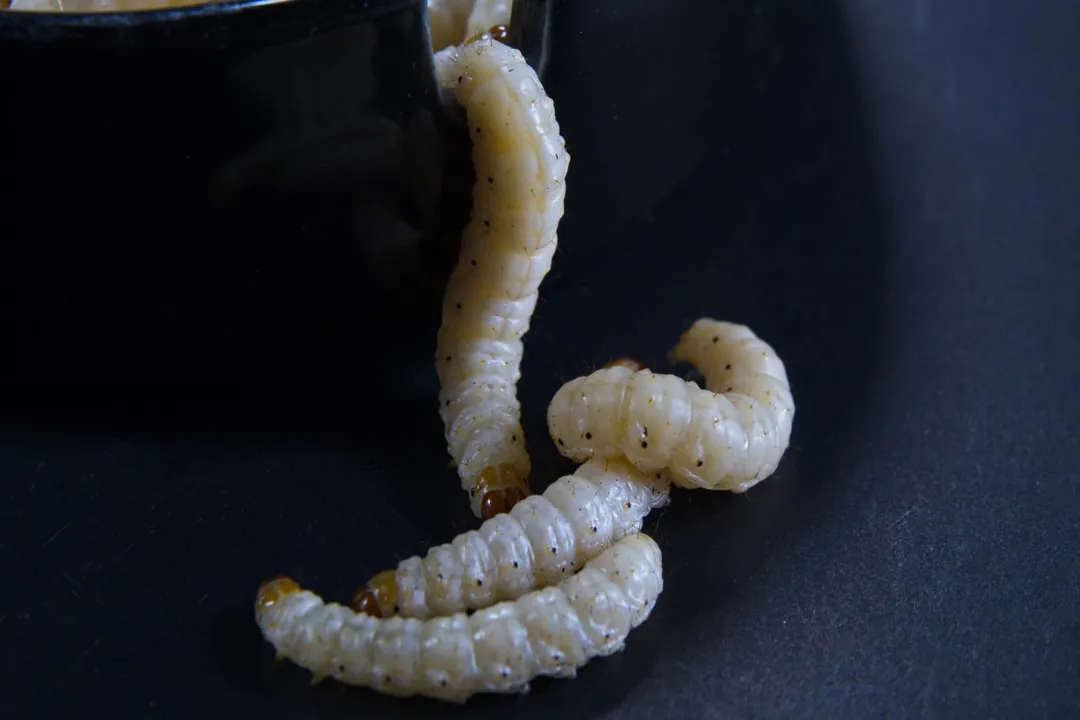
The humble bamboo worm, often recognized by its more scientific name, Omphisa fuscidentalis, or sometimes called a bamboo grub, occupies a remarkably specific niche in the natural world that dictates where you find it. This creature is not a terrestrial worm in the traditional sense; rather, it is the larval stage of a small moth, and its entire existence is intrinsically linked to one plant genus. To understand where these grubs live, one must look not just at a country or region, but directly into the sturdy, hollow structure of the bamboo plant itself.
# Stalk Residency
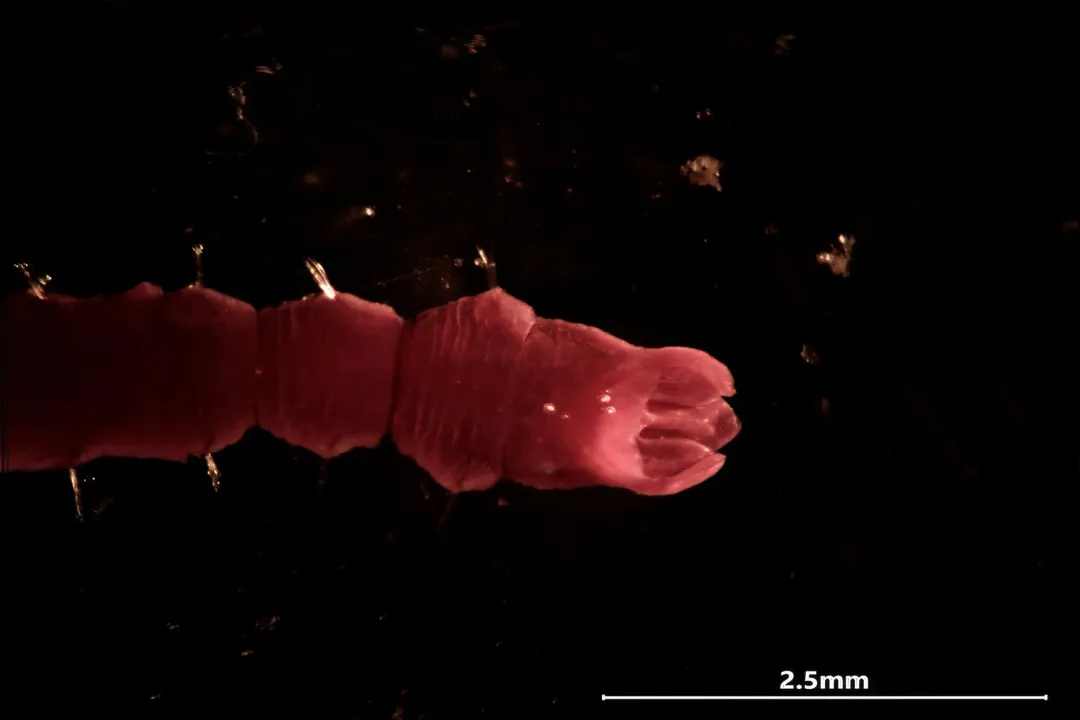
The most defining characteristic of the bamboo worm's habitat is its location: they reside inside the stalks or shoots of bamboo. Unlike many other insect larvae that might bore into decaying wood or feed on foliage above ground, the Omphisa fuscidentalis larva is protected deep within the plant tissue. This subterranean-like existence within the plant provides a degree of shelter from many predators and environmental changes. Their diet consists entirely of the plant material they inhabit, meaning they consume the pith and inner walls of the bamboo stalk or shoot as they grow.
This requirement for internal living space is what makes them difficult to find unless one knows precisely what to look for. A casual observer might see healthy bamboo stands without ever suspecting that the tunnels within are populated. The process of obtaining them involves either cutting open the stalks or stems or waiting for the larvae to emerge as adults.
The extremely specific habitat—living within the stalks of certain bamboo species—explains why they have historically become a localized delicacy primarily in Southeast Asia where cultivation and growth of these specific bamboo types are widespread. Concurrently, this reliance on a structurally specific host plant is precisely what creates the risk profile for them becoming an invasive species when introduced to new regions that possess suitable, related grasses. Their entire life cycle is bound to the structural integrity and availability of their host.
# Plant Specificity
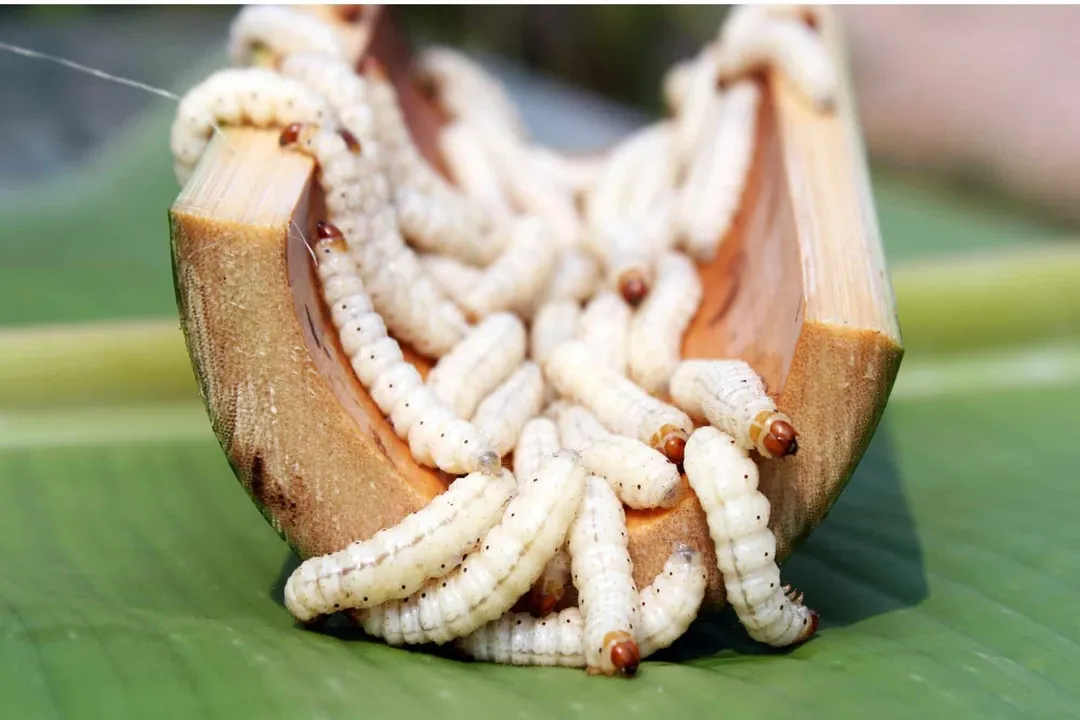
The environment is dictated by specific botany. Bamboo worms are specialists, feeding on bamboo belonging to the genus Bambusa. This genus encompasses many common types of bamboo found across Asia. Because their food source is their habitat, any area supporting a thriving population of these particular bamboo plants is a potential home for the grubs.
The relationship between the larva and the plant is so close that understanding the distribution of one directly informs the distribution of the other. If a region is rich in the appropriate Bambusa species, the conditions are set for Omphisa fuscidentalis to thrive, provided the climate is also suitable. This contrasts with more generalized feeders, which can colonize a wider variety of plant life.
Because they are larvae developing inside the bamboo stalks, harvesting them is likely tied directly to the growth cycle of the bamboo itself. This suggests that their availability as a food source, even in their native range, is probably seasonal and dependent on the timing of new shoot emergence or stalk maturity, rather than being a continuously available wild harvest.

# Native Range
Geographically, the native distribution of the bamboo worm is concentrated across Asia, specifically in the region known as Southeast Asia. This area provides the necessary combination of warm climate and abundant, native Bambusa bamboo varieties.
Several specific nations are consistently named as part of their indigenous home territory:
- Thailand: This country is frequently mentioned as a place where these grubs are commonly found and consumed.
- China: They are documented as living within bamboo stands here.
- India: Similar to China, bamboo habitat supports populations in India.
- Myanmar: This nation is also listed within their natural distribution.
While they are native to these Asian locales, their presence in these areas is generally stable and part of the local ecosystem, though they are often sought out for culinary purposes. The concentration in these areas reflects centuries of co-evolution with the local flora.
# Non-Native Spread
The very traits that make the bamboo worm successful in its native Asian environment—its ability to feed exclusively on bamboo and its protected larval stage—have also made it a subject of concern as an invasive species in other parts of the world.
The most noted location outside of Asia where Omphisa fuscidentalis has become established is Hawaii in the United States. In this environment, the grubs are classified as an invasive pest. Their ability to infest not just Bambusa but also related grass species means they pose a threat to local agriculture and horticulture where these grasses are cultivated. The introduction likely occurred through the accidental movement of infested bamboo materials, perhaps for landscaping or commercial purposes, bypassing quarantine checks that are designed to prevent the movement of pests. This highlights the risk involved in transporting host plants without thorough inspection for internal pests.
For anyone dealing with bamboo cultivation outside of established Asian ranges, awareness of the pest status of this moth larva is important, especially in tropical or subtropical zones like Hawaii where the host plants thrive year-round. The presence of a thriving population in a non-native area signals that the environmental conditions—temperature, humidity, and host plant availability—are highly compatible with the worm's basic survival needs.
#Videos
You Won't Believe What This Tribe Farms - Life in a Bamboo Jungle
Related Questions
#Citations
Omphisa fuscidentalis - Wikipedia
Bamboo Worms Insect Facts - Omphisa fuscidentalis - A-Z Animals
Bamboo worm Facts for Kids
Sabaco elongatus - Marine Invasions research at SERC
Worm, Bamboo - Marine Life Database
Insects: A Strange (But Rewarding) Culinary Delicacy
Bamboo Worms And Their Improbable SCIENTIST
Bamboo worms (Omphisa Fuscidentalis) - Edible Insects for sale
You Won't Believe What This Tribe Farms - Life in a Bamboo Jungle