The compact, long-backed build of the Pembroke Welsh Corgi was historically ideal for what specific action while driving livestock?
Answer
Nipping at the heels of livestock without getting kicked
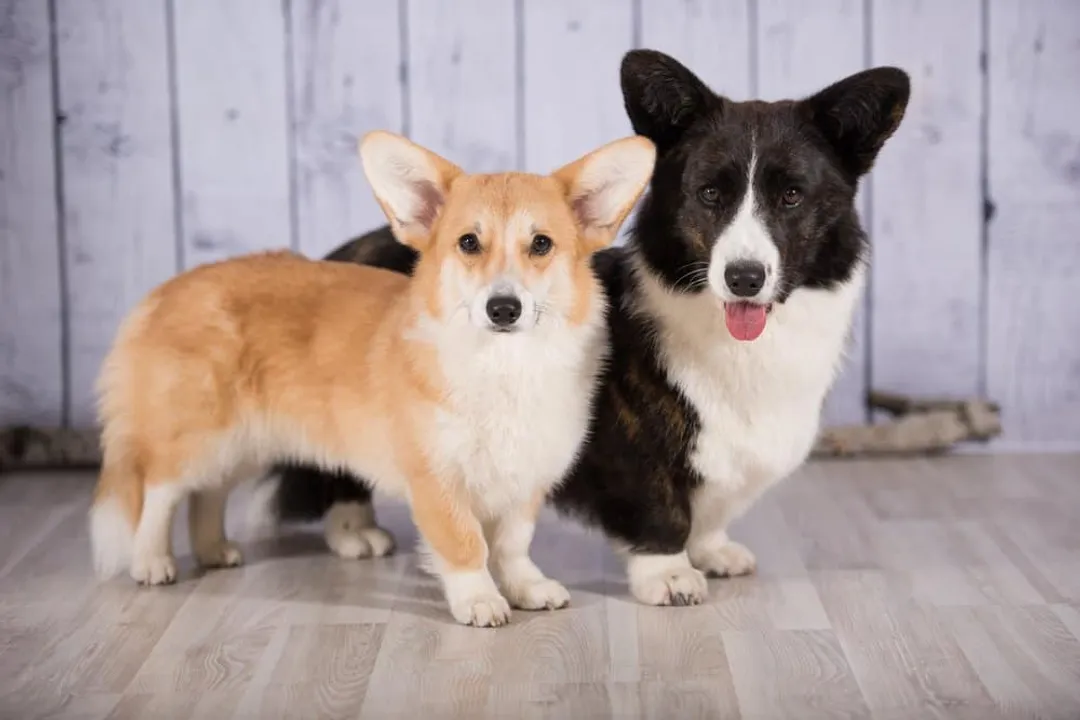
The specific structural characteristics of the Pembroke Welsh Corgi—being compact, long-backed, and notably short-legged—were adaptations perfectly suited for their historical role as cattle drivers in Pembrokeshire. This particular morphology allowed them to efficiently nip at the heels of the livestock to move them along, a necessary action that was executed safely because their low stature made them less likely to be struck or kicked by the cattle they were nipping. This functional optimization based on their body plan directly contributed to the establishment and maintenance of the Pembroke breed standard, contrasting slightly with the pressures that shaped the Cardigan.
Related Questions
What umbrella term encompasses the two separate breeds sharing a common Welsh origin?What morphological feature serves as the quickest identifier separating the Cardigan Welsh Corgi from the Pembroke?Which classification group does the American Kennel Club place the Pembroke Welsh Corgi within?Which recognized breed, sharing Welsh origins, is often considered the older of the two Corgi types?Both the Pembroke and Cardigan Welsh Corgi belong specifically to which domesticated species?What functional classification defines both the Pembroke and Cardigan Welsh Corgi due to their ancestral role?What geographical separation primarily drove the distinct classifications of the Pembroke and Cardigan Corgis?The compact, long-backed build of the Pembroke Welsh Corgi was historically ideal for what specific action while driving livestock?In the four-layered classification system provided, which layer is the most specific identification for the animal?Relative to the Pembroke Welsh Corgi, how is the Cardigan Welsh Corgi's general build described?