Welsh Corgi Scientific Classification
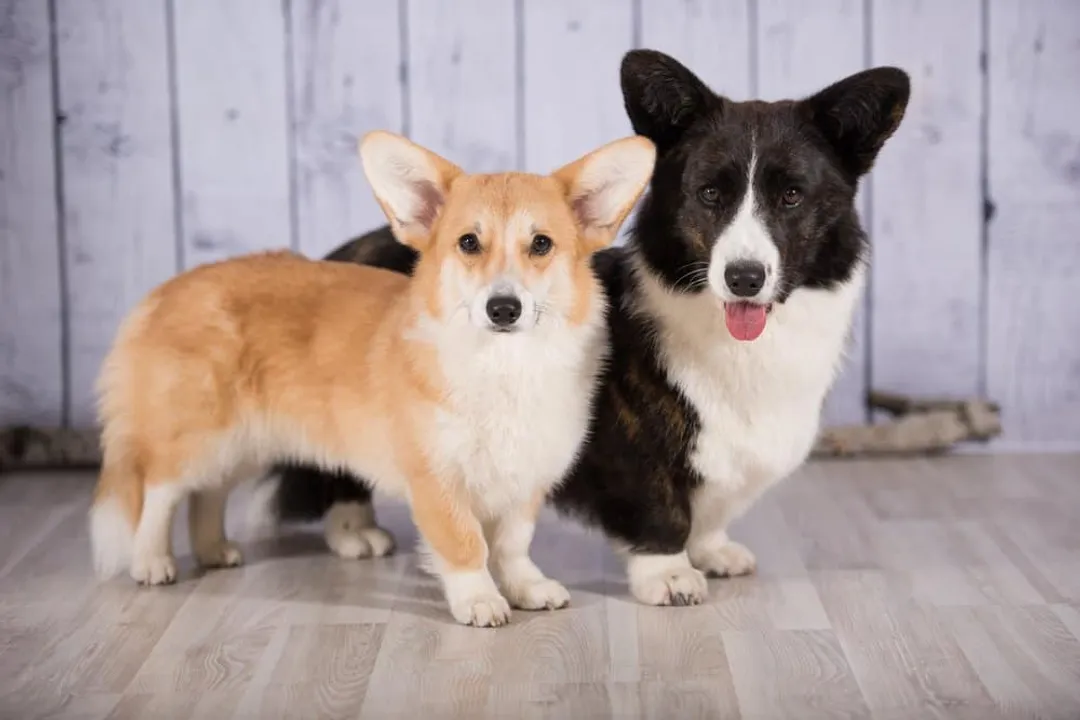
The Welsh Corgi, a charming and distinctly low-slung canine, occupies a unique position within the broader classification of domestic animals. While the formal scientific hierarchy—Kingdom, Phylum, Class, Order, Family, Genus, and Species—provides the absolute framework for all life, understanding the Corgi requires delving into the specific classifications recognized within the human-defined world of dog breeds. [9] In essence, any Welsh Corgi, whether Pembroke or Cardigan, falls squarely within the species Canis familiaris, the domesticated dog, which itself belongs to the Family Canidae. [10] This placement signifies their shared ancestry with wolves and other canids, yet their distinct characteristics place them at a specific, recognizable terminus within the vast tree of canine development. [4] The very existence of two recognized, yet distinct, types of Welsh Corgi—the Pembroke and the Cardigan—demonstrates a fascinating divergence within this singular species classification, marking them as separate breed entities shaped by regional development and selective breeding. [10]
# Two Breeds
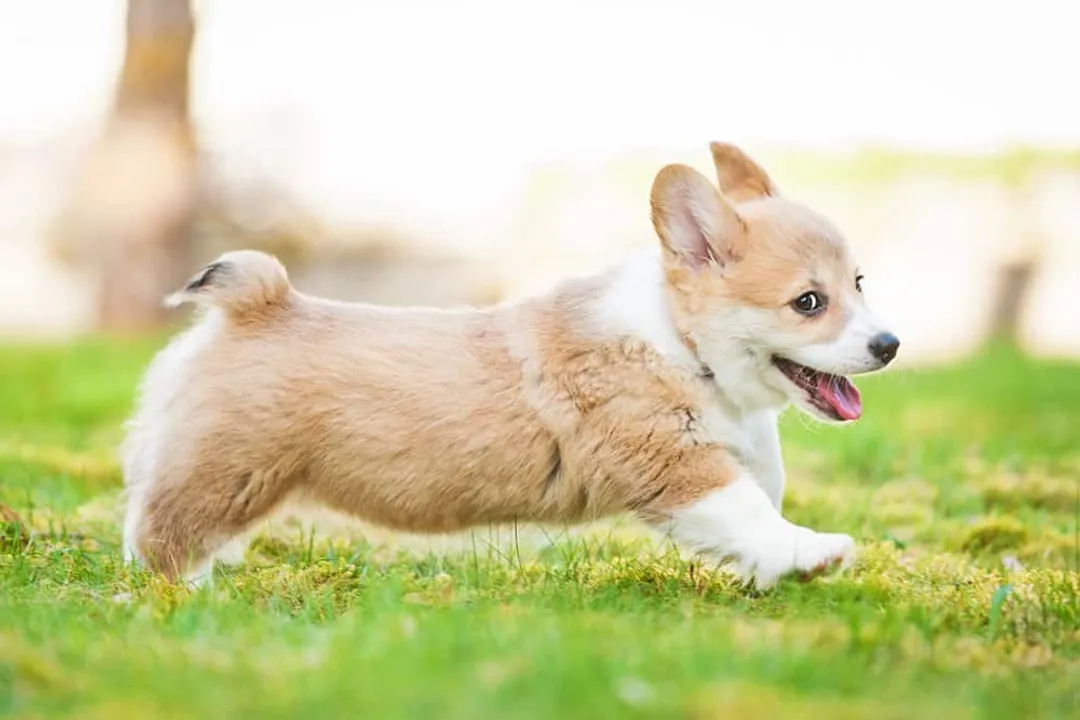
The most crucial aspect of classifying the Welsh Corgi is acknowledging that Welsh Corgi is not a single entity for kennel clubs or historical purposes; rather, it serves as an umbrella term encompassing two separate breeds that share a common geographical origin in Wales. [10] This duality is the key to appreciating their placement in the canine taxonomy of recognized breeds. [4] The distinction between the Pembroke Welsh Corgi and the Cardigan Welsh Corgi is significant enough to warrant separate recognition by major kennel organizations worldwide, indicating divergent histories and measurable phenotypic differences. [10]
# Pembroke Status
The Pembroke Welsh Corgi is perhaps the more globally recognized of the two, often associated with British royalty. [7] From a classification standpoint, the Pembroke is defined by a set of strict breed standards maintained by organizations like the American Kennel Club (AKC). [4] These standards dictate everything from their structure to temperament, placing them within the Herding Group. [4] Historically, their role as cattle drivers in Pembrokeshire shaped their compact, long-backed, and short-legged build, which was ideal for nipping at the heels of livestock without getting kicked. [1] Their general characteristics, as documented across various sources, paint a picture of an alert, intelligent, and sturdy little worker. [2][3][6]
# Cardigan Distinction
Conversely, the Cardigan Welsh Corgi predates its Pembroke counterpart in terms of historical record, often considered the older of the two breeds. [10] Like the Pembroke, the Cardigan is classified within the herding group due to its ancestral purpose. [10] However, the Cardigan possesses distinct physical markers that separate it taxonomically at the breed level. The most striking difference, often used as a quick identifier, is the tail: the Cardigan has a long, fox-like tail, whereas the Pembroke is often born naturally bobtailed or has its tail docked to conform to breed standards (though docking practices are changing globally). [1][10] Furthermore, Cardigans generally exhibit a slightly heavier bone structure and a broader head compared to the Pembroke. [10] This clear morphological difference, maintained through generations of selective breeding, solidifies their standing as two distinct entries in the official classification of recognized dog breeds, despite their shared heritage in Wales. [10]
# Ancestral Grouping
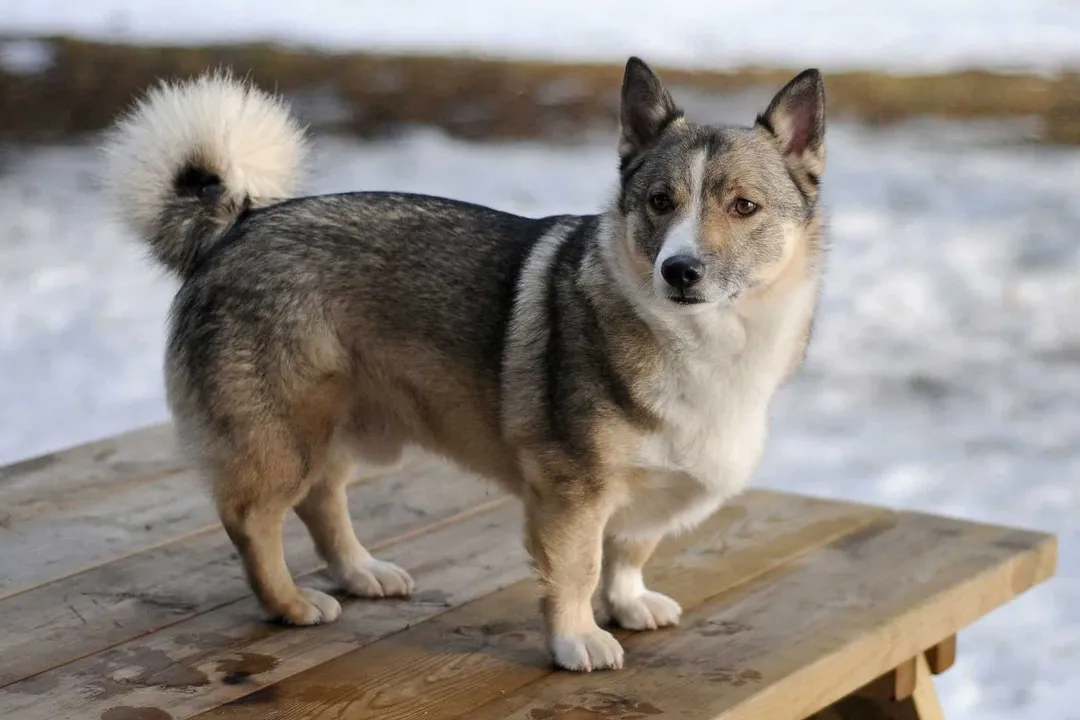
To fully appreciate the Corgi's position, one must look at the broader groupings that unite them. All Corgis are defined as herding dogs. [4][10] This functional classification speaks volumes about their innate behavioral traits, even in modern companion settings. [4] Their drive to gather, move, and protect—even if now applied to children or toys rather than cattle—is an inherited characteristic deeply embedded due to their historical role. [1][3] This functional grouping is a form of practical, human-applied taxonomy that runs parallel to the formal Linnaean system. [4]
The Welsh Corgi League emphasizes their shared Welsh origins, which is a geographical qualifier that ties both breeds to a specific evolutionary niche shaped by Welsh agricultural needs. Considering that both breeds are fundamentally short-legged herders developed in close proximity, their independent classification suggests that the genetic drift separating them—likely stemming from different foundational bloodlines brought into Wales centuries ago—was significant enough to establish two separate, stable breeds over time. [10] This parallel development of two distinct breeds from what was likely a common ancestral pool within the same region provides an interesting case study in canine domestication history. It suggests that even within the highly mobile and intermixed environment of modern dog breeding, distinct physical traits can become fixed enough to warrant separate breed registration, reinforcing their place as two separate classifications within the domestic dog’s biological spectrum. [4][10]
# Defining Breed Standards
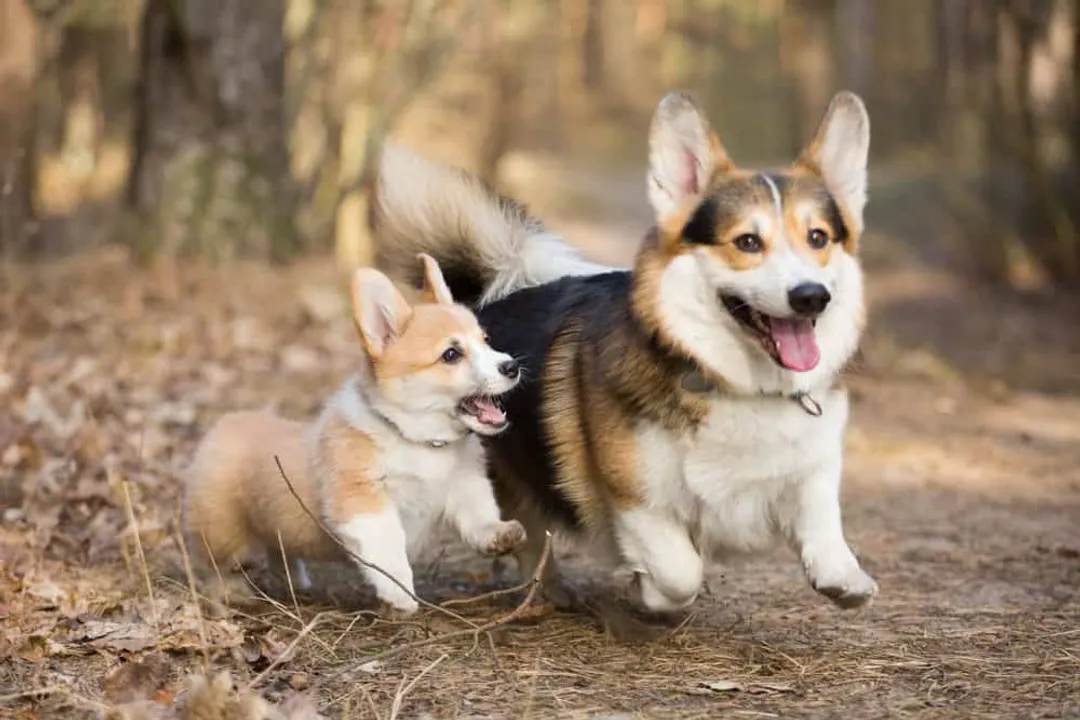
The concept of a "breed" itself is a critical classification layer applied to Canis familiaris. A breed standard is essentially a written definition that sets the ideal physical and temperamental specifications for that type of dog. [4] For the Welsh Corgi, both Pembroke and Cardigan adhere to these rigorous standards set by bodies like the AKC, which serve as the authoritative classification guides for breeders and exhibitors. [4]
# Physical Metrics
While exact height and weight can vary, the general structure is key to their classification. Both types are described as sturdy and low-set. [1][4] The Pembroke Welsh Corgi is typically slightly smaller and lighter than the Cardigan, which tends to be a heavier-boned animal. [10] The difference in leg structure relative to body length is a defining feature that places them squarely in the category of dwarf or achondroplastic breeds, characterized by chondrodysplasia, though this specific genetic term is not explicitly detailed in the source materials provided. [1]
The difference in the tail, as noted earlier, is the clearest point of distinction between the two official classifications:
- Pembroke: Often naturally bobbed or docked, resulting in a short or absent tail. [1]
- Cardigan: Possesses a full, fox-like tail, often described as a "brush" tail. [10]
# Temperament Markers
Temperament is another crucial, albeit less tangible, classification marker. Both breeds share high intelligence, alertness, and a willingness to work. [2][3][4] The Pembroke is often characterized as outgoing and slightly more boisterous, perhaps reflecting its later introduction to official recognition and perhaps a stronger selection for companion traits alongside its herding ability. [4] The Cardigan, having a deeper historical root, might retain a slightly more reserved or independent nature, common in older, regional working lines. [10] These subtle differences in personality profiles are what breeders and kennel clubs use to maintain the integrity of the two distinct breed classifications over time. [4]
# Classification Comparison Table
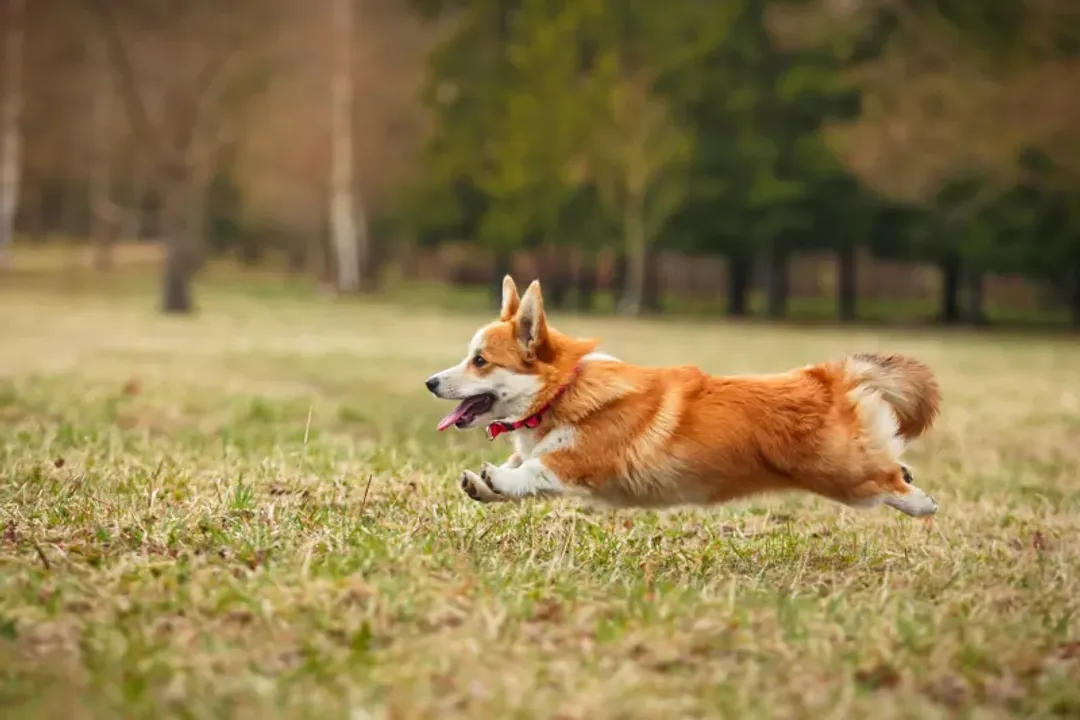
To clearly illustrate how these two Corgis are classified separately by human definition, yet grouped together by geography and function, a tabular summary is helpful. This organizes the core differences that elevate them from a single type to two distinct breeds within the broader Canis familiaris classification.
| Feature | Pembroke Welsh Corgi | Cardigan Welsh Corgi |
|---|---|---|
| Origin Focus | Pembrokeshire area | Cardiganshire area [10] |
| Tail Structure | Naturally bobbed or docked; short [1] | Long, fox-like tail [10] |
| General Build | Often slightly lighter/smaller | Generally heavier-boned [10] |
| Breed Recognition | Distinct breed class [4] | Distinct breed class [10] |
| Historical Lineage | May have links to Flemish spitzes (a point of historical debate) [1] | Considered the older of the two breeds [10] |
This table underscores that while both are classified as Welsh Corgis and herders, their physical divergence is significant enough to mandate separate breed recognition, a separation formalized by organizations that govern breed integrity. [4][10]
# Origin and Historical Context as Classification Markers
The geographical separation of their development—Pembrokeshire versus Cardiganshire—is a primary reason these dogs achieved separate classifications. [10] In the early days of formalized breeding, dogs were often identified by the region they originated from. If the ancestors of the Pembroke and Cardigan dogs were relatively isolated, selective pressures (whether human or environmental) acted upon them independently, leading to fixed traits that defined the two lines. Even after their eventual grouping under the "Welsh Corgi" umbrella, the desire to preserve the distinct characteristics of each regional population was strong enough to push for separate breed status rather than allowing one line to absorb the other. [10]
When examining the history, such as that detailed by the Welsh Corgi League, one finds evidence of historical lines being distinct long before modern kennel clubs existed. This suggests that the classification we see today is merely a formal acknowledgment of an existing biological and cultural separation that developed over centuries of localized working demands. The fact that both types were involved in herding cattle hints at a shared ancestral stock, likely from the mainland European spitz-type dogs that arrived in Britain, but the divergence happened early enough to establish the clear differences we see now. [1]
A subtle insight arises from considering their historical function relative to their build. The short stature of both breeds is an extreme adaptation for their herding style, a trait often associated with the term dwarfism in canine genetics. [1] However, the differences in tail carriage and general mass between the two types suggest that the selective pressure in Cardiganshire might have favored a slightly heavier dog capable of handling larger, more aggressive cattle, while the Pembrokeshire environment might have favored a quicker, more agile dog, leading to the observed structural variations within the same ancestral constraint (short legs). [10] This functional optimization, even within a tight geographical and working parameter, drove the necessary morphological change for them to be classified separately by breed experts.
# Modern Classification Context
Today, the classification of the Welsh Corgi is governed by international organizations dedicated to preserving breed purity. [4] The AKC’s grouping of the Pembroke into the Herding Group is a classification based on function and historical purpose rather than strictly phylogenetic relatedness to modern wolves. [4] This illustrates that breed classification is a multi-layered system:
- Kingdom/Phylum/Class/Order/Family: Animalia, Chordata, Mammalia, Carnivora, Canidae (shared by all dogs).
- Species: Canis familiaris (Domestic Dog).
- Breed Group: Herding Group (functional classification based on utility). [4][10]
- Breed: Pembroke Welsh Corgi or Cardigan Welsh Corgi (the most specific classification layer). [1][10]
The maintenance of this multi-layered classification requires ongoing dedication to breed standards. [4] For instance, a Pembroke breeder is judged on adherence to the Pembroke standard, not the Cardigan standard, demonstrating that the two breed classifications are mutually exclusive in the show ring and in breeding contracts. [4]
Another point of value in understanding their classification lies in how they relate to other herding breeds. While they share the Herding Group with larger, long-legged dogs like Collies or German Shepherds, the Corgis represent a specialized morphological niche within that group—the achondroplastic herder. [1] This specialization in body type, shared by both Corgi breeds, groups them conceptually, even as their distinct breed histories separate them practically. [10]
In summary, while the scientific classification places both Corgi types under the same umbrella as all other dogs, the rich history and distinct physical traits have resulted in two separate, officially recognized breed classifications: the Pembroke and the Cardigan. These classifications are maintained through strict adherence to written breed standards that codify centuries of regional selective breeding for specific working characteristics. [4]
Related Questions
#Citations
Pembroke Welsh Corgi
Pembroke Welsh Corgi
Welsh Corgi Dog Breed Complete Guide
Pembroke Welsh Corgi Dog Breed Information
Pembroke Welsh Corgi - NatureRules1 Wiki - Fandom
Pembroke Welsh Corgi - All About Dogs
Pembroke Welsh Corgi
Breed History