Welsh Terrier Scientific Classification
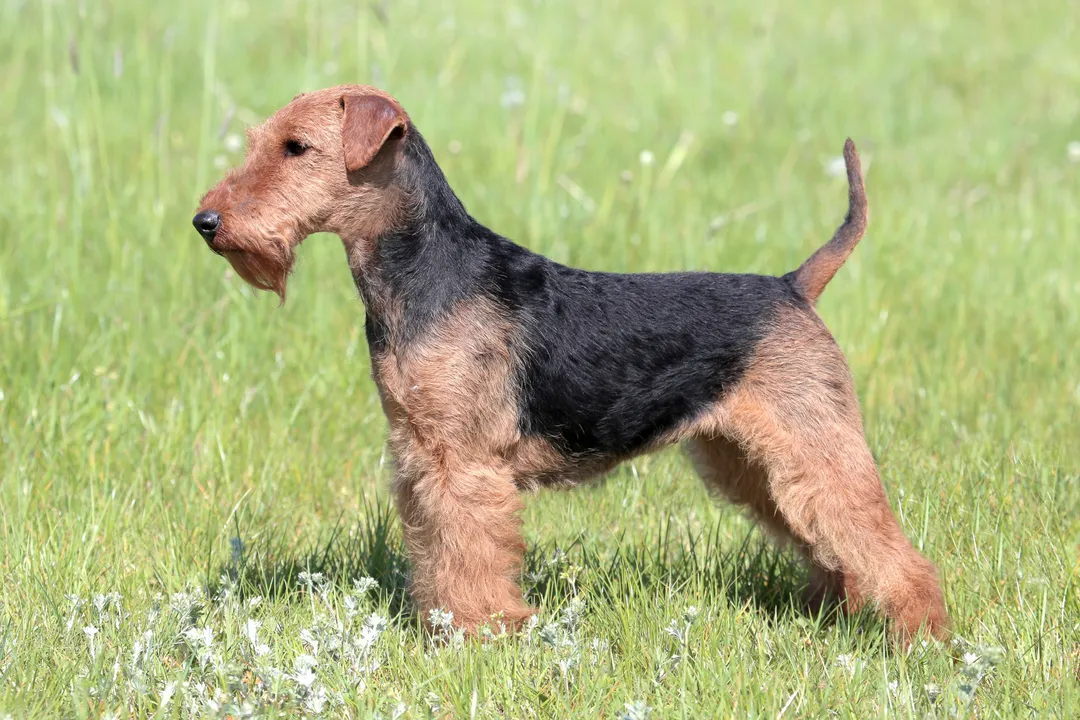
The placement of the Welsh Terrier within the biological hierarchy is a fascinating look at how we categorize life, starting from the broadest groupings down to the specific breed recognized by dog fanciers. Scientifically, the Welsh Terrier, or Daeargi Cymreig in Welsh, falls firmly under the domestic dog designation, Canis lupus familiaris. This simple binomial nomenclature immediately establishes its place alongside every other recognized dog breed.
# Kingdom to Species

To truly appreciate the scientific classification, one must trace the lineage upward. The Welsh Terrier belongs to the Kingdom Animalia, meaning it is a multicellular, eukaryotic organism that obtains nutrition by ingesting other organisms. Moving down the scale, it belongs to the Phylum Chordata, a large group characterized by having a notochord at some stage of their development.
The next step brings us to the Class Mammalia. This placement signifies the presence of key mammalian traits such as nursing their young with milk, possessing hair or fur, and being warm-blooded. Their place in the Order Carnivora is significant; while many modern domestic dogs enjoy a varied diet, this order reflects their evolutionary history rooted in meat-eating, a trait still evidenced by the Welsh Terrier’s historical role as a tenacious hunter.
The family classification is Canidae, grouping the Welsh Terrier with wolves, foxes, and jackals—all members of the dog family. This places them near other members of the dog family, whether wild or domestic. Finally, the Genus is Canis, which includes the wolf, coyote, and domestic dog. The species level is Canis lupus, and the subspecies is Canis lupus familiaris, confirming its status as a domesticated member of the wolf species. While some sources list the scientific name simply as Canis lupus, the inclusion of the familiaris subspecies specifically denotes the domesticated nature of the breed.
# Canine Taxonomy
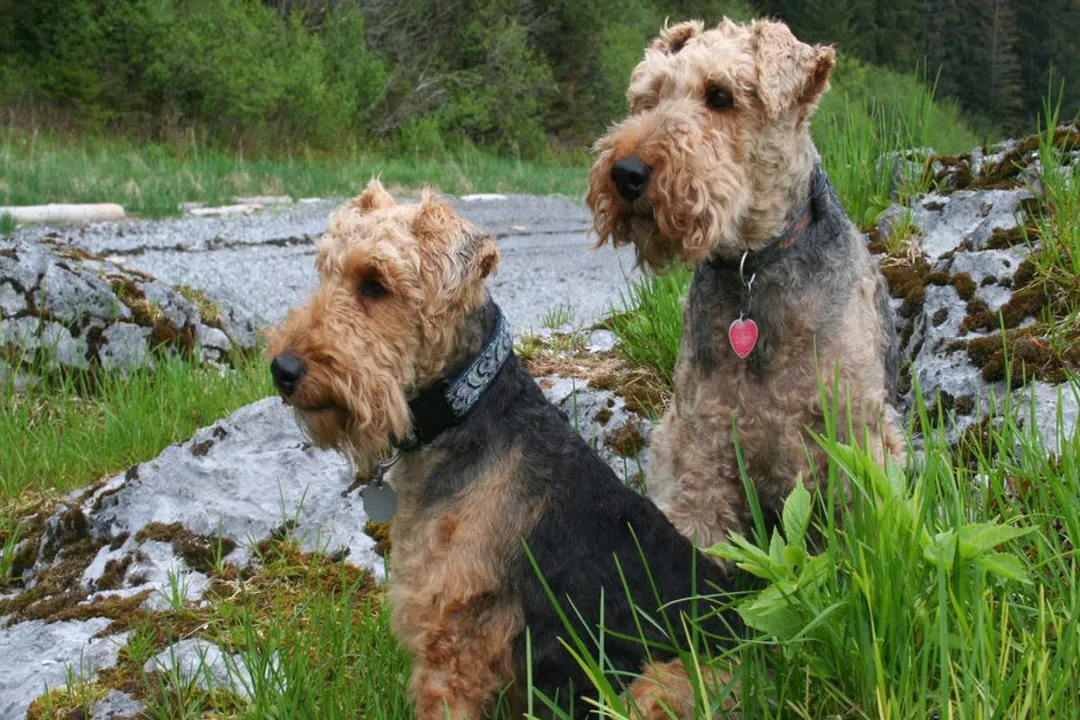
It is interesting to observe the subtle variations in how different authoritative sites present this formal hierarchy. Discover Animals explicitly details the subspecies level, Canis Lupus Familiaris, whereas A-Z Animals lists the scientific name as Canis lupus. For the general reader interested in the breed's structure, recognizing the Canidae Family and Carnivora Order connects the Welsh Terrier’s wiry, hard coat and need for vigorous exercise to its ancient, working ancestry—a true reflection of an animal whose biological structure was honed for survival and pest control in the rugged landscapes of Wales. A common thread running through all classifications is the firm placement within the established mammalian and carnivorous orders, which explains their indomitable terrier spirit.
For those keeping pedigree dogs, this formal classification underpins the breed-specific categories used by kennel clubs. The Welsh Terrier is universally recognized within the Terrier Group. For example, the American Kennel Club (AKC) places it in this group, which clusters breeds based on shared traits of function or heritage. Similarly, the Fédération Cynologique Internationale (FCI) places them in Group 3, Section 1. This shared categorization is not merely administrative; it reflects a shared evolutionary path, as the Welsh Terrier is thought to be a direct descendant of the now-extinct Old English Black and Tan Terrier, linking it to several present-day terriers.

# Contextualizing the Terrier Group
The working classification within the Terrier Group immediately informs an owner about the dog’s fundamental nature, which is a direct outcome of its biological history within Carnivora. The breed was developed to hunt fox, badger, and otter in the mountainous regions of Wales. This required them to be assertive, fearless, and able to work independently underground. This functional origin is why, even when bred primarily for showing in the last century, the breed retains that strength of character. While they are described as happy, lively, and seldom shy, their assertiveness means they will stand their ground when challenged.
A fascinating implication of this working heritage, tied directly to their Carnivora lineage, is the persistence of a strong prey drive. For an owner, this manifests not only in their historical purpose but also in current behavior—they love to dig and may chase small running animals. Understanding that this behavior stems from a classification rooted in independent hunting explains why training requires consistent reinforcement and why they are generally not recommended for homes with very young children or small non-canine pets unless extensive socialization occurs. It’s not poor disposition; it is biological programming designed for vermin control in the rugged valleys of Wales.
# Breed Comparison Within Taxonomy
Within the broader Canis genus, the Welsh Terrier shares a very close physical resemblance to the Airedale Terrier, often being described as a miniature version. Both breeds share ancestry with the Old English Black and Tan Terrier. However, at the breed level, differences in size are substantial. While the Welsh Terrier typically stands around 15 inches tall and weighs about 20 to 22 pounds, the Airedale, nicknamed the "King of Terriers," is considerably larger. This distinction in size, while not affecting their Canis lupus familiaris subspecies designation, is a key differentiating factor established through selective breeding within the same ancestral line, similar to how size variations exist across dog breeds that share a common ancestor but are separated by kennel club standards.
A practical application of understanding this lineage is in grooming. The Welsh Terrier possesses a dense, hard, wiry outer coat with a soft undercoat for insulation. This coat type is typical of many working terriers, evolved to protect them from harsh weather and abrasive tunnel walls. This contrasts with smooth-coated or long-haired breeds, reinforcing that the coat is a physical classification marker tied to their ancestral job. Furthermore, the fact that they do not shed much hair, requiring hand stripping or clipping instead, speaks to the specific nature of this broken coat texture. If an owner prefers minimal loose hair, this coat classification makes them attractive to allergy sufferers, despite no dog being truly non-shedding.
The sheer rarity of the breed today also provides context for its classification. The Welsh Terrier is on the UK Kennel Club’s list of breeds in danger of dying out, with only around 300 puppies registered annually, starkly contrasting with the tens of thousands registered for more popular breeds. While their place in the Animalia kingdom remains certain, their reduced numbers within the Canis genus highlight the importance of breed standards and clubs in preserving their specific traits—the balance of being "game, not quarrelsome" that was so vital for their original work. This demonstrates how human selection (through showing and pet ownership) influences the population dynamics of a species subspecies, even when the foundational biological classification remains unchanged.
Related Questions
#Citations
Welsh Terrier | Discover Animals
Welsh Terrier - Wikipedia
Welsh Terrier - Dogs - A-Z Animals
Welsh Terrier | Breed Standards - The Kennel Club
Welsh Terrier - Dog Breeds - American Kennel Club
Welsh Terrier: Dog Breed Characteristics & Care - The Spruce Pets
Welsh Terrier - Bengio
Welsh Terrier - Sayrebrook Veterinary Hospital
Unraveling the Heritage of the Welsh Terrier: Your Hardy and Loyal ...
Welsh Terrier Facts for Kids