The 640-meter depth recorded for Bathysphaera is near the boundary of which two ocean zones?
Answer
Mesopelagic and bathypelagic zones
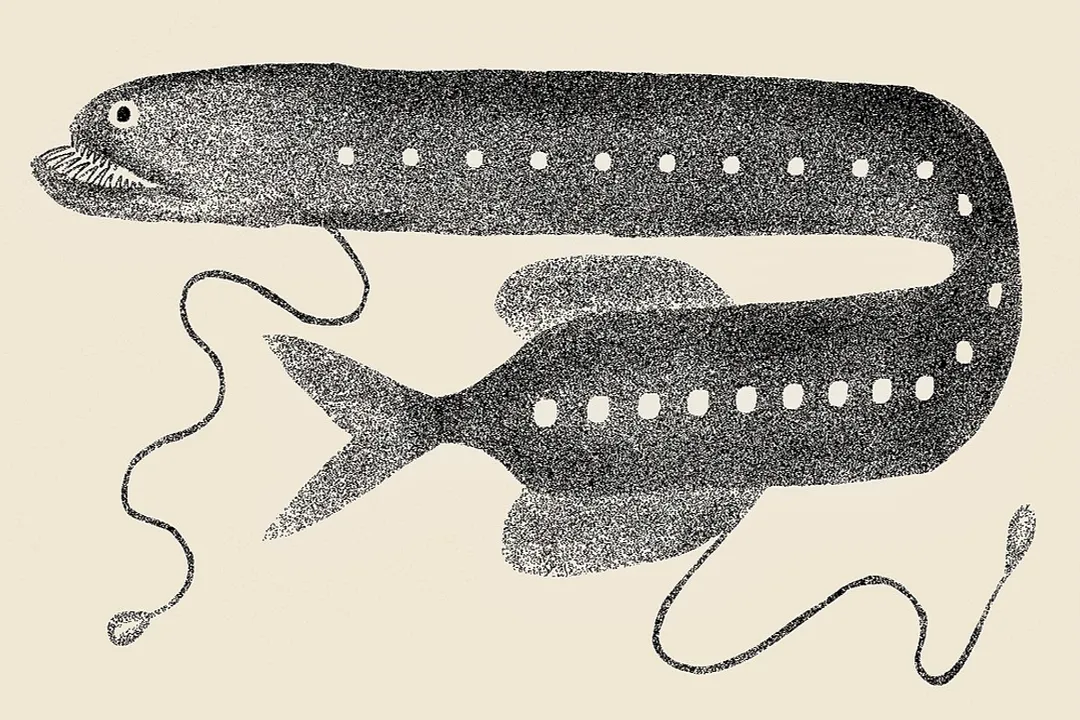
The depth reported for the 1932 observation of the *Bathysphaera*—640 meters—places the creature precisely at a significant ecological transition point in the ocean column. This depth sits at or very near the boundary separating the mesopelagic zone, also known as the twilight zone where some downwelling light still penetrates, and the bathypelagic zone, commonly called the midnight zone, which is characterized by absolute darkness. This transitional habitat suggests that if the sighting was accurate, the giant fish might employ different visual or bioluminescent strategies compared to creatures living exclusively in the deeper, lightless regions.
Related Questions
When was the Bathysphaera intacta Giant Dragonfish allegedly observed?What vessel was utilized during the 1932 observation of the Giant Dragonfish?What staggering depth was cited for the single observation of Bathysphaera intacta?What feature characterizes established deep-sea dragonfish like those in the Stomiidae family?How does the reputed size of Bathysphaera intacta compare to known Stomiidae measurements?What specific weight, associated with a trapping event and geoduck bait, is sometimes attributed to a Giant Dragon Fish?The 640-meter depth recorded for Bathysphaera is near the boundary of which two ocean zones?What type of evidence primarily supports the 1932 Bathysphaera sighting versus the 75kg specimen report?What crucial element is missing for the 1932 Bathysphaera sighting to gain formal taxonomic classification?Reaching 75 kilograms in the aphotic zone suggests what ecological strategy for the alleged Giant Dragon Fish?