How many babirusas are left in the world?
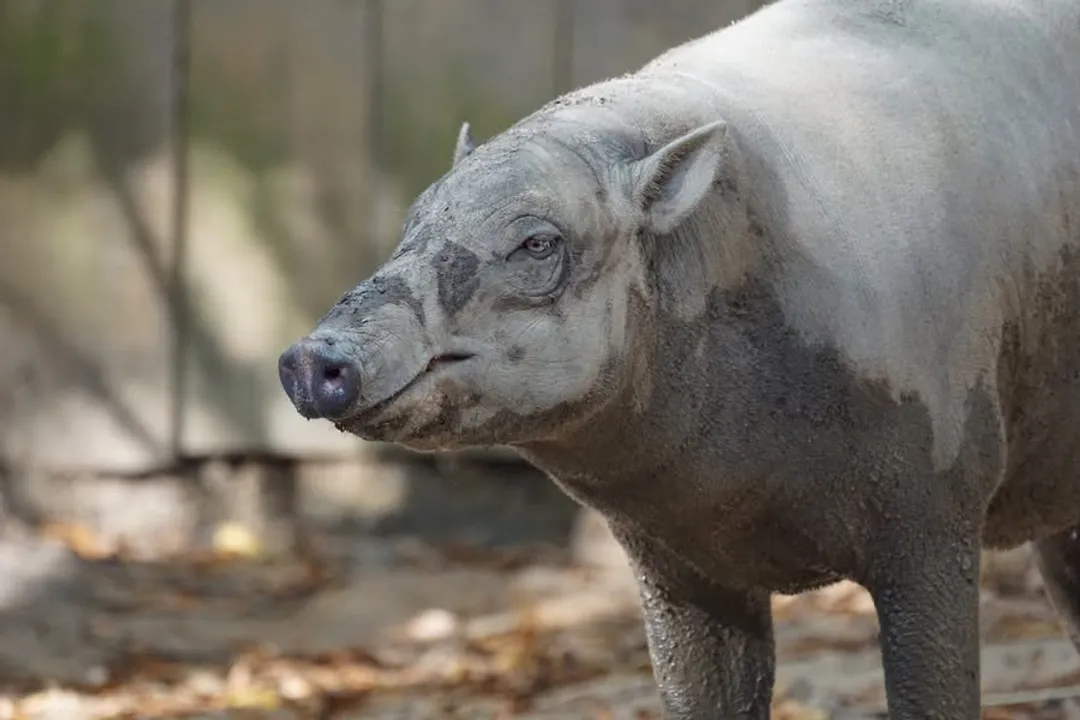
The elusive nature of the babirusa often leads people to wonder exactly how many of these unique creatures remain in the wild. While an exact, universally agreed-upon current census figure is not readily available across conservation databases or the general literature consulted here, the information available paints a clear picture: the babirusa is an endangered species, suggesting their numbers are critically low and under significant pressure. The very act of trying to tally them is complicated by their geographical isolation and the challenges of monitoring populations in their remote Indonesian habitats.
# Pig Deer Name
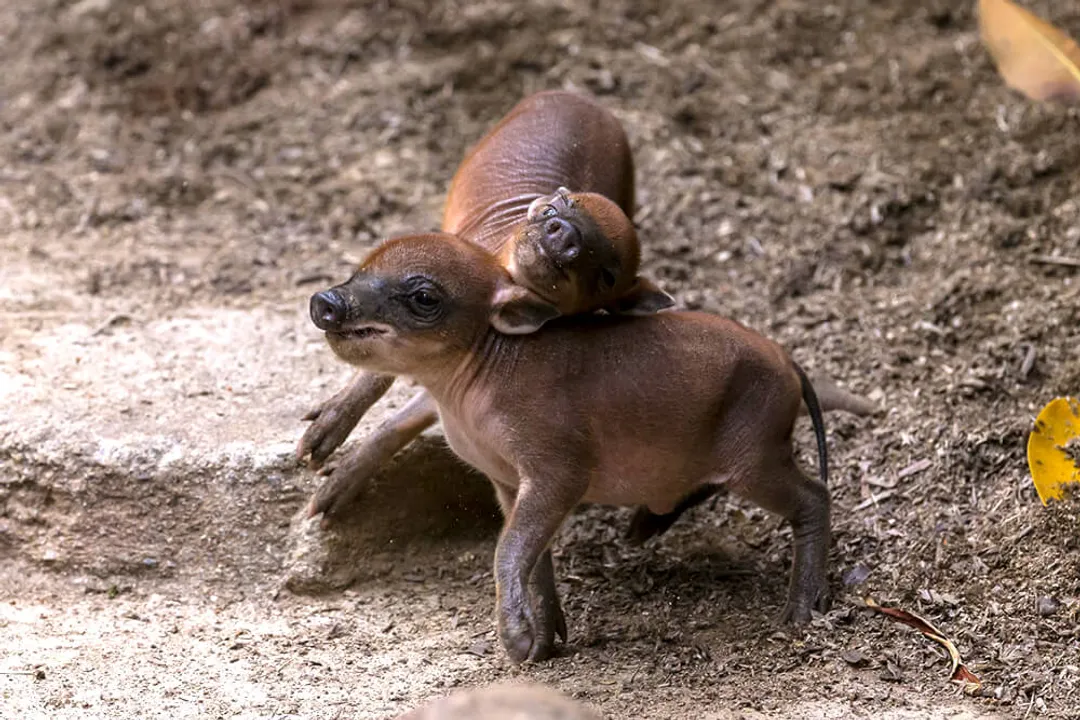
The very name associated with this animal hints at its unusual appearance, a characteristic that has been noted by observers for a long time. The term babi rusa originates from the Malaysian language, translating directly to mean "pig-deer". This descriptive moniker captures the animal’s strange blend of features, particularly when considering its tusks. In reality, the babirusa is a type of wild pig, though its impressive dental development sets it apart dramatically from its swine relatives.
# Island Endemism
One significant factor influencing both their biology and their population status is their highly restricted range. Babirusas are endemic to Indonesia. Specifically, they are found only on the island of Sulawesi and a few nearby islands, such as the Sula Islands. This island-specific distribution means that the fate of the babirusa is tied directly to the health of those specific island ecosystems. If habitat destruction or local pressures impact one island severely, the effect on the global babirusa population is magnified because there are no significant populations elsewhere to compensate.
There are four recognized species of babirusa, each typically occupying a distinct region:
| Species | Primary Location | Conservation Status Implied |
|---|---|---|
| North Sulawesi Babirusa | Sulawesi Island | Endangered |
| Malayan Babirusa | Togian and Sula Islands | Endangered |
| Togean Babirusa | Togian Islands | Endangered |
| Eastern Babirusa | Buru Island | Endangered |
This species separation illustrates a broader ecological point: population assessment cannot be generalized. To know the total number, conservationists must successfully survey four distinct, geographically separated groups, each potentially facing unique local challenges. The fragmentation inherent in this distribution makes conservation management far more complex than for a species spread across a vast continental range.
# Tusk Anatomy
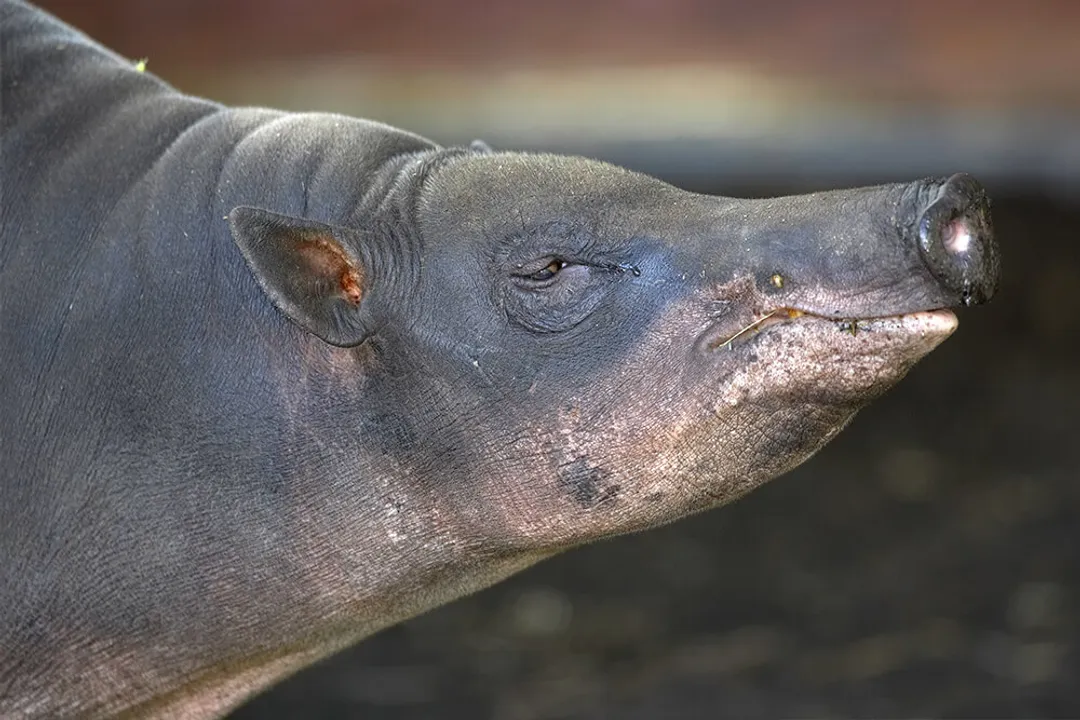
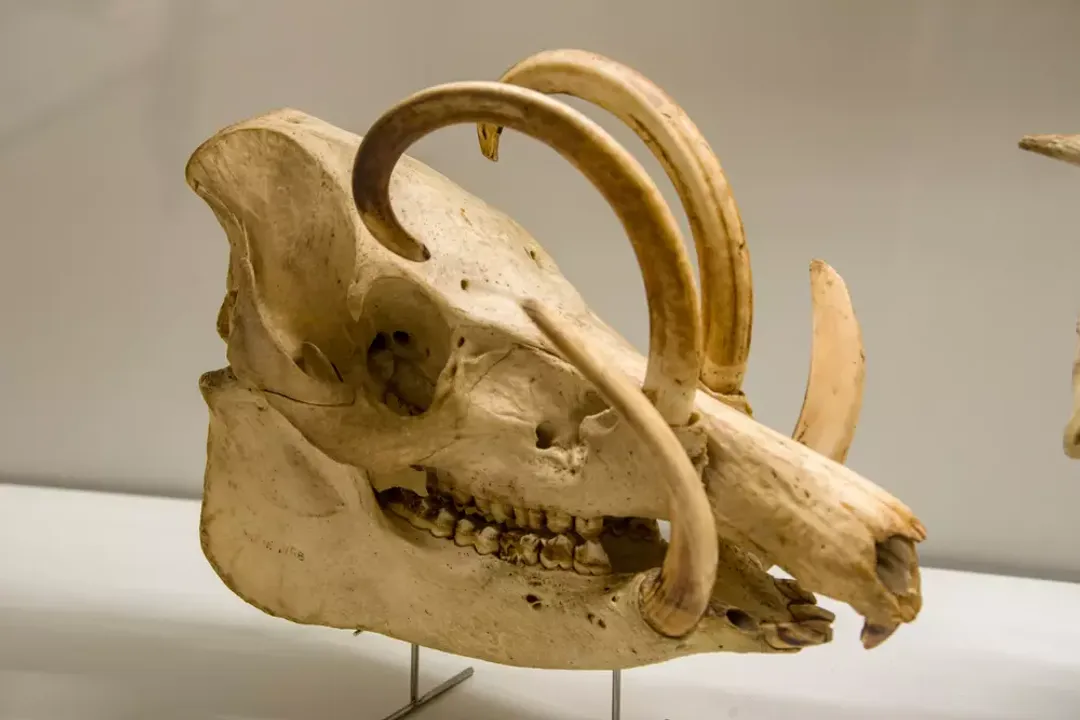
The most visually striking feature of the babirusa, and perhaps the source of some of its mystique, is its tusks. The males possess four impressive tusks that grow upward, often curving back toward the skull. These are sometimes referred to as "antler teeth". The upper pair of tusks erupts through the snout, while the lower pair grows upwards from the lower jaw, piercing the mouth. It is worth noting that the tusks are modified canine teeth. Unlike the tusks of some other animals, babirusa tusks are not primarily used for defense against predators, though they serve a purpose in male-male competition. Instead, the male’s tusks can become so long and curved that they sometimes grow back into the animal’s own head, requiring them to rub them down against trees or rocks. Females usually only have short, straight tusks, or none at all.
# Threats Known
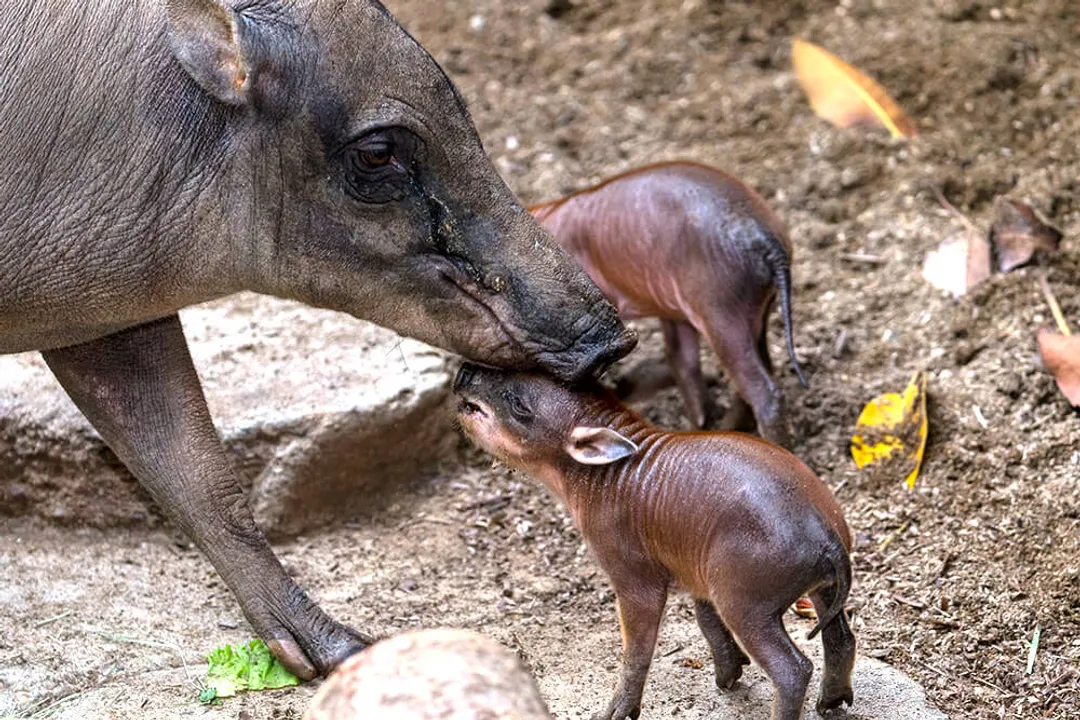
The primary reason for the alarming conservation status of the babirusa stems from human activities within its limited habitat. The wild pig faces severe threats from habitat loss and hunting. As human populations expand and develop land for agriculture or other uses, the native forests upon which the babirusa depends shrink. Furthermore, the babirusa is hunted for its meat. Because they are endemic to relatively small areas, the cumulative effect of these pressures means the overall population trend is declining. Zoos and conservation centers around the world maintain populations, such as those at the San Diego Zoo and the London Zoo, often as part of captive breeding programs designed to safeguard the species against extinction in the wild.
While a precise global headcount remains elusive, the reality is that the species is classified as Endangered. This classification suggests that without dedicated, effective intervention across all its island strongholds—managing habitat encroachment and reducing illegal hunting—the wild population is at high risk of disappearing entirely. It highlights that conservation efforts must be highly localized to be effective, focusing on protecting critical tracts of forest on Sulawesi and its surrounding islands. The concern is less about a large, scattered population facing a general decline, and more about several small, isolated populations facing immediate, localized collapse.
Related Questions
#Citations
Meet the Babirusa, a Wild Pig with Massive Teeth | World Wildlife Fund
Babirusa - Wikipedia
Babirusa: The prehistoric 'deer' pigs with huge antler teeth
Babirusa | San Diego Zoo Animals & Plants
Meet the Babirusa! The term babi-rusa is Malaysian for pig-deer ...
Meet The Babirusa: Audubon Zoo - New Orleans, LA
Babirusa | London Zoo
How Many Species Of Babirusa Are There? - World Atlas
Babirusa | Saint Louis Zoo