What is the deadliest insect in the world?
The title of the world's deadliest insect belongs not to the creature with the most potent venom or the largest jaws, but to one that is small, ubiquitous, and often dismissed as a mere annoyance: the mosquito. [1][4][8] When assessing true lethality, the scale tips dramatically away from direct physical harm—like a painful sting—and overwhelmingly toward indirect death through the transmission of devastating pathogens. [2][4][7] An insect’s capacity to spread disease, often on a massive, global scale, far surpasses the danger posed by even the most aggressive swarms or the most excruciating venomous strikes. [4][7]
While a sting from a Bullet Ant or an Asian Giant Hornet can bring unimaginable pain, and an allergic reaction to a bee sting can be fatal, these incidents are statistically dwarfed by the yearly global toll exacted by these tiny fliers. [1][8] The distinction between an insect that kills itself (through venom) and one that kills by proxy (through disease) frames the entire discussion of insect lethality. [10]
# Vector Supremacy
The undisputed champion of insect-related human fatalities is the mosquito. [2][8] These creatures are responsible for more human deaths annually than any other animal on the planet. [8] The sheer numbers associated with mosquito-borne illnesses place them in a league of their own, overshadowing all other insect threats combined. [2][7]
The female mosquito, needing blood to develop her eggs, acts as a perfect syringe, passing along complex pathogens with every feed. [4][8] The most infamous of these diseases is malaria, a parasitic infection transmitted primarily by the Anopheles genus. [4][8] Estimates suggest malaria alone accounts for hundreds of thousands of deaths each year, with figures near 619,000 lives lost in 2021. [4][8] For many regions, this translates into staggering child mortality rates. [7]
However, the danger is not limited to malaria. Mosquitoes are vectors for a host of other debilitating or fatal viral diseases, including dengue fever, Zika virus, West Nile virus, and yellow fever. [1][7][8] Dengue, for instance, can progress to severe hemorrhagic disease and shock. [7] Furthermore, some mosquitoes can spread tiny roundworms that infect the lymphatic system, causing elephantiasis through massive limb swelling. [10]
The mechanisms of death reveal a fundamental difference in threats. A hornet kills using its own evolved toxins; the mosquito kills by efficiently transporting an external, microscopic killer that exploits human biological systems. [4][7][10] This reliance on an external pathogen means that combating the mosquito threat is intrinsically tied to global public health infrastructure, clean water initiatives, and vaccination efforts, alongside direct pest control. [7] Climate change is making this issue more complex, as warming habitats allow invasive species, like the Aedes aegypti (yellow fever mosquito) and Aedes albopictus (Asian tiger mosquito), to expand their range northward in North America at rates up to 150 miles per year. [7] These aggressive daytime biters exploit minimal water sources, making them exceptionally hard to contain in urban environments. [7]
# Other Disease Carriers
While mosquitoes claim the top spot, several other insects serve as critical disease vectors, earning them places high on the lethality rankings. [1][4][7]
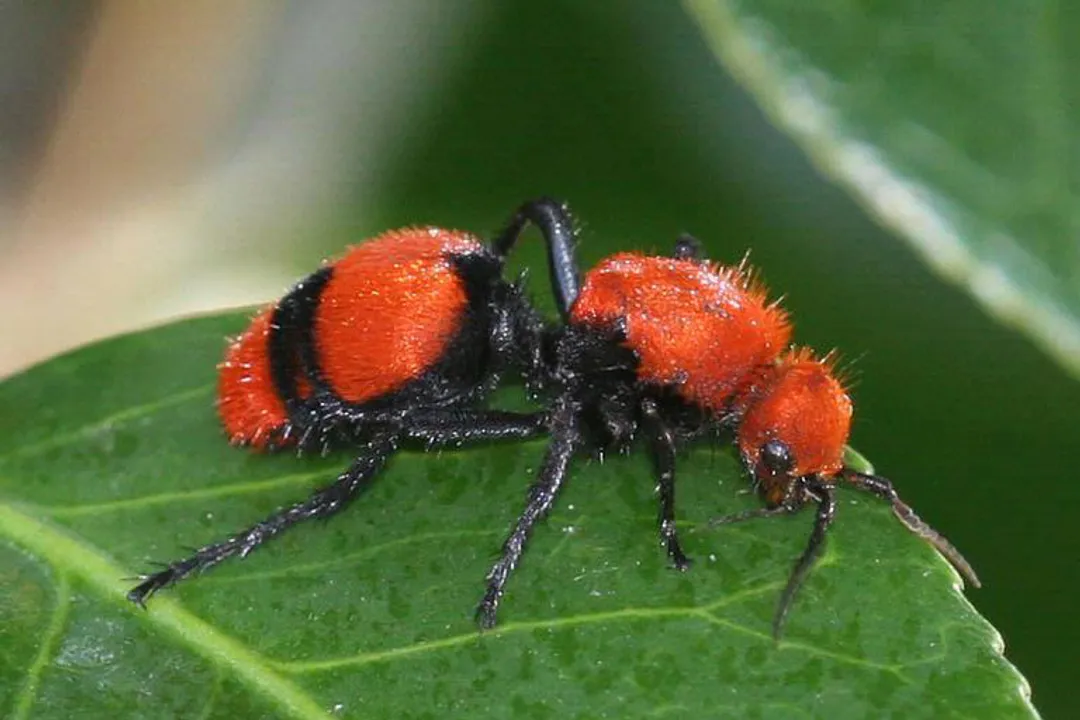
The Tsetse fly, native to tropical Africa, spreads African sleeping sickness (trypanosomiasis). [1][4] This parasitic disease attacks the central nervous system, and without treatment, it is nearly 100 percent fatal. [8] Although mitigation efforts have drastically reduced the case numbers, historically, it was responsible for up to half a million deaths annually. [4][8]
Another significant danger comes from the Assassin bug, often called the Kissing bug due to its habit of biting near the face or eyes while a person sleeps. [1][4][10] The danger isn't the bite itself but the parasite, Trypanosoma cruzi, found in its feces, which is rubbed into the wound while scratching. [4][10] This transmits Chagas disease, which can lead to potentially fatal heart and neurological conditions 10 to 30 years after infection. [4][8] This disease kills an estimated 7,000 people annually across the Americas. [10]
Fleas also belong in this category due to their historical impact. [1][4] Their role in transmitting the bacteria causing the bubonic plague—the Black Death—wiped out over 25 million people in 14th-century Europe. [4][8] While modern antibiotics render the plague manageable today, fleas remain carriers for other serious conditions, such as typhus. [10] Even the common Housefly is a public health threat, capable of spreading pathogens like typhoid fever and cholera simply by landing on food. [1]
# Venomous Killers
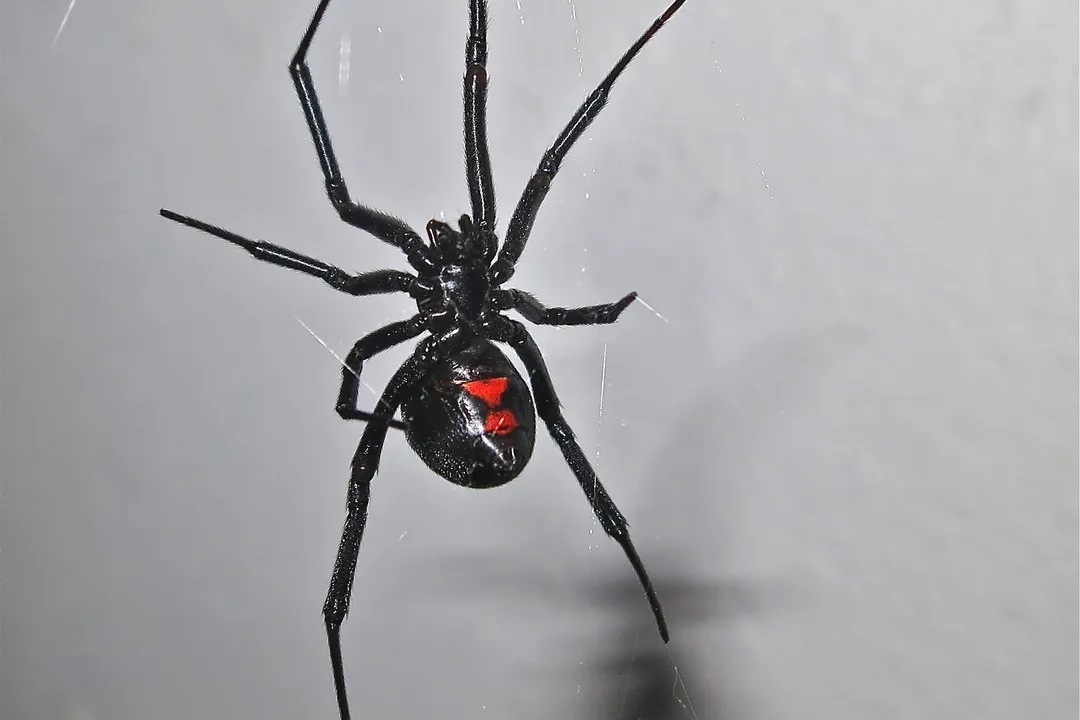
Shifting from indirect death to direct attack, the insect world hosts several species whose primary threat is their own venom or their sheer aggressive numbers. [1][3]
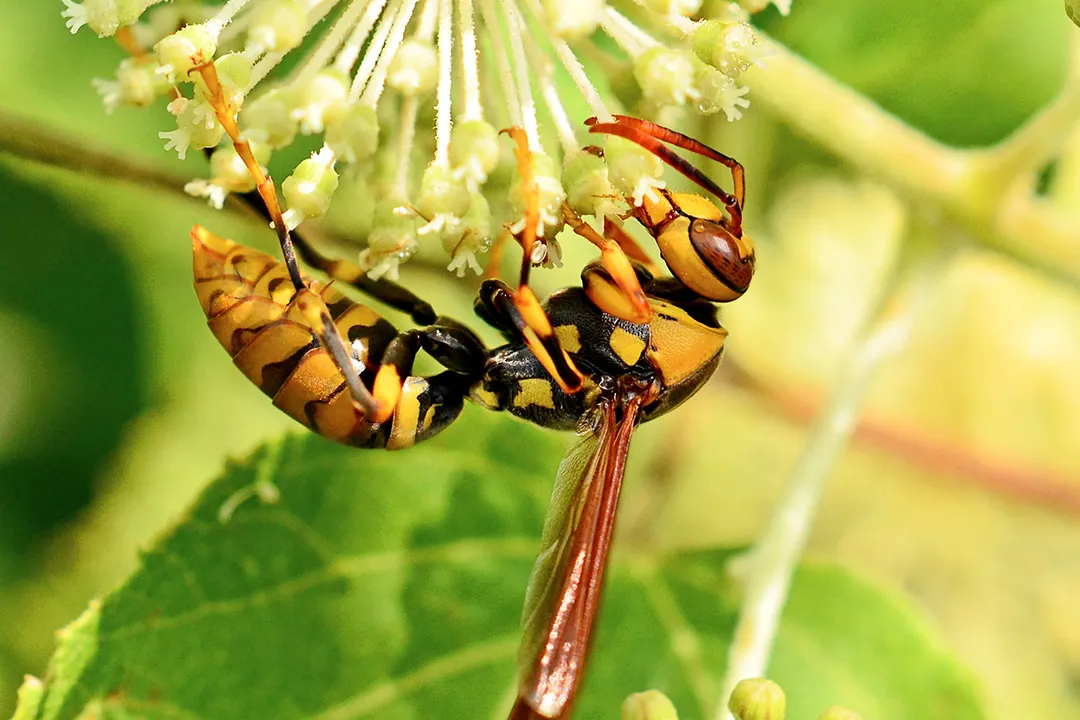
The Asian Giant Hornet (Vespa mandarinia), sometimes infamously dubbed the "murder hornet," is the world's largest hornet species. [1][4] Its large stinger injects a potent venom containing cytotoxins and neurotoxins. [4][10] In sufficient doses, this venom, which can destroy red blood cells and cause tissue damage, can lead to kidney failure and death, even for those not allergic. [1][4] In some parts of Japan, they reportedly cause dozens of fatalities yearly. [10]
On the pain scale, few can compete with the Bullet Ant (Paraponera clavata). [1][10] Its sting is legendary, often described as feeling like being shot, or, according to entomologist Justin Schmidt, "walking over flaming charcoal with a three-inch rusty nail in your heel". [4][10] The pain can last for up to 24 hours. [4][10] While usually not fatal, the extreme agony has been put to use in the Satere-Mawe tribe's warrior initiation rites, where initiates wear gloves filled with these ants. [4][10]
For a wider population risk based on sheer numbers, Fire Ants (Solenopsis genus) are noteworthy. [1][4] They attack in swarms, and while most people experience only painful pustules, their venom can trigger anaphylactic shock, which is lethal. [4][10] In extreme cases, their aggressive colony defense—like forming watertight rafts during floods—can overwhelm small animals. [3] A related danger comes from Africanized Honey Bees, or "killer bees," which are not more venomous individually but recruit the entire colony, leading to hundreds of stings in a single encounter. [1][4][10]
# Parasites and Famine
Beyond bites and stings, some insects cause death through infestation or through devastation of the food supply. [4][10]
Botflies are parasitic insects that lay eggs beneath the skin of mammals, including humans. [1][10] The hatched larvae burrow into the host, creating painful sores. While not typically fatal, they can lead to severe, untreated infections. [1] Even more gruesome is the Screwfly (Cochliomyia hominivorax), whose larvae are known to burrow into open wounds or even the orifices of warm-blooded animals, literally eating flesh until the host dies from infection or organ damage. [10] Documented human cases exist where the larvae burrowed into the ear canal, causing significant distress. [10]
In a different vector entirely, Locusts are a biblical threat capable of causing widespread famine. [4][10] While a single grasshopper is harmless, their swarming phase can involve millions of insects rapidly consuming entire fields of crops. The resulting crop devastation can lead to mass starvation and subsequent human fatalities in vulnerable regions. [4][10]

# Toxic Venom Contrast
It is important to differentiate between the insects that deliver the most painful venom and those that carry the most toxic venom, as measured by scientific standards like the LD50 value in animal models. [2][9] Experts suggest that the Harvester Ant (Pogonomyrmex genus) possesses the most toxic venom of any insect based on these metrics. [2][10] However, because an individual harvester ant yields such a small amount of venom, there are generally no recorded direct fatalities unless the victim suffers a severe allergic reaction, unlike the high death tolls associated with the mosquito or even the Tsetse fly. [2][8]
This highlights a critical point: while the toxicity of a compound is a fascinating metric, delivery—how often the insect bites, how many bite at once, and what else they carry—determines real-world human lethality. [2][10] The sheer volume of venom delivered by multiple Asian Giant Hornets in one coordinated attack can exceed that of many other venomous animals. [3]
# Defense Strategies
Understanding the difference between these threat types allows for more nuanced protective measures. When dealing with venomous insects like hornets or aggressive bees, the immediate defense is avoiding confrontation, particularly around nests, and knowing the signs of anaphylaxis. [3][8] For allergic individuals, carrying an epinephrine auto-injector is a non-negotiable safety measure, as the rapid systemic reaction is the true killer, not the venom dose itself. [3][8]
For the disease carriers, the strategy pivots to environmental control. This is where informed action must look past only the obvious breeding grounds. While large-scale efforts target swamps for Anopheles control, the successful adaptation of invasive daytime biters like Aedes aegypti means that household vigilance is essential. [7] If local public health warnings indicate an advancing population of these invasive species, it is wise to perform a thorough, weekly audit of domestic standing water. This involves clearing clogged rain gutters, emptying bird bath water, and flipping over any container that can hold even a bottle cap's worth of water, as these tiny reservoirs are ideal for the resilient eggs of these modern disease threats. [7] Such localized, proactive reduction of breeding sites forms a strong community defense against the world's deadliest creature.
#Videos
The Deadliest Insects (Tier List) - YouTube
The World's Most VENOMOUS Insect Isn't From Australia - YouTube
Related Questions
#Citations
10 deadliest insects on the planet: Discover the world's most ...
7 venomous or poisonous insects and spiders you never want to ...
Which insect do you think would be the most dangerous if it ... - Reddit
The 12 Deadliest Insects in the World | Field & Stream
What are the most lethal insects for humans? - Quora
The Deadliest Insects (Tier List) - YouTube
Deadliest insects in the world: Why mosquitoes top the list
The Most Dangerous Insect (and 13 Others to Avoid) | HowStuffWorks
10 of the Most Dangerous Insects - Planet Deadly