Where are locusts in the world?
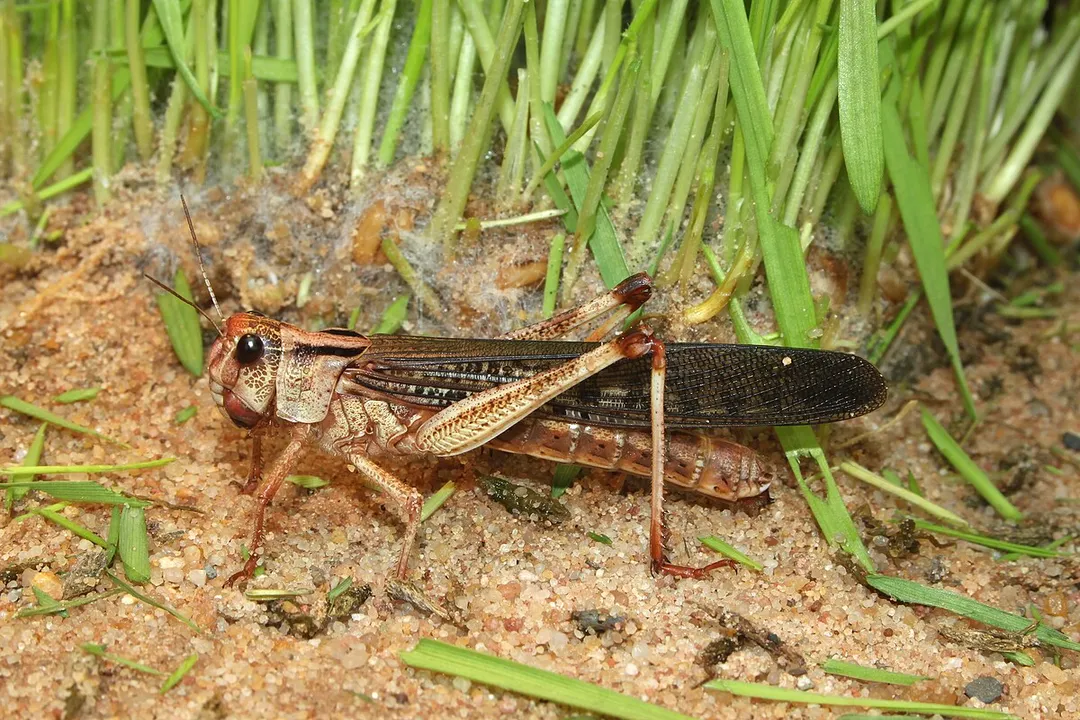
The term "locust" applies to certain species of short-horned grasshoppers that have the ability to change their behavior and physiology in response to environmental conditions, leading to the formation of gregarious, highly mobile swarms. [1] While grasshoppers are found across the globe, the location of the most devastating swarms is concentrated in specific arid and semi-arid regions where these phase transitions are easily triggered. [5] Understanding where locusts are found requires distinguishing between the permanent habitats of solitary populations and the areas that regularly experience massive outbreaks.
# Global Presence
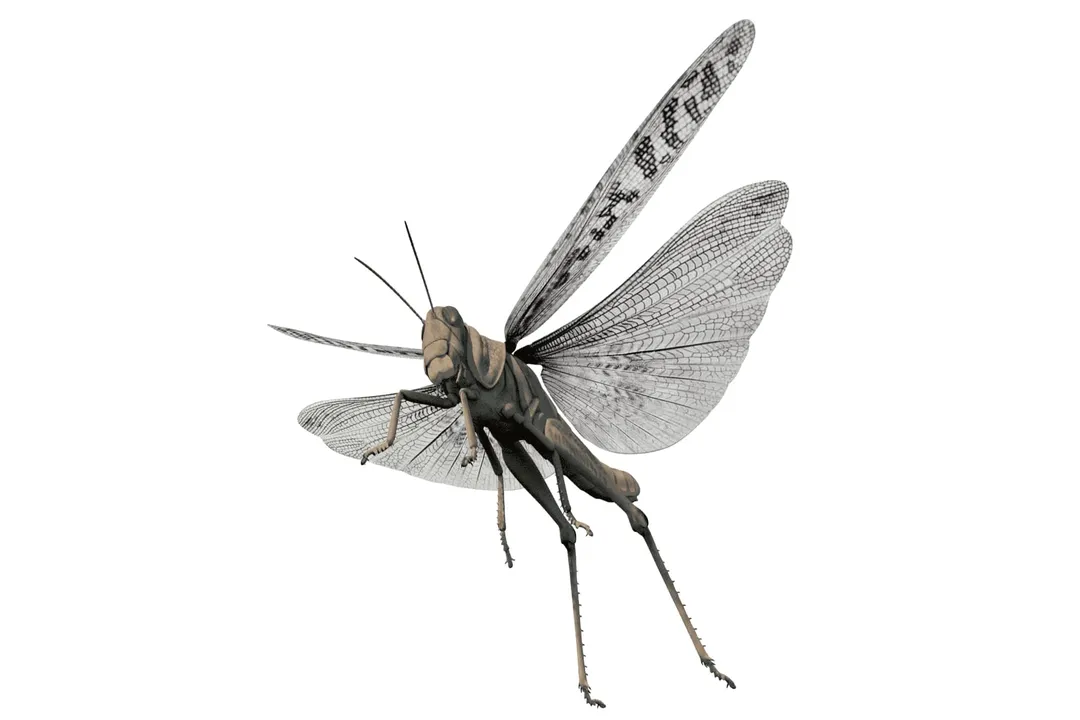
Locusts, scientifically belonging to the Acridoidea superfamily, are present in nearly all terrestrial habitats where vegetation can support them, meaning they exist on every continent except Antarctica. [1] This sheer ubiquity reflects the success of grasshoppers as an insect order. However, when people discuss locusts in the context of agricultural threat, they are almost exclusively referring to a handful of species capable of forming gregarious swarms. [1] The species responsible for the largest and most destructive plagues historically belong to the Old World, specifically North Africa, the Middle East, and Asia, although the African continent remains a major center of concern. [3][5]
The distinction between a 'grasshopper' and a 'locust' is purely behavioral and morphological, not taxonomic in the strict sense. [1] A solitary grasshopper can transform into a gregarious locust when populations become dense enough due to favorable conditions, such as successive wet seasons allowing for multiple generations to mature. [2] This shift involves changes in color, body structure, and behavior, leading the insects to aggregate into bands of nymphs or flying swarms of adults. [1] Therefore, the location of locusts is effectively the location of high-density grasshopper populations that have undergone this transition.
# Desert Range Zones
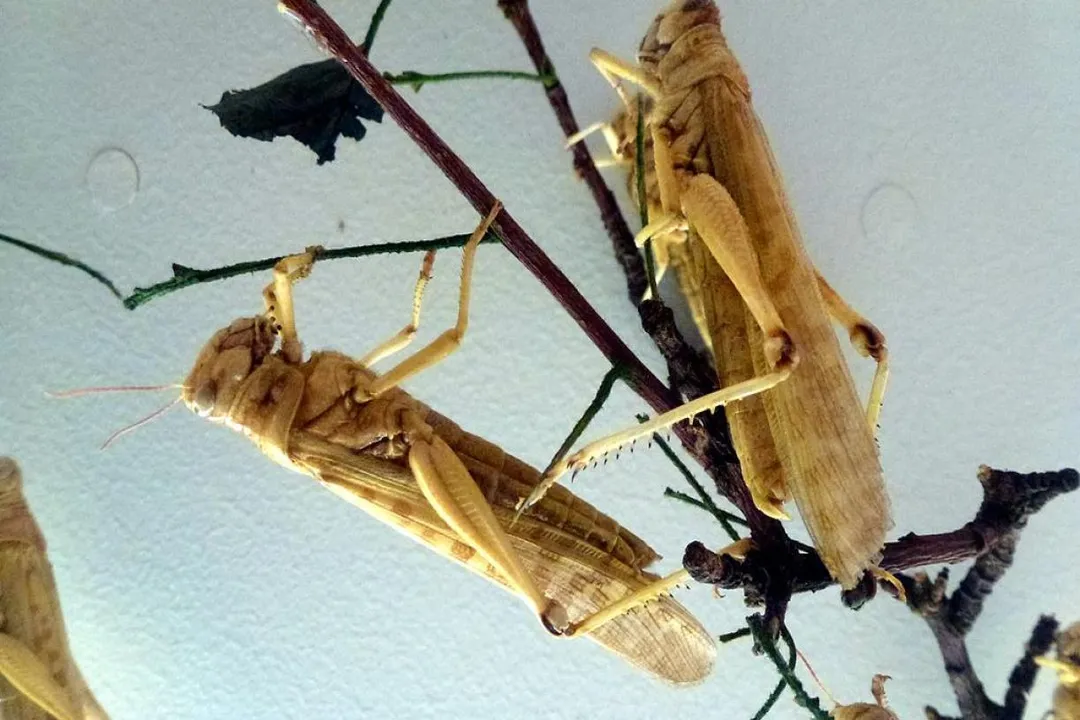
The most notorious and widely reported locust is the Desert Locust (Schistocerca gregaria). [5] This species is a significant threat because its distribution covers a vast area prone to both rainfall variability and significant subsistence agriculture. [3] The recognized outbreak area for the Desert Locust stretches across approximately 65 countries, spanning from West Africa to South Asia. [5] This zone is frequently cited in reports concerning plague severity. [5]
The distribution area, often termed the "Region," is generally considered to encompass the arid and semi-arid lands bordering the Sahara Desert, extending eastward through the Middle East and into the Indian subcontinent. [1][6] More specifically, this area includes:
- Africa: Countries bordering or near the Sahara, including nations in the Sahel region. The FAO identifies the primary breeding grounds extending from Mauritania, Mali, Niger, Chad, Sudan, and Eritrea, often extending south into Ethiopia and Somalia. [5]
- The Middle East: Countries like Saudi Arabia, Yemen, Oman, and parts of Iran. [5]
- Asia: Areas of Pakistan and India. [5]
This vast geographical area is where the conditions—dry soil for laying eggs followed by subsequent rain and vegetation growth—are most frequently met for cyclic outbreaks. [2] A key point for analysis here is that while the swarm can move vast distances, the initial breeding and subsequent major swarm production are tethered to these specific desert-fringe environments where localized heavy rains create ephemeral patches of food necessary for population build-up. [2] If you overlay a map of agricultural dependency with this ecological zone, the resulting intersection clearly highlights areas facing repeated disaster risk.
# African Hotspots
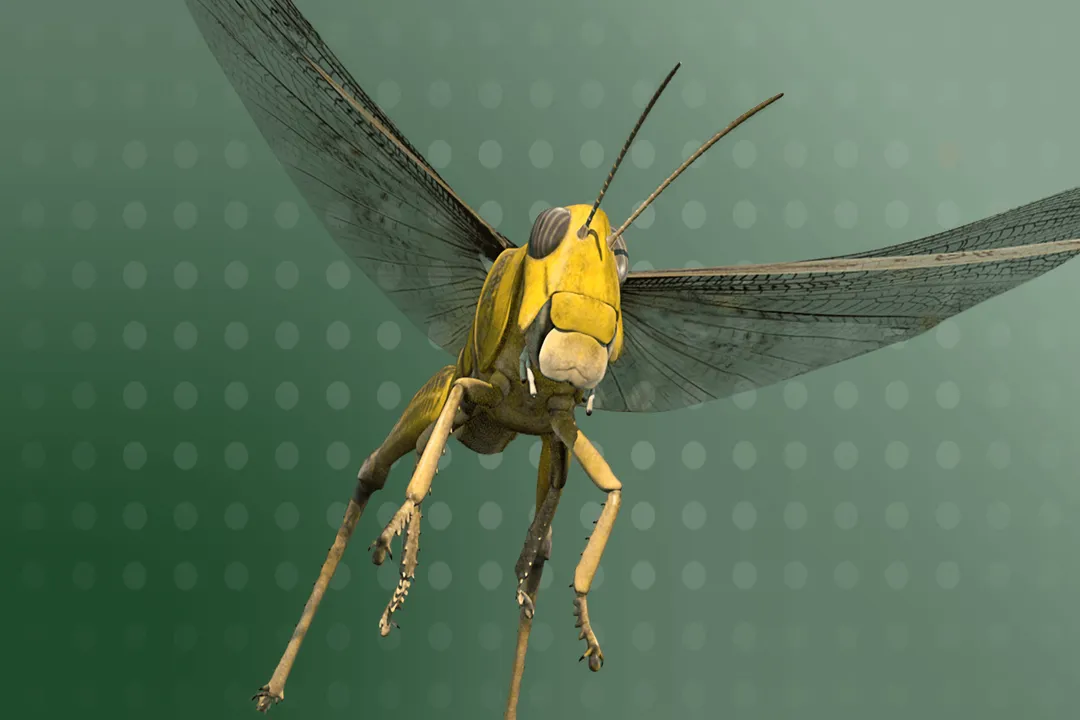
Within the broader Desert Locust distribution, East Africa and the Horn of Africa have been focal points for devastating recent outbreaks, such as those witnessed around 2019 and 2020. [4][8] Countries in this sub-region often face a "crisis within a crisis," where a locust infestation compounds existing food insecurity issues. [8] Vulnerability analyses frequently point to countries like Kenya, Ethiopia, Somalia, Uganda, and South Sudan as being highly susceptible to the destructive power of these swarms due to their dependence on rain-fed agriculture and existing fragility. [3]
The ability of the Desert Locust to persist in a latent, solitary state in remote desert areas—often referred to as recession areas—is crucial. [5] When conditions shift, these recession areas are where the initial increase in numbers begins. For instance, following significant seasonal rains in the Arabian Peninsula or the Horn of Africa, vast areas that were previously barren can temporarily support the necessary multiplication of the insect population. [2][5] This highlights that the location of the threat is dynamic, driven by weather patterns rather than fixed political boundaries.
# Asia Vulnerability
The eastern edge of the Desert Locust’s range pulls in South Asian nations. India and Pakistan are well-known for experiencing significant invasions, particularly along their border regions. [5][6] In India, the locust monitoring organization focuses heavily on the arid zones in the western states like Rajasthan, which historically serve as major overwintering and initial breeding grounds during favorable seasons. [6] While the Desert Locust is the primary concern, other species, such as the Red Locust (Nomadacris septemfasciata) and the Brown Locust (Locusta migratoria migratorioides), are significant in parts of Africa, though generally on a smaller geographical or less frequent scale than the Desert Locust plague cycle. [1]
For example, the Brown Locust, while still capable of forming swarms, is generally restricted to southern Africa, notably around countries like South Africa. [1] This geographical restriction means that pest management strategies employed in the Horn of Africa may need adaptation or replacement when dealing with outbreaks in Southern Africa, even though both fall under the general "locust" umbrella. [1]
# Other Species Locations
While S. gregaria dominates the global headlines, other locust species maintain their distribution in different ecological niches. The Migratory Locust (Locusta migratoria), perhaps the most widespread locust species globally, has numerous subspecies distributed across vast areas of Europe, Asia, and Australia. [1] Its general habitat preference often leans towards more temperate or semi-arid grasslands compared to the harsh desert fringe favored by S. gregaria. [1]
In Australia, the Plague Locust (Chortoicetes terminifera) is the main species of concern. Its distribution is centered in the drier interior regions of the continent, though swarms can move outwards impacting agricultural lands. [1] Recognizing these distinct species and their usual ranges is key; treating an Australian outbreak with the same ecological assumptions used for a Sahelian outbreak, for instance, would be a fundamental error in management. [5] The species dictates the likely breeding season, preferred vegetation, and the scale of potential migration.
# Outbreak Origin Points
The question of where swarms originate is closely tied to where the solitary populations congregate. Swarms don't materialize out of thin air; they are the culmination of favorable weather events in specific, often remote, breeding zones. [2] For the Desert Locust, these areas are the major recession/recession zones: the deserts of the Arabian Peninsula, the Horn of Africa, and the Sahel. [5]
When analyzing recent large-scale events, the pattern often involves unusual cyclone activity or extended periods of heavy, unseasonal rain. For instance, a series of cyclones hitting the Arabian Peninsula and moving moisture into the Horn of Africa can create an abundance of vegetation where solitary locusts can breed unchecked for several successive generations. [2] The initial swarms might appear small in Yemen or Ethiopia, but they rapidly multiply and move, often crossing vast distances into Somalia, Kenya, or further east into Pakistan. [4][8] This suggests that monitoring remote, arid areas immediately following significant, unexpected rainfall events is the most predictive activity for determining where the next major swarm will appear. [2]
| Species Name | Primary Geographic Focus | Typical Habitat/Zone | Threat Level |
|---|---|---|---|
| Schistocerca gregaria (Desert Locust) | Africa, Middle East, South Asia | Arid and semi-arid desert fringes | Highest (Plague potential) |
| Locusta migratoria (Migratory Locust) | Europe, Asia, Australia | Temperate grasslands, semi-arid zones | Moderate to High (Subspecies dependent) |
| Chortoicetes terminifera (Plague Locust) | Australia | Drier interior regions | Regional (Australia specific) |
| Nomadacris septemfasciata (Red Locust) | Southern/Eastern Africa | Grasslands, often wetter areas | Significant (Regional outbreaks) |
| Locusta migratoria migratorioides (Brown Locust) | Southern Africa | Semi-arid grasslands | Significant (Regional outbreaks) |
This table illustrates that while the overall world map shows grasshoppers everywhere, the locust threat is geographically compartmentalized by species, with the Desert Locust having the widest and most severe plague distribution. [1][5]
# Factors Determining Vulnerability
It is not enough to know where locusts can live; we must identify where they cause the most damage. Vulnerability is a function of ecological suitability (the presence of the locust) intersected with socio-economic factors (the ability of the human population to cope). [3] The World Resources Institute highlights that vulnerability is highest where climatic conditions are ideal for locust reproduction and where communities have limited resources to deal with the resulting crop loss. [3]
Countries in the Horn of Africa, such as Kenya, Ethiopia, and Somalia, rank extremely high on vulnerability indices, not just because they are in the locust zone, but because a massive loss of staple crops can translate directly into famine conditions for millions. [3][8] This contrasts with more developed nations within the Desert Locust range, like parts of Saudi Arabia, which might suffer significant economic losses but possess the infrastructure and financial capacity to rapidly deploy chemical controls or offer aid. [4]
When comparing regions, one can observe a pattern: areas that experience prolonged dry spells followed by a massive, sudden influx of rain (creating the perfect sporadic habitat) are more vulnerable than areas that maintain a consistently dry, stable environment. The stable, very dry desert is the recession area, but the transition zone—the semi-arid belt bordering the true desert—is the outbreak area. [2][5]
# Global Monitoring Networks
Because locusts respect no national borders, their management requires international cooperation, concentrating efforts where the pests breed before they form devastating swarms. [5] Organizations like the Food and Agriculture Organization (FAO) of the United Nations maintain global monitoring systems precisely because of the transboundary nature of the threat. [5] These efforts track weather patterns, survey historical breeding grounds, and coordinate responses across the affected countries spanning from West Africa to India. [5]
If one were tasked with tracking the current threat level, the focus would not be on looking for swarms over major cities, but rather on satellite imagery detecting recent heavy rains in the recession zones of the Arabian Peninsula or the Sahel. [2] The experience of locust control teams often shows that by the time a swarm is visible and migrating over heavily populated agricultural areas, control efforts are often too late to prevent significant localized damage; the real work must happen in the preceding months, tracking the solitary population build-up in those remote breeding grounds. [5] This proactive, ecologically informed approach, focused on the remote breeding areas before the gregarious phase, is the most effective response, even if it means looking at regions often neglected during normal times. [2] The challenge remains getting sufficient resources like aircraft and pesticide into these often hard-to-reach, fragile border areas before the next wave takes flight.
#Videos
The pandemic threatens the people of East Africa -- and now locusts ...
Related Questions
#Citations
Locust - Wikipedia
Where do locust swarms come from, and why do they only seem to ...
Which Countries Are Most Vulnerable to Locust Swarms?
Locusts: A close-up look at the swarms devouring the world's crops
The Desert Locust in Africa and Western Asia: Complexities of War ...
Where are locusts most commonly found? - Quora
The pandemic threatens the people of East Africa -- and now locusts ...
The locust plague: Fighting a crisis within a crisis - World Bank Blogs