Where are echidnas found in the world?
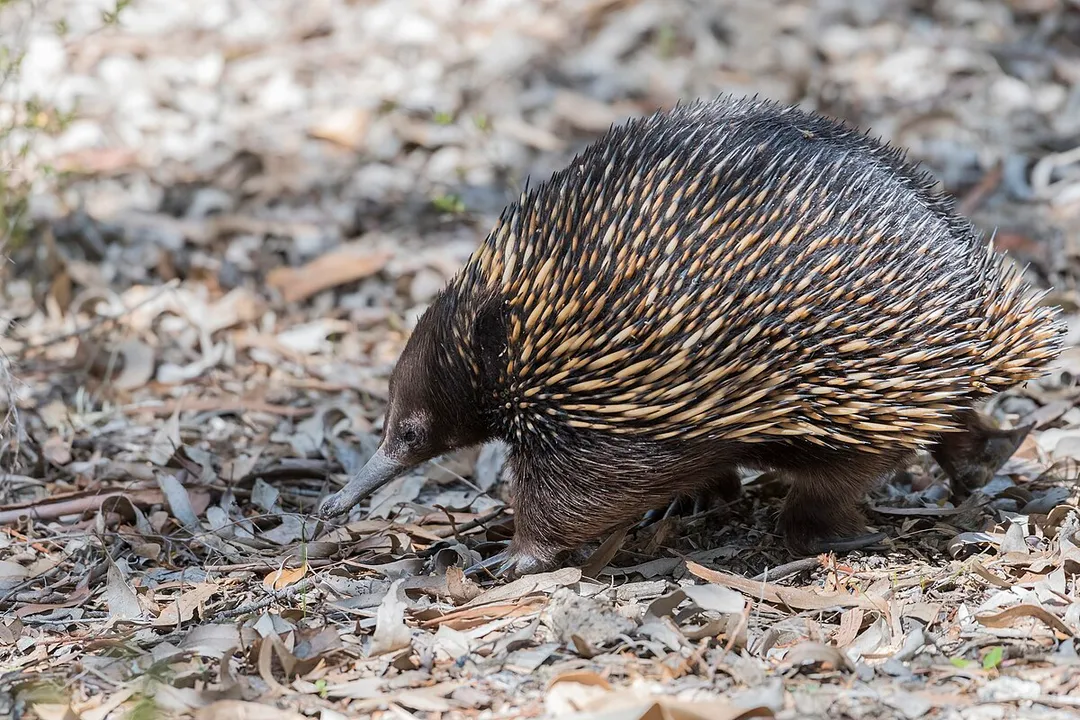
The world of the echidna is geographically concentrated, representing one of the planet's most unique groupings of mammals. These fascinating creatures, often recognized by their distinctive spines and long snouts, are not found across broad continents but are instead endemic to a very specific corner of the globe: Australia and the island of New Guinea. [1][5][7][9] This limited distribution highlights their specialized evolutionary path as monotremes—egg-laying mammals that share a lineage with the platypus. [5]
# Global Range
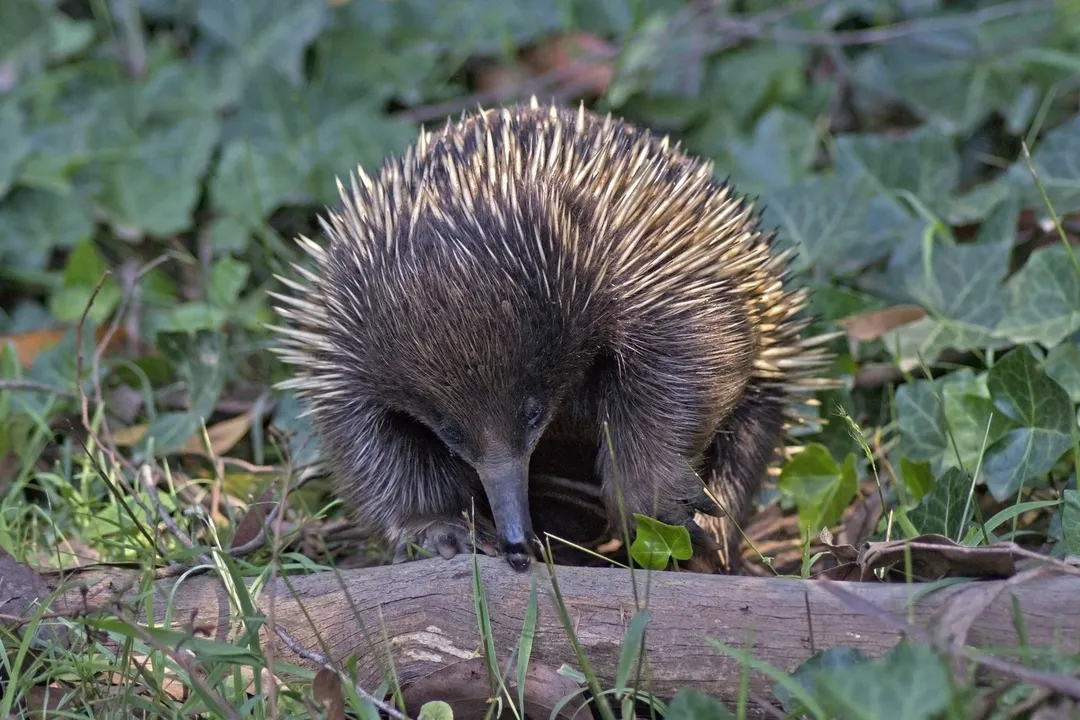
The primary concentration of echidnas, encompassing all four recognized species, rests firmly in the Australasian region. [1] They are truly native only to these two landmasses, which makes any sighting an encounter with a creature found nowhere else naturally on Earth. [9] While the name "echidna" might conjure images solely of the Australian outback, their range extends significantly northward into the rugged terrains of New Guinea. [2][3]
# Species Split
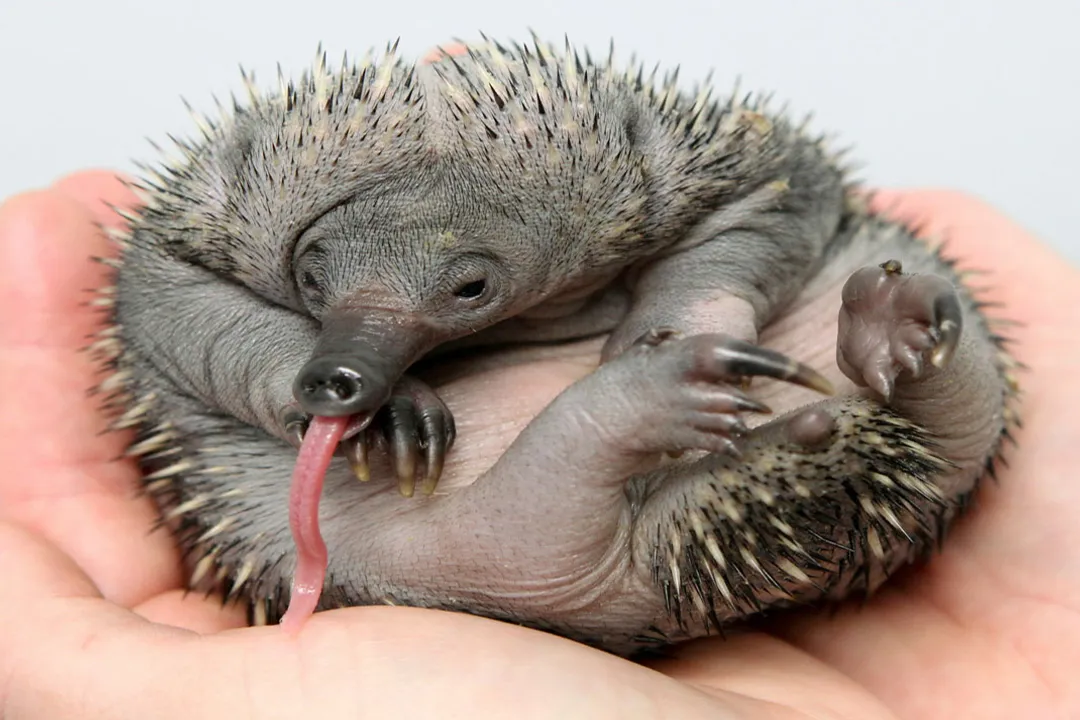
Understanding where echidnas reside requires distinguishing between the genera, as their ranges do not perfectly overlap. [1] There are generally two groups discussed: the short-beaked echidnas and the long-beaked echidnas. [1]
The Short-beaked Echidna (Tachyglossus genus) has the wider, more commonly known distribution. [1][8] This species is found across the entirety of mainland Australia, as well as the island of Tasmania. [3][8] Information suggests this distribution is nearly exhaustive across the continent, though some reports indicate they are absent from the far northern extremes of Australia. [2][6] They also inhabit the island of New Guinea. [2][3][8]
In contrast, the Long-beaked Echidna (Zaglossus genus) species are restricted almost entirely to the island of New Guinea. [1] While the short-beaked variety shares habitat there, the long-beaked versions occupy different ecological niches across that large island mass. [1]
| Species Group | Primary Continent/Island | Notes on Distribution |
|---|---|---|
| Short-Beaked Echidna | Australia, New Guinea, Tasmania | Widespread across Australia, possibly excluding the far north. [2][3][8] |
| Long-Beaked Echidna | New Guinea | Restricted primarily to New Guinea. [1] |
# Australian Reach

The short-beaked echidna’s ability to thrive across Australia showcases remarkable adaptability within a single species. [10] They are present in various environments across the continent, which is a testament to their generalist nature when it comes to diet and climate tolerance. [8] For instance, one can find them in the drier inland regions as well as more temperate zones. [6]
Looking at specific states, the presence is well-documented. In Victoria, for example, the short-beaked echidna is known to inhabit areas right across the state. [4] While they are adaptable, their activity patterns can shift based on local climate; in cooler, wetter environments like parts of Victoria, people might observe them more actively foraging above ground during the mild parts of the day or season. [4] This localized observation pattern can sometimes lead observers to incorrectly assume a narrower distribution than truly exists. Considering the species' range covers Tasmania, which has a much cooler climate than the mainland tropics, it indicates the animal can tolerate significant thermal variation across its Australian domain. [3][8]
# New Guinea Zones
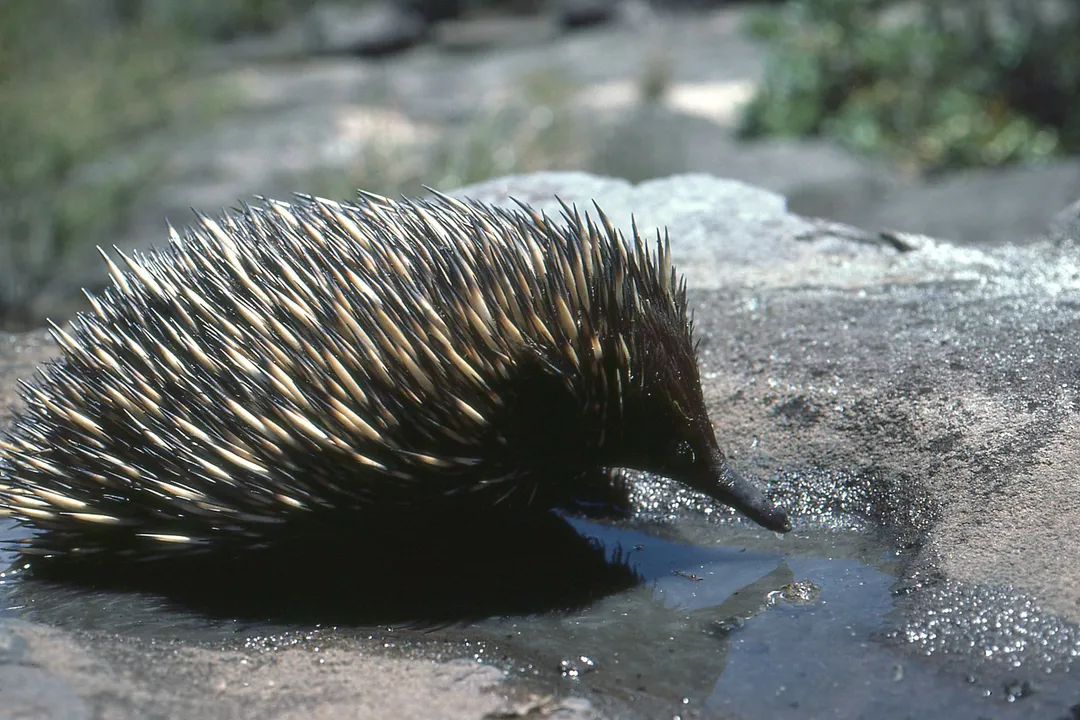
New Guinea serves as the crucial secondary location for echidnas, hosting both the short-beaked species and the endemic long-beaked species. [1][2][3] The long-beaked echidna, with its longer snout adapted for probing deeper into soil and leaf litter, occupies habitats that often differ from the drier, more open environments favored by its short-beaked cousin on the mainland. [1] While the general location is known—New Guinea—the specific altitudinal and forest-type distribution for the long-beaked species is less frequently documented in general wildlife summaries compared to the widely studied Australian population. [1]
This geographical partitioning is an interesting example of evolution in action. The short-beaked echidna’s broad success across Australia contrasts sharply with the long-beaked echidna's apparent restriction to the diverse, rugged, and often remote habitats of New Guinea, suggesting differing selective pressures or perhaps historical dispersal limitations between the two landmasses. [1][2]
# Environmental Scope
It is one thing to list the continents where echidnas are found, and another to appreciate the sheer variety of environments they occupy within those boundaries. [6] Echidnas are incredibly adaptable. They can be found in alpine regions, deserts, woodlands, and forests. [7] They have been recorded living from sea level up to elevations above 2,000 meters in some parts of their range. [4] This tolerance is partly due to their ability to enter a state of torpor (a type of hibernation) when food is scarce or conditions become too harsh, whether excessively hot or cold. [7]
The ability of the short-beaked echidna to maintain populations in areas as diverse as the snowy highlands of southeastern Australia and the relatively arid bushland suggests an ecological flexibility few other endemic Australian mammals possess. This means that even within the defined locations of Australia and New Guinea, the type of place an echidna calls home is highly variable, ranging from dense rainforests to open grasslands, provided they have access to suitable soil for digging burrows and a supply of ants and termites. [6][8]
# Conservation View
While the short-beaked echidna is widely distributed, the status of the long-beaked echidna in New Guinea raises more conservation questions due to habitat specificity and less robust population data. [1] The general distribution notes that the short-beaked echidna is not listed as threatened across Australia, which speaks to its current success within its established range. [6] However, localized pressures still exist. For example, encounters on roads in areas like Victoria often stem from individuals crossing human-made barriers, highlighting how habitat fragmentation can impact even widespread species as they move between suitable foraging grounds. [4] Their distribution, though wide, is intersected by human activity, requiring local conservation efforts to maintain connectivity across those known territories. [3]
Related Questions
#Citations
Echidna - Wikipedia
Echidna | San Diego Zoo Animals & Plants
Short-beaked Echidna | Bush Heritage Australia
[PDF] Our Wildlife Fact Sheet
Enter the weird world of the echidna—a mammal in a category all its ...
Echidnas | Native animals - Environment and Heritage
Ten reasons to love echidnas | Natural History Museum
Short-beaked Echidna - The Australian Museum
What In The World Is An Echidna?
Population & Conservation Status - Short-beaked Echidna ...