Other than genetic data, what physical trait is noted as a feature to distinguish A. baxteri in the field?
Answer
Rarely exceeding two inches in size
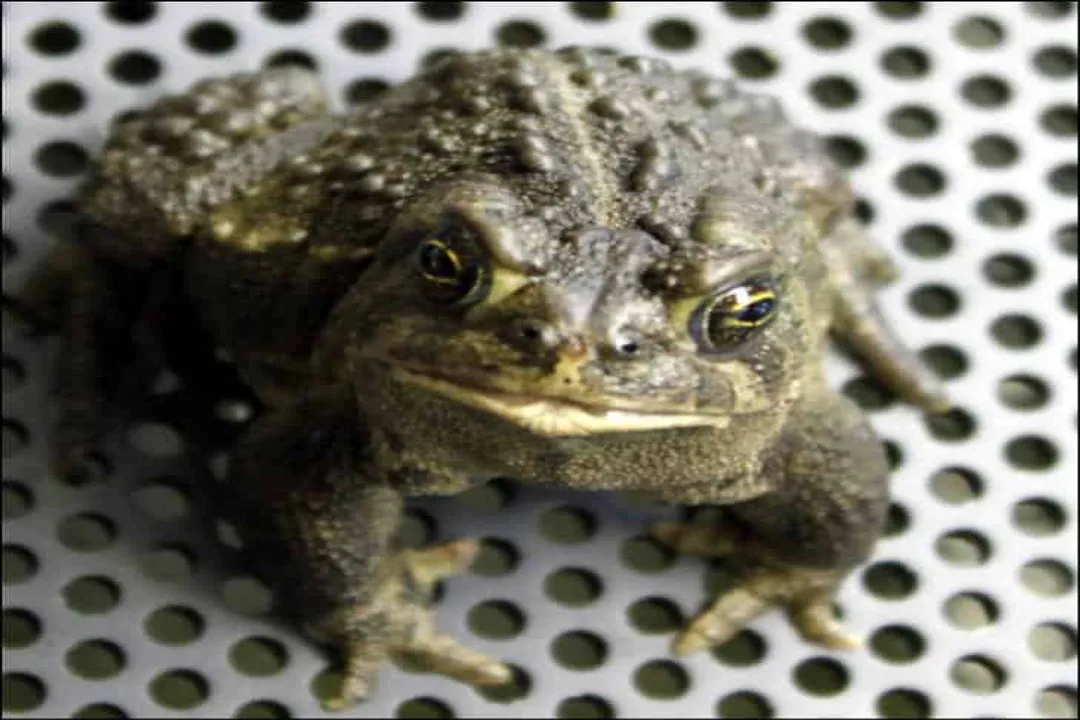
While definitive identification often relies on the formal scientific classification data, field observations rely on measurable physical attributes. For the Wyoming Toad, a key distinguishing feature noted is its relatively small size, with adults very rarely growing larger than two inches in total length. Furthermore, field guides mention its appearance as a small, mottled brown toad, often characterized by a pattern of dark spots contrasting against a lighter background color, aiding in distinguishing it from larger local amphibians.
Related Questions
What detail about Anaxyrus baxteri does the specific epithet baxteri commemorate?To which historical genus was the Wyoming Toad classified before the genus Anaxyrus was established?Which two specific river drainages define the endemic habitat of Anaxyrus baxteri?Placement in the Family Bufonidae confirms the Wyoming Toad possesses which characteristic features?What federal conservation status is officially recognized for Anaxyrus baxteri by U.S. Fish and Wildlife Service?What underlying scientific reason necessitated the reassignment from Bufo to Anaxyrus?What anatomical feature distinguishes members of the Order Anura, where A. baxteri is placed?Other than genetic data, what physical trait is noted as a feature to distinguish A. baxteri in the field?Despite being endemic to a relatively well-studied area, around what year was Anaxyrus baxteri formally described?How does the specific classification of Anaxyrus baxteri guide captive breeding and reintroduction plans?