Walking Catfish Facts
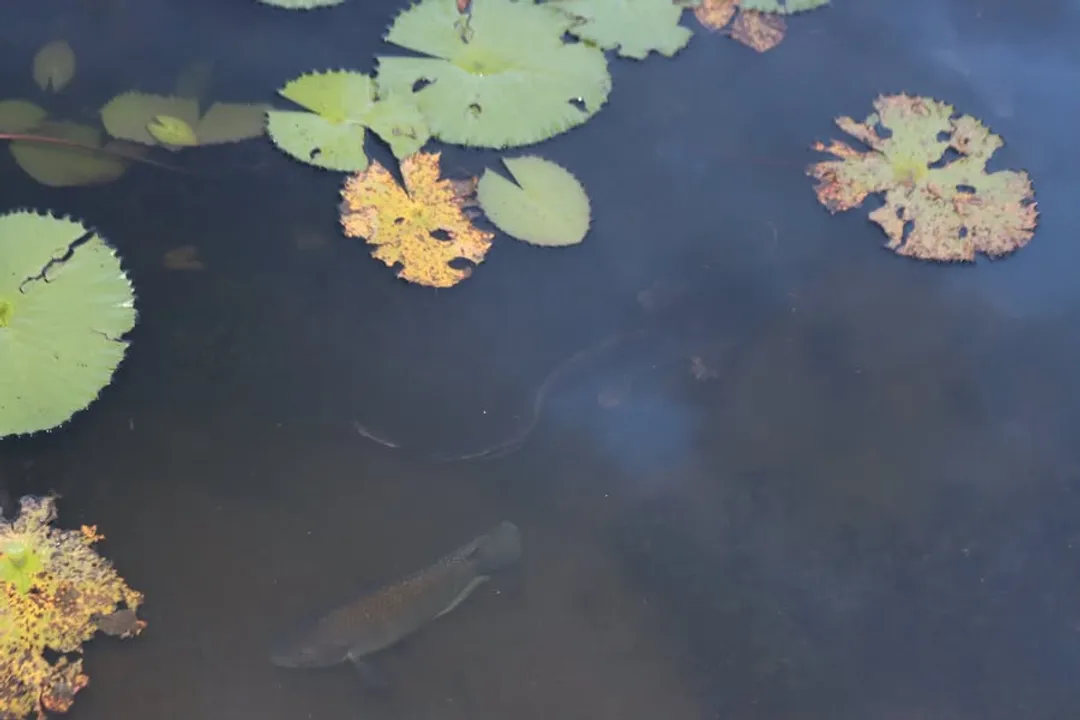
The sight of a fish moving across dry land often generates immediate shock and curiosity, and the walking catfish (Clarias batrachus) is perhaps the most famous—or infamous—example of this terrestrial mobility among aquatic species. [2][5] Native to Southeast Asia, this species has made a significant, non-native impact in places like Florida, earning its place as a widely discussed creature in both scientific circles and among casual observers. [1][4] Its ability to survive outside water for extended periods is what truly sets it apart from most other bony fishes, stemming from a highly specialized respiratory system that allows it to draw oxygen directly from the air. [2][6]
# Identity Naming
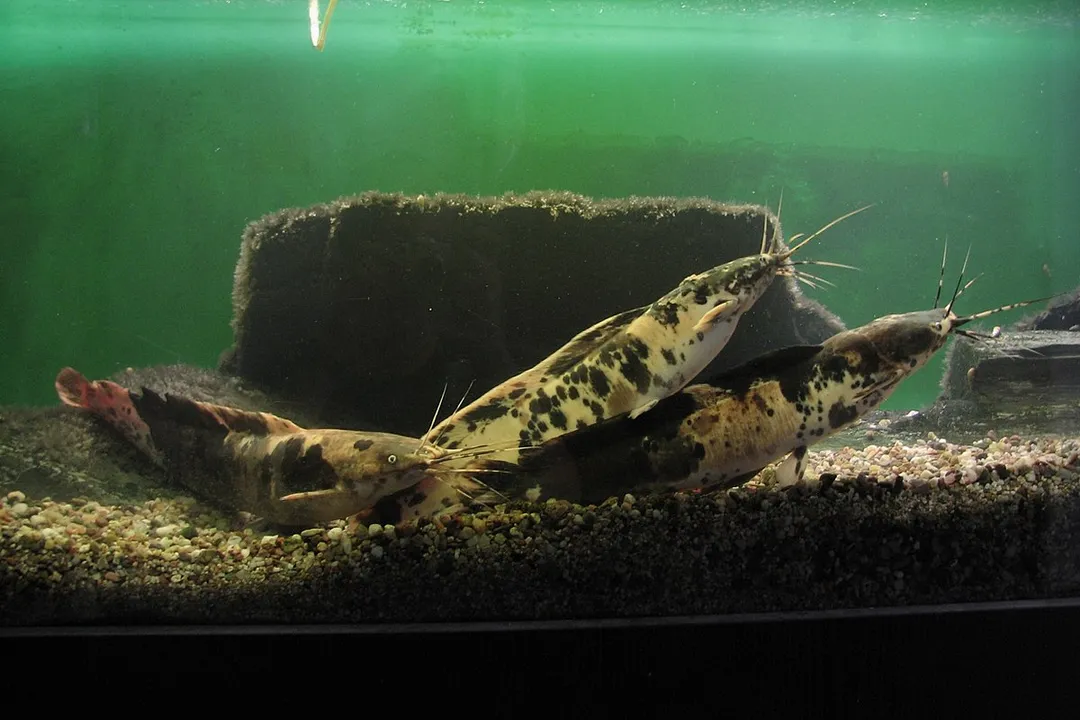
This fish goes by several common names, often causing slight confusion depending on the region or source material consulted. [10] While "walking catfish" is the most common descriptor used in the United States, particularly in Florida, it is also referred to simply as the walking catfish or the Clarias catfish. [4][7] Its scientific designation is Clarias batrachus. [2][5] In its native range, it is known by names such as pla duk in Thailand. [2] Understanding its scientific name helps place it within the family Clariidae, a group known for possessing specialized air-breathing capabilities. [6] The species epithet batrachus is derived from the Greek word for frog, perhaps hinting at its amphibious tendencies. [2]
# Anatomy Features
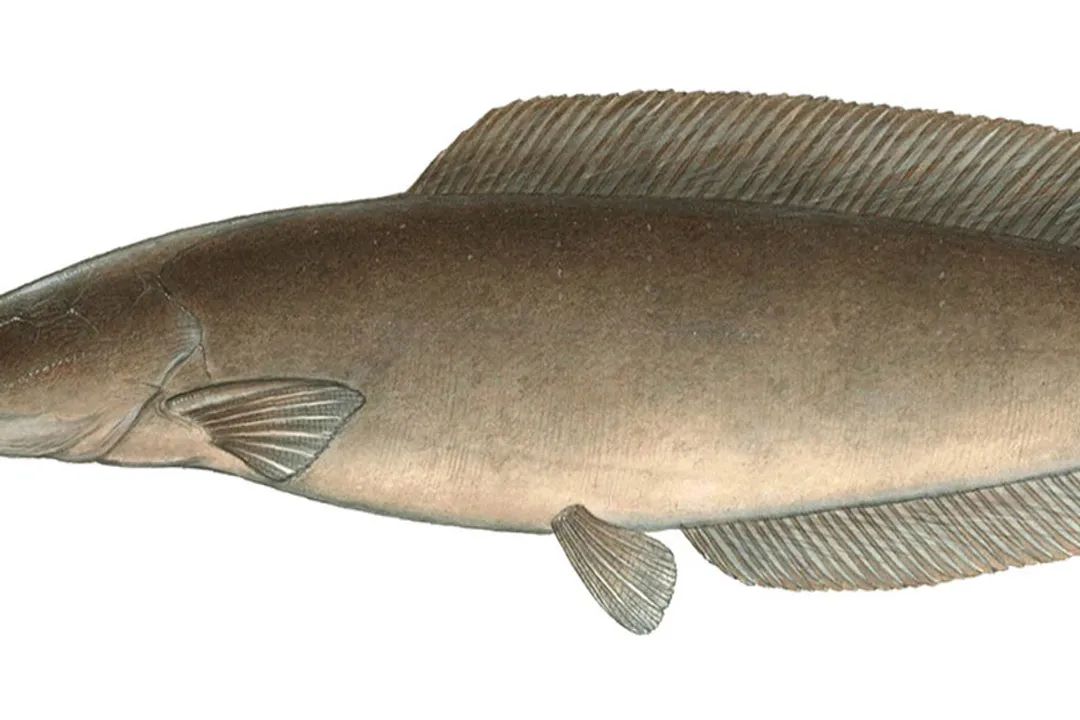
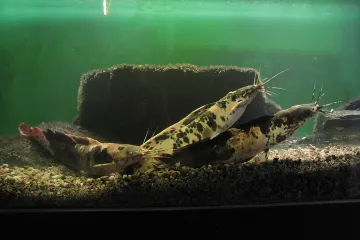
Walking catfish exhibit a distinct morphology that aids their unique lifestyle. They are characterized by an elongated, eel-like body shape, which is typically dark in coloration, often appearing brownish, blackish, or sometimes yellowish-gray on the underside. [2][4] An adult specimen can reach considerable lengths; sources indicate they can grow up to about 20 inches (50 cm) in length, though weights might reach up to 14 pounds in some environments. [2][4] One of the most easily recognizable features, common to many catfish species, is the presence of barbels surrounding the mouth. [6] Clarias batrachus typically possesses three pairs of barbels: one maxillary pair, one outer mandibular pair, and one inner mandibular pair. [2] These sensitive filaments serve as tactile and chemosensory organs, helping the fish navigate murky waters and locate food. [6] Unlike some North American catfish, walking catfish lack the bony plates or scutes characteristic of armored catfish, instead possessing smooth skin. [2]
A crucial, though perhaps less obvious, anatomical detail relates to their dorsal fin structure. The dorsal fin is long, extending far back along the body, and the pectoral fins are equipped with strong, sharp spines. [2] These spines can be quite rigid and are sometimes noted for their potential to cause painful injuries to handlers if the fish is not managed carefully. [10]
# Air Breathing
The cornerstone of the walking catfish's survival outside of water is its remarkable respiratory adaptation. [6] While they possess gills, they are not sufficient for long-term aerial survival, nor can they extract enough oxygen from stagnant, low-oxygen water bodies. [2] To compensate, Clarias batrachus has evolved an accessory breathing organ located in the chambers above its gills. [1][6]
This labyrinth organ is highly vascularized and functions much like a primitive lung, enabling the fish to gulp air directly from the surface and absorb atmospheric oxygen. [2] The anatomical structure of this organ is complex; it consists of a pair of branched, tree-like structures rich in blood vessels that effectively facilitate gas exchange. [6] When the fish is forced to leave shallow or depleted water sources, it will periodically move to the surface to take a breath of air, allowing it to endure conditions that would quickly suffocate other fish species. [1][4] This adaptation is so effective that they can survive out of water for hours if their skin remains moist. [6]
For those encountering these fish, understanding this reliance on air is key to management. If one is found on land, it is likely on a mission to find a better water source, not necessarily fleeing a predator. [1] Conversely, if an aquarium specimen is gasping at the surface, it's a strong indicator of poor water quality, specifically low dissolved oxygen levels, within their tank. [1][4]
| Water Condition | Survival Mechanism | Implication for Aquarists |
|---|---|---|
| Low Dissolved Oxygen | Accessory air breathing | Increase surface agitation or aeration immediately. [1][4] |
| Dry Land Travel | Supported by gill moisture | Indicates need to move to deeper/wetter areas. [2][6] |
| Stagnant Water | Gill function supplemented | Requires frequent water changes to maintain water quality. [5] |
# Terrestrial Movement
The famous "walking" is not true locomotion in the mammalian sense but rather a specialized form of movement adapted for traversing short distances across land, usually in search of a new aquatic environment. [2] This travel typically occurs when their current pond, ditch, or canal begins to dry up, or when the water quality becomes severely depleted. [4][8]
The actual mechanism involves the fish propelling itself forward using its stiff pectoral fin spines and muscular body contractions. [2] They often move with a sinuous, almost wriggling motion. [2] While they are capable of traveling over land, they are significantly hampered by dry, open areas and prefer to move through damp grass, mud, or under moist cover. [2] A fascinating aspect of this travel is its directionality; they appear to be able to orient themselves toward better water sources, suggesting some level of navigation ability, possibly guided by moisture gradients or external cues. [8] This terrestrial movement is most frequently observed during humid, wet periods, such as during rainstorms, which provide the necessary damp environment for sustained travel. [4]
One practical consideration for anyone managing water bodies where these fish are present is that their terrestrial mobility makes containment difficult. A standard, low-sided container or pond edge is insufficient protection; if a suitable water source is within range on land, the catfish will likely reach it. [1]
# Geographical Spread
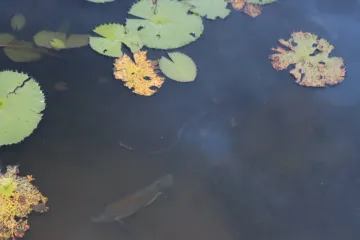
The native range of Clarias batrachus is extensive, encompassing large parts of South and Southeast Asia, including countries such as India, China, Indonesia, the Philippines, and Thailand. [2][6] However, its introduction outside of this range, primarily due to the aquarium trade, has led to established, invasive populations in several areas. [4][8]
Florida, USA, is the most well-known location for introduced populations, where the fish was first reported in the wild in the 1960s. [1][4] From there, they have spread across the central and southern parts of the peninsula. [8] The Florida Fish and Wildlife Conservation Commission (FWC) classifies the walking catfish as an exotic, invasive species. [4] Because of its invasive status, possession of live walking catfish in Florida is generally illegal, as they pose a significant threat to native ecosystems. [4][5]
The successful establishment in Florida is directly attributed to their aforementioned adaptations. They thrive in warm, stagnant, and often highly polluted waters where native species might struggle. [4] When considering managing aquatic ecosystems where these fish have established a foothold, understanding the historical introduction pathway—the aquarium trade—provides context for local regulatory efforts aimed at preventing further accidental releases. [8]
# Ecological Impact
As an invasive species, the walking catfish has considerable ecological consequences where it has become established. [4] Their diet is varied, classifying them as omnivores. [6] They consume a wide range of food items, including insects, crustaceans, other invertebrates, small fish, and plant matter. [2][6]
Their voracious appetite and ability to inhabit degraded water conditions mean they can outcompete native fauna for resources. [4] In systems where they are abundant, there is concern that they can drastically alter the food web structure by preying on vulnerable native organisms, particularly larval stages of other species. [1][7] They are hardy survivors, often flourishing in environments characterized by low dissolved oxygen, high temperatures, and pollution—conditions that stress native sport fish and other desirable aquatic life. [4] This hardiness, combined with their dietary flexibility, makes them formidable competitors in invaded habitats. [5] For instance, in water bodies where they are dominant, their presence often correlates with a noticeable decline in native, air-breathing fish populations that lack the same tolerance for poor water quality. [7]
If you are managing a pond or small lake in a region where these fish are established, a simple management tip involves regularly checking for evidence of their presence, such as observing unusual nighttime activity near the bank when they may be moving between water bodies or looking for surface air. [1] Their presence suggests the aquatic environment may have marginal dissolved oxygen levels, which is a point worth noting for any local aquatic management plan.
# Reproduction Habits
Information on the reproductive cycle of the walking catfish suggests they are prolific breeders, contributing to their invasive success. [2] They typically spawn during the rainy season, which aligns with periods of increased surface water and favorable migration conditions. [4]
During the breeding season, the male fish constructs a nest, often utilizing aquatic vegetation as building material. [2] The male guards this nest until the eggs hatch. This parental care, while basic, offers a degree of protection to the developing embryos, increasing survival rates compared to species that simply broadcast their eggs into the water column. [2] The timing of spawning in response to seasonal rains ensures that offspring enter an environment temporarily enriched with new surface water and potentially more abundant food sources. [4]
# Legal Status and Control
Due to the ecological threat posed by Clarias batrachus in non-native environments like Florida, strict regulations govern their handling. [4] In many jurisdictions, particularly within the state of Florida, it is illegal to possess, import, or introduce live walking catfish. [4][8] This ban is a direct attempt to halt their spread and mitigate further impact on native fisheries and ecosystems. [5] The state's classification of them as a prohibited non-native species means that if one is caught or found, it must typically be killed immediately rather than being returned to the water. [4]
Control methods employed against established populations are challenging precisely because of the fish's hardiness and ability to move overland. [8] Eradication from connected water systems is extremely difficult. [5] Management strategies often focus on localized control in sensitive areas, using methods like electrofishing or targeted removal where feasible. [4] Furthermore, public education remains a critical component, ensuring that pet owners understand the severe environmental ramifications of releasing unwanted aquarium fish into local waterways, which is the primary pathway for their initial introduction. [8] Preventing the pet trade from fueling new invasions requires ongoing awareness campaigns. [1]
Comparing the efforts in Florida with other invasive species management programs reveals a common theme: once a highly adaptable, air-breathing species establishes itself, total eradication becomes a rare achievement; the focus shifts to containment and mitigation of damage. [5][8] Recognizing the hardiness of C. batrachus means that any attempt to manage it requires long-term commitment and an understanding that traditional water-based controls alone will be insufficient against a fish that walks. [2][4]
#Videos
Walking Catfish Facts: a FISH that WALKS | Animal Fact Files
Related Questions
#Citations
Five Facts: Walking catfish in Florida
Walking catfish - Wikipedia
Walking Catfish Facts: a FISH that WALKS | Animal Fact Files
Walking Catfish - FWC
Walking Catfish - Texas Invasive Species Institute
Clarias batrachus - Animal Diversity Web
Walking Catfish (Clarias batrachus) - Species Profile
African Walking Catfish (Clarias gariepinus) - Facebook
Walking Catfish Facts & Photos | Wowzerful