If destruction is observed high up, specifically above two feet, which animal is the primary suspect?
Answer
Deer
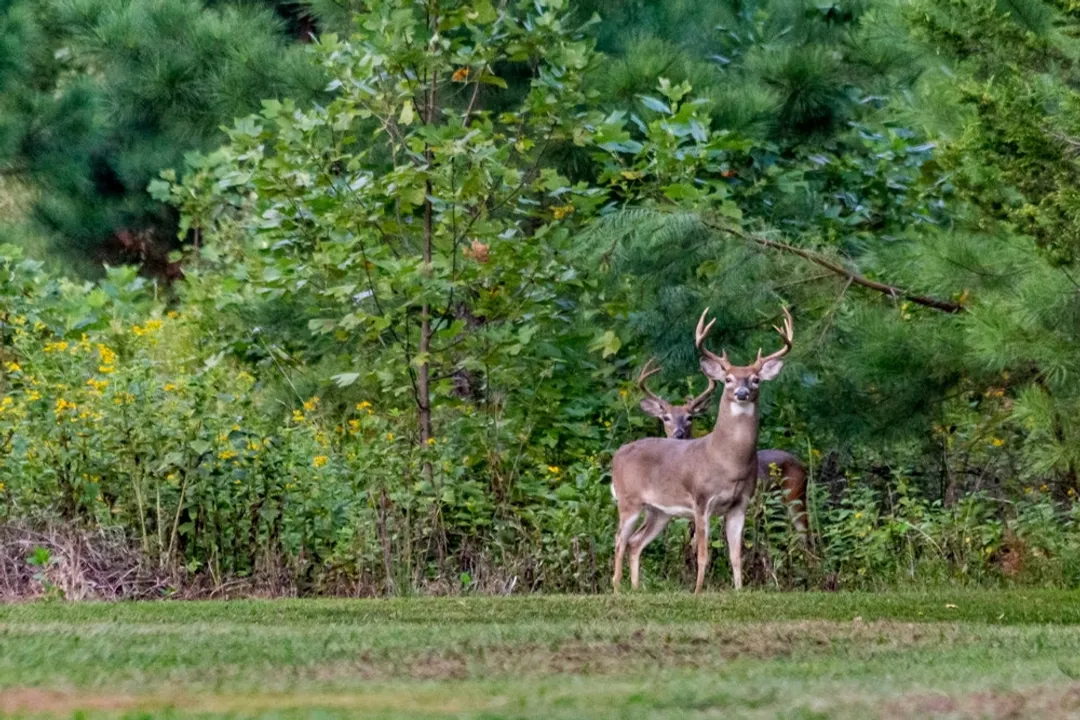
The height at which feeding damage occurs is a crucial diagnostic element when investigating nighttime garden raids. When evidence points to foliage being consumed significantly higher up, such as above two feet from the soil line, the strong indicator is the presence of deer. Deer are large herbivores capable of browsing on taller stalks, shrubs, and upper leaves. This elevated feeding pattern immediately rules out low-level feeders like voles or rabbits, whose activity is concentrated near the ground. Furthermore, deer typically contribute to this height of damage by utilizing their unique feeding method, which involves tearing vegetation, often resulting in ragged edges or shredded leaves, rather than making precise cuts.
Related Questions
Which animal's browsing behavior leaves a clean, sharp cut, typically about an eighth of an inch above the ground?If destruction is observed high up, specifically above two feet, which animal is the primary suspect?Which large grazer leaves behind ragged edges or tears because it tears vegetation against its hard upper palate?What type of physical trace suggests Raccoons or Skunks have been actively foraging in the garden area?What is a distinguishing physical sign often left behind when a Vole is feeding on low-growing flowers or plant crowns?What characteristic behavior involving buried food helps identify a Squirrel as an opportunistic nighttime contributor to garden loss?What must be done to the fence installed to deter small animals like rabbits to prevent them from digging underneath?If both roses and soft vegetables like cucumbers are disappearing, which category of culprit should the gardener suspect?What are the three main categories of evidence a gardener should gather early in the morning during the initial investigation?To maintain effectiveness, how frequently must taste deterrents, like those containing putrescent egg solids, be reapplied?