What is the most toxic flower for cats?
The absolute most dangerous blooms a cat owner can bring into their home are those belonging to the true Lily family (Lilium and Hemerocallis genera). [1][5] The danger posed by these plants is exceptionally high, making them the clear front-runner for the title of "most toxic flower" for felines. [8] Ingesting even a tiny amount of any part of a true lily—pollen brushing onto the fur and being licked off, a nibbled leaf, or even drinking water from the vase—can trigger acute kidney failure in cats. [1][5] This severity sets lilies apart from many other common household toxins; while other plants might cause gastrointestinal upset or mild irritation, lilies often lead to a life-threatening emergency requiring immediate, intensive care within 12 to 72 hours. [8][10]
# Lily Severity
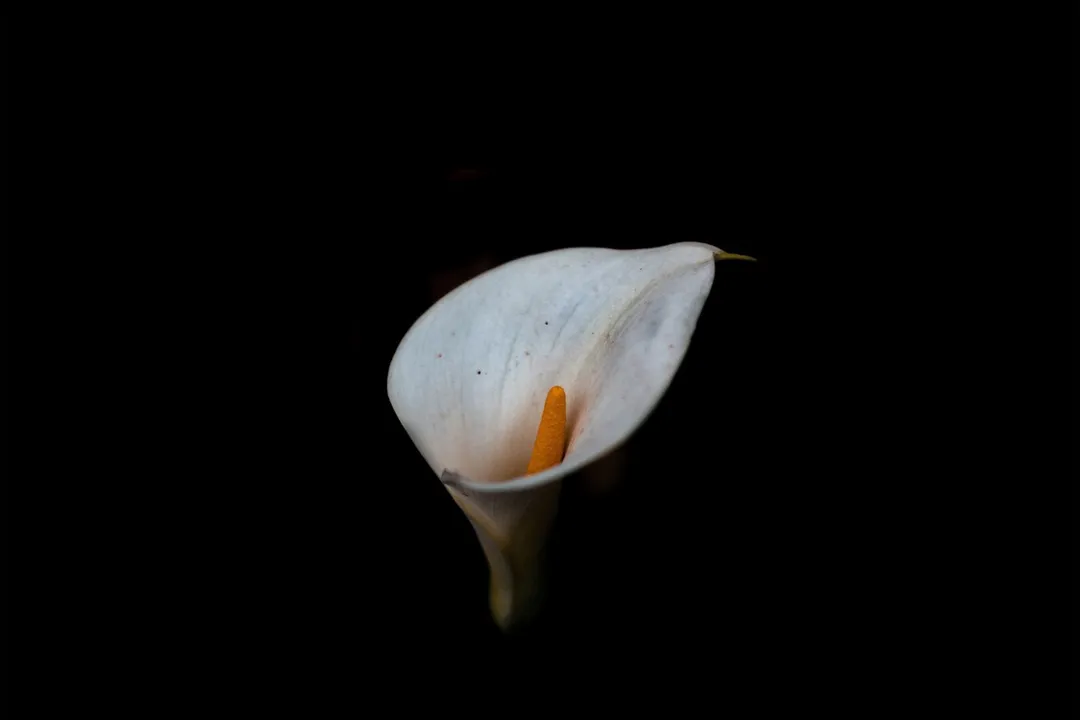
It is critical to differentiate between true lilies and other seemingly similar but less acutely toxic flowers. For instance, plants like the Peace Lily (Spathiphyllum) or Calla Lily (Zantedeschia aethiopica) contain insoluble calcium oxalates, which cause immediate, intense irritation of the mouth, throat, and stomach, leading to drooling, pawing at the mouth, and vomiting. [1][2] While these are certainly painful and warrant a call to the veterinarian, they generally do not cause the systemic, irreversible organ failure associated with the Lilium and Hemerocallis species. [5] If you have a curious cat, it is safer to remove any plant that shares the word "lily" in its common name entirely, rather than attempting to identify the specific genus. [1]
A practical tip for florists or pet owners who insist on having lilies for aesthetic reasons is to meticulously trim all the anthers (the pollen-bearing parts) off the flowers immediately upon bringing them home, perhaps even clipping the entire flower head before placing the stems in a secure, high location where the cat absolutely cannot reach them. [4] However, this is a high-risk strategy, as pollen can still shed onto leaves or fall into the vase water. For maximum safety, avoidance remains the only truly guaranteed defense. [10]
# Bulb Dangers
Beyond the blooms themselves, the root structures of many popular spring flowers present a distinct hazard: the bulb. [5][10] Daffodils (Narcissus), tulips (Tulipa), and hyacinths are all common ornamental plants whose bulbs contain concentrated toxins. [5] If a cat digs up a potted tulip or knocks over a decorative arrangement containing loose bulbs, the resulting ingestion can be severe. [2]
Daffodils, in particular, contain lycorine, which can cause significant vomiting, diarrhea, convulsions, and, in larger ingestions, issues with blood pressure and heart rhythm. [10] Tulips and hyacinths primarily cause drooling and vomiting when the bulb is chewed, though high doses can depress the central nervous system. [2] This often happens when people bring home forced bulbs in water or soil for indoor decoration. For households with digging or curiously destructive cats, keeping these potted bulbs completely inaccessible—perhaps in a room the cat is never allowed into—is essential until they have fully flowered and the bulbs have been discarded. [5]
When comparing the toxins, the mechanism of harm differs significantly. Lily toxins target the kidneys directly, causing necrosis of the renal tubules. [8] In contrast, the toxins in daffodils and oleander (which contains cardiac glycosides) primarily stress the cardiovascular system and cause intense gastrointestinal distress. [4][10] Knowing what the cat ate helps the veterinary team prioritize treatment; rapid assessment of the ingested substance allows for targeted decontamination and supportive care. [6]
# Other Notable Toxins
While lilies top the toxicity chart, several other commonly found flowers contain substances that can still cause significant distress or harm. [1]
# Oleander
Oleander (Nerium oleander) is a shrub that sometimes makes its way into floral arrangements, especially in warmer climates. [4] It is extremely poisonous due to cardiac glycosides. [10] Even a small amount can cause severe vomiting, diarrhea, incoordination, and potentially fatal heart abnormalities. [4] Its danger level rivals some of the most potent toxins on the list due to its direct impact on the heart muscle. [10]
# Chrysanthemums
These popular fall flowers, often called "mums," are toxic due to the presence of sesquiterpene lactones in their leaves and flowers. [1] Ingestion typically results in vomiting, diarrhea, and drooling. [8] While rarely fatal, the digestive upset can be significant, and they are frequently encountered as outdoor garden plants or long-lasting supermarket bouquets. [1][2]
# Autumn Crocus
It is crucial not to confuse the spring-blooming, benign garden crocus with the Autumn Crocus (Colchicum autumnale). [10] The latter contains colchicine, a potent substance that can cause bloody vomiting and diarrhea, liver and kidney damage, and respiratory failure. [10] This is a highly dangerous plant, often mistaken for edible herbs or other less harmful flowers. [1]
# Actionable Steps
Understanding the risks is the first step, but knowing what to do in an emergency is paramount. One key insight often overlooked is that the speed of action directly correlates with the outcome, particularly with lilies. [8] If you suspect your cat has eaten any part of a toxic plant, do not wait for symptoms to appear, as by then, kidney damage may already be underway. [1]
# Emergency Protocol
Here is a simplified, immediate action checklist:
- Safety First: Immediately remove the cat from the area where the plant is located. [6]
- Identify: If possible, carefully collect a sample of the plant part the cat ingested—a leaf, petal, or flower—for identification by the veterinarian or a poison control center. [6][5]
- Contact: Call your veterinarian or a pet poison hotline immediately. [1][6] Be prepared to state the cat's weight, the plant species (if known), and how much was eaten. [1]
- Do Not Induce Vomiting Unless Directed: Inducing vomiting at home can be dangerous if the plant is irritating (like an oxalate-containing lily) or if the cat is already showing neurological signs. [6] Follow the exact instructions of the veterinary professional on the line. [1]
Another critical point for cat owners to internalize, based on expert observations from veterinary groups, is the common cat behavior of grooming after contact. [9] A cat walking through a dropped lily petal can transfer the deadly pollen onto its coat. The cat then spends time meticulously cleaning itself, effectively ingesting the toxin over a prolonged period rather than in one acute gulp. [9] This highlights why even contact with pollen—not just direct eating—is considered a medical emergency with true lilies. [8] Many people assume if they don't see the cat eat it, the danger has passed, which is a dangerous assumption in this specific toxic category. [9]
# Creating a Safer Environment
For individuals who love having fresh flowers but live with cats, making informed choices is essential. Checking established lists from authoritative sources like the ASPCA is a necessary recurring task, as new or infrequently documented toxic plants occasionally surface. [8] A useful measure, beyond simply avoiding the top offenders, is to establish a dedicated, cat-proof area for any non-approved floral displays, such as a closed-off sunroom or an area that can be physically secured when the cat is unsupervised. [4]
For example, while sunflowers (Helianthus) are generally listed as only mildly toxic, causing minor stomach upset if eaten in large quantities, they still offer a chance for a cat to ingest pollen or sap. [2] The comparison here is stark: a sunflower might lead to a messy clean-up and an upset stomach, whereas a true lily leads to an emergency hospitalization. [1][8] By understanding this spectrum of danger—from mild irritants to multi-organ failure agents—pet owners can prioritize their risk management efforts effectively. [10] The key is treating the flowers known to cause kidney failure, like lilies, with the highest level of suspicion and restriction in the home. [5]
Related Questions
#Citations
11 popular plants and flowers poisonous to cats - Vets Now
Plants Poisonous to Cats – Our Guide - Cats Protection
18 Common Plants Poisonous to Cats | Chewy
Cats and toxic flowers. Options? : r/FloralDesign - Reddit
Avoid This CAT-astrophe! 10 Spring Flowers That Are Toxic to Cats
14 Poisonous Plants for Cats – Keep Your Cat Safe
Plants and flowers toxic and poisonous to cats - Bella+Duke
Toxic and Non-Toxic Plant List — Cats - ASPCA
Cats are curious and known to nibble, and if they nibble these plants ...
The top 12 most poisonous plants for pets - Calder Vets