What animal is eating my flowers at night?
The sight of your prized evening primrose or the freshest rose buds completely gone the next morning can be incredibly frustrating. It feels like a stealth mission occurred right under your nose while you were sleeping. Solving the mystery of "what animal is eating my flowers at night" requires shifting from gardener to detective, carefully examining the subtle clues left behind in the darkness. [3] The identity of the culprit dictates the kind of protection you'll need, as a solution for a deer is drastically different from one needed for a slug, even if both operate under the cover of night. [2][9]
# Detective Clues
The first step in this nighttime investigation is gathering evidence early in the morning, before the sun, daytime critters, or even morning dew can obscure the scene. [3] You are looking for three main categories of evidence: the state of the remaining plant matter, the location of the damage, and any physical traces left on the soil or path. [3][8]
One of the most important differentiators lies in how the plant material was removed. Did the animal clip the stem cleanly, or did it tear and rip the foliage? A clean, sharp cut, typically about an eighth of an inch above the ground, is a strong indicator of a sharp-toothed browser like a rabbit. [5][6] In contrast, if you find ragged edges or tears on the remaining leaves, the damage might point toward larger grazers like deer, which lack upper incisors and instead tear vegetation against their hard upper palate. [8]
Pay close attention to the height of the destruction. If all the low-growing pansies are stripped bare, but the upper leaves on taller bushes are untouched, you can likely rule out taller animals. [5] Conversely, if the damage is occurring high up—say, above two feet—the evidence strongly suggests deer are the nightly visitors. [5][9] If the damage is right at the soil line or slightly below, you might be looking at voles that are feeding on crowns or bulbs, or perhaps a groundhog that decided to sample the base of the plant. [8][9]
Beyond the plant itself, look down. Are there any discernible tracks? While light rain or morning moisture can wash away fine details, compacted soil might still hold impressions. [3] The size and shape of the tracks can help separate small rodents from medium-sized scavengers like raccoons. [7] Furthermore, the presence of droppings (scat) is invaluable. The size, shape, and contents of the scat can often confirm the animal identified by the chewing pattern. [3]
# Mammal Signatures
Once you have a general idea of the height and cutting style, you can narrow down the list of potential suspects which commonly operate after sunset. [2][9]
# Low Browsers
Rabbits are notorious for eating flowers and tender new growth near the ground, often clipping stems cleanly. [4][5] They are active day and night but frequently feed in the cooler hours. [5] If you suspect rabbits, check for parallel tooth marks on stems. [8] Another small mammal active at night is the vole. While they prefer grasses and underground roots, they will certainly consume low-growing flowers and stems, often leaving behind smooth tunnels just beneath the soil surface. [8][9]
# High Grazers
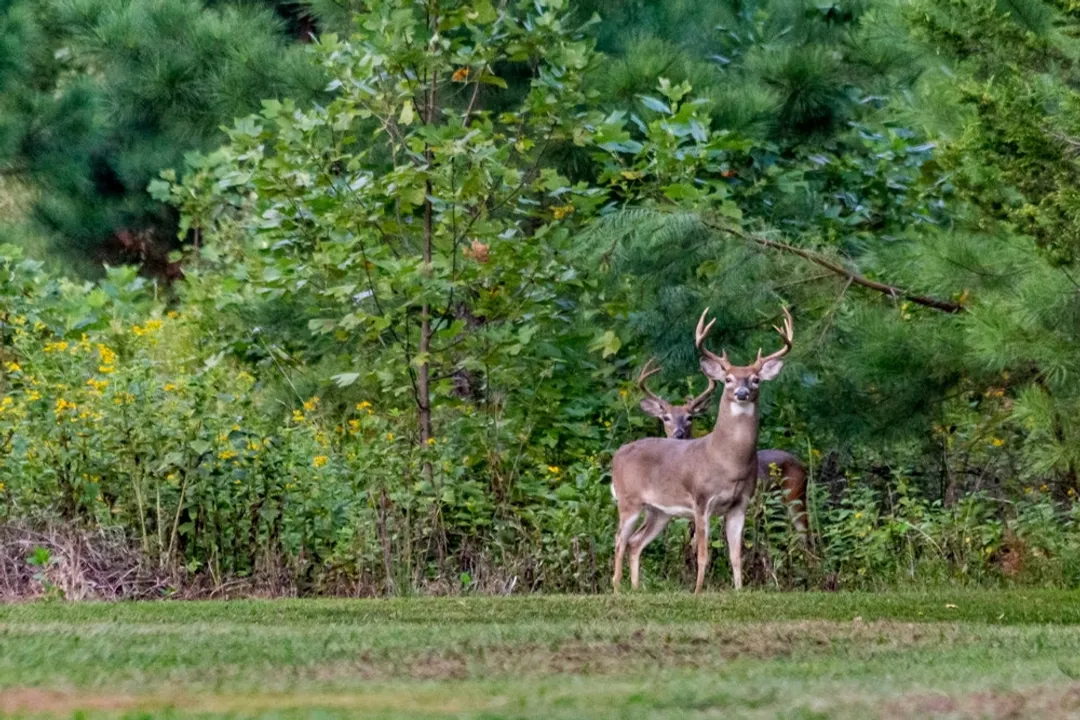
If the devastation is focused on higher foliage, especially on taller stalks or shrubs, the prime suspect is the deer. Deer are large herbivores that browse on a wide variety of garden plants, and they are known to feed heavily at dawn and dusk, easily extending their mealtime into the darker hours. [2][5] They typically leave behind shredded leaves due to their method of tearing vegetation. [8] A good distinguishing factor is that deer often leave behind larger tracks than rabbits or groundhogs. [3]
# Diggers and Opportunists
Sometimes the damage isn't just eating; it's digging. Raccoons and skunks are primarily nocturnal foragers. [2][9] While they might sample fallen fruit or accessible flowers, their main attraction to garden beds is often the promise of grubs, worms, or insects found just beneath the surface. [9] If your flowers are damaged but the main sign is that the soil around the base of the plant has been churned up or small, cone-shaped holes pepper the area, you are dealing with these scent-driven foragers. [2][9] In areas like the Southwest, javelina or pack rats might substitute for these common species, causing similar destruction by rooting around. [1]
# The Ever-Present Squirrel
Squirrels are typically daytime feeders, but they are highly opportunistic and can contribute to nighttime losses, especially if they have cached food nearby that they return to investigate, or if they are simply habituated to an easy food source. [4][9] They can strip buds and eat tender stems, but their signature damage often involves digging in containers or garden beds to retrieve nuts they buried earlier, which can completely uproot smaller flowering plants. [4][5]
Here is a quick comparison of damage patterns to help categorize your nighttime visitor:
| Suspect | Typical Feeding Height | Removal Style | Other Key Signs |
|---|---|---|---|
| Rabbit | Near ground level | Clean, sharp cuts | Small, round droppings [8] |
| Deer | Above 2 feet | Ragged tears/shredding | Large hoof prints [5] |
| Vole | At soil line/underground | Gnawing, tunneling | Smooth tunnels under mulch/snow cover [8] |
| Raccoon/Skunk | Variable | Digging/Upsetting plants | Area looks rooted up, searching for grubs [9] |
| Squirrel | Variable | Nibbling buds, digging | Buried nuts, damage often near trees [4] |
# Cross-Referencing Targets
If the missing vegetation extends beyond just your ornamental flowers, you have more data points to confirm your identification. Animals that are strictly herbivores, like deer and rabbits, will generally stick to vegetation. [5] However, if you notice that soft vegetables like cucumbers or tomatoes, or pungent herbs like onions and garlic, are also disappearing along with your roses, you should strongly lean toward the omnivorous or insect-seeking culprits like raccoons, skunks, or even groundhogs. [7][9] An animal that only eats flowers, particularly if it focuses on certain colors or textures like velvet petals, is more likely a specialized browser like a deer or rabbit. [2]
It is also worth considering location. Gardeners in specific regions might face unique challenges. For instance, in areas like Tucson, wildlife such as javelina are known participants in garden raids, requiring entirely different defensive strategies than one might use against standard woodchucks in Illinois. [1][2] Always cross-reference the local wildlife reports in your county to see which animals are most commonly identified by neighbors facing similar nighttime raids.
# Initial Defense Strategy
Once you have a likely suspect based on the evidence, you can begin implementing targeted defenses. Since many of these pests are most active in the low-light hours of evening and early morning, physical barriers are often the most effective initial response. [2]
For small animals like rabbits and groundhogs, a fence is the gold standard, but it must be installed correctly. A fence needs to be at least two feet high, and critically, it must be buried six inches into the soil and bent outward at a 90-degree angle for a foot or so. This apron prevents them from simply digging under. [2][5]
For larger animals like deer, fencing needs to be much taller—often eight feet or more—to be truly effective. [2] Alternatively, deterrents that rely on scent or taste are commonly employed against deer and rabbits. Many commercial repellents use ingredients like putrescent egg solids or strong herbal oils designed to smell unpleasant to the animal. [5] Applying these repellents right before your local peak feeding time, which might be right before sunset, maximizes their effect. [2] You must reapply these treatments frequently, especially after rain, to maintain effectiveness. [5]
If you have identified raccoons or skunks, the best strategy is often removal of what attracts them. If they are digging for grubs, managing your lawn or garden soil to reduce the insect population can make the area less appealing to them as an easy midnight snack bar. [9]
Thinking about the application of these deterrents can sometimes give you an edge. For example, if you know rabbits are the issue, applying a taste deterrent spray not just to the flower buds but also to the lower parts of the stems they haven't consumed yet can sometimes cause them to leave the entire plant alone after a single unpleasant bite, a form of aversion learning. [4] This works best on younger, tender growth, which is what they usually target anyway. [5] If you are dealing with persistent tunneling from voles, placing sharp gravel or rough mulch immediately around the base of your most prized flowers can sometimes discourage them from digging near the crown without harming the plant structure. [8]
Related Questions
#Citations
What animal is coming at night and eating all of my plants? How do ...
Wildlife Eating My Flowers or Landscaping - Wildlife Illinois
Which Animals Are Eating Your Garden (And How to Keep Them Out!)
What animal is eating my city garden plants at night? - Facebook
What's eating my buds? - Gurney's Seed and Nursery
Flowers stems broken clean, left on ground. What animal does that ...
What kind of animal runs through my garden at nights and eats ...
Identifying critter damage in the garden and landscape
9 Common Animals Who May Be Destroying Your Garden