What animal group is a pangolin in?
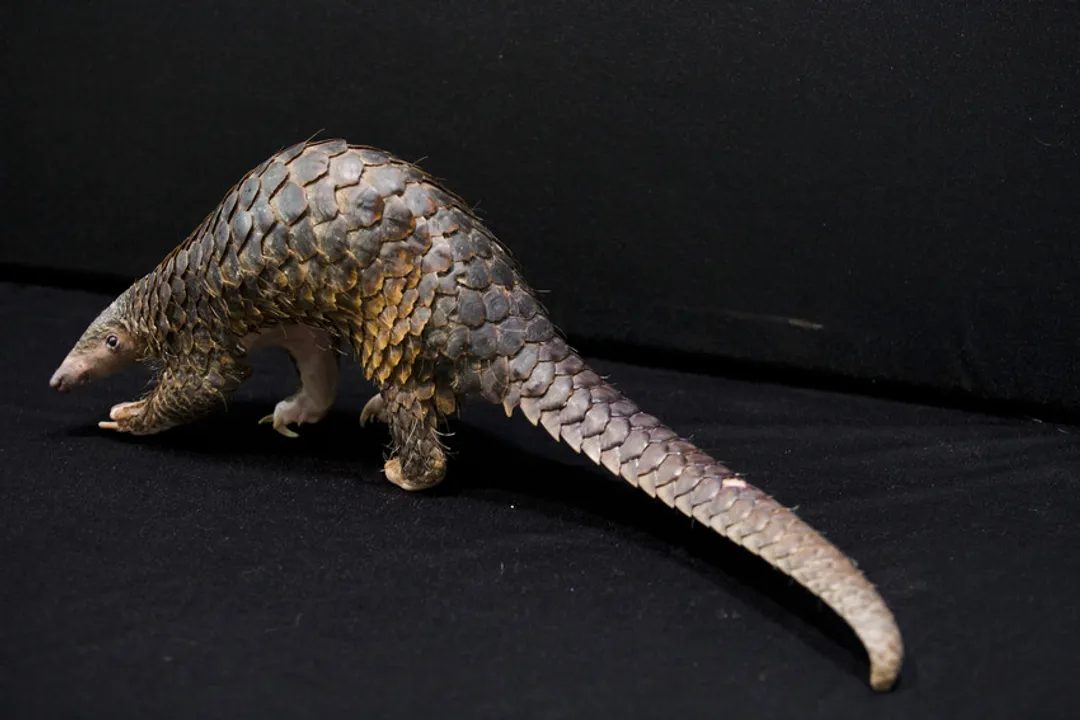
The animal group that a pangolin belongs to places it in a remarkably singular position within the tree of life. These shy, scaled creatures are unique enough to warrant their very own mammalian order, Pholidota. [1][4] Far from being a mere variation on an existing theme, like a highly specialized rodent or an obscure type of reptile, the pangolin stands alone as the world’s only mammal entirely covered in scales. [1][5][7] To understand what group they occupy is to understand their singular evolutionary success, marked by an ancient lineage that diverged long ago from other familiar mammals. [7]
# Order Pholidota
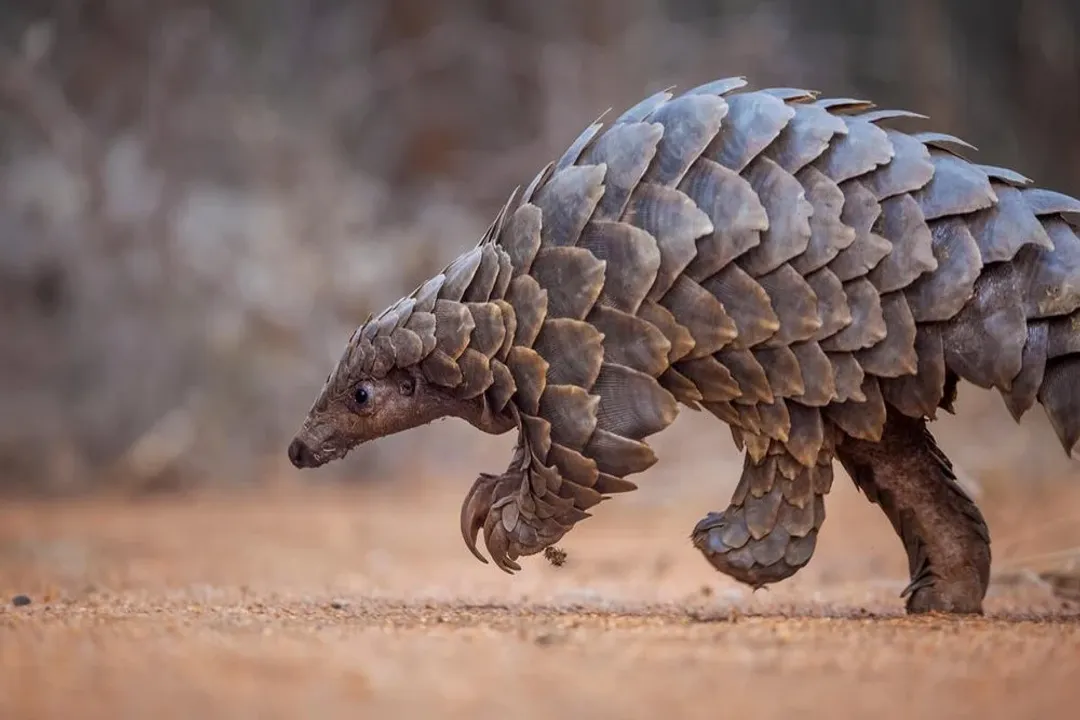
The scientific classification of animals follows a hierarchical system, moving from broad categories like Kingdom (Animalia) down to Species. Pangolins are placed within the Order Pholidota. [4][7] This designation itself tells a significant story: within the Order Pholidota, there are no other living genera or families; it is exclusively populated by pangolins. [1][4] This isn't common; many orders contain several related families, but Pholidota is a dedicated home for this distinctive group. [7] The name Pholidota is derived from the Greek word pholis, meaning scale, aptly describing their most prominent feature. [7]
Pangolins are classified as placental mammals, placing them alongside nearly all humans, cats, dogs, and whales. [8] However, their divergence from other placental mammals occurred deep in evolutionary time. While they superficially resemble reptiles due to their scales, these scales are fundamentally different. They are composed of keratin, the same protein that makes up human fingernails, hair, and horns. [1][8] This distinction is crucial for understanding their placement; they are not related to scaly reptiles, nor are they closely allied with other insectivorous mammals that might share some physical traits. [1]
Their closest living relatives are currently thought to be the Carnivora (which includes cats, bears, and seals) and perhaps the Order Perissodactyla (odd-toed ungulates like horses and rhinos), though this relationship remains a subject of scientific interest and ongoing study. [1][7] This means that, evolutionarily speaking, they represent a very ancient offshoot of the mammalian line. [7]
# Mammal Status
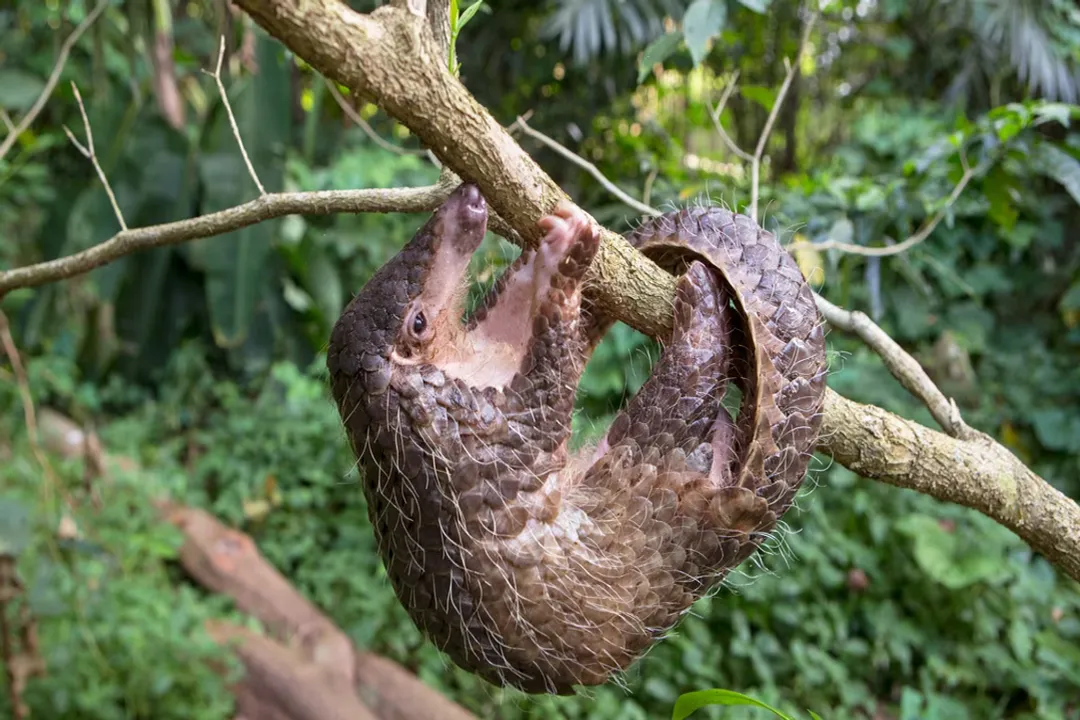
Confirming their place in the Class Mammalia is straightforward, as they share all the defining characteristics of this class, even if their external appearance suggests otherwise. [8] Like all mammals, pangolins are warm-blooded (endothermic), meaning they regulate their own internal body temperature. [1] They breathe air using lungs. [1] Critically, they nurse their young with milk produced by mammary glands. [8] While they possess hair, it is typically sparse and found between the keratin scales, often only noticeable in young pangolins or on their undersides. [1][8]
Consider a comparison between a pangolin and a pangolin-mimicking lizard, such as a highly scaled monitor lizard. While both might have scaly skin, the lizard is an ectotherm relying on external heat, reproduces by laying eggs, and lacks mammary glands. The pangolin, despite its armor, fits squarely within the mammalian structure because of its internal physiology and reproductive strategy. [1] This underlying biological structure, hidden beneath the armor, solidifies its membership in the group that includes everything from whales to humans. [8]
# Keratin Defense
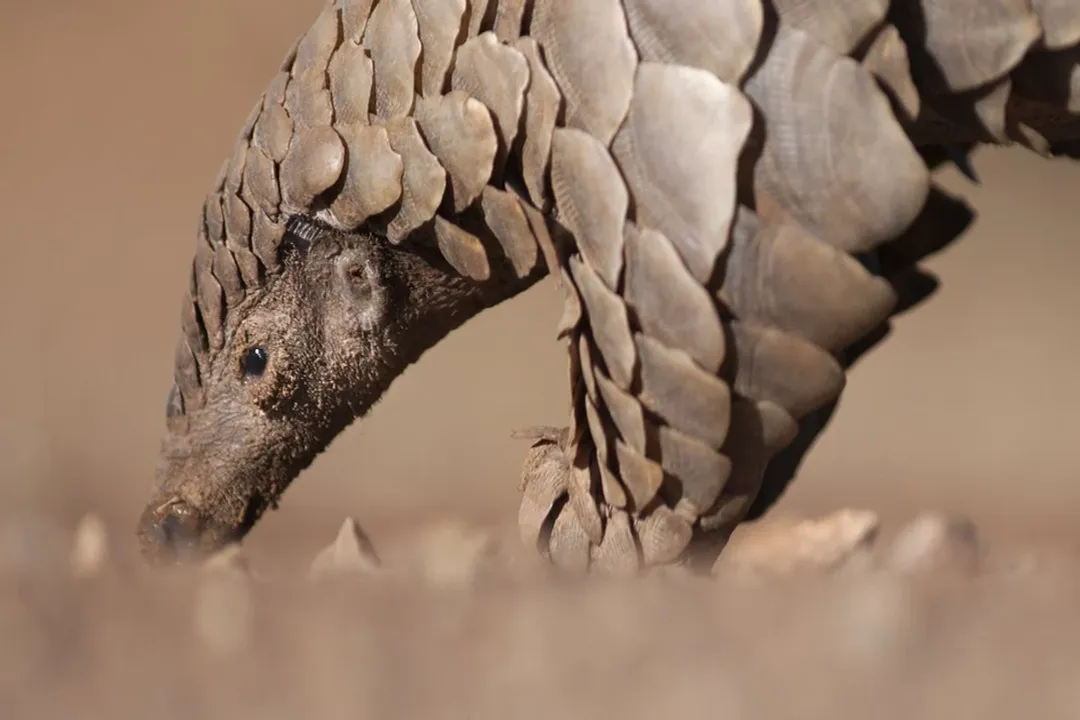
The hallmark feature of the Pholidota order—the scales—is the defining adaptation that sets them apart, making them look like walking artichokes or pinecones. [3][5] There are between 14 and 25 scales per square centimeter on a pangolin, overlapping like roof shingles, which are used almost entirely for defense. [1] When threatened, the primary response of nearly all species is to curl into a tight, impenetrable ball, protecting their vulnerable belly and face. [1][3] This defense is remarkably effective against most predators, such as lions or hyenas, which often cannot get a grip or puncture the armor. [5]
An interesting observation arises when comparing the defensive strategy to that of an armadillo, which is sometimes mistakenly grouped with pangolins due to its armor. Armadillos are members of the superorder Xenarthra and often rely on digging or fleeing. [1] The pangolin, conversely, relies almost solely on this passive, completely rolled posture. [3] Furthermore, pangolin scales are not attached to the bone, unlike the bony plates (osteoderms) found in armadillos. [1] This difference in skeletal integration means the pangolin's scales are more flexible, allowing for that tight, spherical closure, a design optimization for total vulnerability protection. [1]
# Eight Species
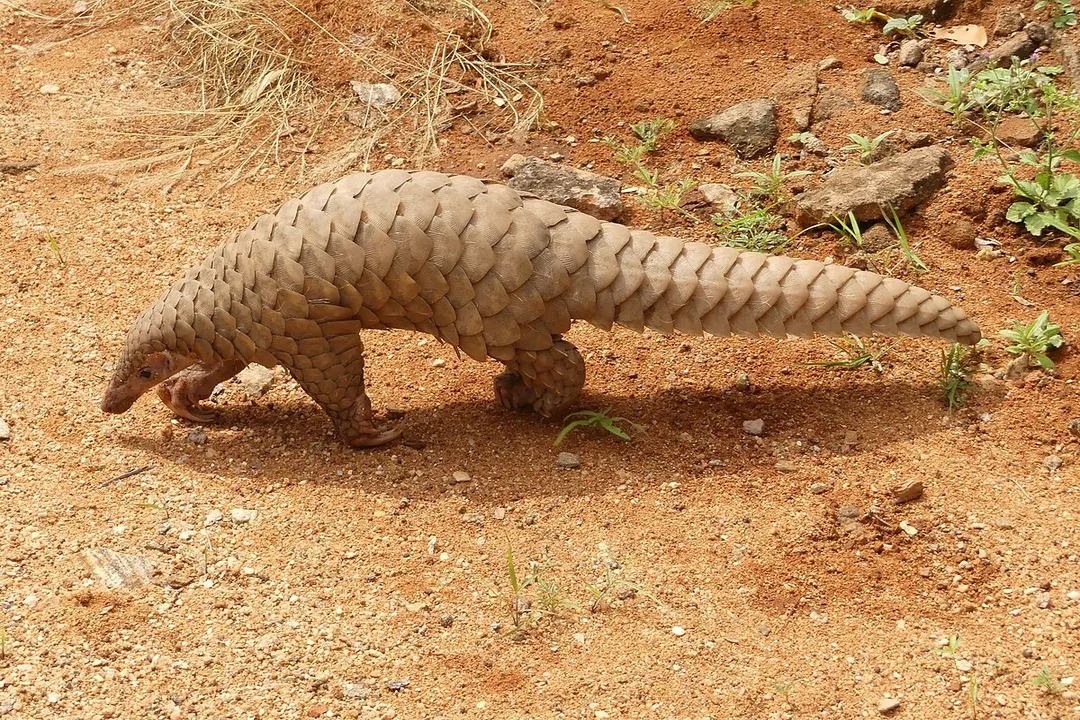
The Order Pholidota is currently divided into two families, based on continental separation: the Manidae family contains the four species found across Africa, and the Manidae family also contains the four species found across Asia. [1][4] This means there are eight recognized species of pangolin, all belonging to the same order. [5]
The four Asian species include the Chinese Pangolin (Manis pentadactyla), Sunda Pangolin (Manis javanica), Indian Pangolin (Manis crassicaudata), and Philippine Pangolin (Manis culionensis). [1] In Africa, you find the Giant Ground Pangolin (Smutsia gigantea), Tree Pangolin (sometimes listed as Phataginus tricuspis), Long-tailed Pangolin (Phataginus tetradactyla), and Temminck's Ground Pangolin (Smutsia temminckii). [1]
While they are all in the same order, the geographical separation has led to distinct evolutionary paths. For instance, African species tend to have two digits on their hind feet, while Asian species have five. [4] Additionally, species differ in their primary habitat; some are predominantly terrestrial, while others, like the Tree Pangolin, are arboreal, using their prehensile tail for balance in the canopy. [5] If you were tracking conservation efforts, understanding whether you are dealing with an Asian or an African genus is vital, as their specific dietary needs (ant and termite preferences) and susceptibility to local threats can vary significantly. [2]
# Unique Lineage
The most compelling aspect of the pangolin's placement is its isolation. Despite the superficial resemblance to other scaly or armored mammals like anteaters, armadillos, and a vanished group called the glyptodonts, pangolins do not share a recent common ancestor with them. [1][7] Anteaters belong to the superorder Xenarthra, which is quite distant from the pangolin's lineage (Laurasiatheria). [1] This is a classic example of convergent evolution, where unrelated species independently evolve similar traits—in this case, an insectivorous diet and defensive armor—due to similar environmental pressures. [7]
Imagine trying to build a family tree: the pangolin branch splits off very early from the main trunk that leads to horses, dogs, and humans. [7] If you looked at a phylogenetic tree based purely on molecular data, you would see the pangolin order Pholidota forming a distinct, single twig, contrasting sharply with orders that have many branches and sub-branches. [1] This means that discovering a new pangolin species is not just finding a new mammal; it's confirming another unique iteration of an ancient, isolated evolutionary design. [4]
# Trafficking Crisis
Being so unique has unfortunately made pangolins a prime target for illegal wildlife trade globally. [6] They are now considered the most trafficked wild mammal in the world. [2][6] All eight species face severe threats, with some classified as Vulnerable, and others Endangered or Critically Endangered. [2][5][9] The demand is driven primarily by traditional medicine markets, where their scales are erroneously believed to hold curative properties, and secondarily by poaching for bushmeat. [6][9]
It’s easy to lose sight of the scale of this problem. If we consider that the global wildlife trade involves millions of animals annually, and pangolins dominate the mammal category of that trade, it paints a grim picture of rapid population collapse across both Asia and Africa. [2] For example, if a population of just 50,000 Sunda Pangolins was being illegally harvested at a rate of just 5% per year (2,500 individuals), and this rate was sustained for two decades without any successful breeding compensation, the species would be functionally extinct within twenty years, purely based on an extrapolated, conservative estimate of ongoing illicit removal. [2][6] This highlights why immediate, high-level protection across all range countries is essential for the survival of the entire Pholidota order. [9]
Recognizing the pangolin's group placement as a unique, irreplaceable order should ideally inform conservation policy. Their taxonomic distinction emphasizes that they are not just another animal to be protected under general wildlife laws; they represent an entire evolutionary concept that, if lost, cannot be recreated. [4] Every pangolin loss is a permanent subtraction from the biological record of mammals. [7] Their continued existence relies on the coordinated global recognition of their singular identity and the severe legal penalties applied to those who trade in them. [2][6]
Related Questions
#Citations
Pangolin - Wikipedia
What is a pangolin and why are they endangered? - IFAW
About Pangolins
Pholidota (pangolins) | INFORMATION - Animal Diversity Web
What Is a Pangolin? Facts About This Unique Mammal
Pangolins - - WildAid
Pangolins | What's in a Name? - Harvard University
Pangolin facts and photos | National Geographic Kids
Save the Pangolin - Brookfield Zoo Chicago