Do cabbage moths fly at night?
The ongoing battle against pests feasting on cabbages, broccoli, and cauliflower often begins with a fundamental confusion: Are we fighting a moth or a butterfly? For the gardener, this distinction is not academic; it fundamentally changes when and how you need to be in the garden to intercept the adult pest. The question of whether cabbage moths fly at night has a crucial, yet nuanced, answer that requires us to first properly identify the adversary lurking among the brassicas.
# Identifying Culprits
Many gardeners experience the heartbreak of finding their carefully nurtured greens turned into lace by hungry caterpillars. While the damage might look the same, the culprit could be one of two primary insects, often confused for one another: the Cabbage White Butterfly (Pieris rapae) or the Cabbage Moth. Understanding the specific species at play is the first step toward effective, and less frustrating, management.
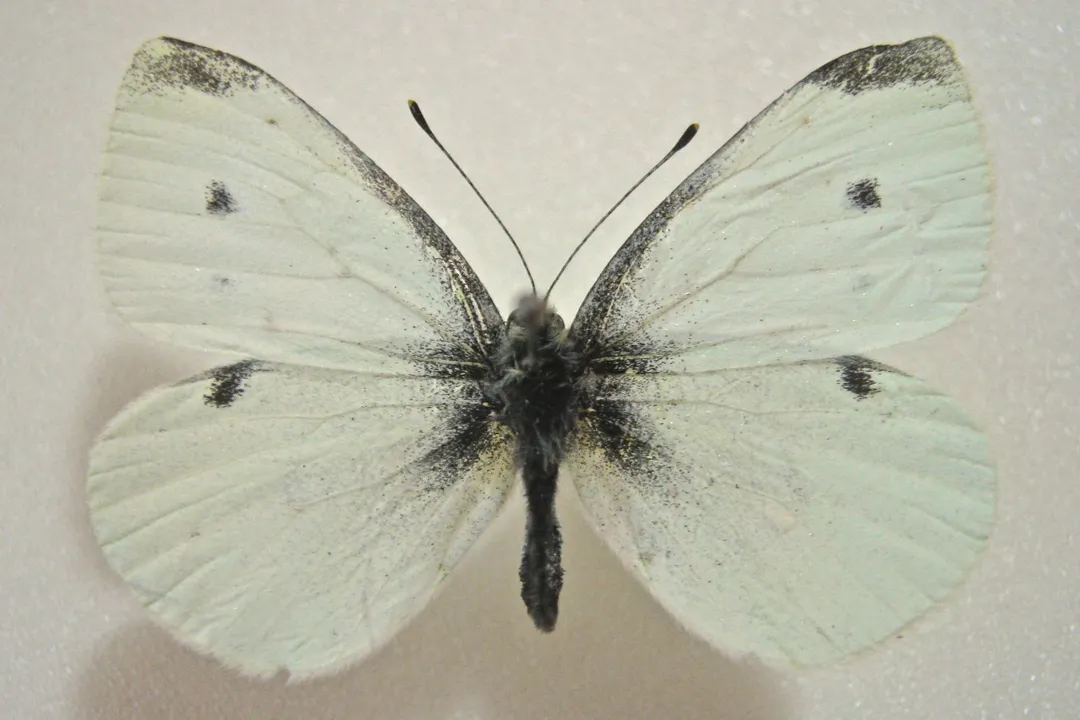
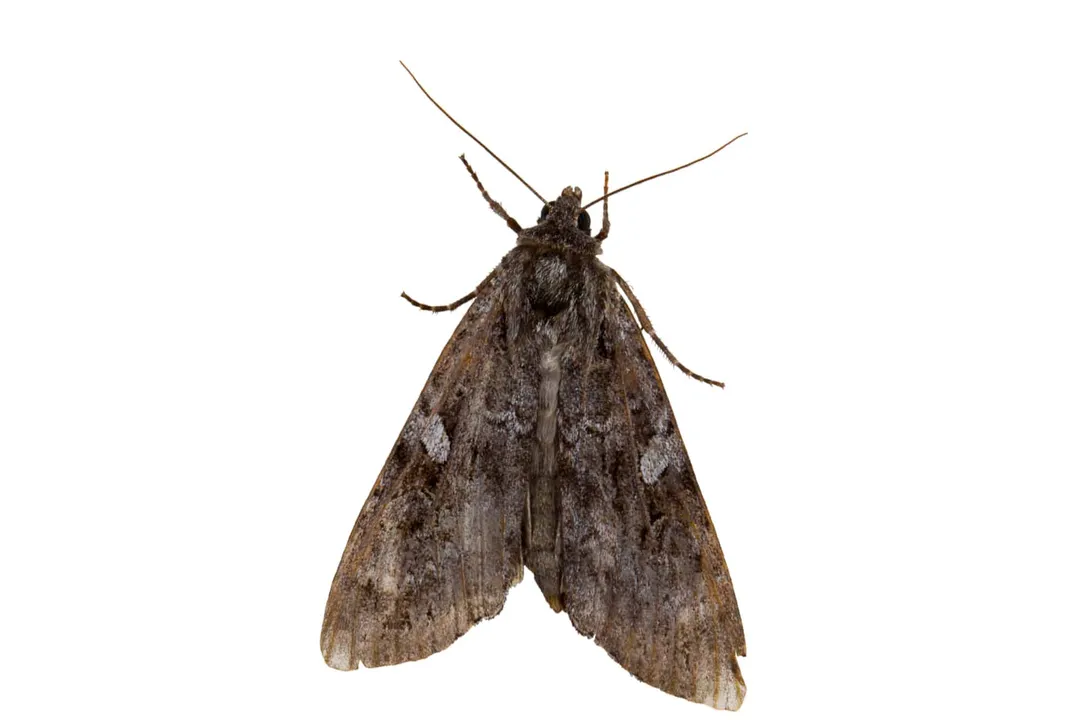
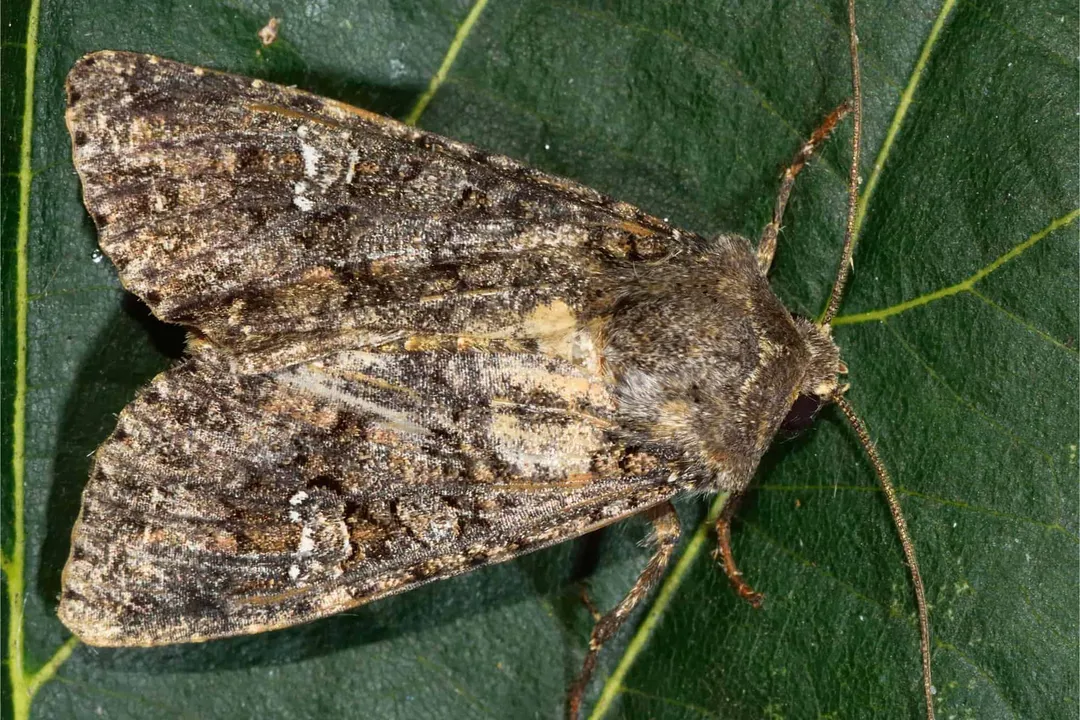
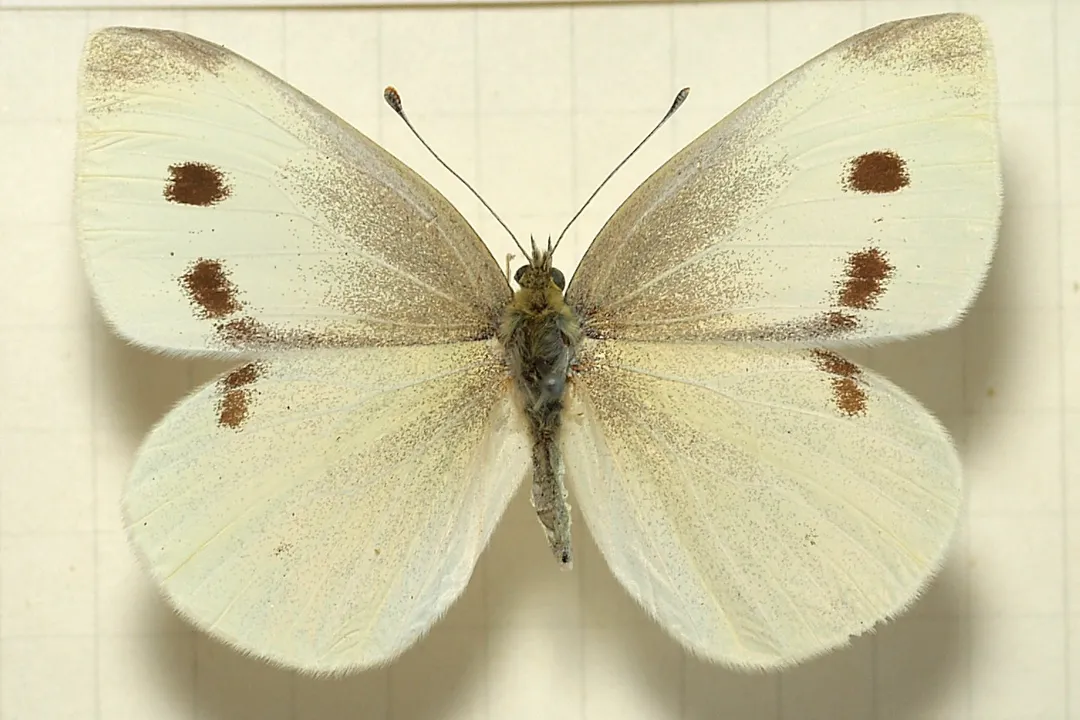
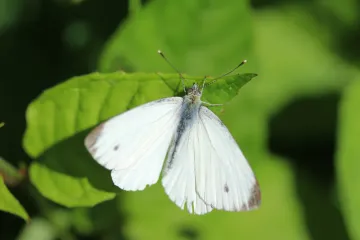
The Cabbage White Butterfly, easily recognizable with its white wings marked with black spots, is a familiar sight. The male has two spots, while the female sports three. These butterflies are diurnal, meaning they are active during the day. In contrast, the Cabbage Moth, scientifically known as Mamestra brassicae, is less distinctly marked, often appearing brown, black, and white. A close relative, the Cabbage Looper (Trichoplusia ni), is another moth species that targets these same plants.
The crucial difference, which directly impacts your pest strategy, lies in their activity schedules.
# Nocturnal Flight Cycles
The key finding for gardeners concerned about nighttime visitation is that yes, certain species identified as cabbage moths do fly and operate under the cover of darkness.
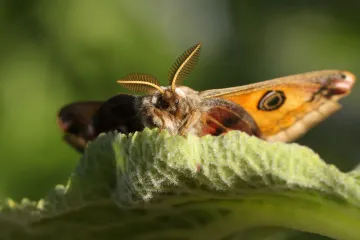
The Cabbage Moth, Mamestra brassicae, is specifically noted by researchers to be more active at night, a behavior that makes spotting the adult challenging during the day. If you notice your plants are being eaten nightly, you may indeed be hosting this nocturnal pest. Similarly, the adult moths of the Cabbage Looper (Trichoplusia ni) are also confirmed to be active at night, during which time the female deposits her substantial batch of eggs—sometimes up to 350 eggs—on the leaves.
This nocturnal tendency has led some seasoned gardeners to suggest that Cabbage Moths generally conduct most of their moving around at night. This is the basis for using decoy moths, with the theory being that if a flying moth perceives existing moth activity during its night patrol, it will move on elsewhere.
# Diurnal Butterfly Activity
To contrast this, the Cabbage White Butterfly (Pieris rapae), the other major culprit, is distinctly not a night flyer. The adult butterfly is very active during the daylight hours, flitting about, feeding on flowering weeds, and crucially, seeking out brassica leaves to lay its tiny, yellowish eggs. When dealing with the Cabbage Whites, daytime surveillance, netting application right after planting, and hand-picking during sunny hours are the most logical intercepts.
This clear separation in activity times is a vital piece of information for allocating limited gardening time, especially for those who cannot be in the patch from dawn until dusk.
# Species Activity Summary
To keep this distinction clear, a quick reference is helpful when planning your defense. It bears repeating that while both cause similar damage as caterpillars, their adult behaviors diverge significantly based on the time of day.
| Pest Name | Scientific Name | Typical Activity Time (Adult) | Primary Identification |
|---|---|---|---|
| Cabbage White Butterfly | Pieris rapae | Daylight hours (Diurnal) | White wings, 2 or 3 black spots |
| Cabbage Moth | Mamestra brassicae | Nighttime (Nocturnal) | Brown/duller coloration, less distinct markings |
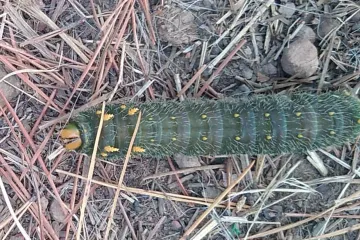
| Cabbage Looper | Trichoplusia ni | Nighttime (Nocturnal) | Grayish-brown moth; caterpillar arches its back when walking |
A practical consideration for the home grower is the sheer volume of activity. While Cabbage White Butterflies are conspicuous during the day, the nighttime activity of the Cabbage Moths means that damage can occur simultaneously, or entirely, when you are asleep. You might wake up to fresh holes, assuming the daytime butterflies caused it, when in reality, the true moth was the perpetrator hours earlier. This suggests that a truly safe brassica patch requires vigilance spanning both day and night, or the implementation of barriers effective 24 hours a day.
# Management Timing and Strategy
Knowing that the Cabbage Moths operate under the cloak of darkness immediately influences the application of any spray treatment meant to target the flying adults or newly laid eggs. For instance, one commenter mentioned applying a product like Thuricide (Bacillus thuringiensis BT) right before sundown because they experienced it to be more effective than daytime spraying. This timing aligns perfectly with the confirmed nocturnal activity of moth species, as the adult is present and potentially laying eggs, and the spray has the entire night to settle before strong morning sun or heavy dew might degrade it.
Conversely, if you are relying on manual inspection for eggs or young caterpillars—which are easiest to eliminate—you might focus your efforts during the day when the Cabbage White Butterfly is active and laying, or check the undersides of leaves early in the morning before the butterflies resume laying for the day. However, for the nocturnal Cabbage Moth, searching for eggs in the evening or very early morning before their flight period might be necessary if you prefer not to patrol after dark.
Furthermore, encouraging natural predators can be a year-round strategy, but understanding the pest’s schedule can help you support the beneficials that might be more active at specific times. For example, attracting parasitic wasps via flowering companion plants like dill or parsley is advocated, as these wasps will target the caterpillars regardless of the time of day the moth laid the egg.
# Physical Barriers and Chemical Choices
The majority of practical advice offered by gardeners centers on preventing the egg-laying stage entirely, which negates the need to worry about flight times.
Physical Barriers
The most commonly recommended method to stop any flying pest is physical exclusion. Insect netting, row covers, or even fine mesh like tulle can be placed over the brassicas, preventing the adult insect from landing and ovipositing. This method stops both diurnal butterflies and nocturnal moths effectively. An interesting analysis arising from the use of netting is the potential downside: if not properly secured, it can create a humid microclimate underneath, which can sometimes lead to other issues like slug infestations or increased dampness. If you must remove netting for weeding or harvesting, the window when the pest can strike is reopened, whether it’s the daytime butterfly or the nighttime moth.
Biological and Organic Control
For those avoiding heavy physical barriers, biological controls are popular, often focusing on the larval stage:
- Bacillus Thuringiensis (Bt): This soil microbe produces toxins activated only when ingested by larvae, making it highly targeted. Applying it when the moths are active (at night for M. brassicae and Loopers) ensures the maximum amount of fresh leaf surface is treated for the hatching caterpillars to consume.
- Neem Oil: Another common organic spray that should be applied with care, often requiring a strong mixture of cold-pressed oil.
- Predator Attraction: Cultivating a garden rich in flowering plants (Apiaceae family members like parsley, dill) attracts parasitic wasps, which lay their eggs inside the caterpillars, a natural solution that requires patience.
A fascinating, nature-centric approach involves selecting a sacrificial plant—one cabbage or kale plant left relatively untouched to serve as a dedicated feeding ground for the pests. The reasoning here is to concentrate the attack, which in turn attracts a higher population of predators, like the Cotesia Glomerata wasp, that prey on the caterpillars. This method relies on the predator population exploding due to a reliable food source, eventually protecting the rest of your crops, and it bypasses the need for constant night or day monitoring of the primary crop.
# Beyond Night Flight
While the main question concerns the adult moths' flight time, another subtle detail emerges regarding nighttime activity: searching for the caterpillars. While the adult moths may be nocturnal, the caterpillars themselves can sometimes be found more easily after dark. One gardener suggested using a black light search to find the worms on the plants once it is dark. This suggests that while the moth flies at night, a targeted, after-hours search for the larva can be an effective addition to a day-time patrol routine, particularly since the caterpillars often hide on the undersides of leaves. This dual-timing strategy—day for butterflies and young larvae, night for moth interception and larva searching—might represent the most thorough approach for a heavily infested area.
Another tactic mentioned, designed to confuse territorial butterflies, involves placing decoys. If the Cabbage White Butterfly is territorial and avoids areas where it sees another butterfly, this method works during the day. However, if the Cabbage Moth is also territorial and moves at night, the decoys must be visible or somehow influential during their flight period, which brings up the question of whether a visual decoy works in low light, or if their deterrent is based on scent or pheromones—details not provided by the sources but relevant to strategy. Given that the primary nocturnal pest confirmed is M. brassicae, and the decoy tip is paired with the statement that moths fly at night, it implies the decoys are intended to work across both cycles, perhaps through placement rather than pure visual confirmation in the dark.
Finally, gardeners dealing with these pests might find a season-long perspective helpful. Since the pest pressure from the Cabbage White Butterfly is known to decrease as the weather cools, planting late in the season to avoid the peak warmth of the breeding period can naturally reduce the window of attack. This is a strategy that works regardless of whether the pest flies by day or by night, as it leverages environmental factors to reduce the overall population density during critical crop growth stages. The Cabbage Looper activity is also noted to decrease when cool weather (around 50°F) becomes common.
In sum, the answer to whether cabbage moths fly at night is a firm affirmation for the true Cabbage Moth (M. brassicae) and the Cabbage Looper moth. They are nocturnal egg-layers, contrasting sharply with the daylight-flying Cabbage White Butterfly. Effective gardening against this complex involves acknowledging the 24-hour threat, whether through physical barriers, perfectly timed organic treatments applied at dusk, or by letting natural allies like predatory wasps manage the bulk of the work.
Related Questions
#Citations
Gardeners vs Cabbage Moth: The battle is real
How the FUCK do y'all get rid of cabbage moths? - Reddit
Cabbage Worms and Cole Slaw - Tyler Arboretum
Cabbage Moth Insect Facts - Mamestra brassicae - A-Z Animals
Beating the Cabbage White Butterfly - Full Cycle Permaculture