What is a dunker animal?
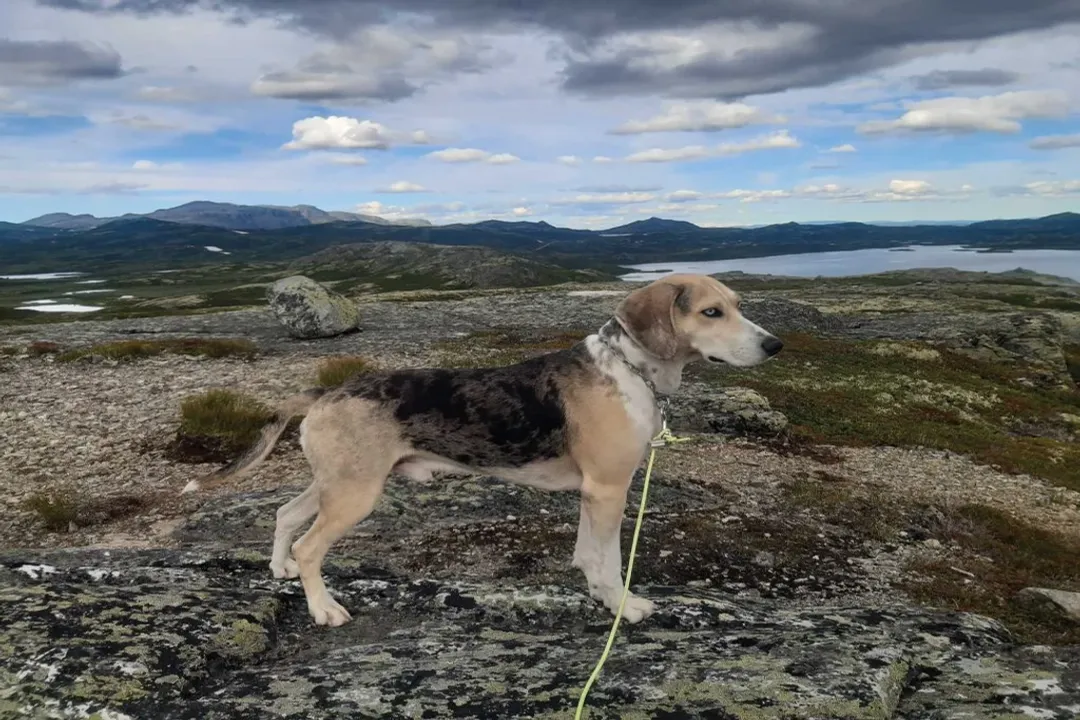
The animal often referred to simply as a Dunker is, in fact, a fascinating and dedicated dog breed originating in Norway. This breed is classified as a scent hound, developed specifically for tracking game across difficult, often wintry landscapes. [2][4][10] Despite its specialized background, the Dunker possesses a demeanor that often surprises those expecting a constantly high-strung hunter, presenting a balance between working drive and companionable affection. [2][6]
# Norwegian Scenthound
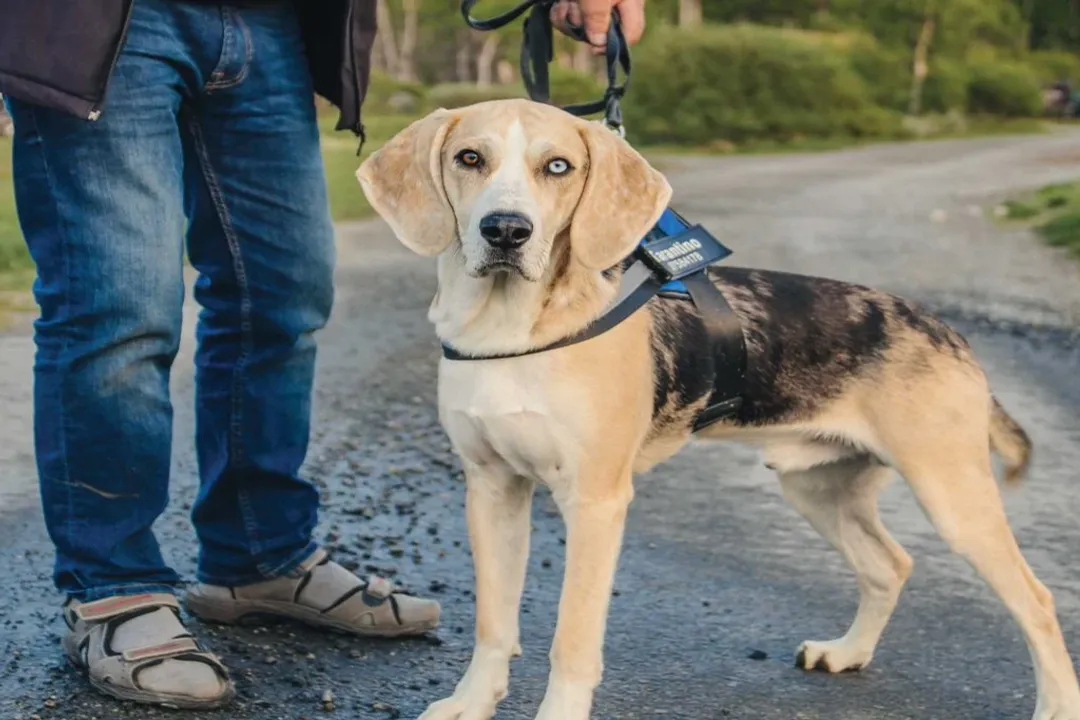
The Dunker’s identity is intrinsically linked to its Scandinavian heritage. It is a medium-sized dog, built to be slightly longer than it is tall, giving it a robust yet elegant silhouette designed for endurance rather than sheer speed. [2][10] Adult dogs typically stand around 47 to 55 centimeters (18.5 to 21.5 inches) at the shoulder and weigh between 18 and 27 kilograms (40 to 60 pounds). [2][10]
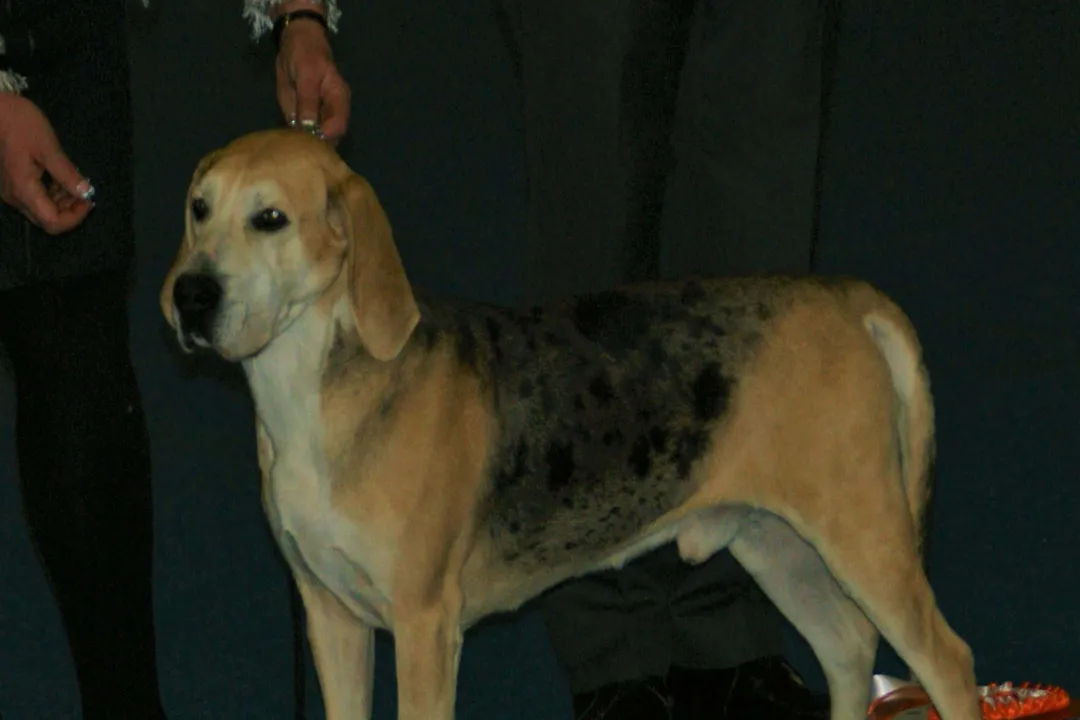
Visually, the breed is quite striking. The coat is short and dense, offering necessary protection against the elements. [2][10] While several colors are permissible according to breed standards, the most common shades are black and tan, or blue-mottled, which is a fawn color with black spots or patches. [2][10] Less frequently encountered variations include black and white, red, or yellow coats. [1][2] The ears are set moderately high and hang down, characteristic of many scenthounds, framing a noble, somewhat elongated head. [10]
# Breeder Origin
The development of the Dunker is credited to Captain Wilhelm Conrad Dunker in Norway around the mid-1800s. [1][2][5] Captain Dunker aimed to create a resilient, excellent scenting hound capable of working effectively in the challenging environment of the Norwegian forests and mountains. [5][6]
The foundational breeding stock for the Dunker is believed to have involved crossing the Russian Hare Hound with local hounds present in Norway at the time. [1][2][5] Some sources suggest the potential inclusion of St. Hubert's Hound or similar breeds in the mix to establish the desired tracking ability and physical structure. [1][5] The goal was a dog that could follow a scent trail over long distances, often hunting cooperatively within a pack setting. [1] This heritage ensures the Dunker possesses the drive and nose required for demanding tracking work. [2]
# Hunting Prowess
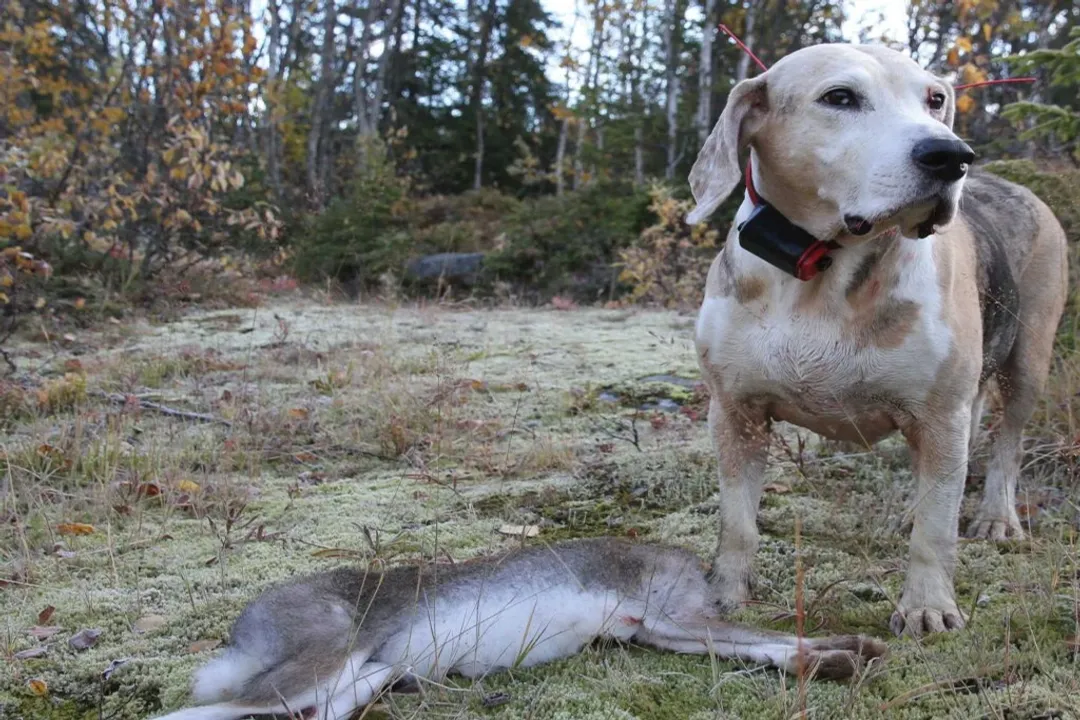
The primary historical and continuing purpose of the Dunker is hunting hare and fox. [2][10] What sets the Dunker apart from many other scent hounds developed in milder climates is its specialization for Nordic conditions. These dogs are exceptionally known for their endurance and ability to work effectively when deep snow covers the ground, a capability that speaks directly to the selection pressures applied by Captain Dunker. [1][2][5]
Many hounds excel on a fresh, dry trail, but the ability to maintain a track through deep powder or over frozen, uneven terrain requires a specific combination of physical structure—like well-boned legs and good reach—and sheer perseverance. [10] This reliance on tracking scent rather than visual cues means their drive is sustained even when the quarry is long gone from sight. [2]
It is interesting to consider how this specialized environmental adaptation shapes the breed today. While a modern pet Dunker might never face a blizzard while pursuing a fox, that inherent programming for sustained effort over rough ground translates into a need for significant, varied exercise rather than just short, predictable strolls. [4] They are not sprinters; they are marathon trackers.
# Nature Indoors
Despite their intense working background, Dunkers generally transition well to domestic life, provided their instinctual needs are met. [4][10] They are often described as good-natured, relatively calm, and devoted to their families. [2][6] They tend to be friendly and are reported to be good with children, making them suitable companions when properly socialized. [2][4]
Their temperament is often characterized by a reserved yet amiable nature. Indoors, they are generally quiet and not overly demanding of constant attention, preferring to rest near their owners. [4][10] They are not typically prone to excessive barking unless they catch an interesting scent or feel they need to alert their people. [6]
However, their calm interior demeanor masks an active mind and nose. For a breed bred to work silently and persistently for hours, mental stimulation is just as critical as physical activity. [4] A common challenge owners face is managing the energy that results from an unfulfilled nose. If a Dunker is simply kept as a sedentary pet without opportunities to use its primary tool, that stored energy can shift into undesirable behaviors, such as destructive chewing or excessive vocalization. Providing regular scent games, such as hiding treats around the house or yard, can often satisfy this need better than simply adding extra laps around the block. [2]
# Owner Demands
The dedication required by a Dunker owner centers primarily on providing adequate outlets for its energy and scenting instinct. [4] While their exercise needs are high, they thrive on purposeful activity rather than repetitive routines. [2] Daily outings should involve exploring new areas where they can put their noses to work, perhaps allowing controlled periods of tracking on a long line.
Grooming requirements are relatively low due to the short, dense coat, requiring only occasional brushing to remove dead hair. [2][4] However, their sensitivity must be accounted for in training. Dunkers respond poorly to harsh methods. [4] Positive reinforcement techniques that build trust and cooperation are essential, aligning with their devoted nature. [6] They are eager to please but can be sensitive to changes in routine or stern handling. [4]
# Club Status
The recognition status of the Dunker shows a slight divergence depending on the international body in question. The breed is recognized by the Norwegian Kennel Club (NKC) and is listed under the FCI (Fédération Cynologique Internationale). [1][5]
It is important to note that the Dunker is not currently recognized by major kennel clubs in certain other countries, such as the American Kennel Club (AKC). [1] However, organizations like the Continental Kennel Club (CKC USA) do include the breed in their registries. [3] This distinction is crucial for prospective owners to understand, as it affects pedigree tracking and participation in certain sanctioned events, though it does not diminish the quality or character of the dog itself. [3] For those seeking a dog with specific working lineage documentation, checking local kennel club acceptance is a necessary first step. [1]
#Videos
Dunker Dog Pros and Cons | Norwegian Hound Advantages and ...
Related Questions
#Citations
Dunker - Wikipedia
Dunker: The Norwegian National Harehound - Dogs - Project Upland
Dunker Dog Breed Information - Continental Kennel Club
Dunker Dog Breed Complete Guide - A-Z Animals
Dunker - Europetnet
Dunker Dog Breed: History, Temperament, Care, and Training If a ...
Dunker Dog Pros and Cons | Norwegian Hound Advantages and ...
All about Dunker breed - Animalia
Dunker Dog Breed: Info, Pictures, Care & More - Dogster
Norwegian Hound | Royal Canin MT