How does the scientific classification of Candoia aspera relate to its taxonomic hierarchy?
Answer
It is part of the Kingdom Animalia, Phylum Chordata, and Class Reptilia.
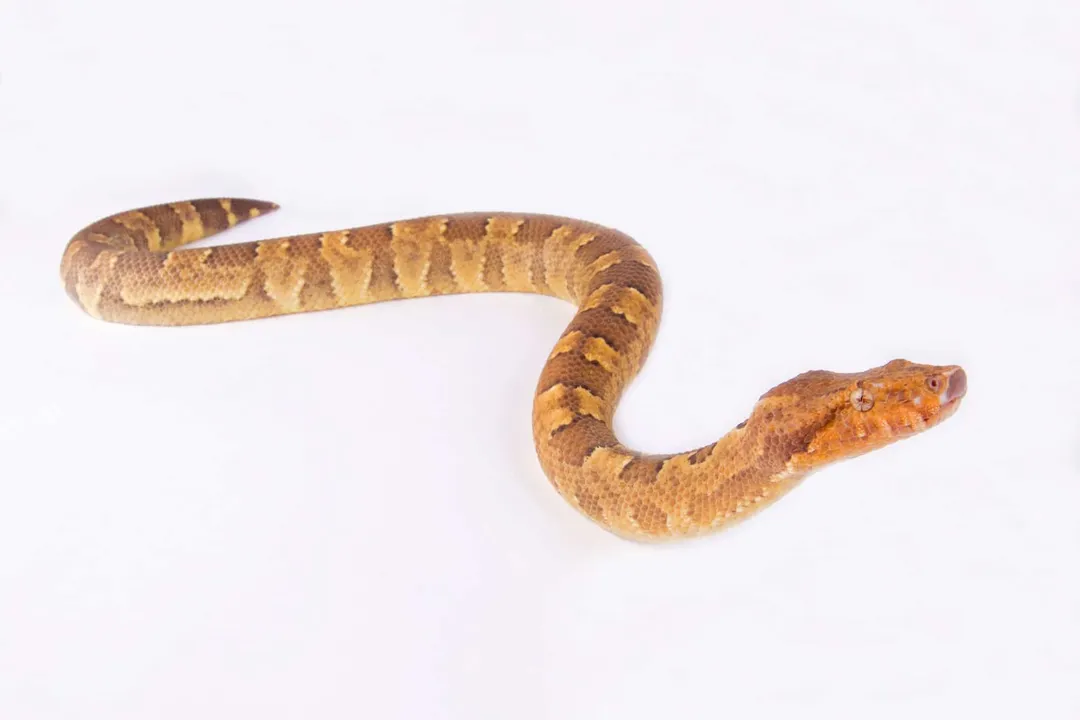
The Viper Boa follows the standard taxonomic hierarchy, placing it firmly within the Kingdom Animalia, Phylum Chordata, and Class Reptilia. This hierarchical placement groups the snake with other reptiles, sharing common evolutionary traits such as scales and ectothermic metabolism. By understanding this clear taxonomic structure, researchers can better appreciate the biological requirements and evolutionary context of the species.
Related Questions
To which scientific family does the Viper Boa (Candoia aspera) belong?In which specific geographic region is the genus Candoia primarily restricted?What is the primary reason the term Viper Boa is considered a misnomer regarding the biological classification of Candoia aspera?What type of environment and lifestyle are typical for snakes within the genus Candoia?Which morphological feature of Candoia aspera is distinct from many New World boas and contributes to its specific appearance?What is another common name sometimes used to refer to Candoia aspera?To which larger order of reptiles does the Viper Boa belong, grouping it with lizards and other snakes?What genera was Candoia historically associated with before being reclassified?Which biological trait is characteristic of the Boidae family to which Candoia aspera belongs?How does the scientific classification of Candoia aspera relate to its taxonomic hierarchy?