Viper Scientific Classification
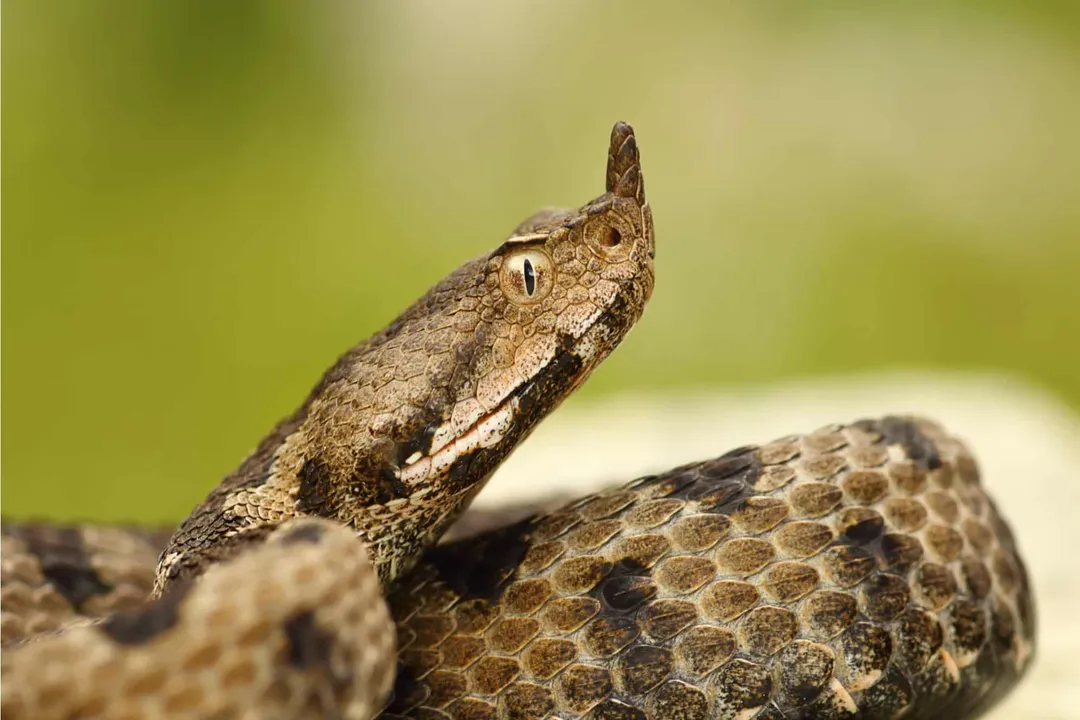
The world of snakes holds many creatures of immense fascination, and among the most recognized are the vipers, often associated with potent venom and distinctive head shapes. [1][3] Understanding where these snakes fit into the grand scheme of life requires diving into scientific classification, a hierarchical system that organizes biodiversity from the broadest categories down to the specific species. [2][7] This nested structure reveals evolutionary relationships, grouping organisms based on shared characteristics that have developed over vast stretches of time. [4]
# Kingdom Life
At the highest level of classification, all vipers fall squarely within Kingdom Animalia. [3][4] This designation places them among multicellular, eukaryotic organisms that are heterotrophic, meaning they must consume other organisms for energy, a fundamental trait distinguishing them from plants and fungi. [7] Within Animalia, they are further categorized into Phylum Chordata, indicating they possess a notochord at some stage of development, which in snakes has evolved into the backbone. [4]
# Reptile Class
Moving down the ranks, vipers belong to Class Reptilia. [1][3][4] This group includes snakes, lizards, turtles, crocodiles, and the tuatara. [9] Reptiles generally share key characteristics: they are vertebrates, typically possess scales, and are ectothermic—relying on external heat sources to regulate their body temperature. [1][3] For instance, a viper basking on a warm rock is engaging in essential thermoregulation behavior common to its class. [5]
# Order Snakes
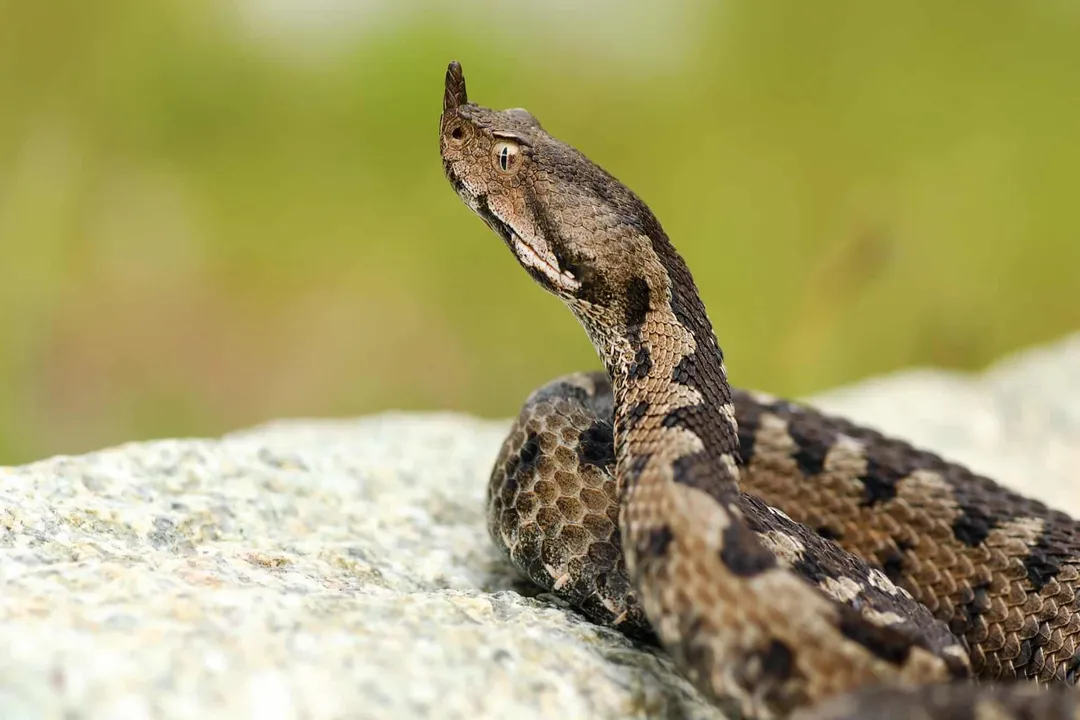
The order that encapsulates all snakes and lizards is Squamata. [4] This is a massive and successful group, and snakes themselves are defined by adaptations like the loss of limbs and the elongation of the body. [9] Within Squamata, vipers are separated from the vast majority of other snakes, like colubrids, by a crucial physical adaptation related to their venom delivery system. [1]
# Family Viperidae
The specific family for true vipers, including pit vipers, is Viperidae. [2][4][7] This is perhaps the most critical classification level for discussing these snakes, as it groups them based on a defining characteristic: the presence of long, hinged, and solenoglyphous fangs in the front of the upper jaw. [1][9] These fangs can fold back against the roof of the mouth when not in use, allowing the snake to maintain a normal gape while still delivering a serious bite. [1][9] This specialization sets them apart from Elapidae (like cobras), which have fixed, shorter fangs. [1]
Viperidae is often divided into two major subfamilies, reflecting a significant evolutionary split within the group:
- Viperinae (Old World Vipers): These generally inhabit Africa, Europe, and Asia. [7]
- Crotalinae (Pit Vipers): These are found primarily in the Americas and Asia, and are distinguished by a noticeable, heat-sensing pit organ located between the eye and the nostril. [7]
It is interesting to note that while Vipera berus, the Common European Viper, is a classic Old World viper belonging to Viperinae, [5] the Mangshan pit viper, despite its name, belongs to the Crotalinae subfamily due to the presence of those loreal pits. [8] This distinction, centered on the presence or absence of the pit organ, highlights how a single anatomical feature dictates major familial divisions in taxonomy. [7]
# Genera and Species Diversity
Once within the family Viperidae, classification becomes much more granular, sorting snakes into genera and then species. [2] The sheer number of genera and species within Viperidae reflects the diverse ecological niches they have occupied across the globe. [4]
# Old World Examples
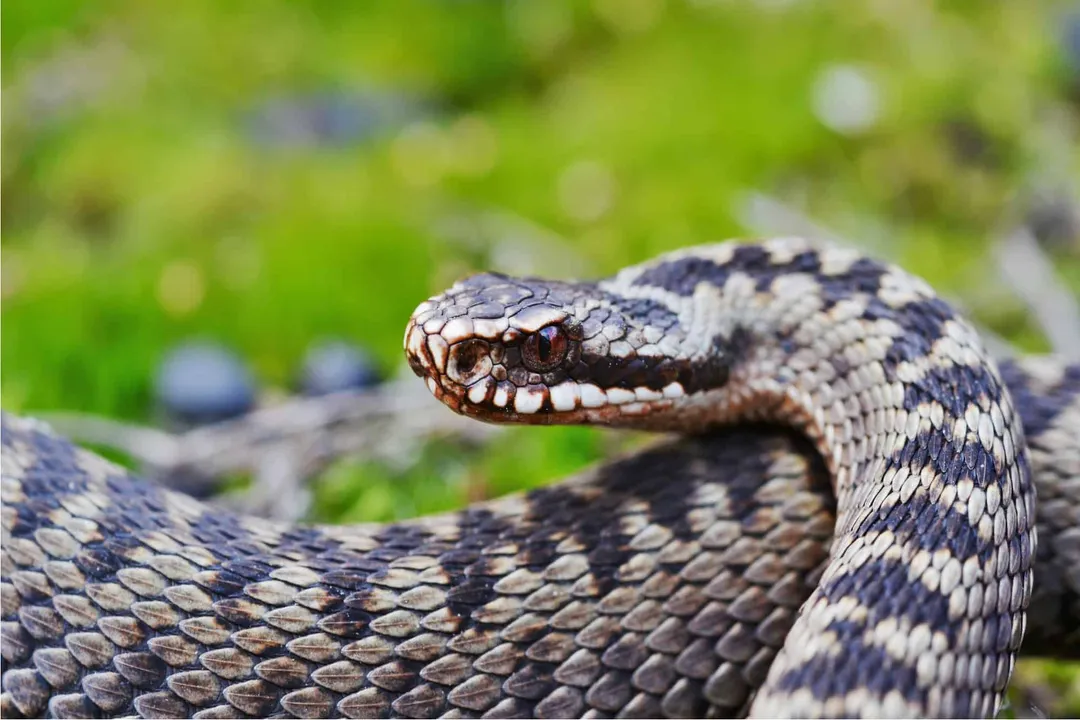
The genus Vipera exemplifies the diversity found within the Viperinae subfamily. For instance, Vipera berus, the common European viper, is one of the most widespread vipers, found across Europe and Asia. [5] Its classification places it specifically as:
- Family: Viperidae
- Subfamily: Viperinae
- Genus: Vipera
- Species: V. berus [5]
This snake is known for its relatively small size and habit of frequenting open habitats like heathland and moorland, making it a species uniquely adapted to temperate European climates. [5]
# Russell’s Viper Placement
Another medically significant member of the Viperinae is the Russell's viper, scientifically named Daboia russelii. [6] This snake is famous for its role in snakebite envenomation across South Asia. [6] Its systematic position places it in a genus distinct from Vipera, showing that even within the Old World vipers, significant genetic divergence has occurred, warranting separate genera. [6]
| Rank | Vipera berus (Common Viper) | Daboia russelii (Russell's Viper) |
|---|---|---|
| Kingdom | Animalia | Animalia |
| Class | Reptilia | Reptilia |
| Family | Viperidae | Viperidae |
| Subfamily | Viperinae | Viperinae |
| Genus | Vipera | Daboia |
| Species | V. berus | D. russelii |
# New World Pit Vipers
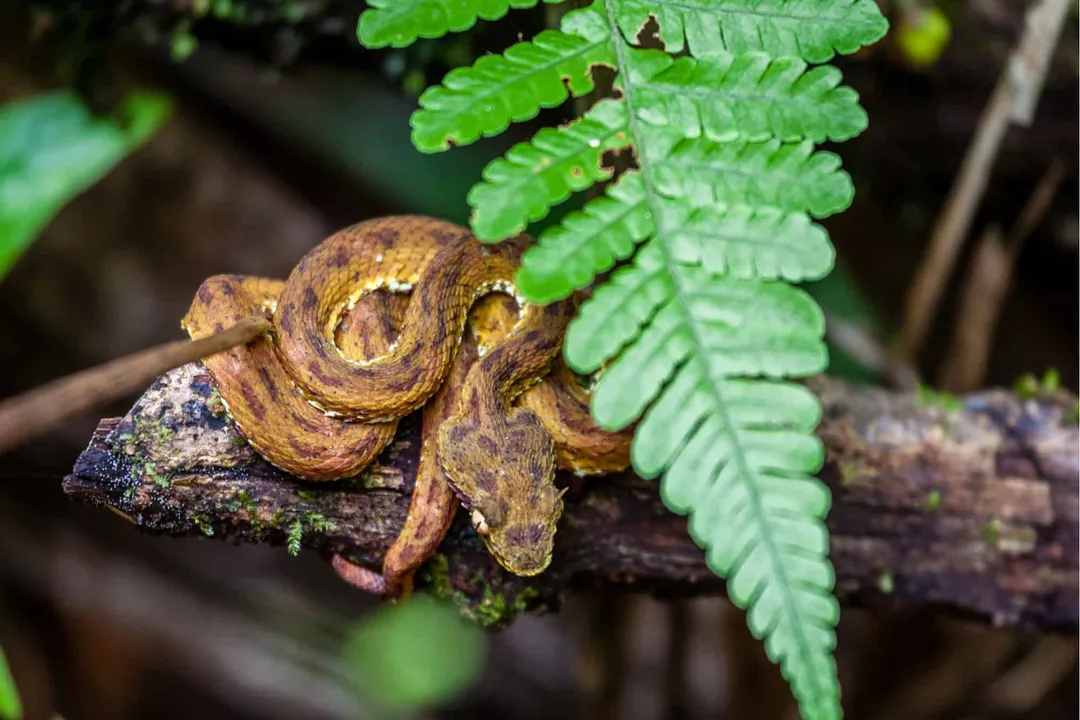
The Crotalinae subfamily, the pit vipers, showcases another major branch of the family. [7] In Asia, one example is the Mangshan pit viper, Zhaoermia mangshanensis. [8] Its classification places it firmly within the pit viper group, even though it is geographically distant from its New World relatives, illustrating that similar selective pressures—such as the need for effective infrared detection—can lead to convergent evolution within the broader Viperidae family. [8]
While the pit viper group is often associated with the Americas (like the Rattlesnakes in the genus Crotalus), the presence of species like Z. mangshanensis in Asia underscores the need for careful taxonomic revision as new morphological and genetic data emerges. [8] Comparing the pit vipers (Crotalinae) to the true vipers (Viperinae) is an excellent way to appreciate how modern classification relies on more than just visible traits; genetic sequencing often confirms or refutes groupings based purely on morphology. [7] For instance, while the presence of the pit organ is a clear marker for Crotalinae, genetic studies have refined genus placements within both subfamilies over time. [4]
# Classification Nuances
Taxonomy is not static; it is a living science constantly updated by new data. [2] When scientists sequence the DNA of various vipers, they sometimes find that traditional morphological groupings, based only on external features or skull structure, need adjusting. [4] A snake might look like a member of one genus based on scale counts or head shape, but its genetic blueprint might link it more closely to another group entirely. [2] This dynamic nature means that the classification you read today might see minor alterations in a few years as molecular evidence solidifies evolutionary trees. [7]
For example, some authorities occasionally move species between genera based on ongoing phylogenetic analysis, reflecting the ongoing expert interpretation of evolutionary history. [2] This continuous refinement speaks to the authority of the scientific process—it prioritizes the most current evidence for determining relationships. [4] Understanding the classification, therefore, is not just about memorizing names; it’s about recognizing the ongoing scientific effort to map out the evolutionary connections among these venomous reptiles. [1] The Linnaean system provides the structure, but modern molecular biology fills in the detail, ensuring that the placement of a viper like V. berus reflects its true lineage among the squamates. [5]
# Venom Systems Reflection
While classification primarily focuses on structure and lineage, the venom delivery system is the feature that most defines the family Viperidae. [1] The sheer potency and variety of venoms across the family—from the hemotoxic effects common in many true vipers to the more complex cocktails found in pit vipers—are products of their long, separate evolutionary paths within that higher family grouping. [6][8] Recognizing that the Russell's viper and the Common European viper, though distinct genera, share the defining characteristic of hinged fangs (Viperinae) helps explain some shared aspects of their venom action compared to a pit viper, even though both belong to the parent family. [6] This link between taxonomy and biological function makes the classification system incredibly practical for fields like toxicology and medicine. [4]
Related Questions
#Citations
Venomous, Pit Vipers, Rattlesnakes - Britannica
Vipers (Family Viperidae) - iNaturalist
Viper - A-Z Animals
Viperidae - an overview | ScienceDirect Topics
Vipera berus (Adder, Northern Viper) - Animal Diversity Web
Russell's viper - Wikipedia
Viperidae - wikidoc
Mangshan Pit Viper (Protobothrops mangshanensis) Fact Sheet
Viper Snake Species Are Always Venomous | HowStuffWorks