How does the scaled skin adaptation benefit rattlesnakes compared to frogs?
Answer
It allows for survival on dry land without constant water connection.
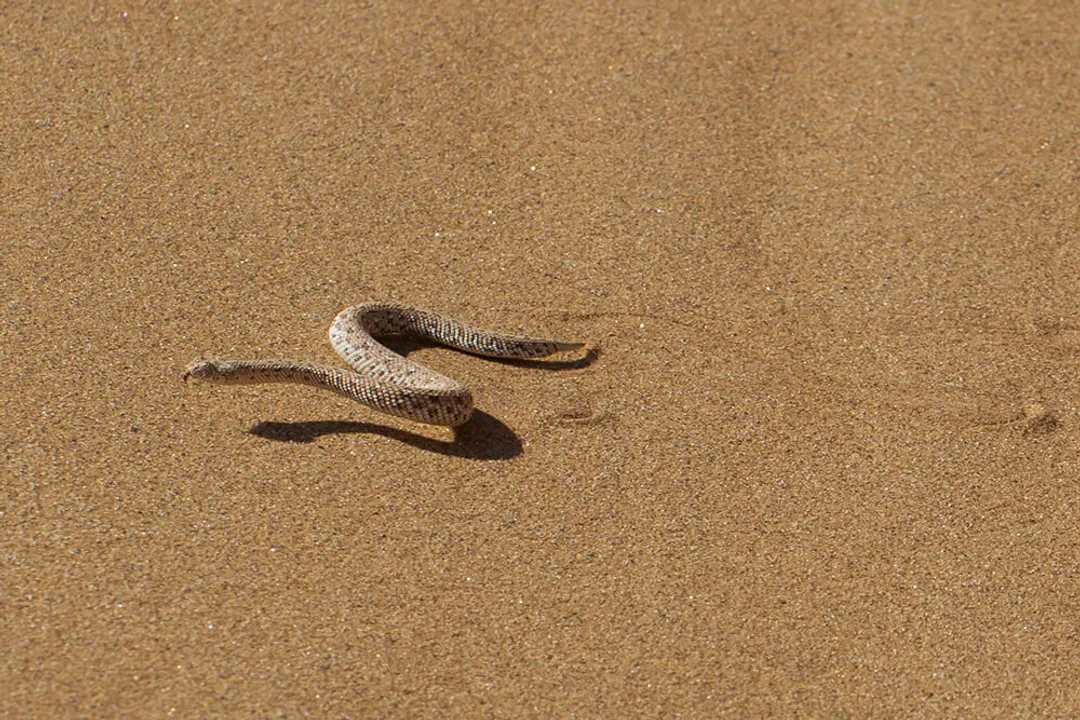
The dry, keratinized, scaled skin characteristic of reptiles like rattlesnakes is a highly effective barrier against desiccation. This adaptation minimizes water loss, which is paramount for terrestrial survival. In contrast, amphibians require constant skin moisture for respiration, severely limiting their time away from damp areas. The rattlesnake's scaled armor allows it to bask in the sun, essential for its ectothermic regulation, without the immediate threat of drying out that would plague a frog or salamander.
Related Questions
What material composes the scales covering a rattlesnake's skin?Why must the smooth skin of amphibians remain moist for survival?What developmental stage do rattlesnakes, as reptiles, entirely skip?How are many rattlesnakes born regarding their development inside the mother?What common method do both rattlesnakes and amphibians use to manage body temperature?How does the scaled skin adaptation benefit rattlesnakes compared to frogs?What modified structures form the namesake rattle at the tail tip of a rattlesnake?What is stated as the primary purpose of the venom injected by rattlesnakes?To which genus within the family of vipers do rattlesnakes belong?Which habitat requirement is essential for the Timber Rattlesnake (Crotalus horridus) that differs from amphibian breeding needs?What distinctly reptilian process involves shedding the old, outermost layer of skin for growth?