Are rattlesnakes reptiles or amphibians?
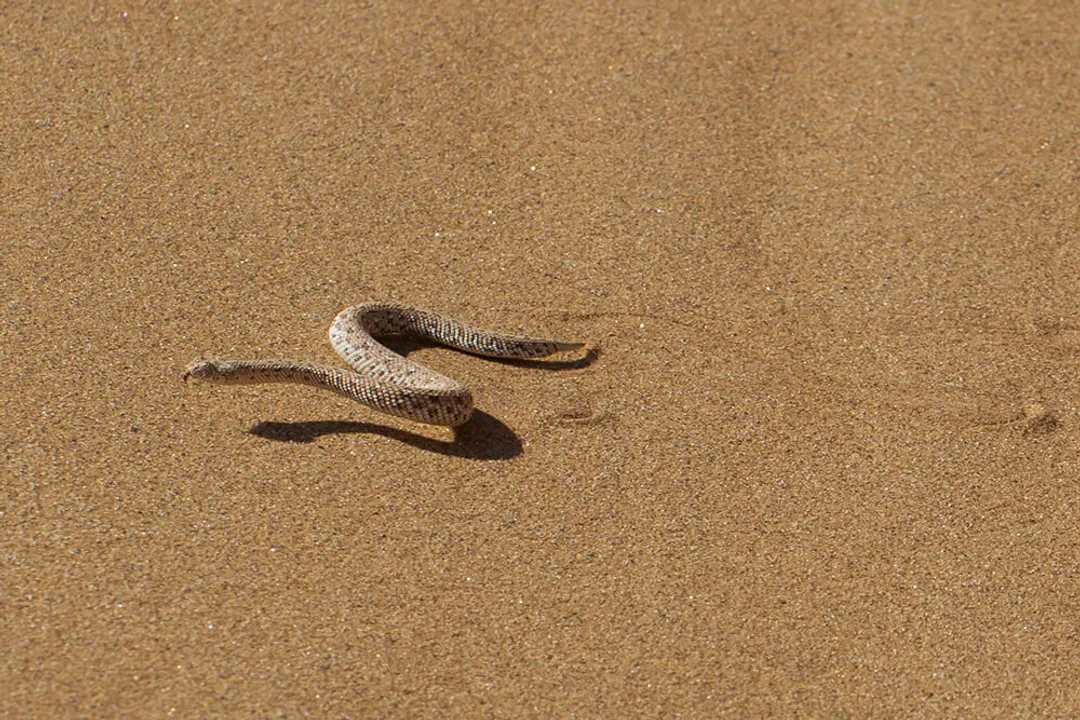
Rattlesnakes belong firmly in the class Reptilia, distinguishing them completely from amphibians like frogs or salamanders. [1][5][7][9] This classification isn't merely a matter of technical labeling; it reflects fundamental differences in their biology, life cycle, and interaction with their environment. To understand why a creature with heat-sensing pits and a dry, scaled skin is a reptile, one must look closely at the defining characteristics that separate these two major groups of vertebrates.
# Scales Skin
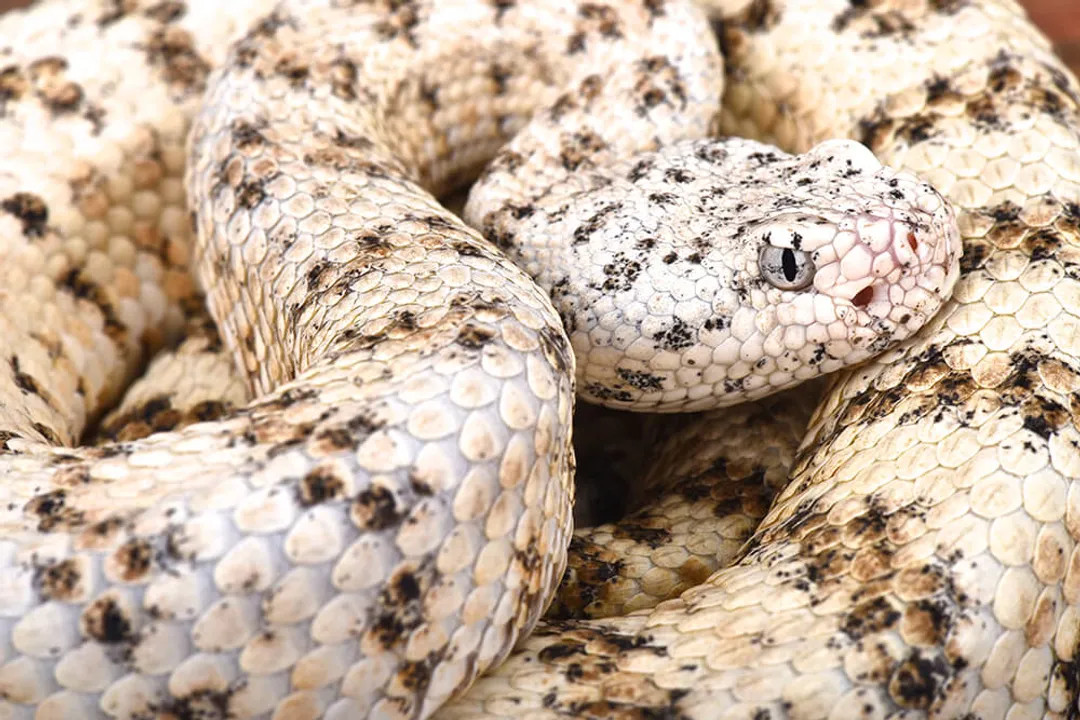
The most immediate visible difference between reptiles and amphibians lies in their outer covering. Reptiles, including all snakes, possess skin covered in scales. [1] These scales are made of keratin, the same tough material that makes up human fingernails, and they serve a critical function: preventing water loss. [6] A rattlesnake, adapted to often arid or semi-arid environments, relies heavily on this adaptation to survive on dry land. They are entirely terrestrial in their adult form, needing no constant connection to water to keep their skin moist for respiration. [6]
Conversely, amphibians—the group that includes frogs, toads, newts, and salamanders—have thin, smooth, and permeable skin. [6] This skin must remain moist, as amphibians rely on cutaneous respiration, meaning they absorb a significant portion of their necessary oxygen directly through their skin. [6] If an amphibian's skin dries out, it essentially suffocates, which is why they are rarely found far from damp habitats or water sources. A rattlesnake, conversely, can bask in the sun, an activity essential for their ectothermic (cold-blooded) nature, without the constant threat of desiccation that plagues its amphibian counterparts. [6]
# Life Cycles
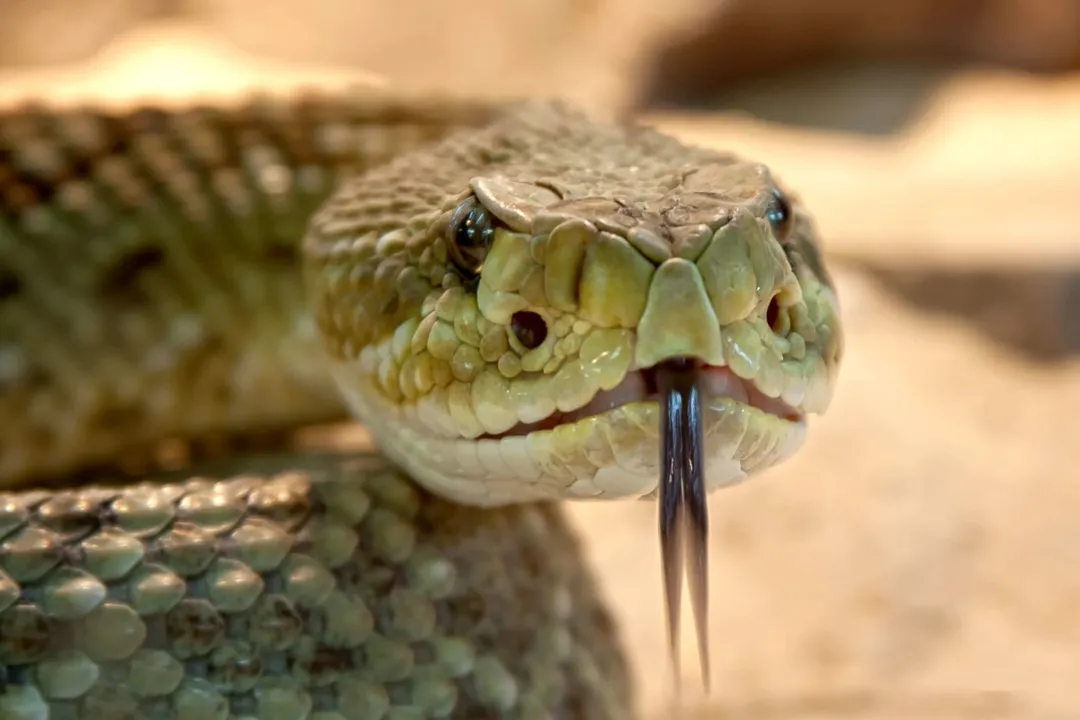
Another defining feature setting reptiles and amphibians apart is their method of reproduction and development. Amphibians typically undergo metamorphosis. Most begin life as aquatic larvae—think of a tadpole—that breathe through gills, possess tails, and look nothing like the adult form. [6] They undergo a dramatic transformation, losing gills, developing lungs, and often losing their tails to become terrestrial adults. [6]
Rattlesnakes, like all reptiles, skip this aquatic larval stage entirely. They develop from amniotic eggs, which contain specialized membranes that protect the embryo and allow it to develop on dry land, either laid externally or, in the case of many rattlesnakes, retained internally until birth. [1] Rattlesnakes give birth to live young—they are ovoviviparous—meaning the young develop inside the mother and are born fully formed, miniature versions of the adults, ready to fend for themselves. [3] There is no larval stage, no gills, and no need for a pond or stream to begin life. If you encounter a small snake in a field, you can be quite certain it is a reptile, as no true amphibian in the snake lineage goes through that development. [6]
# Ectothermy and Metabolism
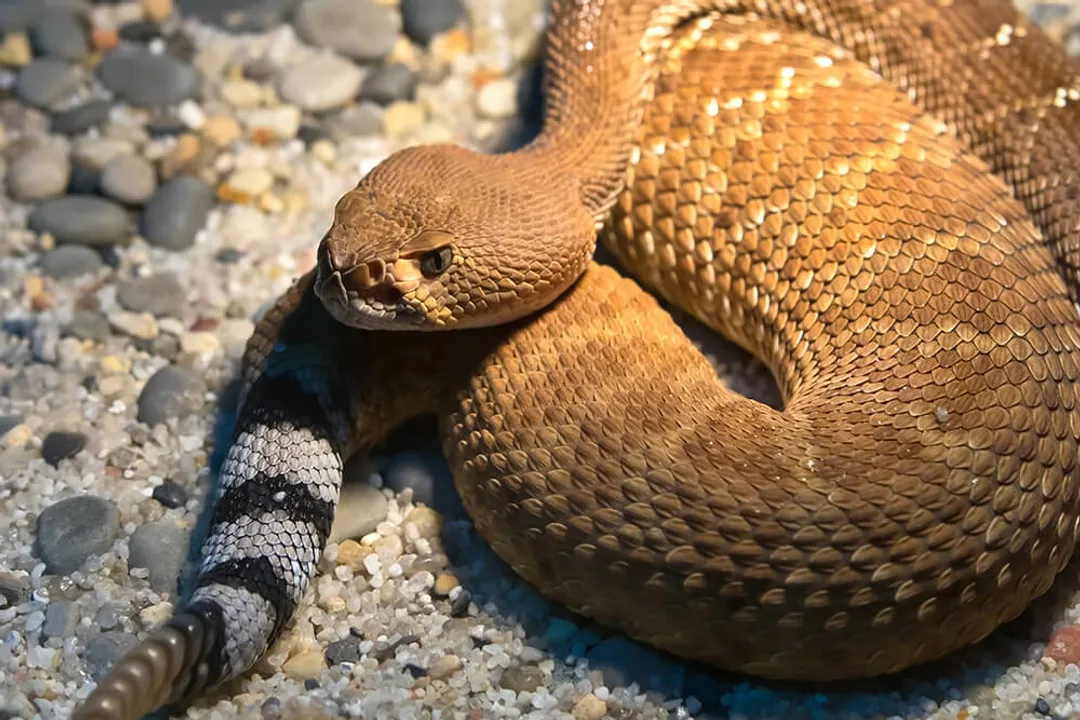
Both groups are ectotherms, commonly but somewhat misleadingly referred to as "cold-blooded," meaning they rely on external sources to regulate their body temperature. [6] However, the way they utilize the environment differs because of their other physical traits. Reptiles, with their scaled skin, are highly efficient at basking in the sun to rapidly raise their core temperature to optimal levels for digestion and activity. [6] They can often tolerate higher body temperatures than amphibians. [6]
Amphibians, needing to keep their skin moist, often must seek shade or retreat underground when the sun is too intense, limiting their periods of high activity compared to a reptile that can position itself perfectly on a sun-drenched rock. For example, the Crotalus horridus, or Timber Rattlesnake, listed as a species of conservation concern in several regions, relies on careful thermoregulation to survive, often shifting between sun and shade but always possessing the scaly armor that grants it wider thermal tolerance than a frog. [5][7][8]
# Rattlesnake Specifics
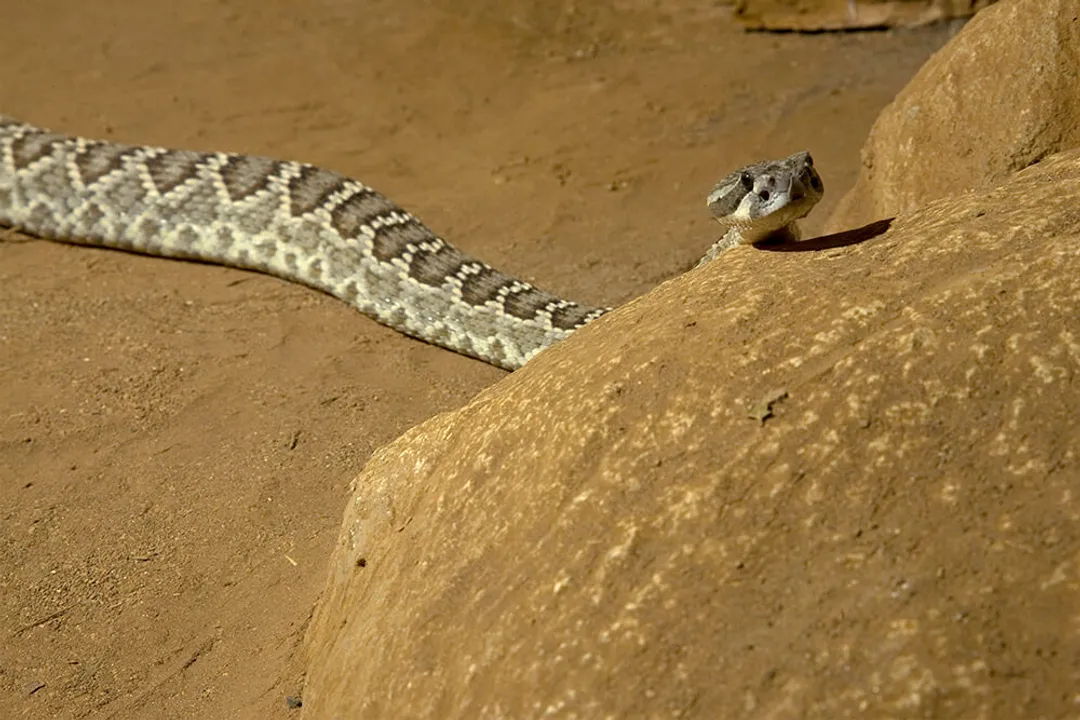
Rattlesnakes are a fascinating group within the larger family of vipers, belonging to the genus Crotalus. [1] They are instantly recognizable due to the keratinous segments that form their namesake rattle at the tail tip. [1] This rattle is a modified set of tail scales, which they shake as a warning signal. [3] This defensive mechanism is a clear marker of a highly specialized reptile.
The vast majority of rattlesnakes are venomous, utilizing modified saliva injected through specialized fangs to subdue prey. [1] This venom delivery system, paired with the snake’s body structure, solidifies its position within the advanced reptile order Squamata. The venom is primarily used for hunting, breaking down tissues to help digestion, rather than being a primary defensive tool, though it certainly serves that purpose when the snake is harassed. [3]
It is worth noting that venomous snakes, including rattlesnakes, represent a small portion of overall snake diversity, but their presence often dominates public perception of all snakes. [1] For instance, in Nebraska, the Timber Rattlesnake is one of several venomous species cataloged alongside other reptiles like turtles and lizards. [9]
| Feature | Rattlesnakes (Reptiles) | Amphibians (e.g., Frogs) |
|---|---|---|
| Skin | Scaly, dry, keratinized, minimizes water loss [6] | Smooth, moist, permeable, aids respiration [6] |
| Respiration | Lungs throughout life | Gills as larvae; lungs/skin as adults [6] |
| Reproduction | Amniotic eggs or live birth (no larval stage) [1] | Usually lay gelatinous eggs in water; involve metamorphosis [6] |
| Habitat | Terrestrial; adapted to varied, often dry climates [6] | Tied closely to moist or aquatic environments [6] |
# Habitat Differentiation
Considering the regional distribution further emphasizes the classification. In places like Washington State, herpetologists differentiate local reptiles, such as snakes and lizards, from amphibians like frogs and salamanders based on these exact criteria. [6] Similarly, the Timber Rattlesnake is documented across various Eastern and Midwestern states, from Maine to Nebraska, thriving in habitats that range from rocky outcrops to mixed forests, showcasing their adaptability as reptiles that do not require aquatic environments for survival. [5][7][9]
When residents in these areas are reminded to look out for the Timber Rattlesnake, which is sometimes threatened or endangered depending on the specific locale, they are being warned about a reptile whose biology is fundamentally different from the local bullfrogs or spotted salamanders. [7][8]
# A Practical Check
Here is a simple way to think about the distinction if you are observing wildlife: If the animal has scales and seems perfectly content basking on a dry, warm stone, it is almost certainly a reptile. If the animal is slimy or smooth-skinned and is hiding under a damp log or near the edge of a pond to keep from drying out, it is an amphibian. [6] This skin-to-habitat correlation is one of the clearest indicators for the general observer.
The very act of an adult rattlesnake shedding its skin—a process called ecdysis—is another distinctly reptilian trait, where the old, outermost layer is sloughed off to allow for growth and skin repair, a process amphibians do not undergo in the same manner. [1]
# Conservation Context
Understanding the difference is also important for conservation efforts. Species like the Timber Rattlesnake are often protected because their reptilian needs—like specific basking sites, hibernation dens (hibernacula), and suitable foraging grounds—are often threatened by human development or habitat fragmentation. [7] Because they are slow-reproducing ectotherms, they can be particularly vulnerable to population decline. A local land management strategy aimed at protecting a reptile habitat, such as maintaining sunny, rocky slopes for thermoregulation, would look entirely different from a strategy aimed at protecting an amphibian breeding pond. [5][7] Preserving the right type of habitat is key to protecting the right type of animal. [8]
Ultimately, the rattlesnake is a highly evolved, specialized reptile, a pit viper whose existence is defined by scales, terrestrial adaptation, and amniotic reproduction, placing it squarely outside the definition of an amphibian. [1][6]
Related Questions
#Citations
Rattlesnake - Wikipedia
Rattlesnakes - Reptiles/Amphibians - Animal Encyclopedia
Rattlesnake | San Diego Zoo Animals & Plants
Rattlesnake | National Geographic Kids
Timber Rattlesnake - Oklahoma Department of Wildlife Conservation
Northern Pacific Rattlesnake | Burke Museum
Timber Rattlesnake: Reptiles & Amphibians: Species Information
Crotalus horridus - Timber Rattlesnake - NatureServe Explorer
Timber Rattlesnake | Nebraska Game & Parks Commission