How poisonous is the midget faded rattlesnake?
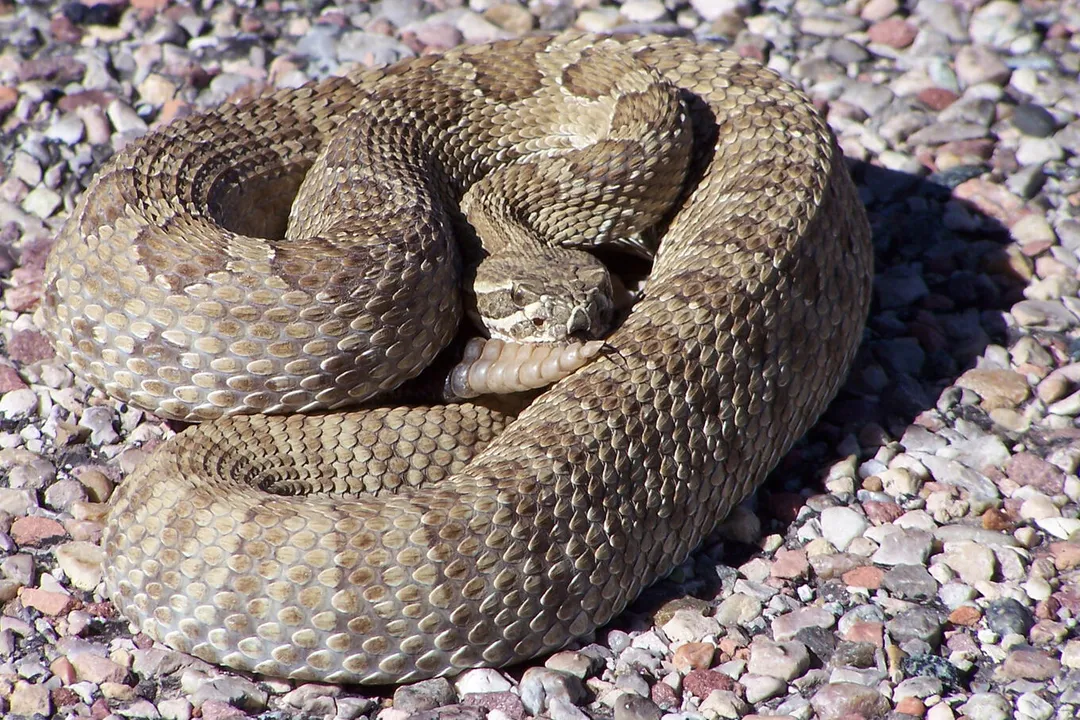
The question of the midget faded rattlesnake's toxicity often leads to comparisons with its larger cousins, but understanding the actual threat requires looking closely at the chemistry and context surrounding this uniquely colored reptile. While its diminutive stature might suggest a mild defense mechanism, the reality is that Crotalus concolor carries venom described as quite potent. Its diminutive size belies the strength contained within its venom glands, presenting a significant medical consideration should an actual bite occur.
# Potency Profile
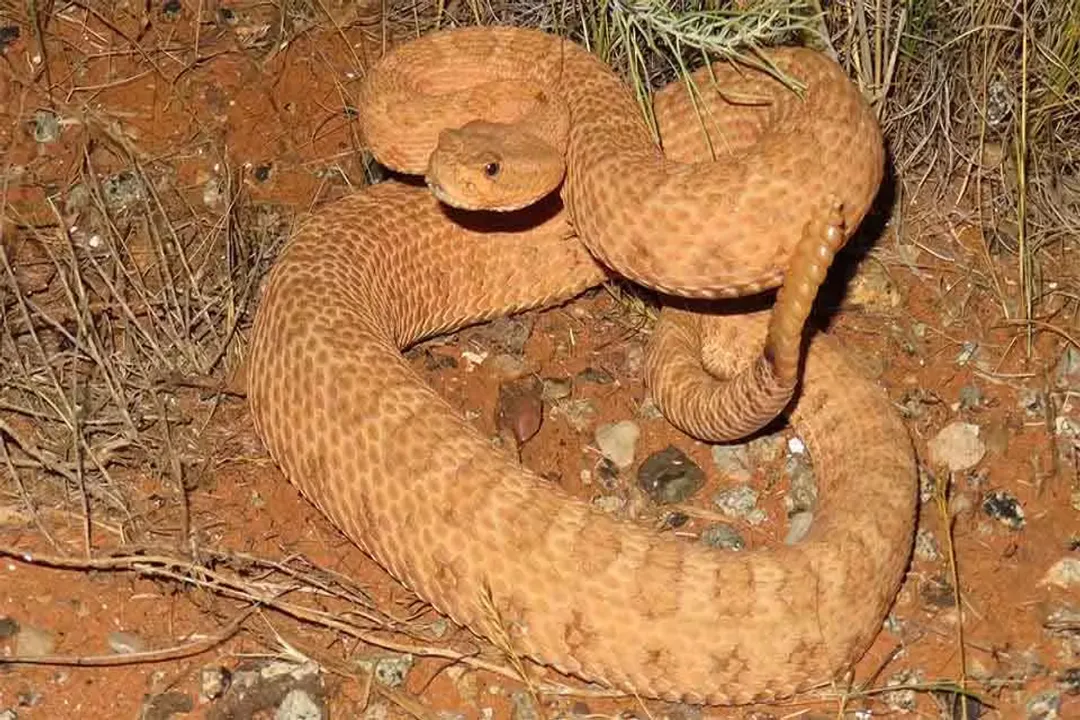
The venom of the midget faded rattlesnake is considered highly toxic. Although specific, standardized toxicity metrics like values are not consistently detailed across general sources, the general consensus among herpetologists and medical professionals familiar with the species is that the venom is medically significant. This toxicity is often characterized by its hemotoxic properties, meaning it targets blood cells and the circulatory system.
It is important to note that Crotalus concolor is sometimes grouped within the spectrum of the Western Rattlesnake (Crotalus oreganus) complex, depending on the classification system used. While the general venom profile shares similarities with other pit vipers in the region, the exact composition and concentration can vary geographically. What remains consistent is the potential for severe envenomation if an effective dose is injected. The term "midget" refers to the snake's size, typically ranging from 15 to 30 inches in length. This small size does not correlate to a proportionally small amount of venom, which is a critical point for anyone assessing the danger level.
# Clinical Outcomes
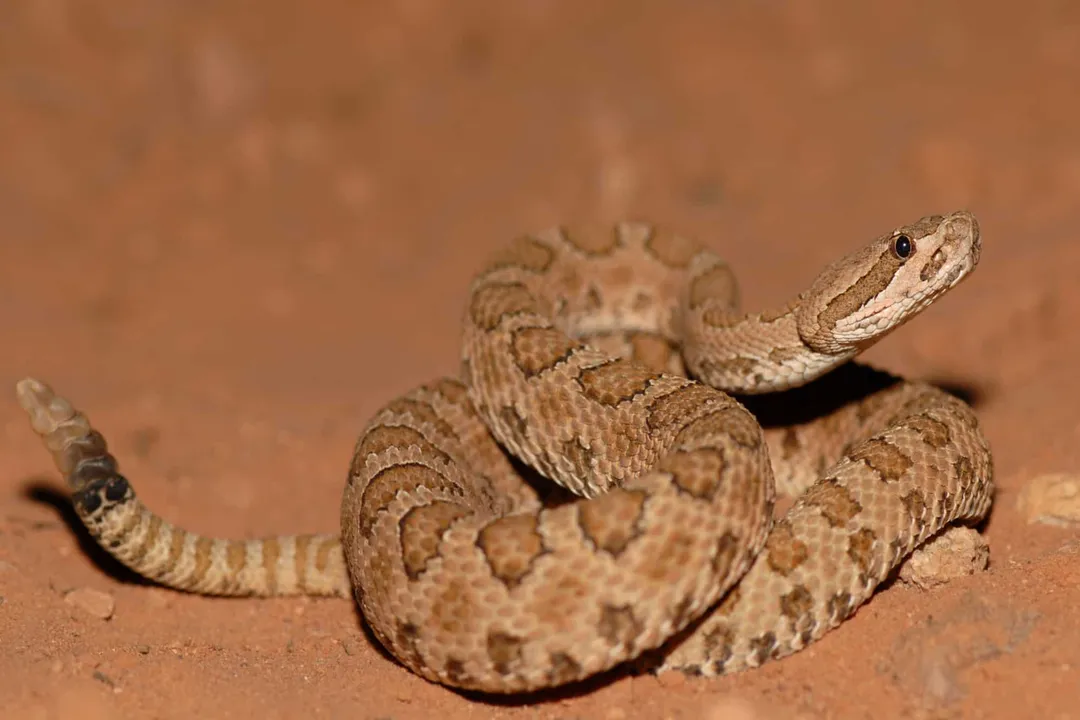
When a bite from a midget faded rattlesnake occurs, the effects are not uniform and depend heavily on the amount of venom injected, the location of the bite, and the victim's health. Bites typically elicit localized symptoms almost immediately, often accompanied by systemic issues developing shortly thereafter.
Localized effects are generally characterized by intense pain at the site of the bite, rapidly followed by swelling and discoloration of the surrounding tissue. Given the hemotoxic nature of the venom, tissue damage can be significant, leading to bruising and potential necrosis if not treated promptly.
Systemic effects, which indicate that the venom has entered the bloodstream and is circulating, can manifest as generalized weakness, nausea, blurred vision, and in more serious cases, internal bleeding issues. These systemic signs differentiate a bite from a dry bite (no venom injected) or a very minor envenomation where only localized pain occurs. A key point to grasp is that while immediate systemic collapse is possible with highly potent venoms, the threat from this species often involves a persistent, painful local injury coupled with circulating toxins that require specialized medical intervention, such as antivenom administration.
For example, a bite on an extremity, like a foot, might mean that the initial local swelling compromises circulation long before medical aid arrives, compounding the venom's direct effect on the blood vessels. Understanding this dual threat—local tissue destruction versus systemic circulatory interference—is vital for first responders and healthcare providers managing the patient.
# Habitat Rarity
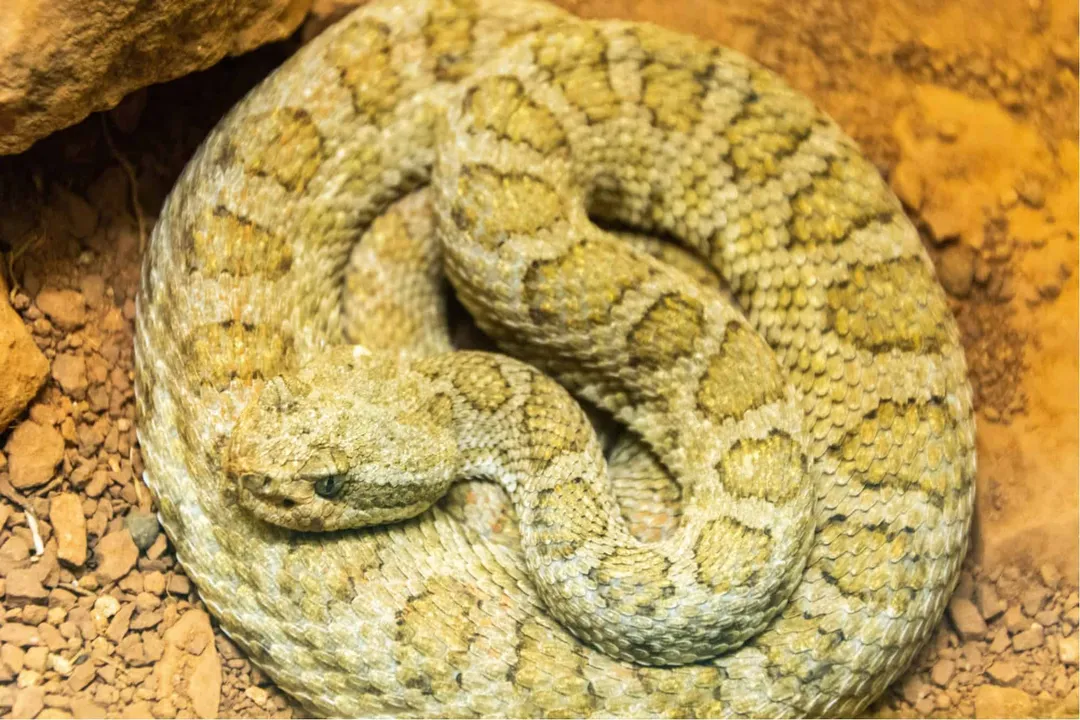
Assessing the overall danger posed by the midget faded rattlesnake requires moving beyond just its venom potency and considering encounter probability. These snakes are relatively secretive and generally prefer less disturbed environments. Their distribution tends to be focused in arid and semi-arid regions of the Western United States, including areas in Utah, Colorado, and Wyoming.
In areas like the high desert terrain surrounding Moab, Utah, for instance, these snakes are present but often difficult to spot due to their excellent camouflage, which perfectly matches the pale, rocky environments they inhabit. They are known to be shy and tend to avoid contact with humans. This behavioral trait significantly reduces the likelihood of a defensive bite compared to more commonly encountered, or perhaps more habituated, rattlesnake species. One insight derived from this tendency is that an encounter is most likely to happen when the snake is deliberately disturbed—stepped on, cornered, or handled—rather than when it actively seeks confrontation. Hikers or off-road users venturing into undeveloped, rocky canyons or scrubland must maintain high situational awareness, recognizing that the risk exists even where visibility is poor and human traffic is low.
# Identifying Features
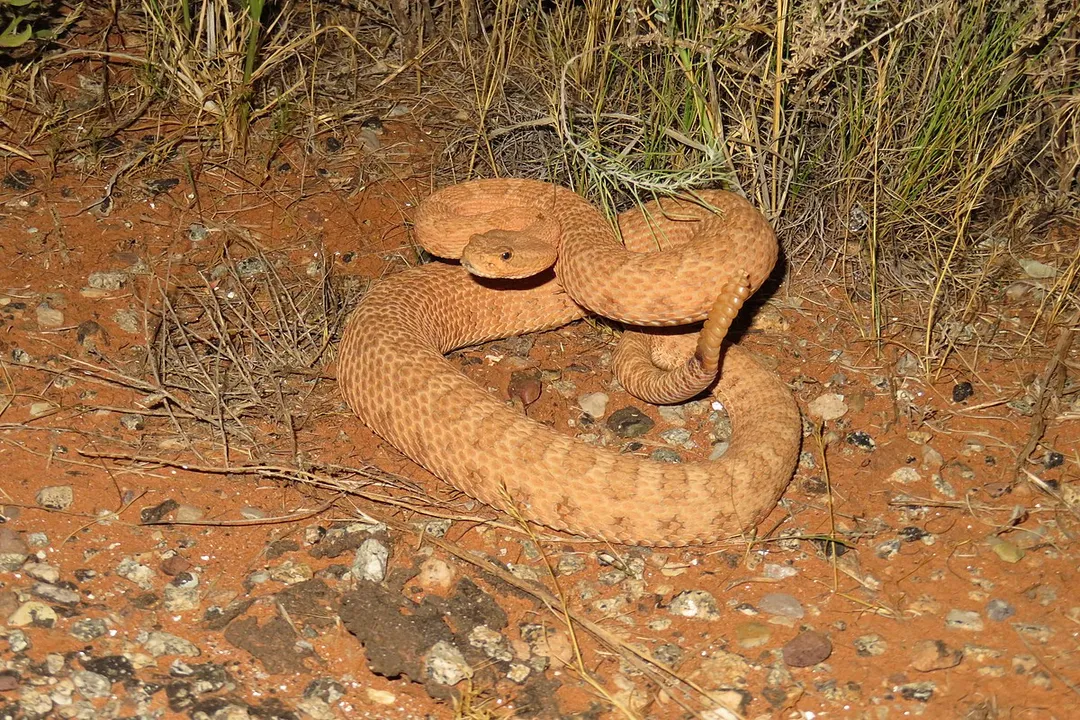
Accurate identification is crucial, as misidentifying a snake can lead to dangerous complacency or unnecessary panic. The midget faded rattlesnake gets its name partly from its subdued coloration. Its base color is often a pale tan, grayish, or yellowish hue, which allows it to blend remarkably well into its dry surroundings.
The pattern usually consists of darker blotches down the back, which are often poorly defined or faded looking, contrasting with the pattern on many darker, more clearly marked rattlesnakes. Another distinguishing characteristic, though sometimes difficult to confirm in the field, relates to the head scales, but the most obvious feature, of course, is the presence of the rattle on the tail, confirming it as a member of the Crotalus genus. Because its coloring is so effective, distinguishing it from other pale desert reptiles or even juveniles of other rattlesnake species can be tricky for the untrained eye.
# Comparative Toxicity
When placing the midget faded rattlesnake's venom into context, it is helpful to compare it against its regional relatives. For instance, in Colorado, Crotalus concolor shares habitat overlap with the larger and more frequently encountered Prairie Rattlesnake (Crotalus horridus or sometimes classified differently depending on the region) or the Western Rattlesnake (Crotalus oreganus).
While general pit viper venoms often contain combinations of hemotoxins and sometimes neurotoxins, studies on related species sometimes show that smaller snakes may possess a higher concentration of toxins relative to their body mass, even if the total venom yield in a single bite is lower due to the smaller glands. Though specific comparative data on C. concolor versus C. oreganus might vary, the accepted understanding is that the venom requires serious medical attention regardless of the comparison. The danger is therefore proportional not just to toxicity per milligram, but to the snake's ability to deliver an effective dose, which, despite its size, it is capable of doing.
# Encounter Protocols
Given the confirmed potency of the venom and the low probability of seeing the snake, the best defense is respectful avoidance and preparedness. For residents or visitors spending time in known habitats, adopting a specific set of behaviors can drastically lower risk.
First, always watch where you place your hands and feet, especially when climbing over rocks, moving logs, or stepping near dense brush where snakes seek cover or warmth. Secondly, wearing protective footwear, such as thick leather boots that cover the ankles, offers a basic physical barrier against low strikes. Finally, carrying a charged cell phone and knowing the emergency contact number for the nearest medical facility capable of administering appropriate antivenom is a non-negotiable step for backcountry travel in snake territory. Recognizing the early signs of a bite—intense localized pain followed by systemic symptoms like nausea or vision changes—allows for rapid self-assessment and immediate evacuation, maximizing the efficacy of medical treatment. Avoiding the snake is far simpler than treating the consequences of a bite.
Related Questions
#Citations
Crotalus concolor - Wikipedia
Rattler: Midget's venom is bigBut it's not likely you'll see one
Midget Faded Rattlesnake (Western ... - Colorado Parks and Wildlife
Midget Faded Rattlesnake Bite - DoveMed
Midget Faded Rattlesnake – Arizona Snake Identification and ...
Midget Faded Rattlesnake Animal Facts - Crotalus concolor
The midget faded rattlesnake (Crotalus Viridis Concolor) venom
Crotalus oreganus concolor: Envenomation Case with Venom ...
Midget faded rattlesnake facts, distribution & population - BioDB