Is a pygmy rattlesnake a pit viper?
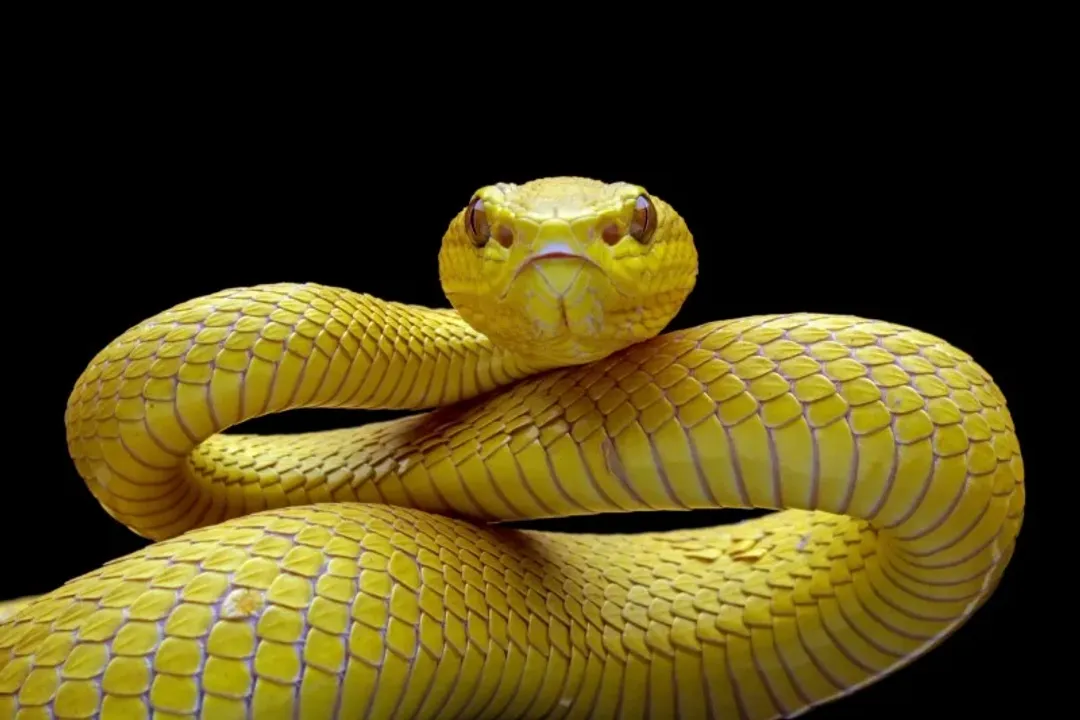
The designation of a pygmy rattlesnake instantly places it within the notorious family of venomous snakes known as the pit vipers. Scientifically classified under the genus Sistrurus, species like Sistrurus miliarius are indeed members of the subfamily Crotalinae, which encompasses all pit vipers native to the Americas and Asia. [1] This classification is more than just a label; it speaks directly to specialized physical adaptations that define this group of snakes, most notably the presence of heat-sensing pit organs located between the eye and the nostril on each side of the head. [1][5] These pits allow the snake to detect the infrared radiation emitted by warm-blooded prey, effectively "seeing" a heat picture of their surroundings, even in total darkness. [6]
# Viper Lineage
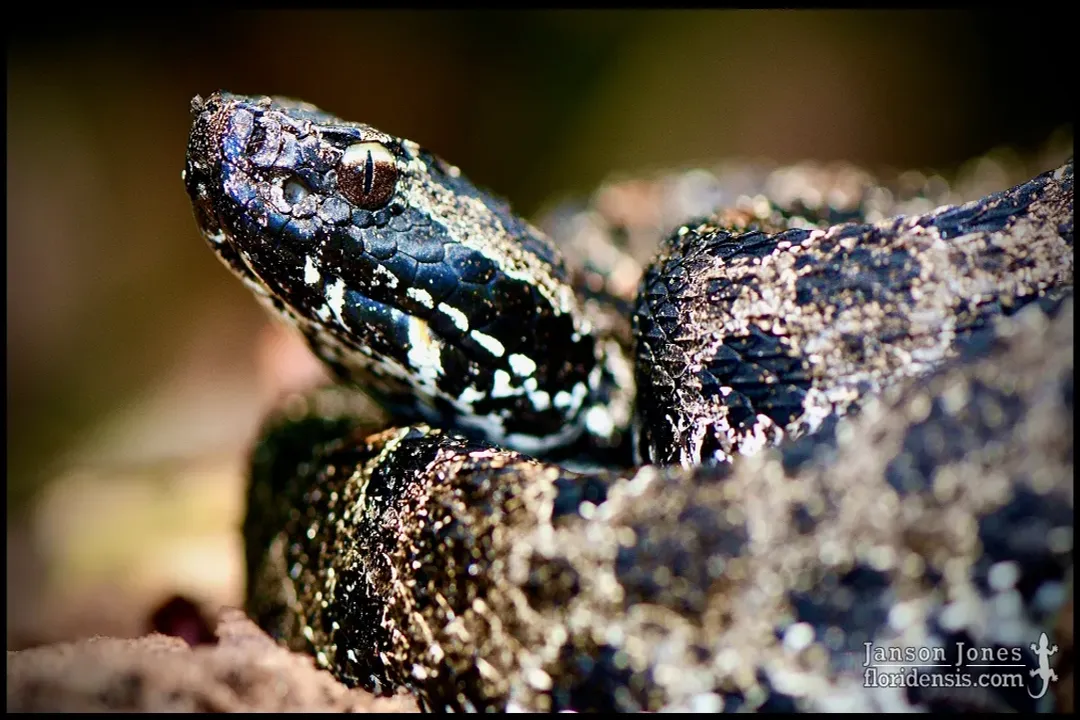
The family Viperidae is broad, but the New World rattlesnakes, including the pygmy, belong specifically to the Crotalinae subfamily. [1] While all rattlesnakes possess a rattle, which they use as a warning device, the distinction of being a pit viper is crucial for understanding their biology and the nature of their bite. [6] Other well-known pit vipers include copperheads, cottonmouths (water moccasins), and the large Crotalus genus rattlesnakes. [5][9] The pygmy rattlesnake, by contrast, is one of the smallest venomous snakes found in the United States. [6] Its smaller stature might lead some to underestimate its danger, but its membership in the pit viper group confirms it possesses hemotoxic venom delivered through hinged fangs. [5][9]
# Distinguishing Features
Pygmy rattlesnakes are characterized by their relatively small size. Adult lengths typically range from about 15 to 24 inches, though some individuals can reach slightly longer measurements. [5][6] This small profile sets them apart dramatically from their much larger cousins, such as the Eastern Diamondback Rattlesnake, which can exceed five feet in length.
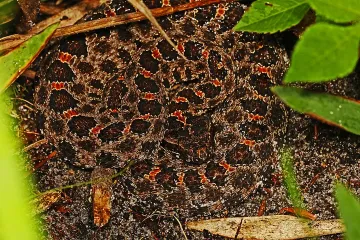
The coloration and patterning of the pygmy rattlesnake are highly variable, often leading to confusion with non-venomous species, a common pitfall when dealing with cryptic snakes. [6] They generally have a grayish, brownish, or reddish base color. [5] Their pattern usually consists of a series of dark, rounded blotches down the center of the back, often bordered with black. [5] In some variations, especially in areas like Florida, they may exhibit three rows of dark spots rather than distinct blotches. [8]
The rattle itself is often inconspicuous. Due to their size, the keratin segments forming the rattle are small, and the sound produced is usually a faint, buzzing sound rather than the loud, distinct warning associated with larger rattlesnakes. [5][6] This subtlety is a key point for awareness; relying solely on hearing a loud rattle to identify a threat is unreliable with this species. [6] Furthermore, some individuals, particularly juveniles or those under stress, may not rattle at all before striking.
# Habitat and Distribution
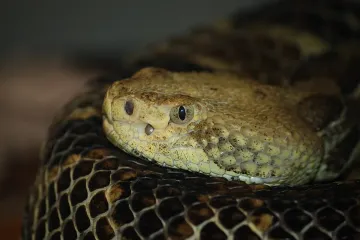
Pygmy rattlesnakes inhabit the southeastern United States, though specific distribution varies by subspecies. [5][9] The Sistrurus miliarius species complex covers a wide range across states like Alabama, Georgia, and Florida. [5][9][8] They are generally terrestrial and often seek cover in areas with dense ground cover. [1]
Their preferred environments include pine flatwoods, dry hammocks, rocky uplands, and swamps. [5] They are also known to be semi-fossorial, meaning they spend a significant amount of time partially buried in leaf litter or soft soil, which enhances their camouflage. [1][6] This habit means they can easily be concealed beneath natural debris that humans might disturb while walking or working outdoors. When considering a walk in areas known for these snakes, picturing the landscape not just as open ground, but as a matrix of leaf litter, fallen logs, and dense low vegetation, underscores where they are most likely to be encountered. [1] The habitat preference generally aligns with areas that provide plenty of small prey, like lizards and mice. [6]
# Defense and Temperament
Like most venomous snakes, the pygmy rattlesnake prefers avoidance over confrontation. Their primary defense mechanism, when camouflage fails or they are directly threatened, is to vibrate their tail to produce the characteristic buzzing sound. [5] However, due to their small size, they are often reluctant to use their venom unless directly handled or stepped upon, as venom production is metabolically costly. [6]
An interesting contrast emerges when looking at their relative size versus the intensity of their defensive display. While the sound is quieter than a timber or diamondback, the instinct to deliver a defensive bite remains strong if they feel trapped. A common scenario for bites involves people attempting to pick up or move the snake, often because they underestimated its identity due to its small size or lack of a loud warning. [7] It is worth noting that even small pit vipers like the pygmy rattlesnake possess a potent venom cocktail. [5]
# Venom Effects
As members of the pit viper group, their venom is primarily hemotoxic. [5][9] This means the venom acts to destroy red blood cells, damage tissues, and interfere with the blood's ability to clot. [5] While bites from larger rattlesnakes often necessitate immediate antivenom due to the large volume of venom injected, a pygmy rattlesnake bite, while medically significant, is usually less severe systemically, provided medical evaluation occurs promptly. [7]
Localized symptoms are typical: immediate, intense pain at the bite site, followed by swelling, redness, and sometimes bruising that can spread outwards from the wound. [5][9] Because their fangs are shorter than those of larger snakes, they might not always achieve a full envenomation (delivering venom), especially if the strike is deflected by clothing or skin folds. [7] However, assuming a bite is venomous until proven otherwise by medical professionals is the only safe protocol. [5][9] Medical evaluation is essential to monitor for systemic effects or secondary infections, even in cases where initial symptoms seem mild. [7]
# Understanding Pit Viper Diversity
When considering the pygmy rattlesnake as a pit viper, it’s useful to see how it fits into the broader structure of Crotalinae across North America. For example, the Eastern and Carolina Pygmy Rattlesnakes, along with the Western Pygmy Rattlesnake, represent three recognized subspecies that share the same genus structure but differ slightly in distribution and minor physical traits. [1][2] This internal variation within Sistrurus highlights that while the overarching "pit viper" label applies universally due to the pits and venom type, subtle ecological and morphological differences exist even within closely related species. [8] This internal differentiation is often studied by herpetologists, as small variations in habitat preference or venom composition can be linked to microevolutionary pressures across their dispersed ranges. [1][8] For the general reader, recognizing that "pygmy rattlesnake" might refer to one of several highly similar, small pit vipers across the Southeast is key to accurate identification in the field.
If you are looking for a way to quickly assess risk in an unfamiliar environment, remember that the physical feature defining the pit viper group—the facial pits—is usually visible upon close inspection, though approaching close enough to confirm this feature is strongly discouraged. [6] In the field, relying on recognizing the general body shape, small size, and the distinctive, though quiet, rattle is the safer visual cue for this specific venomous snake. [5] Given their preferred habitat of dense ground cover, taking an extra moment to visually scan leaf piles or woody debris before stepping or reaching into them can easily prevent an encounter with a coiled, camouflaged pygmy viper. [1][6]
Related Questions
#Citations
Sistrurus miliarius - Wikipedia
Western Pygmy Rattlesnake | Oklahoma Department of Wildlife ...
12 Facts About the Rattlesnake Pygmy You Need to Know
Semi-aquatic pit vipers and Carolina Pygmy rattlesnakes in North ...
[PDF] Pigmy Rattlesnake
The Teeny Tiny Mighty: A Case of Pediatric Envenomation ... - EMRA
How to Identify the Pygmy Rattlesnake - Animals | HowStuffWorks
Sistrurus miliarius, the Pygmy Rattlesnake - floridensis
Pigmy Rattlesnake | Outdoor Alabama