How does the adult ecology of the Xeme compare to the ancestral line associated with Order Charadriiformes?
Answer
It is highly pelagic outside of its Arctic breeding grounds.
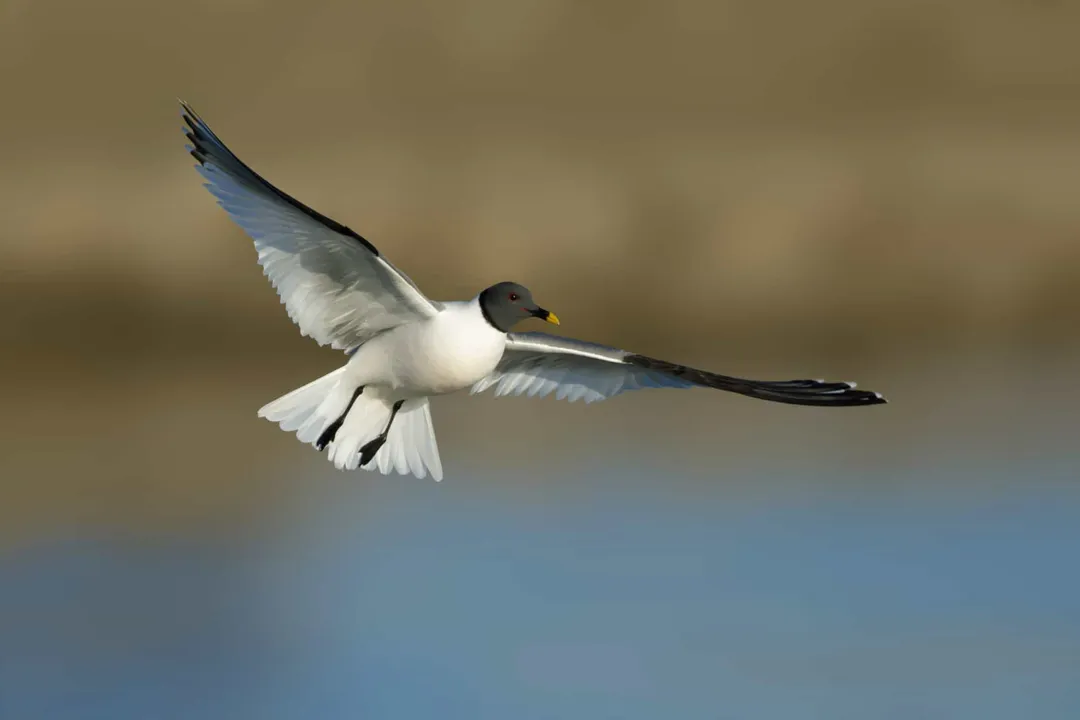
While the Order Charadriiformes classically associates the Xeme with wading birds like sandpipers, the Sabine's Gull exhibits a significant ecological shift in adulthood. Outside of its Arctic nesting period, the species adopts a highly pelagic existence, meaning it spends extensive time far out over the open ocean. This migratory pattern demonstrates that while its classification is based on deep evolutionary ties to the ancestral shorebird line, its current habitat preference has specialized dramatically toward a fully oceanic lifestyle.
#Videos
Xeme Facts: Sabine's Gull (Xema) 𓅰 Animal Fact Files - YouTube
Related Questions
What does the monotypic status of Genus *Xema* imply for *Xema sabini*?Which order groups *Xema sabini* with shorebirds, auks, and other gulls and terns?Which family classification places the Sabine's Gull alongside genera like *Larus* and *Sterna*?Which naturalist is honored by the common English name Sabine’s Gull?What key characteristics define *Xema sabini*'s placement within Class Aves?What characteristic defines *Xema sabini*'s membership in Kingdom Animalia?What feature justifies *Xema sabini*'s placement in Phylum Chordata?How does the adult ecology of the Xeme compare to the ancestral line associated with Order Charadriiformes?In the binomial nomenclature *Xema sabini*, what does the genus designation *Xema* represent?What does the difference between the *Xema* genus and the *Larus* genus imply taxonomically?