Zebu Locations
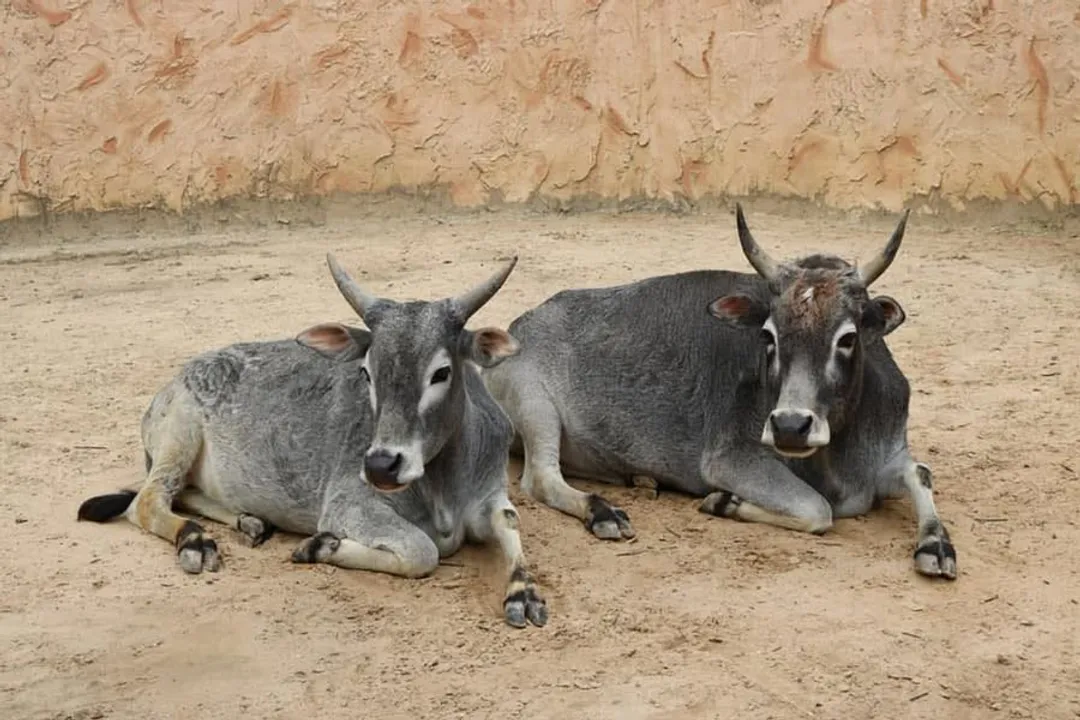
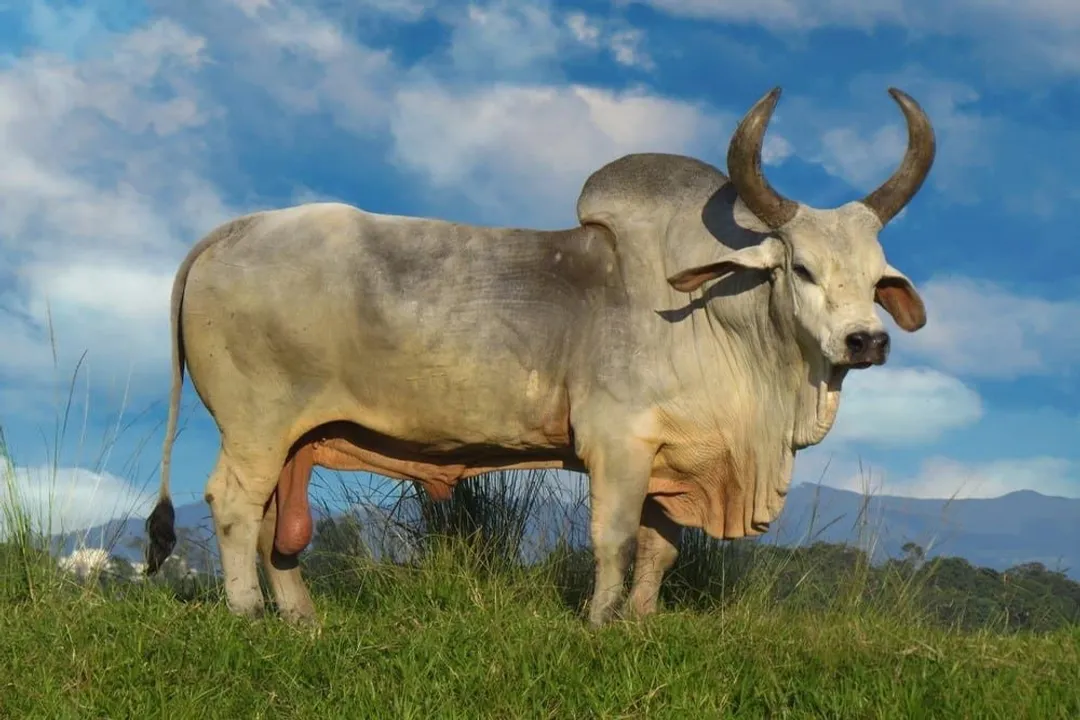
The Zebu, scientifically known as Bos taurus indicus, represents a distinct subspecies of domestic cattle easily recognized by the prominent fatty hump situated above their shoulders. [1][6] Tracing the geographical footprint of these remarkable animals takes us from ancient cradles of domestication to modern agricultural landscapes spanning continents. Their presence across the globe is not random; it is dictated by an extraordinary physiological adaptation to harsh, tropical, and subtropical climates where European cattle breeds often struggle. [2]
# Ancestral Homeland
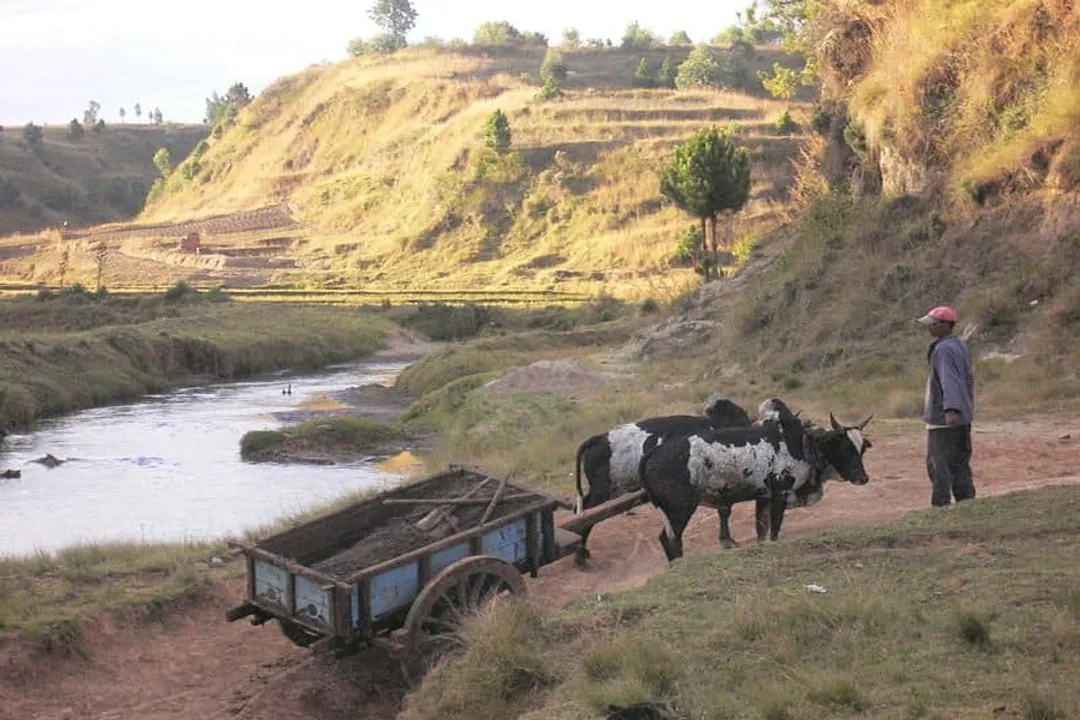
The birthplace of the Zebu is firmly rooted in the Indian subcontinent. [1] Archaeological evidence suggests that Zebu domestication occurred thousands of years ago, likely originating in the region that is now modern-day India. [1][6] This region provided the initial environment—characterized by high heat and significant parasite loads—that drove the evolution of the traits Zebu are famous for, such as heat tolerance and resistance to various tropical diseases. [2] The Zebu’s deep connection to this area is reflected in the many distinct breeds that still thrive there, many of which possess significant cultural importance within India. [1]
# Global Spread
From its starting point, the Zebu began a slow but steady geographic expansion driven by trade, migration, and human need for reliable draught power and milk production. [1]
One significant dispersal route moved westward into Africa, where Zebu cattle became central to the pastoral economies of many nations. In Africa, they have integrated deeply into local agricultural systems, thriving across diverse environments. [1][6]
Another major expansion followed colonial trade routes to the New World. Zebu cattle were introduced to South America, particularly Brazil, and the Southern United States. [1] In these regions, the hardiness of the Zebu proved invaluable for establishing viable beef industries in hot, often humid, or arid interior areas where pure Bos taurus strains could not survive easily. [2]
A practical way to visualize this global shift is by looking at how different regions have selectively bred Zebu types. While the ancestral stock remains in South Asia, the dominant Zebu influence in the Americas is often seen in breeds like the Brahman, which was developed primarily in the US Gulf Coast states using stock imported from India, Pakistan, and Brazil. [1] This highlights that while the location of modern Zebu farming is widespread, the types present in commercial agriculture often represent specialized, acclimatized descendants of the original stock. [2]
# Climatic Selection
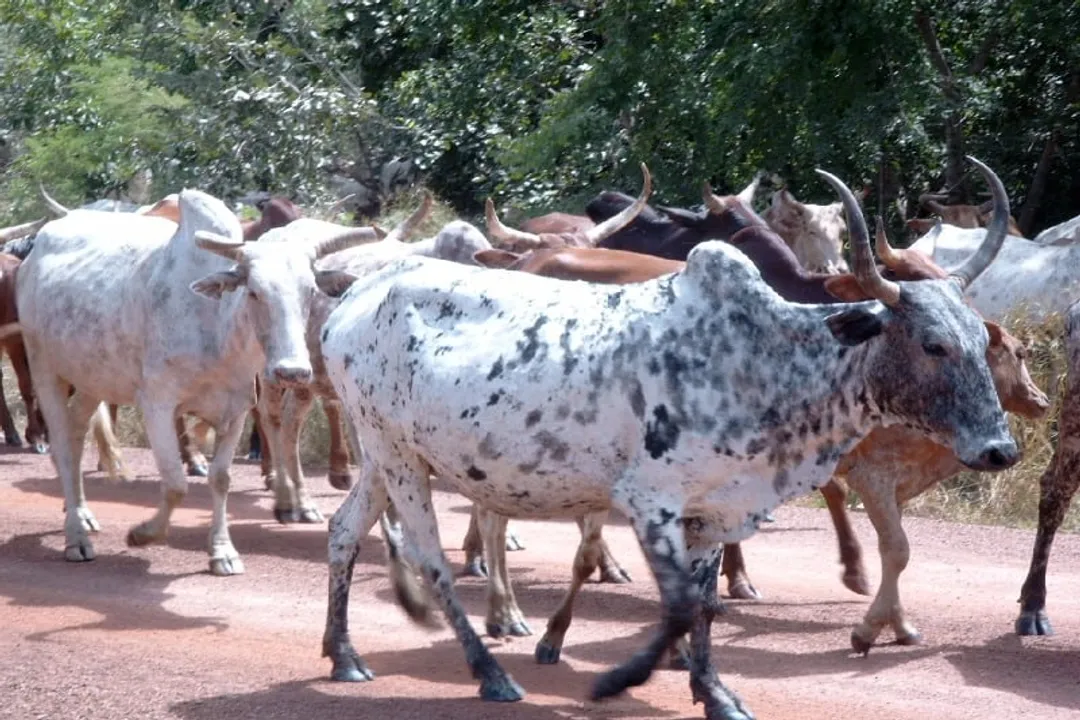
The reason Zebu are located where they are today—from the steamy jungles of the tropics to the drier savannas—is intrinsically linked to their biology. Their physical structure allows them to manage heat far better than their European counterparts. [2]
Key adaptations affecting their location include:
- Sweat Glands: Zebu possess a higher density of active sweat glands, enabling efficient evaporative cooling. [1][2]
- Coat: Their short, light-colored hair helps reflect solar radiation, reducing heat absorption. [1]
- Hump: While traditionally thought to store water, the hump is primarily composed of fatty tissue, which concentrates fat away from the rest of the body, aiding in thermoregulation. [1]
This remarkable ability means that areas characterized by high temperatures and significant humidity, conditions often prohibitive for European cattle, become prime Zebu territory. [2] While they are highly adaptable, their evolutionary success is most pronounced in tropical and subtropical zones. [1][6] It is interesting to observe that although they originated in the humid heat of India, many commercially successful Zebu derivatives in the Americas have been selected for tolerance in slightly drier, yet still intensely hot, environments, demonstrating that their genetic makeup permits adaptation across a broad spectrum of tropical stresses. [2]
# Zoos and Managed Care
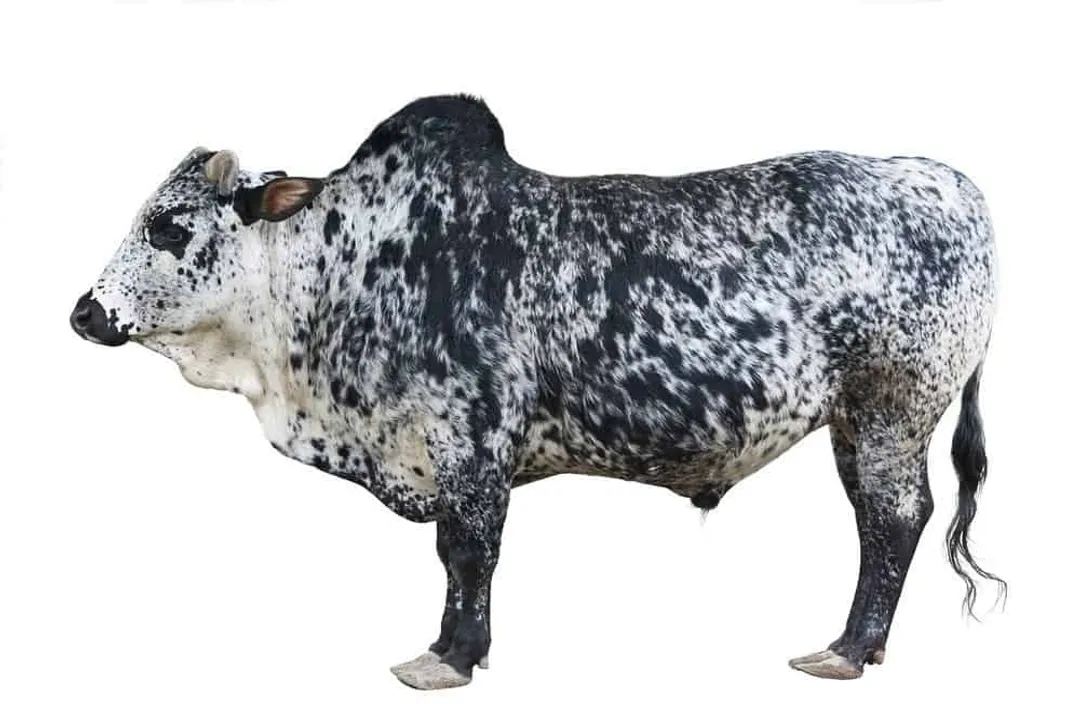
Beyond large-scale agriculture, Zebu are found in managed collections worldwide, often serving educational or conservation purposes. These locations, spanning temperate to tropical zones, are capable of supporting the animals because they provide necessary shelter and climate control, allowing Zebu to be viewed outside their natural heat-adapted zones. [8]
For instance, the Erie Zoo in Pennsylvania, which is certainly not a tropical location, houses Zebu in their Children's Adventure area. [8] Similarly, the San Diego Zoo Safari Park keeps Domestic Zebu, emphasizing that with modern husbandry, their geographical confinement based purely on climate breaks down in controlled settings. [9] At the Wild Adventures Theme Park, Zebu are part of the animal exhibits, showcasing the breed's distinctive appearance to visitors who might otherwise only encounter them in agricultural contexts. [3]
These managed locations, while not indicative of widespread natural habitat, show that Zebu populations exist globally, albeit under human care, extending their observable range far beyond the equator. [3][8][9]

# Miniature Varieties
A specific niche location for Zebu involves miniature breeds, which are often kept as pets, show animals, or on smaller acreage properties. [5] The Miniature Zebu, for example, is sometimes found on hobby farms or in private collections. [5] These smaller versions share the hardiness of their larger cousins but are managed differently than large herds in ranching operations.
Community discussions, such as those found among Miniature Zebu enthusiasts, often reveal a concentration of these smaller animals in areas where land usage patterns favor smaller livestock, such as suburban or semi-rural homesteads across North America. [4] The appeal in these non-traditional farming locations is often their manageability and unique appearance, rather than purely large-scale beef or dairy output. [5]
# Regional Farming Hotspots
When considering where Zebu are commercially located now, the emphasis shifts heavily toward large-scale livestock production zones that experience significant heat.
# South America
Brazil stands out as a massive hub for Zebu genetics. The country utilizes Zebu and Zebu-cross cattle extensively in its expansive cattle ranching sector, particularly in the hotter, interior regions where the breeds' resilience is critical for economic viability. [1]
# North America
In the United States, Zebu influence is most pronounced in the Southern states—Texas, Louisiana, Florida, and the Gulf Coast—where the Brahman breed (a Zebu derivative) dominates certain breeding programs due to its superior performance under intense heat and humidity compared to Bos taurus breeds like Angus or Hereford. [2]
It’s worth noting an important distinction here: while the ancestral home in India supports a vast number of Zebu breeds adapted to local feed and specific cultural uses (like draught work), modern commercial locations in the Americas often prioritize the Zebu's adaptation to expansive, sometimes lower-quality, pasture forage, driving the selection process toward traits emphasizing rapid growth and carcass yield over traditional uses. [1][2] This difference in selection pressure shapes the kind of Zebu found in different global locations.

# Comparison of Types and Locations
Understanding Zebu locations requires distinguishing between the full species range and the commercial range of specific breeds. The Bos taurus indicus group is broad, encompassing everything from the native Sahiwal and Gir cattle in South Asia to the specialized Brahman in the Americas. [1]
| Region | Primary Zebu Association | Key Environmental Factor |
|---|---|---|
| Indian Subcontinent | Ancestral breeds (Gir, Sahiwal) | High heat, high humidity, traditional mixed farming |
| South America (Brazil) | Brahman, Nellore | Vast tropical/subtropical pasturelands, high heat |
| Southern US | Brahman | Intense humidity and summer heat on ranches |
| Zoos/Parks | Various/Domestic types | Controlled environments worldwide [3][8][9] |
This diversity in geographical context means that the role of the Zebu changes as you move away from its origin. In South Asia, it remains a fundamental part of both subsistence and cultural life. [1] In the Americas, it is largely a component used to enhance the heat tolerance of commercial beef production. [2] The common thread ensuring their location remains these warm climates is always their superior ability to handle thermal stress compared to non-humped breeds. [1][2]
Related Questions
#Citations
Zebu
Zebu
Zebu
Zebu breeders near Washington?
Minitature Zebu Facts | Hedrick's 'Around The World In One ...
Zebu Animal Facts - Bos taurus indicus
Zebu | Minecraft Mobs Wiki
Zebu - Animals
Domestic zebu