Where are crab-eating macaques located?
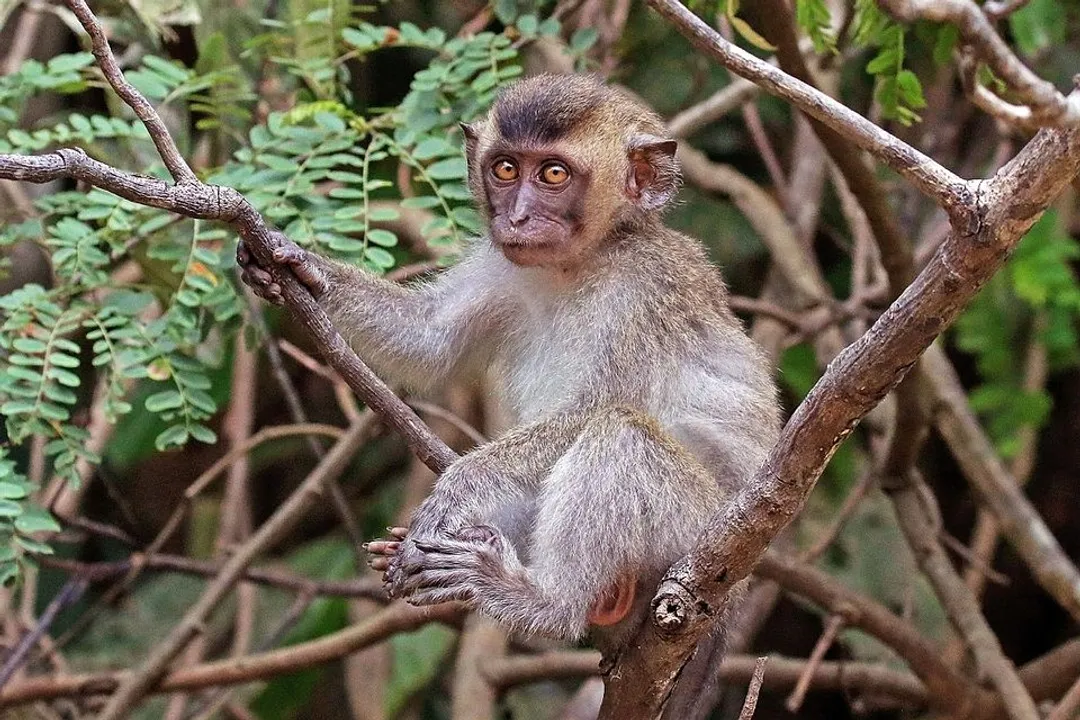
The crab-eating macaque, also frequently known by its descriptive common name, the long-tailed macaque, spans an extensive geographic area across South and Southeast Asia. [1][2] Identifying exactly where these intelligent primates reside requires looking across continental landmasses as well as numerous island chains that characterize this biodiverse region. [1][4] They are not confined to a single ecosystem but rather thrive across a substantial area where suitable habitats intersect with human presence. [5]
# Asia Extent
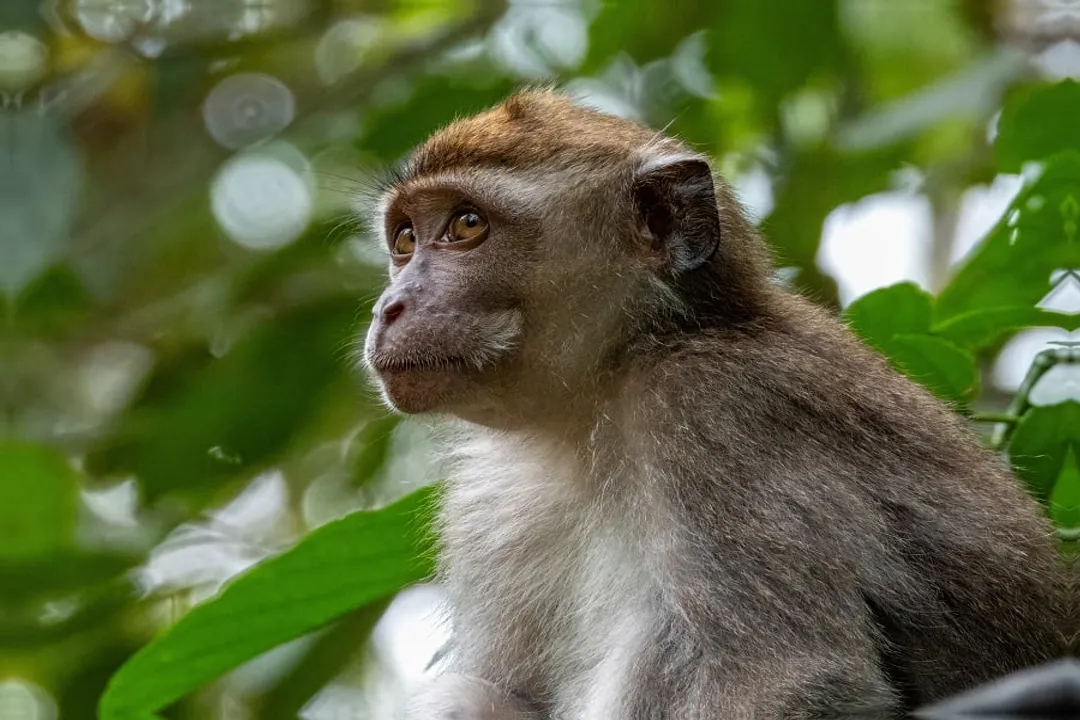
The native distribution of the crab-eating macaque covers a broad swath of Asia, encompassing both mainland territories and the islands extending toward the Wallace Line. [1][3] On the continent, their range stretches across several countries in mainland Southeast Asia. [1] This continental presence includes nations such as Thailand, Malaysia, Vietnam, and Myanmar, although the specific boundaries of their wild populations are continually subject to habitat pressures and localized extinction events. [1][4]
In many areas of their mainland range, the macaques demonstrate a strong association with coastal environments, often inhabiting mangrove swamps, riverine forests, and other low-lying forested areas near water sources. [4][5] This affinity for water-proximal habitats is a defining feature, distinguishing them somewhat from other macaque species that might favor higher elevations or drier interior forests. [4]
# Island Distribution
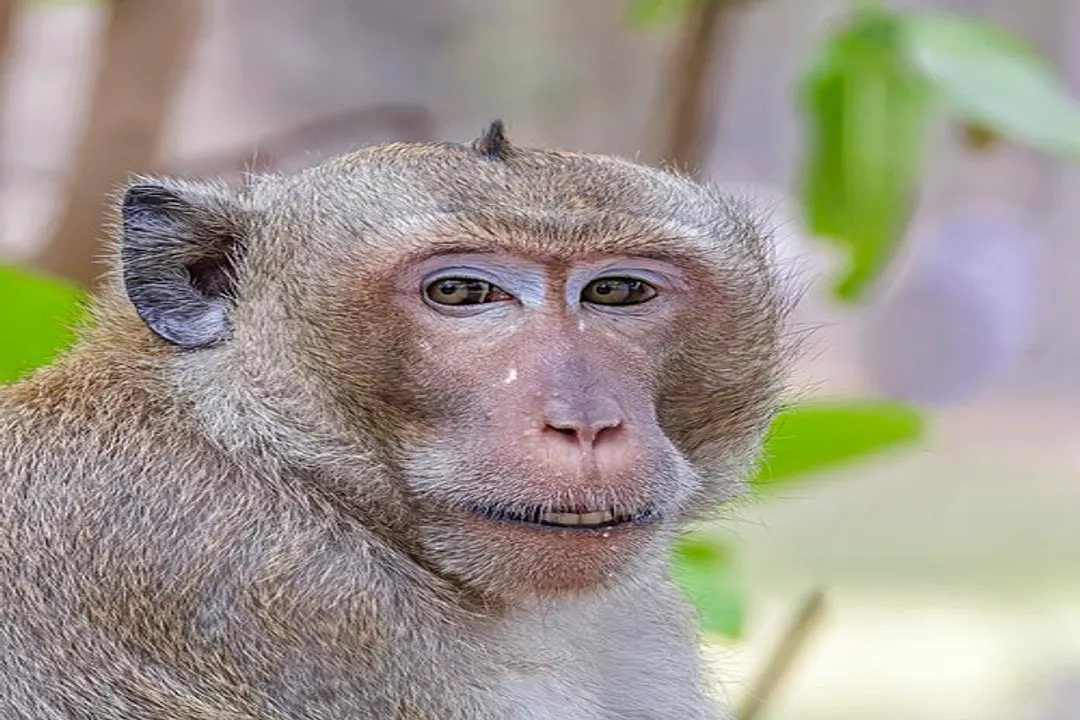
The maritime component of the long-tailed macaque's distribution is arguably the most famous part of their known range. [1] They are particularly numerous across the archipelagos of Maritime Southeast Asia. [1][3] Key island nations where they are natively found include Indonesia, the Philippines, and parts of the Malay Archipelago. [1]
Specific island populations exist on major landmasses such as Sumatra, Java, and Borneo, which are significant centers of their diversity. [1] Furthermore, they inhabit countless smaller islands throughout the region. [1] For example, visitors to popular Indonesian tourist destinations like Bali often encounter them in forested temple complexes, such as those found in Ubud, where the monkeys have become a notable, though sometimes challenging, part of the local fauna. [7]
When comparing the presence across these archipelagos, there is evidence suggesting that populations on islands like those in the Philippines may represent distinct evolutionary lineages or subspecies when compared to the populations found across the Sunda Shelf islands (like Java or Sumatra). [1] This geographical separation has allowed for varied local adaptations within the species, even if they share the general "crab-eating macaque" designation. [1]
# Habitat Niche
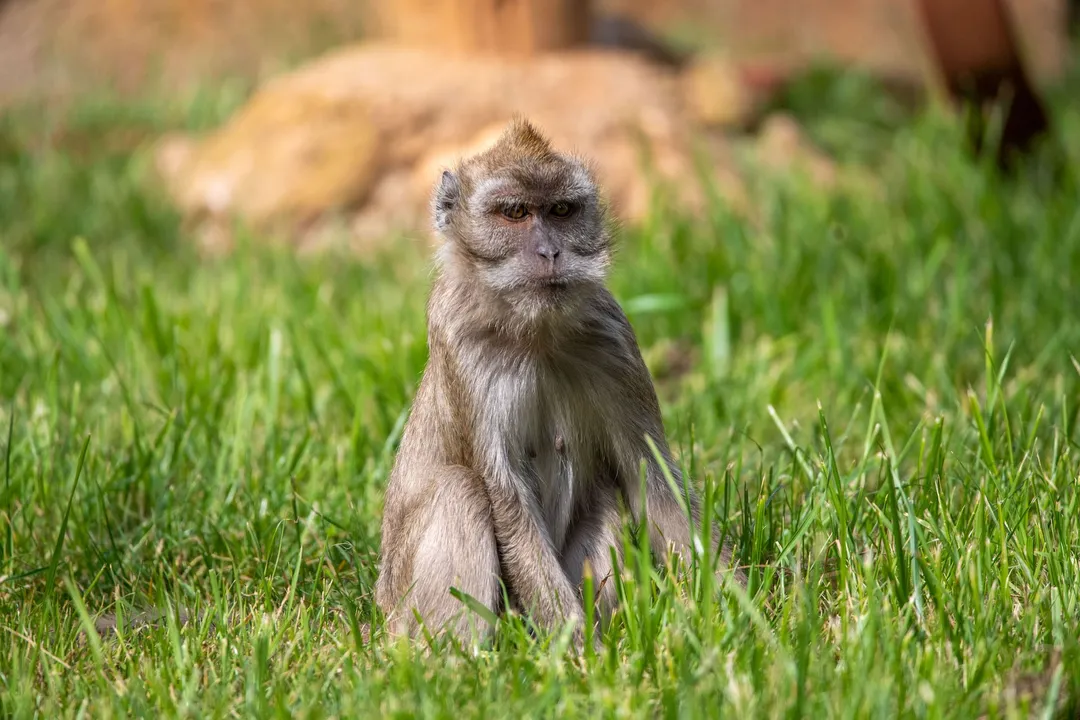
While the location is vast, the specific habitat they select within those regions is quite consistent. Crab-eating macaques are remarkably adaptable, yet they show a marked preference for environments close to water. [5] This includes coastal forests, riparian zones along rivers, and crucially, mangrove swamps. [4][5] This preference is strongly linked to their diet, as crustaceans and other aquatic invertebrates form a significant part of what they consume when available. [5]
Their comfort in these low-lying, often humid environments means they are frequently sighted near human development, as many settlements in Southeast Asia are built close to coasts or rivers. [5] They thrive in secondary growth and disturbed forest areas, which contributes to their success in areas adjacent to human activity. [4]
An interesting point arises when considering their visibility versus their true range. Because they are so successful in environments impacted by people—such as parks, plantations, or even suburban edges—the observed range in many developed areas far exceeds the areas where pristine, primary forest remains their only habitat. [4] This adaptability means that for researchers tracking their geographic footprint, distinguishing between established native populations and those utilizing anthropogenic landscapes becomes an essential, though sometimes blurry, factor in mapping their true distribution [original analysis].
# Introduced Range
Beyond their native Asian distribution, the crab-eating macaque has been introduced to several other locations globally. [1][3] These non-native populations exist for various reasons, including the historical pet trade, use in biomedical research, or accidental releases. [3]
Locations listed as having introduced, established populations often include islands outside their natural historical range. [3] While the specific extent and status of these introduced colonies can vary significantly—some may be small, transient groups, while others might be self-sustaining—their presence indicates the species' high dispersal capability. [3] For instance, certain islands in the Lesser Sunda group, which might not have historically hosted them, now have documented populations. [1] Understanding the origins of these groups is important; for example, colonies established for research purposes often require careful monitoring to prevent them from spreading into vulnerable local ecosystems where they could compete with native species [original analysis].
# Status and Range Shifts
It is important to recognize that the crab-eating macaque’s entire distribution is currently under scrutiny due to its conservation status. [1] Despite their widespread presence, the IUCN Red List classifies the species as Vulnerable. [1] This designation reflects significant population declines across their range, primarily driven by habitat loss and extensive trapping for the pet and research trades. [1][4]
This conservation status suggests that while the potential range is massive, the actual, continuous, and healthy range is shrinking. [1] In several areas, particularly where human population density is high, the species may be locally extirpated even if it remains present in surrounding, less accessible areas. [4] Therefore, mapping their location today is a dynamic process, requiring constant updates to account for fragmentation across the mainland and island territories they inhabit. [1][3] A comprehensive view of their location must therefore balance the historical extent with the contemporary, often fragmented, pockets where they successfully persist today. [4]
Related Questions
#Citations
Crab-eating macaque - Wikipedia
Crab-eating Macaque (Selected Mammals Of Borneo) - iNaturalist
Macaca fascicularis - Global Invasive Species Database
Macaca fascicularis (crab-eating macaque) | CABI Compendium
Crab-eating Macaques: Habitat, Behaviour and Ecological Role
Crab-eating macaque - Safari Mallorca
The Long-tailed Macaques of Ubud, Bali, Indonesia
5 facts about long-tailed macaques - World Animal Protection Canada
Crab-Eating Macaque Monkeys | Definition, Habitat & Diet - Study.com