White Shark Scientific Classification
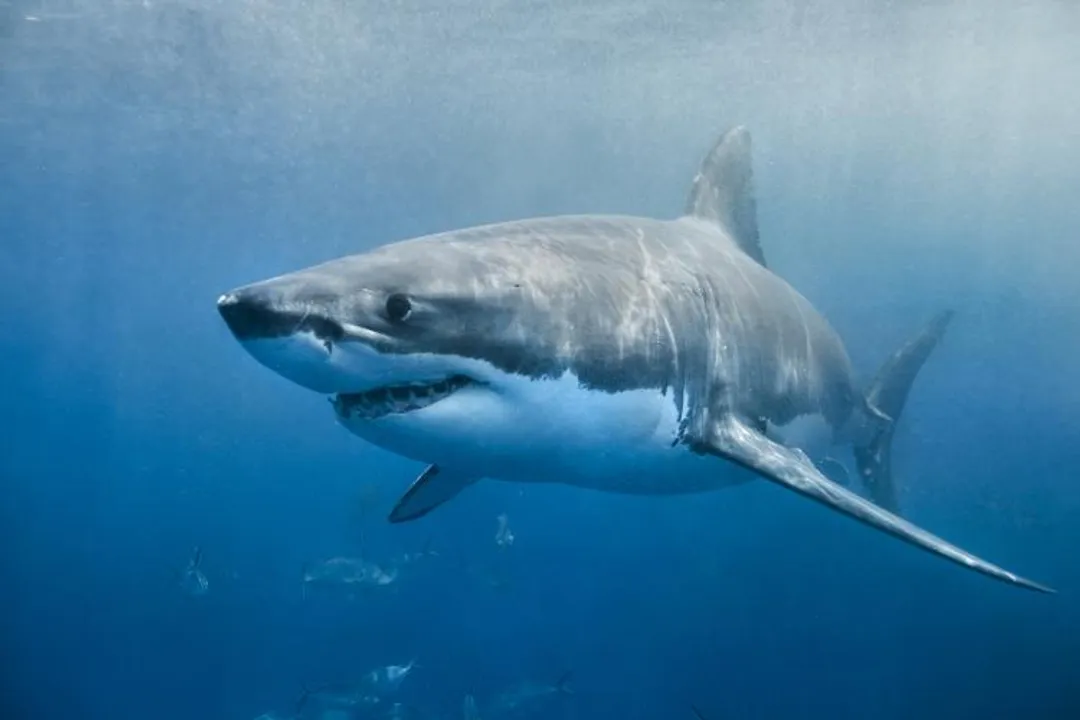
The great white shark, perhaps the most recognized marine predator on Earth, carries with it a precise scientific designation that places it within the vast web of life: Carcharodon carcharias. Understanding this binomial nomenclature, established by Carl Linnaeus in 1758, is essential for scientists globally to communicate without ambiguity about this magnificent creature. The scientific classification system, or taxonomy, systematically arranges organisms based on shared characteristics and evolutionary relationships, starting from the broadest categories and narrowing down to the specific species.
# Kingdom Animalia
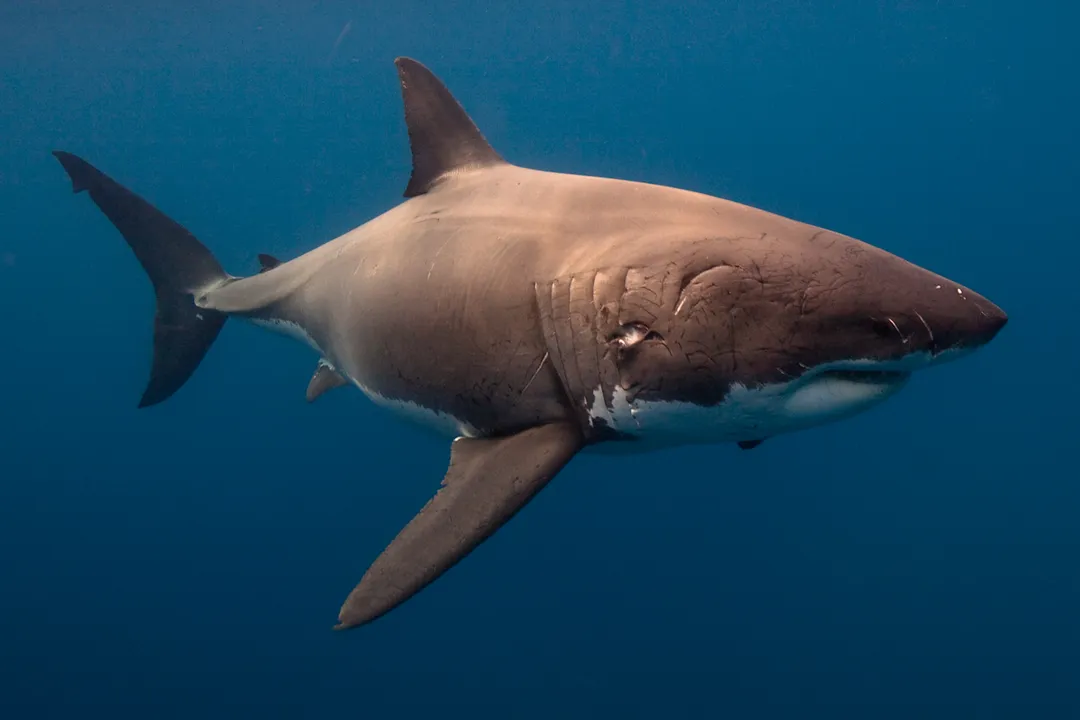
The journey into the great white’s classification begins at the broadest level: the Kingdom Animalia. This places the shark among multicellular, eukaryotic organisms that are heterotrophic, meaning they must consume other organisms for energy, a characteristic that certainly applies to this apex predator. Within this massive kingdom, it is quickly separated from plants, fungi, and bacteria, yet it shares its initial placement with virtually every other animal known, from insects to elephants.
# Phylum Chordata
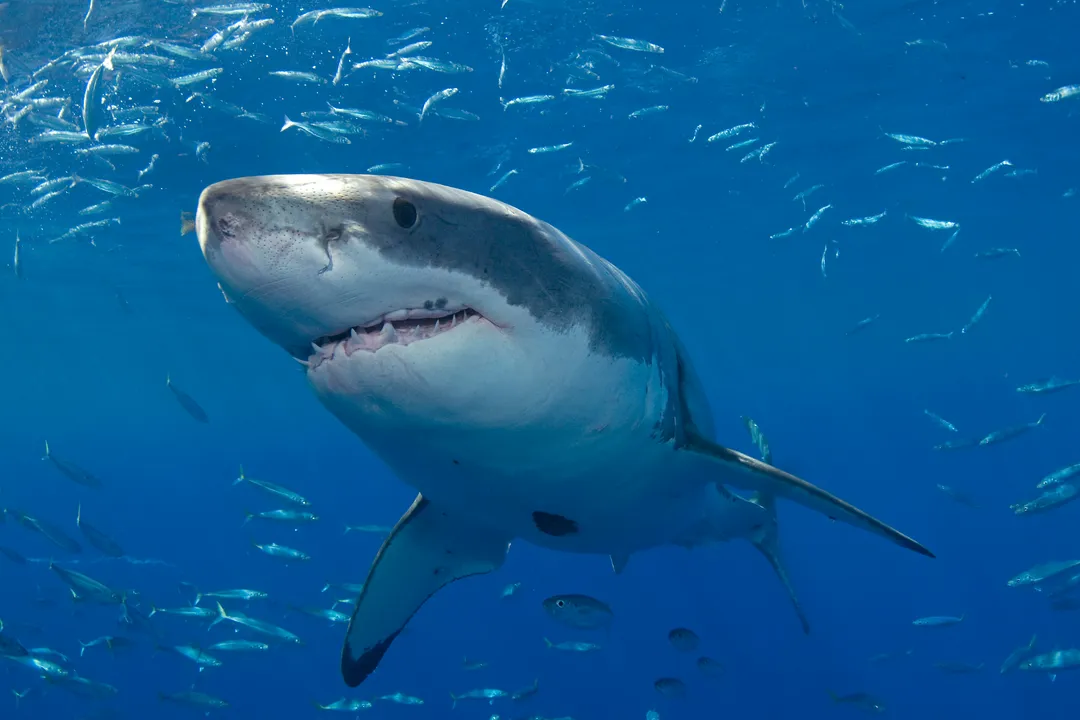
Moving down a level, the great white belongs to the Phylum Chordata. This grouping is defined by the presence of a notochord, a dorsal hollow nerve cord, pharyngeal slits, and a post-anal tail at some stage of development. While adult sharks do not possess the bony vertebral column found in mammals, they do possess a cartilaginous one, fulfilling the structural requirements for this group. The retention of these fundamental chordate features links the great white shark to humans and all other vertebrates, illustrating deep evolutionary connections across immense biological diversity.

# Class Cartilage
The next critical demarcation is the Class Chondrichthyes, which translates to "cartilaginous fish". This feature is perhaps the most defining physical trait that separates sharks from the vast majority of other fish species, which belong to the Class Osteichthyes (bony fish). The skeleton of Carcharodon carcharias is entirely composed of cartilage, which is lighter and more flexible than bone. This structural difference impacts buoyancy, speed, and overall mechanics in the water. It is interesting to consider how the evolutionarily older, lighter cartilage skeleton might have allowed for the development of the extreme, high-energy predatory lifestyles seen in apex cartilaginous fish compared to the dense, heavier skeletons of some bony fish lineages.
# Order Lamniformes
The progression continues into the Order Lamniformes, often referred to as the mackerel sharks. This order groups together some of the largest and fastest pelagic sharks known, including makos and the salmon shark. Members of the Lamniformes order are generally characterized by specific features related to their fins, mouth structure, and the way they manage heat, known as regional endothermy, which allows them to maintain core body temperatures above the surrounding water. This ability to stay warm is a significant adaptation for active pursuit predators that operate across varying ocean temperatures, providing a definite metabolic advantage over fully cold-blooded counterparts.
# Family Lamnidae
Within the Lamniformes, the great white is specifically placed in the Family Lamnidae. This family narrows the focus to the short-finned, large, predatory sharks that exhibit the most advanced levels of endothermy. The Lamnidae typically include the mako sharks (Isurus genus) and the great white (Carcharodon). While closely related, the morphological differences are clear: Carcharodon carcharias possesses the heavily serrated, triangular teeth associated with tearing large chunks of flesh from marine mammals, a stark contrast to the sleek, pointed teeth of the mako sharks, which are built more for speed and catching fast-moving fish.
# Genus Carcharodon
The Genus level is Carcharodon. This classification signifies a closer relationship, grouping species that share a common, more recent ancestor and display high similarity in structure. The name Carcharodon itself is derived from Greek words meaning "jagged tooth," a perfect descriptor for the serrated dentition typical of its members. While the genus historically contained more species, including the extinct giant Megalodon (Otodus megalodon, formerly Carcharodon megalodon), modern understanding based on tooth morphology and evolutionary analysis has refined the genus to primarily include the great white shark and its extinct relatives, emphasizing the importance of dental evidence in shark taxonomy.

# Species Carcharodon carcharias
The final, most specific rank is the binomial name: Carcharodon carcharias. The species name, carcharias, is a variation of the genus root, often taken to mean "sharp" or "jagged," reinforcing the tooth structure. The authority attribution, Linnaeus, 1758, confirms the man who first formally described and named the species and the year he published this designation. When scientists refer to the great white shark, using Carcharodon carcharias ensures they are discussing this specific, widespread, yet critically managed population, regardless of local common names which can vary widely.
# Taxon Stability
The classification of the great white shark appears quite stable at the family and genus level based on current consensus across major scientific bodies. The placement within the Lamnidae family and the Order Lamniformes reflects a strong agreement on its fundamental physiology, particularly its unique thermoregulation capabilities. In contrast to many deep-sea or less-studied organisms whose placements shift with new genetic data, the Linnaean classification for Carcharodon carcharias has endured for over 250 years, supported by clear morphological features. However, the understanding of its evolutionary relationships to other extinct Lamnids, like the Megalodon, continues to be refined through ongoing paleontological research, demonstrating that while the current species name is fixed, the broader context of its genus is always under expert review.
The very structure of this classification—Kingdom through Species—offers a high degree of confidence in identifying this animal as distinct. While a local fisher might call it a "Man-eater," a marine biologist in Japan or South Africa knows they are speaking of the exact same animal when they reference Carcharodon carcharias. This universally accepted system is fundamental for international conservation efforts, such as those managed under bodies like NOAA Fisheries, ensuring that regulations and monitoring efforts are accurately targeted. The consistency provided by this taxonomy is a quiet, powerful tool in marine science, allowing for data accumulation across decades and continents without confusion over identity.
Related Questions
#Citations
Great White Shark Facts and Information | United Parks & Resorts
White Shark | NOAA Fisheries
Great white shark - Carcharodon carcharias - OBIS-SEAMAP
Carcharodon carcharias - NatureServe Explorer
White Shark – Discover Fishes - Florida Museum of Natural History
White Shark, Carcharodon carcharias (Linnaeus, 1758)
Great White Shark (Carcharodon carcharias) | U.S. Fish & Wildlife ...
Shark Taxonomy
[PDF] White Shark (Carcharodon carcharias) - Species at risk public registry