Yeti Crab Physical Characteristics
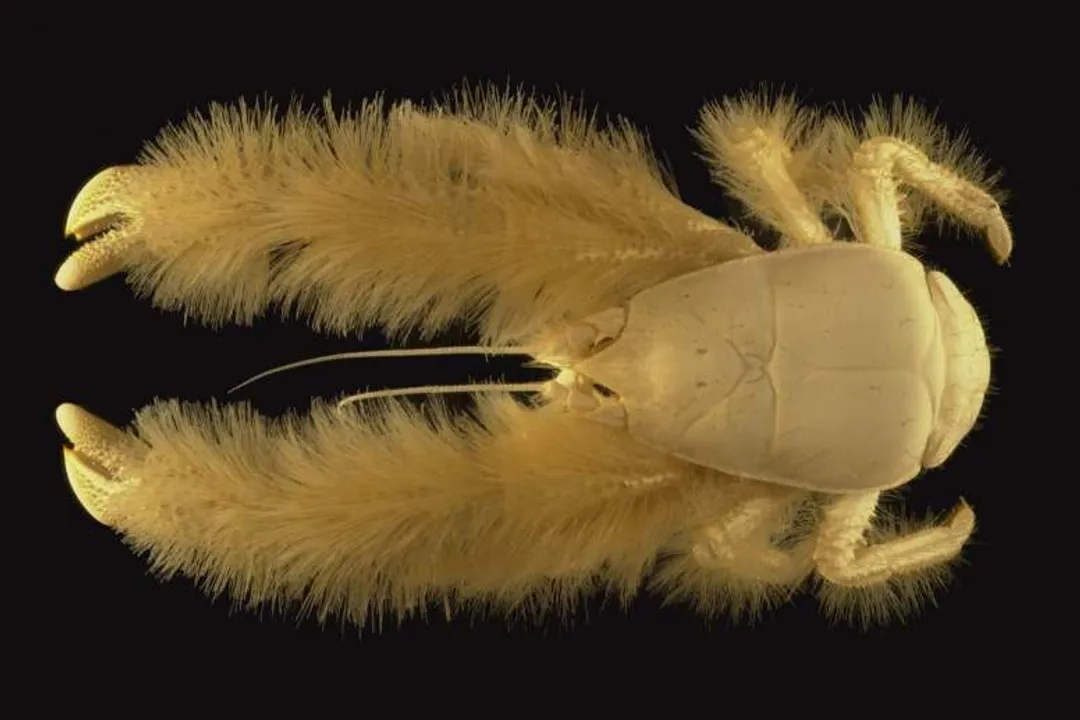
The Yeti Crab, Kiwa hirsuta, presents one of the most unusual silhouettes in the deep ocean, immediately striking researchers with its pale coloration and an almost ethereal covering of dense bristles. [1][3] Its very appearance led to its evocative common name, recalling the mythical, fur-covered ape of the Himalayas. [4] This creature, discovered in 2005 near hydrothermal vents along the East Pacific Rise, is a remarkable example of adaptation to one of Earth’s most extreme environments. [6][8]
# Discovery Naming
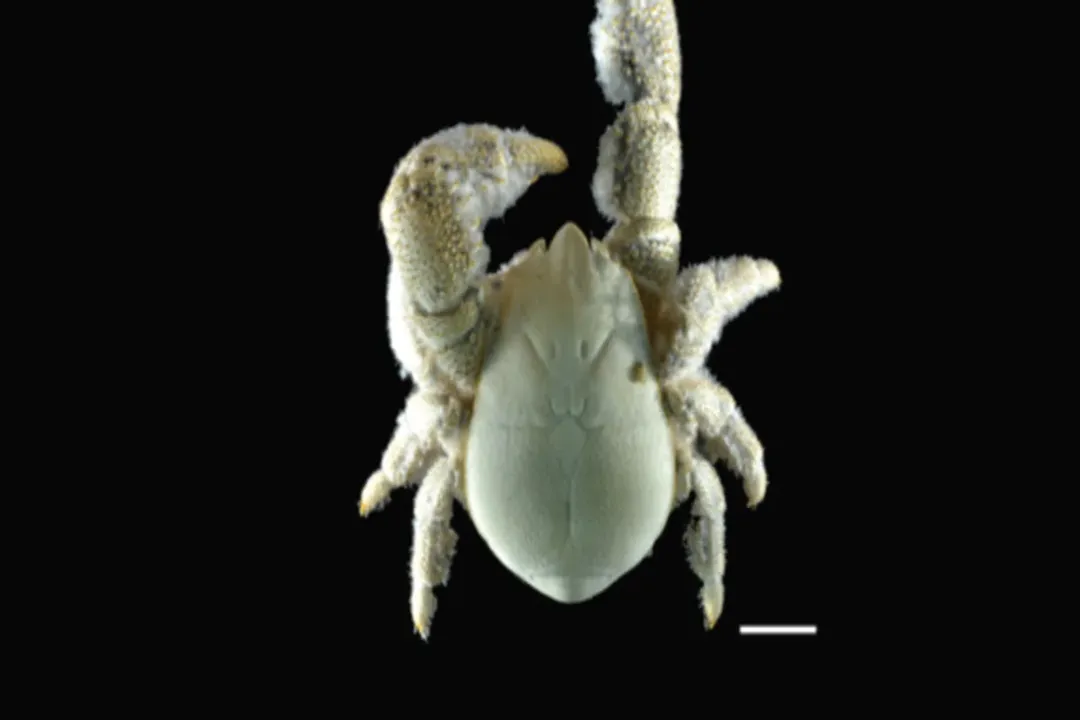
The initial identification of this animal was a landmark moment in marine biology, occurring during an expedition to study deep-sea communities near hydrothermal vents, areas characterized by scorching hot, mineral-rich water erupting from the seafloor. [6][8] The scientific name given to the species reflects its striking physical traits. Kiwa is derived from the Polynesian goddess of thieves, perhaps referencing the novelty of the discovery or its hidden nature, while the species name, hirsuta, is Latin for "hairy," directly describing its most obvious feature. [2][4] This combination of names firmly roots the crab in both deep-sea exploration lore and morphological description. [2]
# Physical Structure
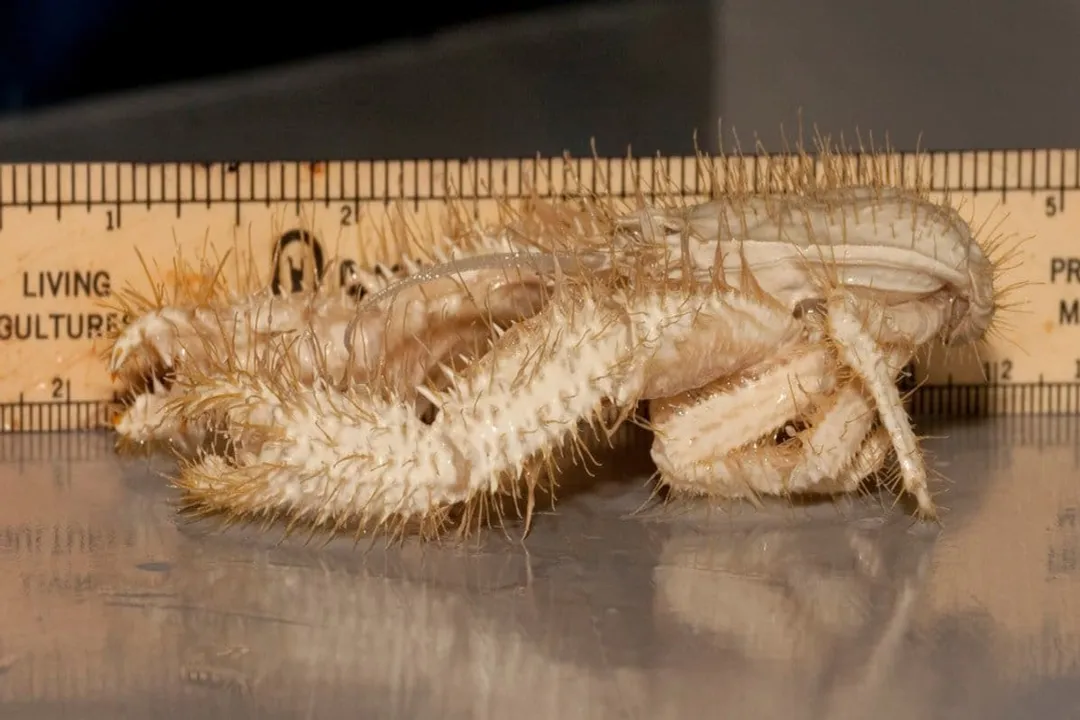
In terms of general body plan, the Yeti Crab belongs to the Galatheoidea superfamily, though it occupies its own genus and species. [2] Adults typically reach a manageable size, often documented as measuring around 6 inches (approximately 15 centimeters) in length. [1][2][4] Unlike many shallow-water crabs, the Yeti Crab exists in perpetual darkness several thousand meters below the surface, a context that heavily influences its physical attributes. [6][8]
A significant physical characteristic dictated by its aphotic habitat is the apparent lack of vision. [4] While some deep-sea dwellers retain rudimentary or vestigial eyes, Kiwa hirsuta appears to be functionally blind, possessing no fully developed eyes. [2] This sensory trade-off—investing evolutionary energy into tactile or chemical sensors rather than sight—is a common theme in the abyss, but the Yeti Crab expresses this adaptation through its highly specialized appendages. [2]
# Hairy Appendages
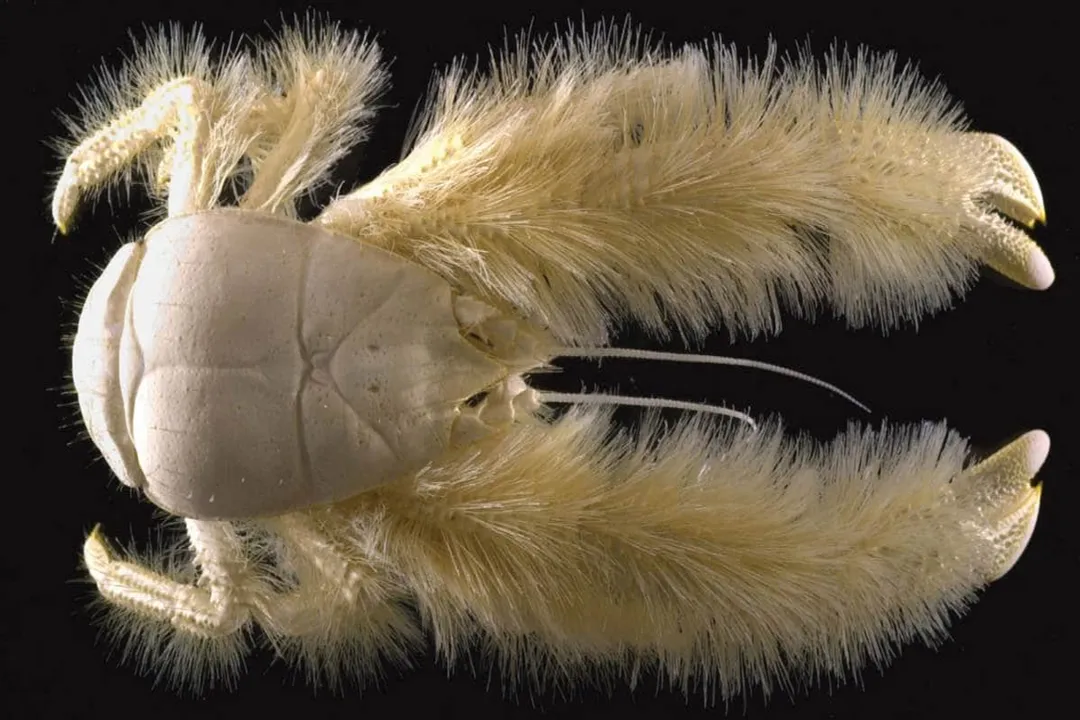
The feature that truly sets the Yeti Crab apart is the dense covering of long, often golden-brown, setae across its body, particularly on its claws and the surface of its front legs. [1][3] These structures give the creature its shaggy, yeti-like appearance. [2][6] However, these are not hairs in the mammalian sense, nor are they simple bristles; they are highly modified sensory structures. [6]
The "hair" is actually composed of long, elaborate setae that are packed with chemosensory organs. [6][8] These specialized sensory pits or grooves are critical for detecting chemicals in the water, an essential function when navigating and foraging in absolute darkness. [6] The density and complexity of these setae likely represent an extremely fine-tuned apparatus for sampling the chemical plumes associated with the vents. [2] While many crustaceans have sensory hairs, the sheer volume and placement on the Kiwa species are unique. [2][6] To put this specialization into context, considering the energy expenditure required to build and maintain such structures, this suggests that chemical sensing is overwhelmingly the most vital sense for its survival, superseding even tactile navigation in importance. [2]
The claws themselves, along with the legs, are covered in these dense, filamentous structures. [3] The crab often holds its arms out and upward, presenting this "hairy chest" to the surrounding water, a posture that maximizes the surface area available for chemical detection and interaction with its food source. [9]
# Coloration and Body Surface
The overall body of the Yeti Crab is notably pale. [2][3] Descriptions often cite colors ranging from whitish-yellow to creamy white. [3] This lack of pigmentation is typical for fauna living without sunlight, as the metabolic cost of producing protective or decorative pigments is unnecessary when there is no light to absorb or reflect. [2]
Beyond the specialized setae, the crab’s exoskeleton itself appears relatively soft or delicate compared to benthic scavengers that must fight currents or predators on the seafloor. [6] This less calcified structure may be an adaptation to the chemical composition of the vent fluids, or simply a consequence of energy being diverted towards the development of its dense, food-producing bristles. [8]

# Feeding Mechanism and Bacteria
The physical characteristics of the Yeti Crab are intimately linked to its feeding strategy, a process that moves beyond simple scavenging or predation and into the realm of farming. [1][9] The physical structure of the hairy limbs is not just for sensing; it serves as a substrate for microbial life. [6]
The dense field of setae acts as a veritable garden bed for chemoautotrophic bacteria. [1][6] These specialized bacteria thrive by metabolizing the hydrogen sulfide and other chemicals ejected from the hydrothermal vents—a process that converts inorganic chemicals into organic food energy, independent of sunlight. [9] The Yeti Crab essentially cultivates its own food source directly on its body. [1]
The physical act of feeding involves the crab scraping these bacterial mats off its own appendages. [9] It uses its mouthparts to comb the bacteria from the setae. [6] This reliance on farmed bacteria means the crab must remain relatively stationary near the nutrient-rich plumes, relying on its specialized claws and legs to provide a constant supply of sustenance. [9] If we were to assign a typical deep-sea biomass density, the sheer amount of bacterial biomass carried on an adult crab's limbs likely represents a significant percentage of its daily caloric intake, effectively making the crab a mobile, self-sustaining ecosystem in a food-scarce environment. [1][6]
# Habitat Association
While not strictly a physical characteristic of the crab itself, the environment it inhabits directly dictates the evolution of its physical form. The Yeti Crab is found clinging to the rocks and surfaces immediately adjacent to hydrothermal vents. [6][8]
This association is crucial because the physical structure of the crab—its sensory apparatus and its cultivated food source—is wholly dependent on the specific chemical cocktail emitted by these vents. [9] The crab’s pale color and lack of sight are direct consequences of this deep-sea life, while its hairy arms are a direct adaptation to exploiting the unique chemical energy source available only in that microhabitat. [2][6] They share this extreme habitat with other specialized organisms, creating a unique biological community quite distinct from the abyssal plains just a short distance away. [8]

# Summary of Key Physical Attributes
To summarize the defining characteristics that separate Kiwa hirsuta from other deep-sea decapods, a comparison helps illustrate its unique physical blueprint:
| Feature | Yeti Crab (Kiwa hirsuta) | Typical Deep-Sea Crab Analogy | Significance |
|---|---|---|---|
| Eyes | Absent or vestigial (Functionally blind) [2] | Often reduced, sometimes present [2] | Complete reliance on chemoreception. |
| Appendages | Covered in dense, long, specialized setae [2][6] | Often possess simple hairs or robust claws | Setae act as a platform for cultivating symbiotic bacteria. [1][9] |
| Coloration | Pale, whitish-yellow, or cream [3] | Varies; often red or transparent/translucent | Lack of pigment due to zero sunlight exposure. [2] |
| Size | Approximately 6 inches (15 cm) [1][4] | Highly variable; many species are much larger or smaller | Moderate size for a deep-sea galatheid relative. |
The Yeti Crab’s entire physical being can be viewed as an elegant solution to the problem of finding food in a food-poor, dark, chemosynthetic world. Its anatomy is a testament to the specialized pressures of vent ecosystems, favoring chemical detection and symbiotic farming over sight and physical defense. [6][8]
#Videos
What Exactly Is: Yeti Crab | The Crabominable Deep-Sea Crustacean
Related Questions
#Citations
The Curious Yeti Crab - Ocean Conservancy
Kiwa hirsuta - Wikipedia
Yeti Crab - A-Z Animals
14 Incredible Yeti Crab Facts - Fact Animal
Yeti Crab (Kiwa hirsuta) Discovered only in 2005, this deep-sea crab ...
Lurking Benignly on the Seafloor, the 'Yeti' Crab is Discovered
What Exactly Is: Yeti Crab | The Crabominable Deep-Sea Crustacean
Discovery of the "Yeti crab" - MBARI
Antarctic 'Yeti' Crab Uses Hairy Chest to Grow Food - NBC News