Yellow Tang Locations
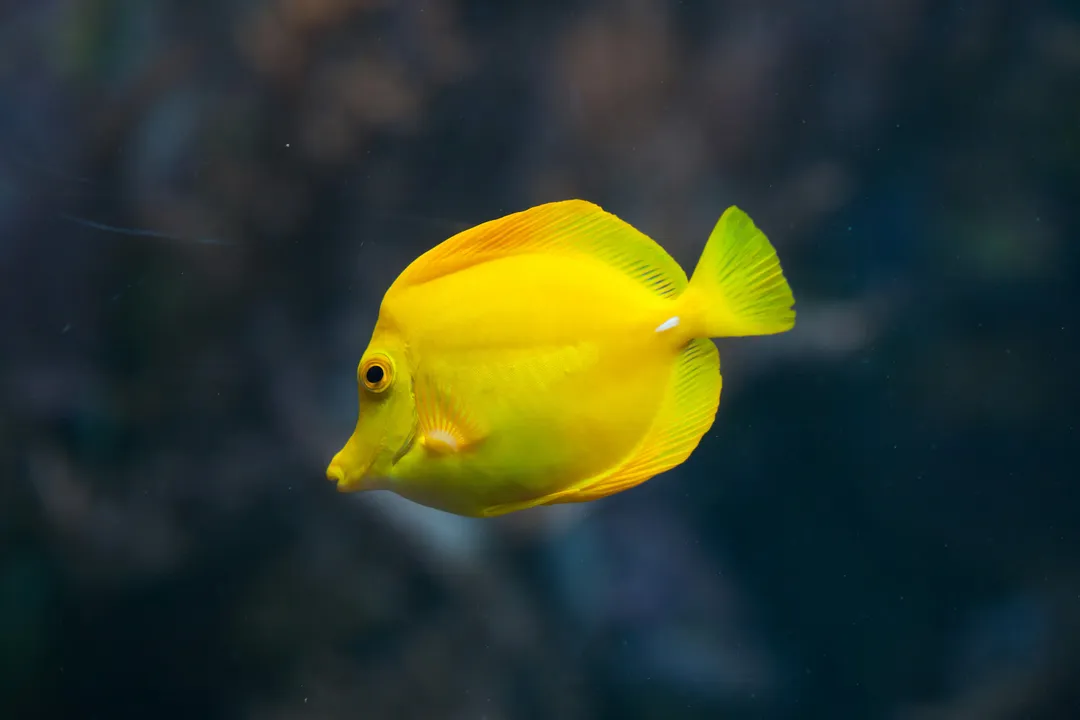
The vibrant, buttery yellow of the Yellow Tang (Zebrasoma flavescens) makes it instantly recognizable in both its natural reef home and the aquariums it often inhabits. This striking surgeonfish, known for its bright coloration and disc-shaped body, is a fixture in tropical waters, yet its presence is far from universal across the world's oceans. Understanding where this species thrives requires looking closely at its preferred ecological niche within a specific segment of the vast Pacific.
# Geographic Range

The native distribution of the Yellow Tang is geographically restricted, centered almost entirely within the warm waters of the western and central Pacific Ocean. This species is not found in the Indian Ocean or the Atlantic, setting a clear boundary for where one might naturally encounter them.
The most well-known and significant population centers are often cited around the Hawaiian Islands, where they form large schools. In fact, the strong presence of the Yellow Tang in the aquarium trade is historically linked to collections from Hawaii. Beyond Hawaii, their range extends significantly westward and northward across the Pacific basin.
Specific areas where Zebrasoma flavescens populations are documented include:
- The Mariana Islands.
- The Ryukyu Islands.
- The Great Barrier Reef.
- The coast of East Africa, although this part of the range seems less frequently emphasized in some accounts compared to the central Pacific locations. FishBase data suggests a range extending from the Ryukyu Islands to Hawaii and south to the Great Barrier Reef. Another source specifies the range includes the Marianas, Guam, Hawaii, and the waters near Japan.
It is worth noting that while the species is associated with these broad regions, the density and visibility can vary dramatically. For instance, in areas where they are heavily collected for the marine aquarium trade, wild populations might appear less dense than in remote, protected reef systems within their native range. The difference between the easternmost extent near Hawaii and the western limits near Japan showcases an impressive latitudinal spread for a reef-associated fish.
# Habitat Details
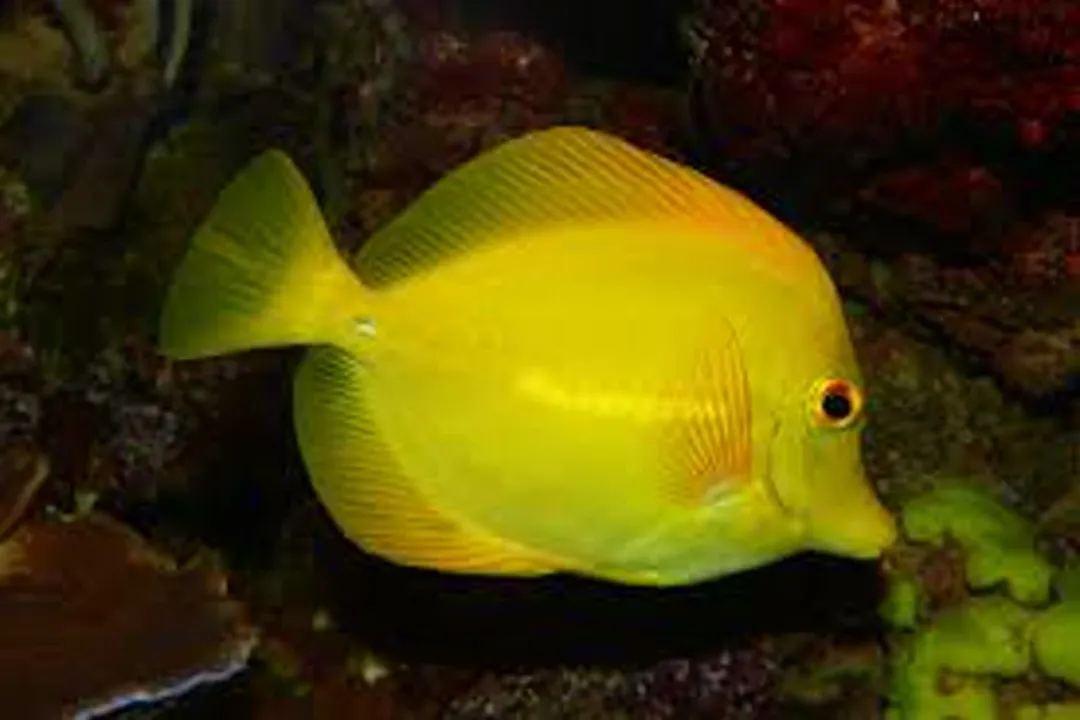
While the locations define the broad region, the habitat describes the specific environment these fish utilize within those areas. Yellow Tangs are generally associated with shallow, tropical reef environments. They demonstrate a preference for certain depths, typically ranging from the surface down to about 45 meters (approximately 148 feet).
They are commonly observed hovering over or swimming close to coral reefs, particularly areas where there is plenty of exposed rock and dead coral structure. These fish are diurnal, meaning they are active during the day, grazing on benthic algae that grows on the reef substrate. This feeding behavior dictates where they spend their active hours.
The nature of the substrate is crucial. Yellow Tangs are frequently sighted near rubble zones and rocky outcrops that support significant algal growth. When night approaches, they exhibit a different location behavior, often seeking shelter within crevices or beneath ledges on the reef structure to avoid nocturnal predators. If you are observing a reef system in one of their known locations, the best chance of spotting a solitary individual or a foraging group is often along exposed reef crests or slopes during peak daylight hours. Observing how they aggregate near these feeding grounds versus retreating to sheltered areas for rest provides insight into their spatial use of their limited geographic area.
# Diet and Location Interplay
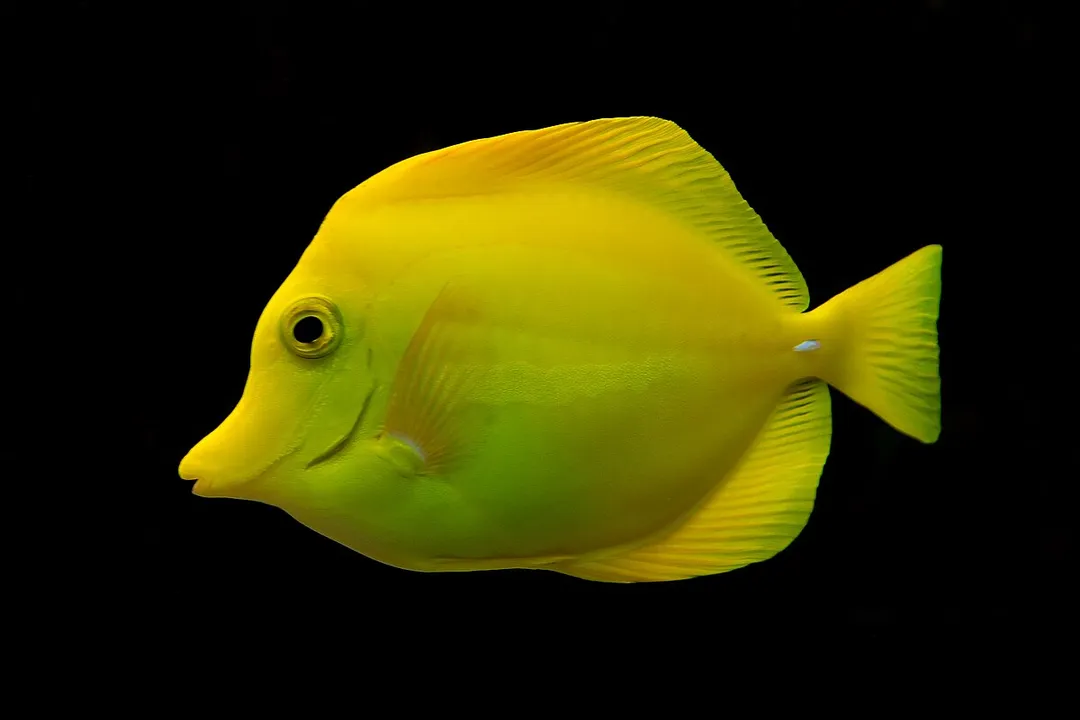
The primary food source for the Yellow Tang is algae. This dietary requirement directly ties the species to locations that support a healthy, photic zone where sunlight allows algae to flourish on hard surfaces. They possess specialized teeth that allow them to scrape turf algae efficiently from the reef.
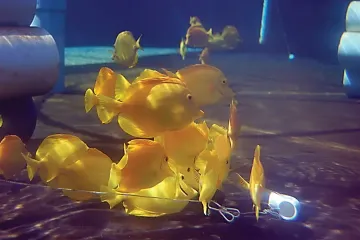
This continuous need to graze means that Yellow Tangs are generally found in areas where their food source is constantly replenished, which usually correlates with areas of good water flow and sunlight penetration. In areas where they form large schools, the collective grazing pressure can significantly impact local algal communities, a factor that marine biologists studying reef health in places like Hawaii often monitor. A reduction in predatory fish populations in a specific location can sometimes lead to an observable increase in the size and density of Yellow Tang aggregations, as their primary limiting factor shifts from predation risk to food availability.
# Trade Origins
The location information for the Yellow Tang takes on an additional dimension when considering the ornamental aquarium trade. While they are distributed across a large swath of the Pacific, the majority of Yellow Tangs imported into the global market historically originate from specific collection zones due to logistical ease and established collection practices.
Hawaii has long been a major source for captive-bound specimens. However, concerns over sustainability and the impact of large-scale collection have led to monitoring and, in some cases, restrictions on wild collection in certain areas. This means that while the fish can be found from the Ryukyus to the Great Barrier Reef, the source of the pet trade specimens often funnels through a few primary ports or collection regions.
For hobbyists, understanding the collection location can sometimes offer indirect insight into the fish’s initial acclimatization stress. For example, a fish collected from a deeper, cooler part of the range might adapt differently than one sourced from shallower, warmer waters, though this is often mitigated by careful handling in transit.
| Primary Collection Region | Geographic Scope | Typical Depth Range (Approx.) | Notes |
|---|---|---|---|
| Hawaii | Central Pacific | Shallow to moderate reef slopes | Historically a major source for export. |
| Ryukyu Islands/Japan | Northwest Pacific | Variable, typically photic zone | Part of the species' broader natural range. |
| Great Barrier Reef | Southwest Pacific | Shallow to moderate reef slopes | Part of the species' broader natural range. |
When considering a Yellow Tang's origin, the distinction between the vast natural distribution and the limited collection points highlights how human activity can create new, artificial "locations" for a species via the trade pipeline.
# Range Shifts and Climate Factors
While the provided sources outline the established range, one important ecological consideration in modern reef science involves how temperature and ocean health might affect future Yellow Tang locations. As a tropical species, Zebrasoma flavescens is highly sensitive to environmental shifts. Coral reef degradation, often exacerbated by rising sea temperatures, directly impacts the algal food base and the physical reef structure they rely on for shelter.
If a specific reef area within their established range—say, a particular atoll near the Marianas—experiences a severe bleaching event or prolonged high temperatures, the local availability of the necessary algal turf or the structural integrity of their nighttime hiding spots diminishes. This ecological pressure could lead to localized population declines, effectively shrinking the usable range even if the fish's theoretical geographic distribution remains unchanged. Conversely, while less common for established species, shifts in ocean currents or temperature zones could theoretically push the edges of their viable habitat over long timescales, though the primary observable effect now is loss within the known boundaries. This sensitivity is why monitoring the health of their known locations, especially Hawaii and the GBR, is paramount for the species' long-term outlook.
It is fascinating to note the difference in ecological success between the highly visible, sometimes localized, large schools seen in Hawaii and the more dispersed populations that might exist along the fringes of their range near the coast of East Africa, assuming those populations are stable. This variation in aggregation behavior across different locations suggests that localized predation pressure or food availability might dictate whether they are seen in massive groups or smaller feeding units, even though the fish itself remains morphologically consistent. The preference for rocky, hard-bottomed areas over soft sand flats, regardless of location, remains a consistent thread in their habitat use.
Related Questions
#Citations
Yellow tang - Wikipedia
Zebrasoma flavescens (Lemon sailfin) - Animal Diversity Web
Yellow Tang | Online Learning Center - Aquarium of the Pacific
Hawaiian Yellow Tang - The Biota Group
Zebrasoma flavescens, Yellow tang : fisheries, aquarium - FishBase
Yellow Tang | Endless Ocean Wiki - Fandom
Yellow Tang - Waikiki Aquarium
Yellow Tang - Oregon Coast Aquarium
Yellow tang - Mote Marine Laboratory & Aquarium