Yellow Tang Diet
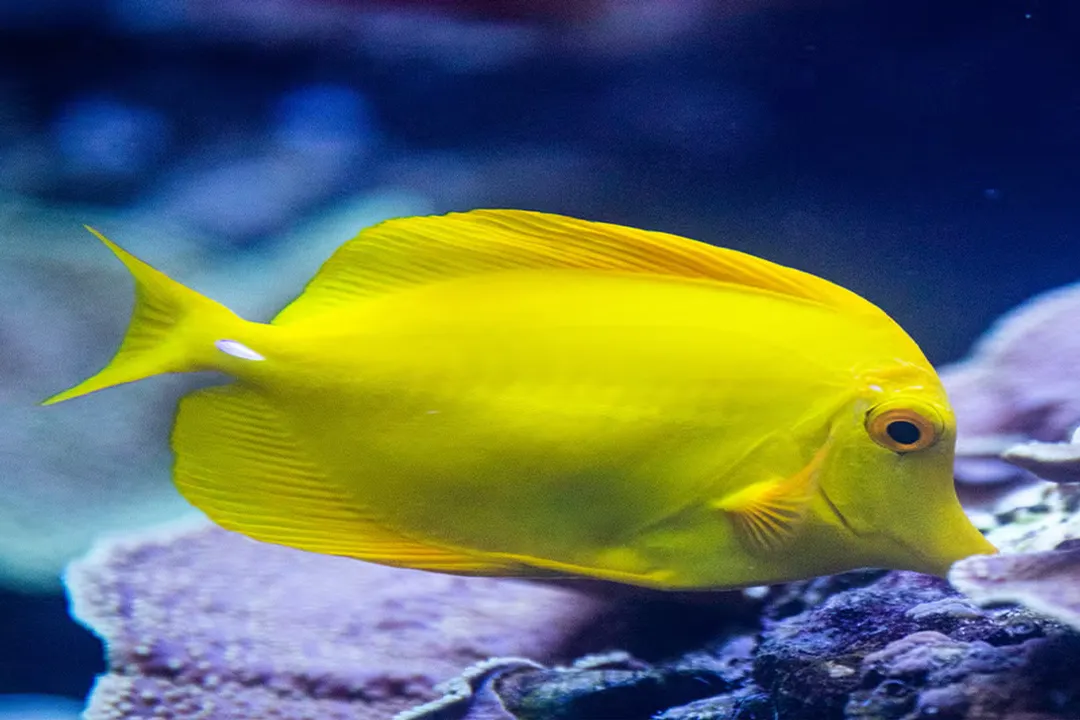
The dietary requirements for the Yellow Tang (Zebrasoma flavescens) are fundamentally dictated by its natural existence on Pacific coral reefs, where it spends the majority of its active hours scraping algae off surfaces. [1][6] Because of this specific biological imperative, simply providing generic fish food is insufficient; a Yellow Tang’s success in an aquarium setting hinges almost entirely on consistent access to high-quality, plant-based nutrition. [1][4] They are classified as herbivores, meaning their digestive systems are optimized for processing vegetable matter, not heavy proteins. [1][6]
# Reef Grazing
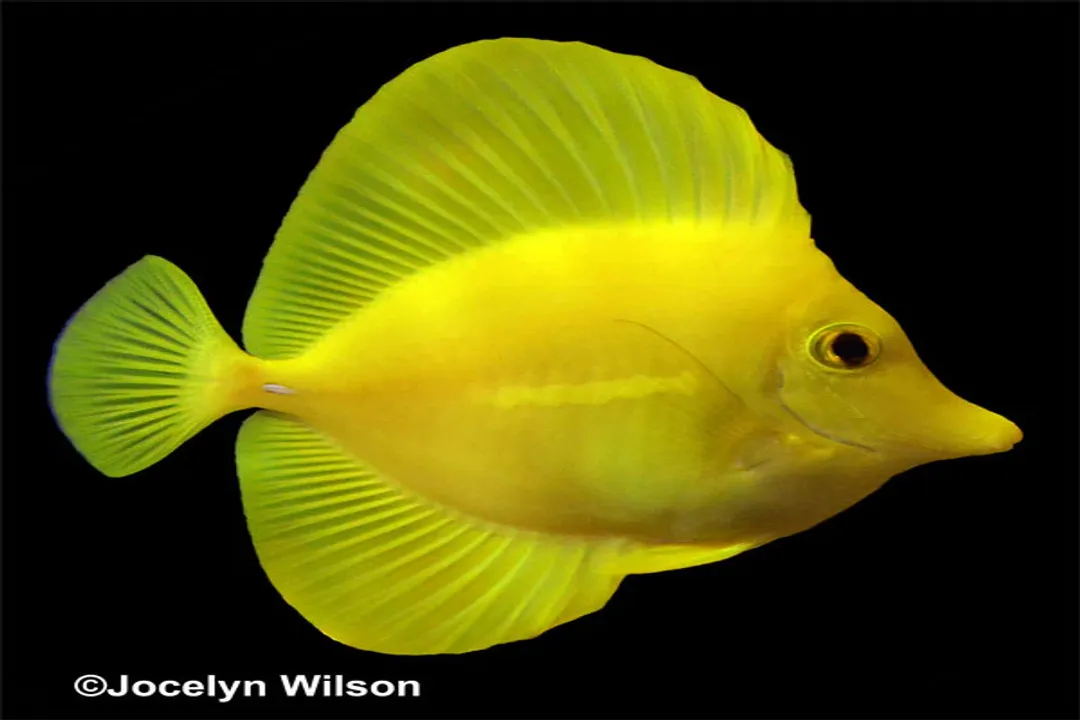
In their native environment, these vibrant fish are recognized as constant grazers. [1] They patrol the reef structure, utilizing their mouths to pick off small bits of algae and biofilm that grow on rocks and dead coral skeletons. [1] This continuous, low-volume intake is crucial to their gut health and general well-being. [4] Replicating this constant activity level is the primary challenge for aquarists. A tank lacking sufficient natural algae growth means the hobbyist must step in to provide near-constant, scheduled feeding opportunities to satisfy this instinctive need to graze. [1][4]
# Algae Foundation
The cornerstone of any captive Yellow Tang diet must be marine algae. [1] The most commonly recommended staple is dried seaweed, specifically Nori. [1][4] However, simply offering any dried algae is not enough; the Nori provided should ideally be fortified or enriched with Spirulina, a nutrient-dense blue-green algae. [1][4] Many commercial marine algae sheets now come pre-fortified for this exact purpose. [5]
When feeding marine algae, it should be presented in a way that encourages the fish to nibble at it over time, rather than gulping it down in one sitting. Many keepers secure sheets of Nori using a specialized clip or suction-cup feeder attached to the glass. [1] A good metric for success isn't just what they eat, but how long they are occupied eating. If the tank is heavily stocked or has insufficient natural algae growth, relying solely on scheduled feedings risks missing the time element of their natural diet cycle. This suggests that feeding clips should be kept in the tank for several hours, not just 15 minutes, to simulate continuous grazing, removing uneaten portions before they foul the water. [1]
# Necessary Variety
While algae forms the bulk of their necessary nutrition, reliance on a single food source, even the right type, can lead to nutrient deficiencies over the long term. [2] Therefore, incorporating variety is essential for overall health, including potentially preventing conditions like Marine White Spot Disease (Ich) or maintaining slime coat health. [1]
Flake and pellet foods can serve as excellent supplements, but it is vital that these manufactured foods also have a high vegetable or Spirulina content. [1][2] Look for high-quality sinking pellets designed specifically for herbivorous tangs and surgeonfish. [5] Offering these once or twice a day alongside the main algae feeding ensures they receive a broader spectrum of vitamins and minerals. [1]
Protein sources should be introduced sparingly. Frozen foods like brine shrimp or Mysis shrimp can be part of the rotation, perhaps a few times per week, but these should never replace the daily marine vegetable component. [1] While some hobbyists report success feeding specialized prepared foods from companies like Biota or Reef Nutrition, [3][5] the underlying principle remains: the primary caloric intake must be plant-based. [1]
# Feeding Schedules
Yellow Tangs are highly adaptable eaters, but their appetite is persistent, requiring them to eat often throughout the day. [1] A common, effective schedule involves offering Nori or algae sheets in the morning and perhaps again in the late afternoon or evening. [1] If using pellets, these can be dispersed lightly two to three times daily in small portions that can be consumed within a few minutes. [2]
The goal is to never allow the fish to go hungry for extended periods, which can lead to stress and poor nutrient absorption. [4] If you observe your tang exhibiting the characteristic "grazing stance"—mouth near a surface, picking slowly—it is engaging in appropriate feeding behavior, regardless of whether it's eating aquarium decor or a provided food item. [1]
When observing new fish, especially those purchased from commercial aquaculture operations, keep in mind that their prior feeding regimen might have differed significantly from what you plan to offer. [9] The transition period is critical. If you notice your fish eating processed foods readily but ignoring the algae clip, you need to gently transition them by ensuring the processed food is also vegetable-heavy, and reduce the frequency of the preferred pellets until they begin accepting the staple algae. [2] If you are looking at a newly acquired Biota Yellow Tang, for instance, they are often already acclimated to commercial foods, which can be a helpful starting point while you establish the long-term marine algae routine. [9]
# Refusal Situations
A common source of anxiety for new owners is when a Yellow Tang refuses to eat upon introduction to the new tank. [9] This is alarming because herbivorous fish, unlike some carnivores, do not possess large energy reserves and need food quickly. [9] Often, the refusal is due to stress, tank mates, or simply preference for a different texture or taste than what is immediately offered. [2]
When a new tang refuses prepared foods, immediate action is necessary. Start by offering the highest quality marine algae you possess, as this is what they are biologically driven to eat. [9] If they are still hesitant, sometimes a small change in presentation can work. If you are offering a dried product, try soaking it briefly in a tiny bit of high-quality liquid vitamin supplement designed for marine fish before presenting it. [1] When observing newly purchased Yellow Tangs that refuse processed foods, a practical first step can be offering a small piece of fresh, store-bought, plain green lettuce (like romaine, ensuring no pesticides) underwater secured to a rock near where the fish is hiding, before even introducing marine-specific products. While not ideal long-term, this can sometimes shock a starving fish into taking any plant matter, providing an energy bridge while introducing nori or spirulina pellets. [4][9]
It is important to monitor the fish's activity level. A Tang that is swimming actively and trying to graze on film algae on the glass or rocks, even if it won't accept prepared foods, is generally in better shape than one that is listless and hiding. [9] A reluctance to accept food, especially after several days, requires owners to assess whether the fish is being bullied by tank mates or if the water parameters require adjustment, as poor conditions will suppress appetite. [4] By prioritizing continuous, high-quality marine plant matter, the keeper directly supports the specialized digestive system of this popular reef inhabitant. [1]
Related Questions
#Citations
Yellow Tang Care Guide - Reef Chasers
Best diet for Tangs? | Reef2Reef
Hawaiian Yellow Tang - The Biota Group
Yellow Tang eating habits. | Saltwaterfish.com Forums for Fish Lovers!
Best Food for Tangs | What Do Tang Fish Eat? - Reef Nutrition
Any tips for a biota yellow tang diet? - Facebook
Yellow Tang - Georgia Aquarium
What to feed Yellow Tangs | Boston Reefers Society
New biota yellow tang won't eat. And what is he doing? : r/ReefTank
what do yellow tangs eat? - General Discussion - Nano-Reef.com