Xoloitzcuintli Facts
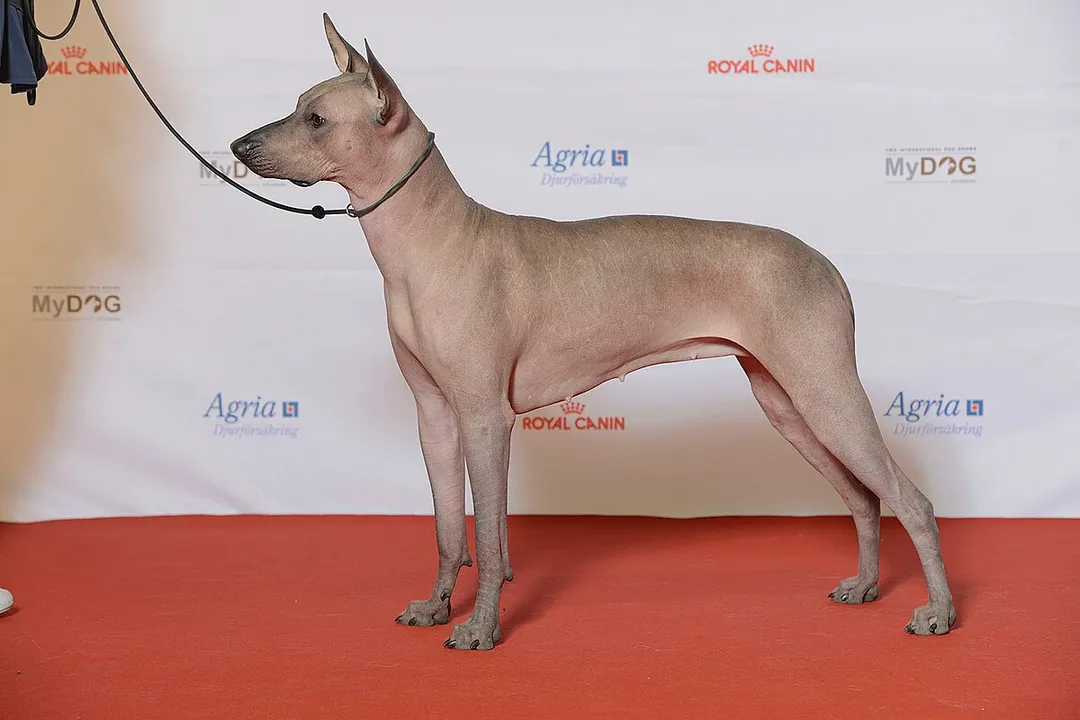
The Xoloitzcuintli, often affectionately shortened to the Xolo, is a truly ancient breed whose history stretches back thousands of years across the Mesoamerican landscape. Far more than just a unique-looking dog, this breed is deeply entwined with the cultural and spiritual heritage of Mexico, earning the status of a national treasure. The name itself, Xoloitzcuintli, is derived from the Nahuatl language, meaning "dog of the god Xolotl," the Aztec god of lightning and the dead. These dogs were historically revered as spiritual guides, believed to escort their owners safely through the underworld after death. This deep cultural significance sets the Xolo apart from many modern breeds, grounding its identity in millennia of human companionship.
# Ancient Lineage
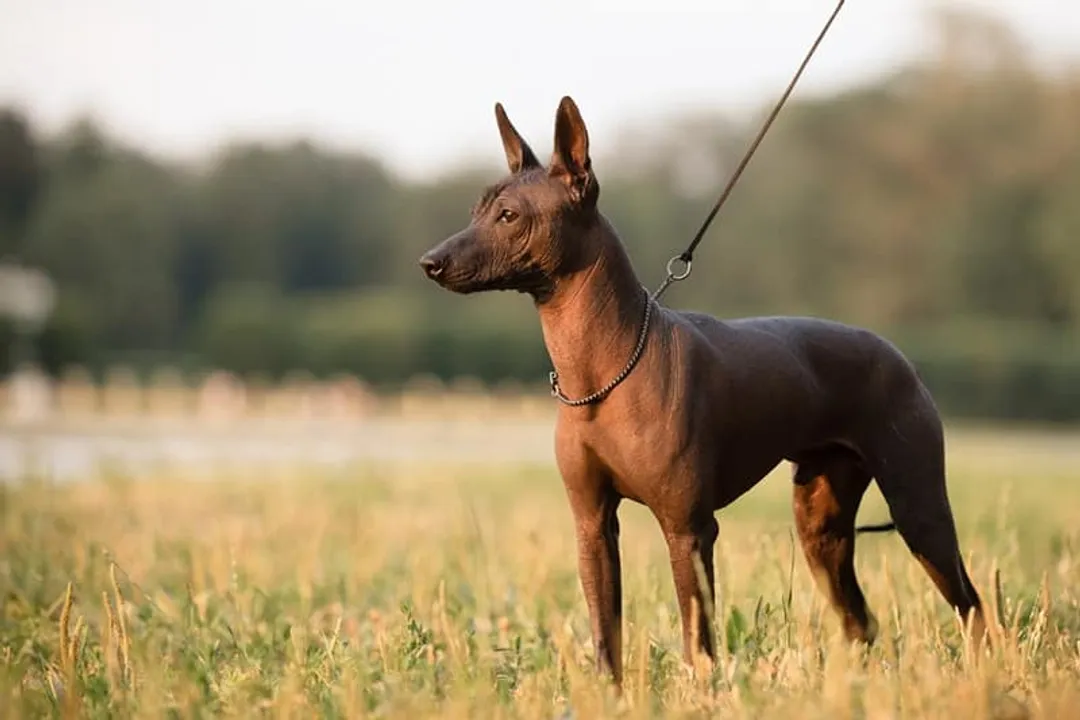
The history of the Xolo is extensive, with archaeological evidence suggesting their presence in Mexico dating back over 3,000 years. They were present during the time of the Toltec and Aztec civilizations, indicating a long, established role within human society. Unlike some breeds whose lineage is obscured, the Xolo’s connection to its past is remarkably clear. They were kept by ancient peoples not just as pets, but as companions, guardians, and even as a source of food in times of famine, though their primary role was spiritual.
The breed faced near extinction at various points in history, particularly following the Spanish conquest, but dedicated preservation efforts in modern Mexico have ensured its survival. Today, the Xoloitzcuintli is recognized by the American Kennel Club (AKC) and holds a special place in the heart of Mexican canine enthusiasts. Their longevity, often reaching between 12 to 18 years, further attests to their hardy, ancient constitution.
# Size Variations
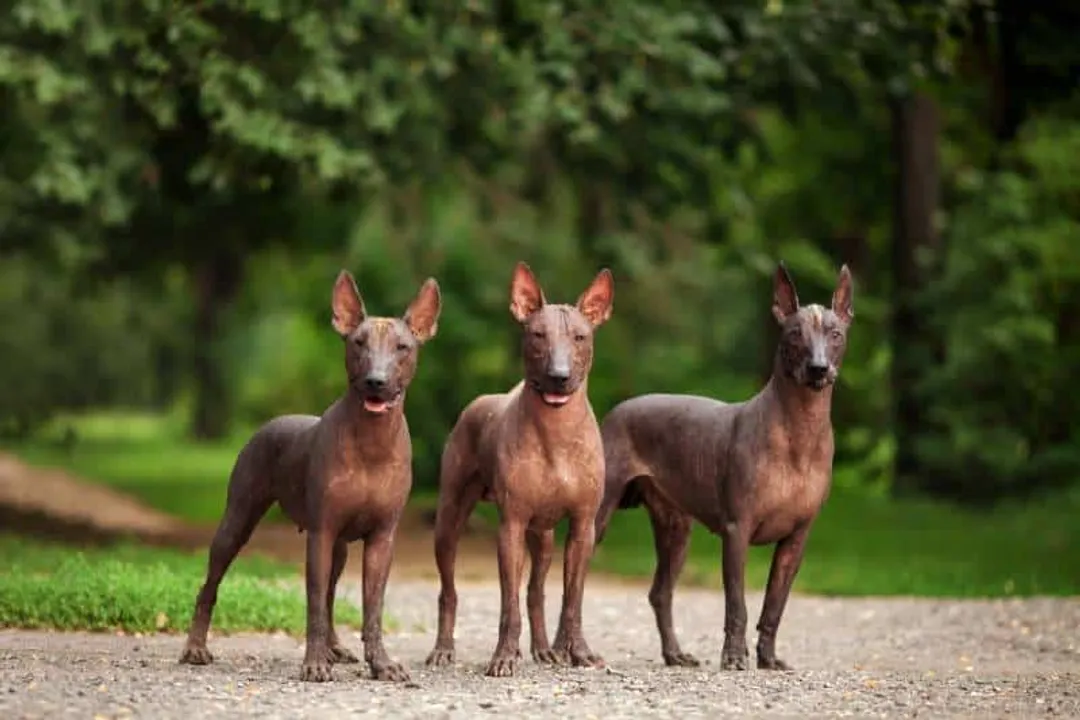
One of the most immediately striking features of the Xolo, beyond the lack of hair, is the wide range of acceptable sizes. The breed standard recognizes three distinct size classifications: Toy, Miniature, and Standard.
| Size Classification | Height Range (Inches at Withers) |
|---|---|
| Toy | Up to 14 |
| Miniature | Over 14 and up to 18 |
| Standard | Over 18 and up to 23 |
The smallest, the Toy, stands no taller than 14 inches, while the majestic Standard can reach up to 23 inches tall at the shoulder. This variation means that a family looking for a small lap dog or one desiring a more substantial companion can find a suitable Xolo. Despite the size differences, all variations should maintain the breed’s characteristic elegant, streamlined appearance.
# Hairless Versus Coated
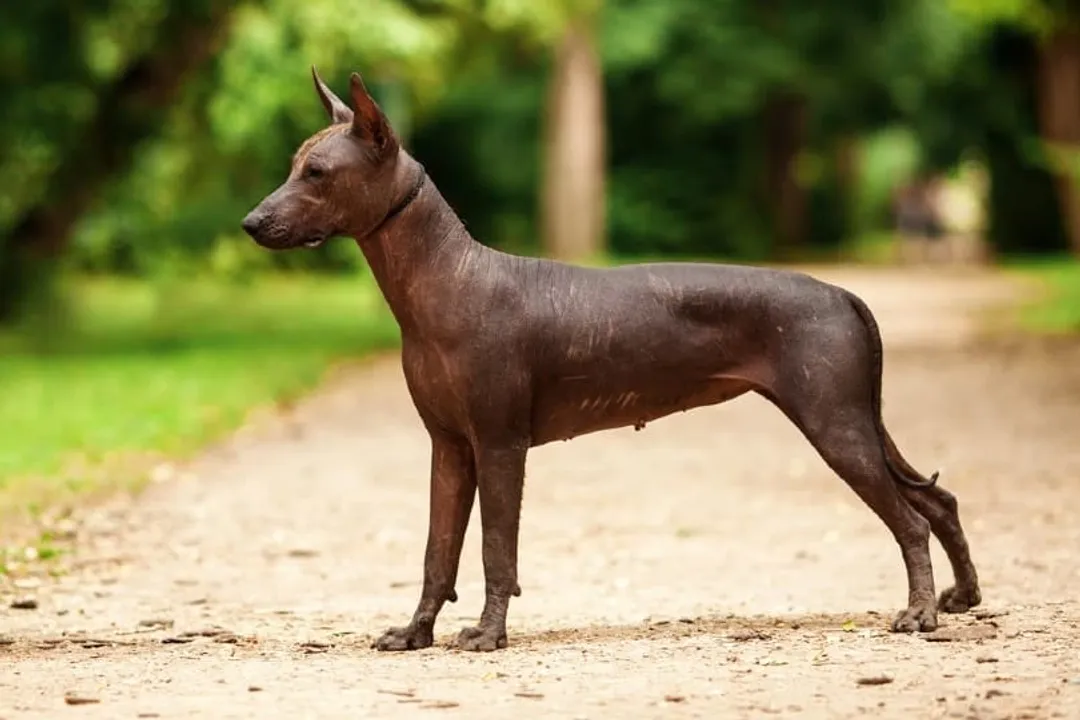
The most defining characteristic is, of course, the hairlessness, which is caused by the dominant hairless gene. However, it is a common misconception that all Xolos are entirely bald. The breed comes in two varieties: hairless and coated. The hairless dogs can have varying degrees of hair, sometimes featuring tufts on the head, feet, or tail tip, but their skin is largely bare. The coated variety possesses a short, smooth, tight coat of hair covering the entire body. Both types are considered purebred Xolos, and both are eligible for competition in breed classes.
It is interesting to note that the coated Xolo can actually carry the gene for hairlessness, meaning two coated Xolos can occasionally produce a hairless puppy, illustrating the complexity of the dominant gene expression. When observing a hairless Xolo, one might assume their skin feels exceptionally hot to the touch due to the lack of insulation, but this perception often differs from reality; while they require protection from intense sun, their skin temperature often feels comparable to that of a fully coated dog. The key difference in care lies in how they regulate temperature and protect their skin.
# Unique Physical Traits
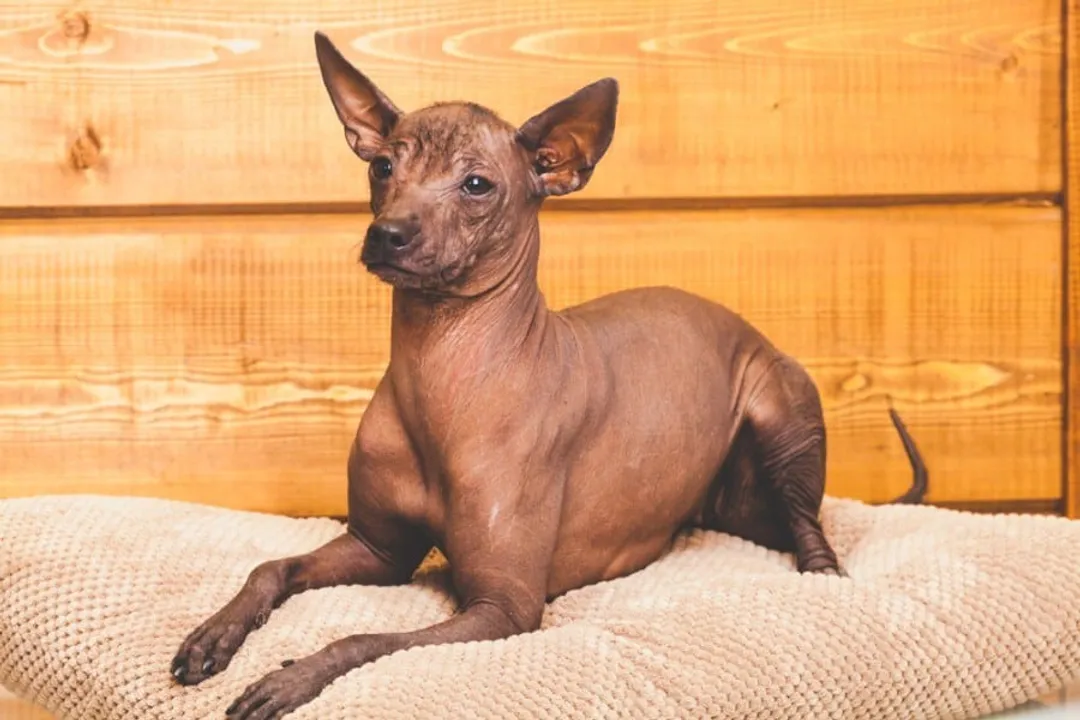
Beyond the coat, the Xolo presents other distinguishing features. Their skin can exhibit various colors, including black, slate gray, liver, bronze, or spotted. The skin itself must be smooth, firm, and relatively loose, yet fit snugly. They possess unique teeth structure; the hairless variety frequently lacks some premolars, which is an acceptable and common trait within the breed standard, provided the bite remains correct. This missing dentition is genetically linked to the hairless gene.
Their movement should be light-footed, elegant, and agile, reflecting a strong, well-muscled build that is slightly longer than it is tall. When you watch a Xolo move, you see an echo of their history—a dog built for endurance and alertness.
# Temperament and Companionship
The personality of the Xolo is as layered as their history. They are often described as exceptionally alert and highly intelligent dogs. This intelligence means they are quick learners but can also lead to a somewhat reserved nature around strangers. They form deep, intense bonds with their immediate family, often choosing one person to be their primary focus. They thrive on close companionship and are not generally dogs that do well when left isolated for long periods.
For those living with them, the Xolo is remarkably loyal and protective, sometimes exhibiting watchdog tendencies due to their inherent wariness of unfamiliar people or sounds. This sensitivity means that early and consistent socialization is paramount. A Xolo that is not properly introduced to different sights, sounds, and people from a young age may become overly timid or defensive.
This breed is not typically known for being boisterous or overly demanding in terms of exercise, preferring a brisk daily walk and playtime over grueling endurance runs. However, they are energetic and playful companions that enjoy interactive activities.
An interesting point for potential owners to consider is the dog's inherent need for closeness. Because they are so attached, many Xolos seek out warm places, which often means they end up physically touching their owners—a natural behavior stemming from their skin-on-skin warmth seeking, which can be a major benefit for owners who enjoy a truly tactile relationship with their pet.
# Care Requirements
Caring for a Xoloitzcuintli requires attention to their specific physical needs, which differ significantly between the hairless and coated types.
# Hairless Maintenance
The skin of the hairless Xolo is its primary feature requiring management. It must be protected from the elements. Sunburn is a serious risk, making the application of a dog-safe sunscreen necessary before prolonged outdoor exposure. Conversely, they are sensitive to cold weather and may need sweaters or coats during cooler months to maintain a comfortable body temperature.
Bathing is also a critical routine. Since they lack a coat to absorb oils, their skin can become oily, necessitating regular bathing—perhaps once a week or every two weeks, depending on activity level—using a mild, moisturizing, and unscented shampoo. Following the bath, moisturizing is crucial to prevent dryness and cracking.
# Coated Maintenance
While the coated variety is less demanding regarding sun and temperature extremes, they still require regular grooming. Their short, smooth coats need weekly brushing to remove dead hair and keep the skin healthy. They are not generally heavy seasonal shedders, but consistent brushing keeps them looking their best.
# General Needs
Regardless of coat type, all Xolos benefit from regular ear cleaning and nail trimming. Dental hygiene is also important, especially given the tendency for hairless varieties to have missing teeth; a careful routine of brushing or appropriate dental chews can help manage tartar buildup. Furthermore, training should be positive and reward-based, as they respond poorly to harsh methods due to their sensitive nature.
# Health and Longevity
The Xoloitzcuintli is generally a healthy breed, largely thanks to its ancient origins and the genetic bottleneck that has favored hardiness. Their lifespan typically spans from 12 to 18 years.
The primary health concern directly linked to the dominant hairless gene involves the dental structure. As mentioned, missing premolars are common, and while this is usually not a functional issue in their diet, owners should work with their veterinarian to monitor the dog's bite alignment and general mouth health. Beyond the dental aspect, they are prone to the general health issues seen in many smaller, active breeds, though they are not specifically predisposed to major inherited disorders like hip dysplasia, which plagues some larger breeds.
A key insight when considering this breed's overall health is recognizing that their sensitivity to external temperatures means that owners must be proactive about their environment, viewing protection from severe cold or hot sun as preventative healthcare just as important as vaccinations. This proactive management of climate exposure contributes significantly to their reputation as long-lived, robust dogs.
Related Questions
#Citations
Facts About the Xoloitzcuintli That You May Not Know
Xoloitzcuintle
10 Facts About the Xoloitzcuintli (Mexican Hairless Dog)
Mexico's Legendary Xoloitzcuintli, the Hairless Dog
Xoloitzcuintli Dog Breed
About Xolos
Xoloitzcuintli Facts - Dog Breeds
Xoloitzcuintli | Mexican Hairless Dog
Xoloitzcuintli (Mexican Hairless) - Dog Breeds