X-Ray Tetra Scientific Classification
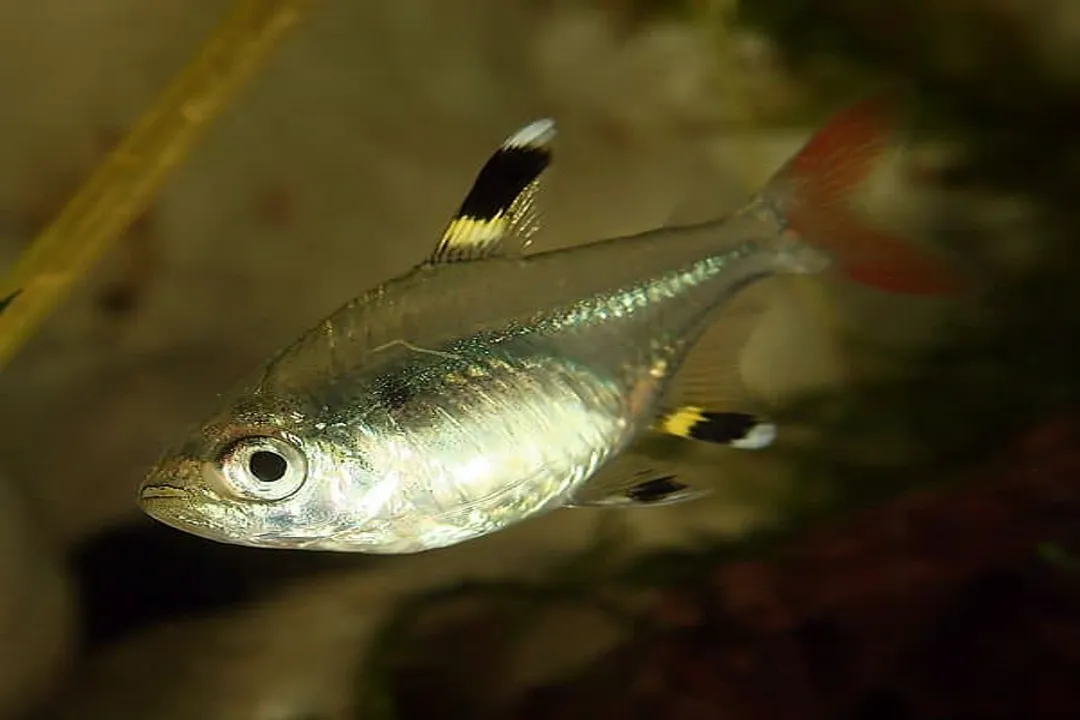
The X-Ray Tetra, known affectionately in the aquarium trade as the X-Ray Fish due to its translucent body allowing a view of its internal structure, occupies a distinct place within the vast diversity of freshwater fishes. Understanding its scientific classification is much more than just academic exercise; it reveals deep evolutionary relationships and suggests inherent biological traits that are vital for its proper care and conservation. [2][3] The definitive scientific designation for this small, schooling fish is Pristella maxillaris. [1][4][5]
# The Scientific Name
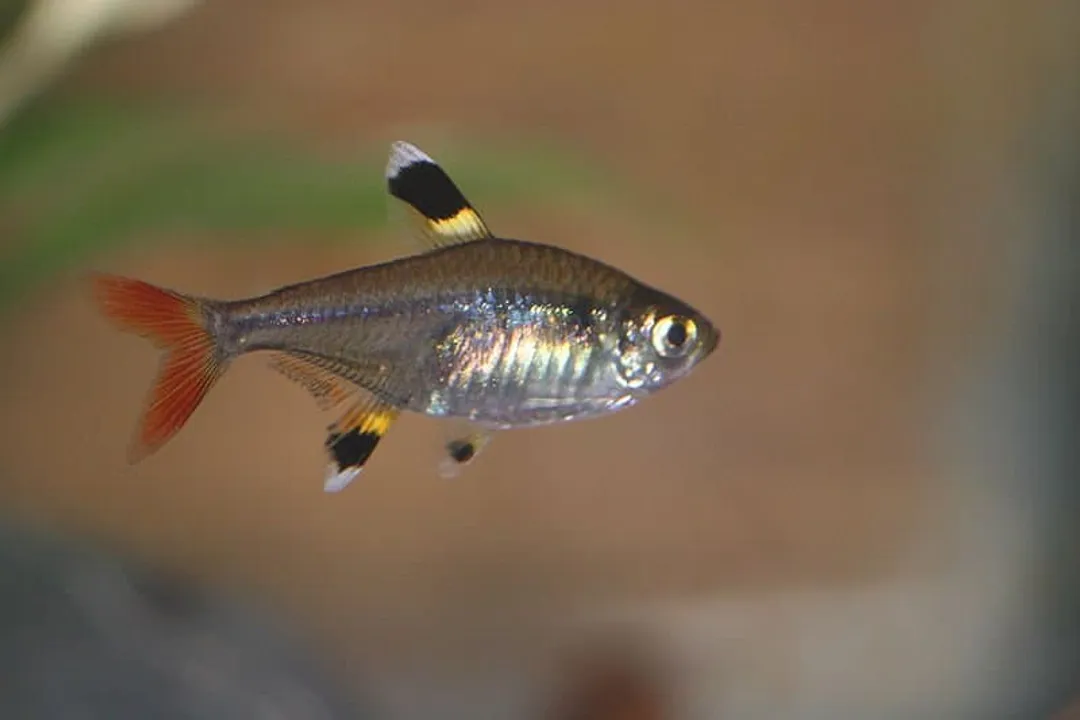
The primary binomial nomenclature, Pristella maxillaris, provides the two-part scientific label recognized globally by ichthyologists. [5] This name, consisting of the genus and species epithets, is the most precise way to identify this organism, distinguishing it from countless other tetra species. [1] While P. maxillaris is the current accepted name, the historical record shows that taxonomic stability isn't always immediate, and alternative names have been used over time. [4]
# Broad Groupings
Tracing the lineage backward from the species reveals the major divisions of life to which the X-Ray Tetra belongs. At the highest level, it rests within the Kingdom Animalia, signifying it is a multicellular, heterotrophic organism. [1] Following this, it belongs to the Phylum Chordata, placing it among animals possessing a notochord, which in this case develops into a vertebral column. [1] This places the X-Ray Tetra in the broader company of all vertebrates.
# Fish Anatomy Ranks
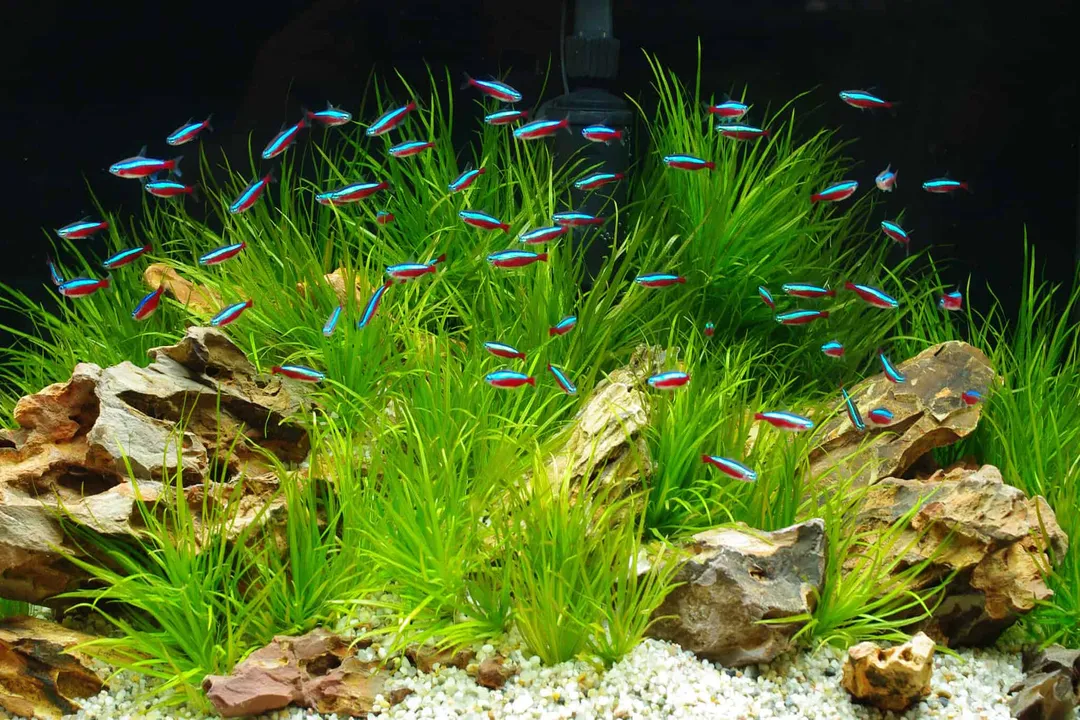
Moving into the specific classes that define its fish characteristics, Pristella maxillaris is classified under Class Actinopterygii. [1] This class name translates roughly to "ray-finned fishes," a defining feature for the vast majority of modern bony fish, characterized by fins supported by bony spines or rays. [1] This contrasts sharply with lobe-finned fishes. Further down the hierarchy, it is placed in the Order Characiformes. [1] This grouping is significant as it unites the X-Ray Tetra with many other popular aquarium species, including piranhas and many other South American tetras. [7]
When hobbyists understand that the X-Ray Tetra shares an Order with creatures requiring specific water chemistry, even if their dietary needs differ wildly, it often prompts a deeper consideration for water quality stability, moving beyond just temperature maintenance. [7] Knowing a fish belongs to the Characiformes lineage suggests a predisposition toward schooling behavior and, generally, a preference for softer, slightly acidic water conditions common to their native South American habitats. [2][3]
# Specific Identity
The classification narrows considerably when reaching the family, genus, and species level, which precisely define the X-Ray Tetra's closest relatives. [5]
The fish is placed in the Family Characidae. [1][4][5] This family is very large and contains many of the most commonly kept small tropical fish, which explains the shared general body shape seen across many tetras. [4] From the genus level downward, the identification becomes absolute. The X-Ray Tetra belongs to the Genus Pristella. [1][5] Finally, its Species designation is maxillaris. [1]
For clarity, the accepted hierarchical breakdown is as follows:
| Taxonomic Rank | Classification | Notes |
|---|---|---|
| Kingdom | Animalia | Multicellular life |
| Phylum | Chordata | Possesses a backbone/notochord |
| Class | Actinopterygii | Ray-finned fishes [1] |
| Order | Characiformes | The characins [1] |
| Family | Characidae | Shared with many tetras [4] |
| Genus | Pristella | [5] |
| Species | P. maxillaris | [1] |

# Synonym History
A critical part of understanding scientific classification involves acknowledging historical nomenclature. For Pristella maxillaris, the name Pristella riddlei is frequently cited as a synonym. [4] FishBase lists Pristella maxillaris as the current accepted name, established originally by Müller and Troschel in 1848. [1] The presence of older synonyms like Pristella riddlei can sometimes confuse database searches or older literature referencing the species. [4] When sourcing information, especially regarding genetic studies or precise conservation status, relying on the currently accepted P. maxillaris designation helps ensure you are viewing the most up-to-date scientific consensus. [5] The stability of this classification, confirmed across major databases like FishBase and iNaturalist, suggests a high degree of authority regarding its current placement. [1][5]
# Classification Relevance
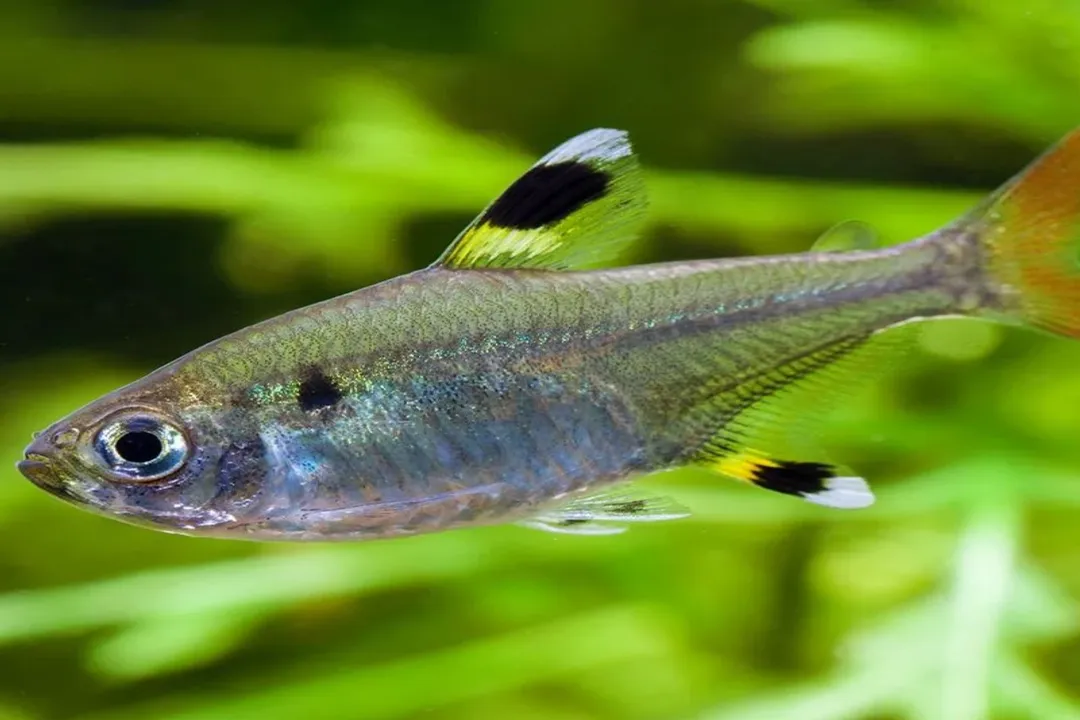
While the family Characidae is broad, understanding that Pristella maxillaris sits within it, specifically the genus Pristella, offers practical benefits beyond taxonomy. The genus Pristella is unique within the Characidae family as these fish are among the few tetras lacking an adipose fin, the small, fleshy fin typically found between the dorsal and caudal fins on many Characins. [7] This subtle anatomical difference, rooted in its specific classification, might be missed by a casual observer but is a key identifier used by ichthyologists to separate genera within the family. [7] For the dedicated aquarist, recognizing this difference—or noting the lack of the adipose fin—reinforces that this is not just another generic "tetra" but a member of a distinct, specialized lineage within the larger Characiformes order, guiding expectations regarding its temperament and schooling structure compared to, say, a true Hyphessobrycon species.
Related Questions
#Citations
Pristella maxillaris, X-ray tetra : fisheries, aquaculture, aquarium
X-Ray Tetra Fish Facts - Pristella maxillaris - A-Z Animals
X-ray tetra - Pristella maxillaris - Aqua-Fish.Net
Pristella maxillaris – X-ray Tetra - Seriously Fish
X-ray Tetra (Pristella maxillaris) - iNaturalist
X-ray fish | Research Starters - EBSCO
Pristella Tetra - Fish Lore
X-Ray Tetra (Pristella maxillaris) - eSHa Labs
X-Ray Tetra (Pristella Tetra) | Aqua Atlantis | Fish