Xenacanthus Scientific Classification
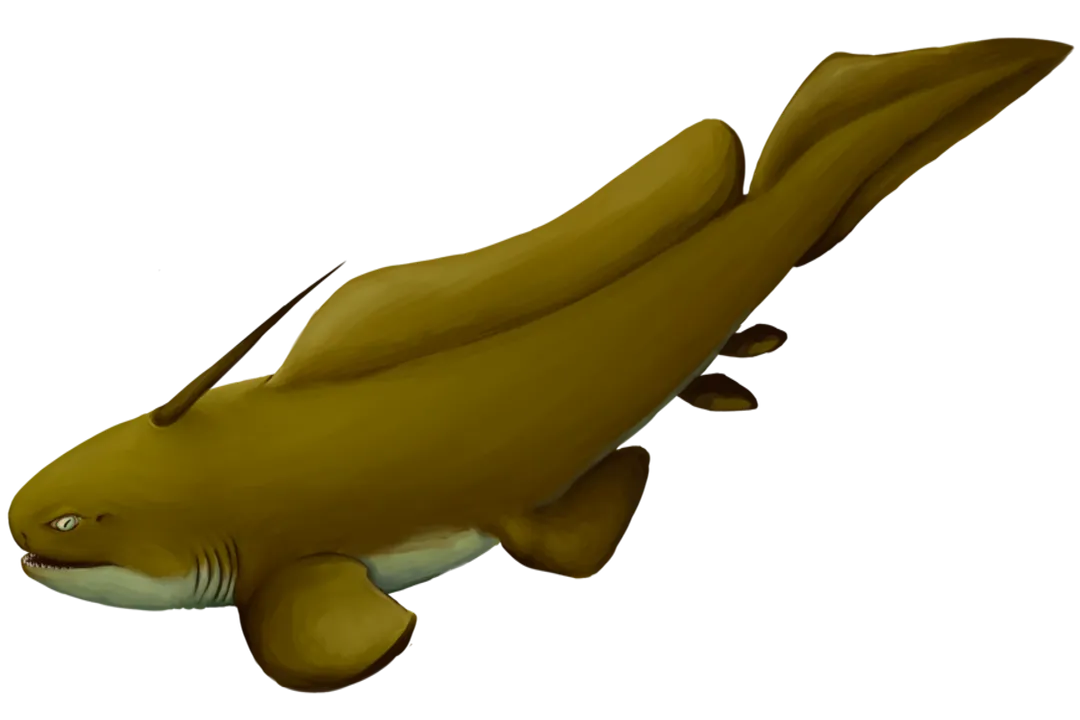
The classification of the ancient shark genus Xenacanthus reveals a fascinating snapshot of early elasmobranch evolution, placing this extinct creature firmly within the cartilaginous fishes, yet setting it apart through unique anatomical specializations. This prehistoric inhabitant, often recalled from the Permian rocks of Texas, possesses a taxonomic history as winding as its eel-like body. [3][10] Understanding its placement requires looking from the broadest biological kingdoms down to the specific genus distinctions that earn it the moniker "foreign spike". [7]
# Kingdom Rank
At the highest level, Xenacanthus shares its dominion with nearly all recognizable animal life: the Kingdom Animalia. [1][4][10] This placement signifies its status as a multicellular, heterotrophic organism. Moving down the established biological hierarchy, it belongs to the Phylum Chordata, the group characterized by having, at some stage of development, a notochord, a dorsal hollow nerve cord, pharyngeal slits, and a post-anal tail. [1][4][10] These foundational characteristics root Xenacanthus firmly within the vertebrate tree.
# Cartilaginous Lineage
The next major step in classification places the group into the Class Chondrichthyes. [1][4] This is the group of fishes distinguished by skeletons made primarily of cartilage rather than true bone—a hallmark feature shared with modern sharks, rays, and chimaeras. This shared characteristic is a crucial piece of evidence for evolutionary relationships, indicating a divergence from the bony fishes (Osteichthyes) very early in vertebrate history. [1] While contemporary shark genera are often sleek and pelagic, Xenacanthus presented a different morphology suited for ancient environments. [3]

# Order Defining Traits
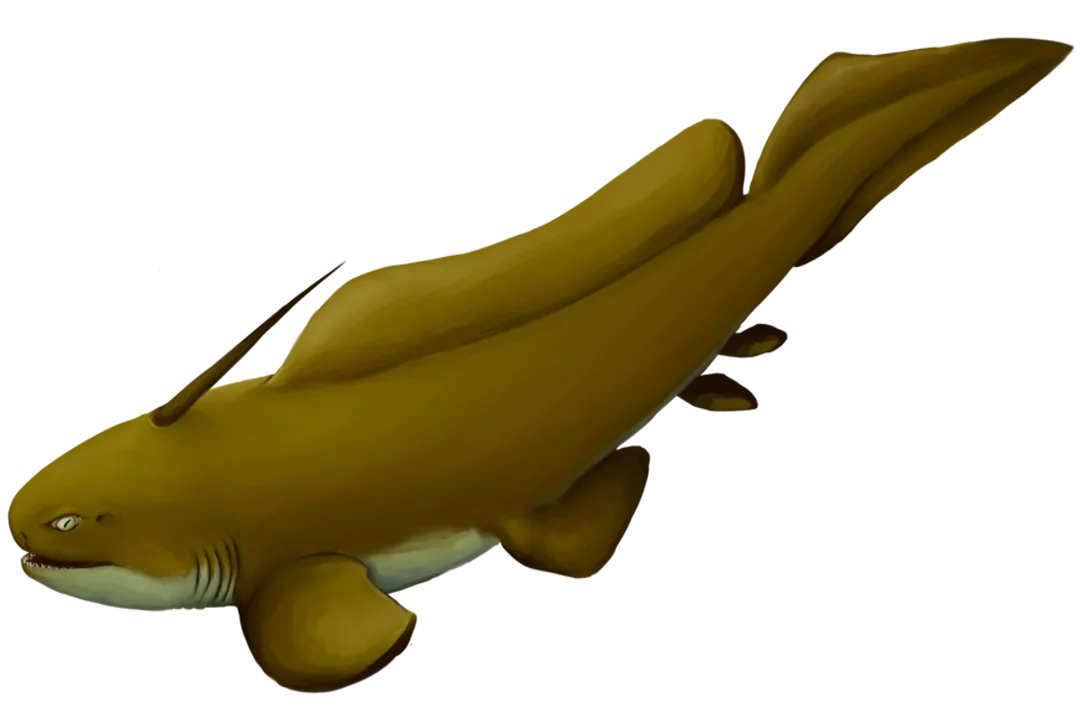
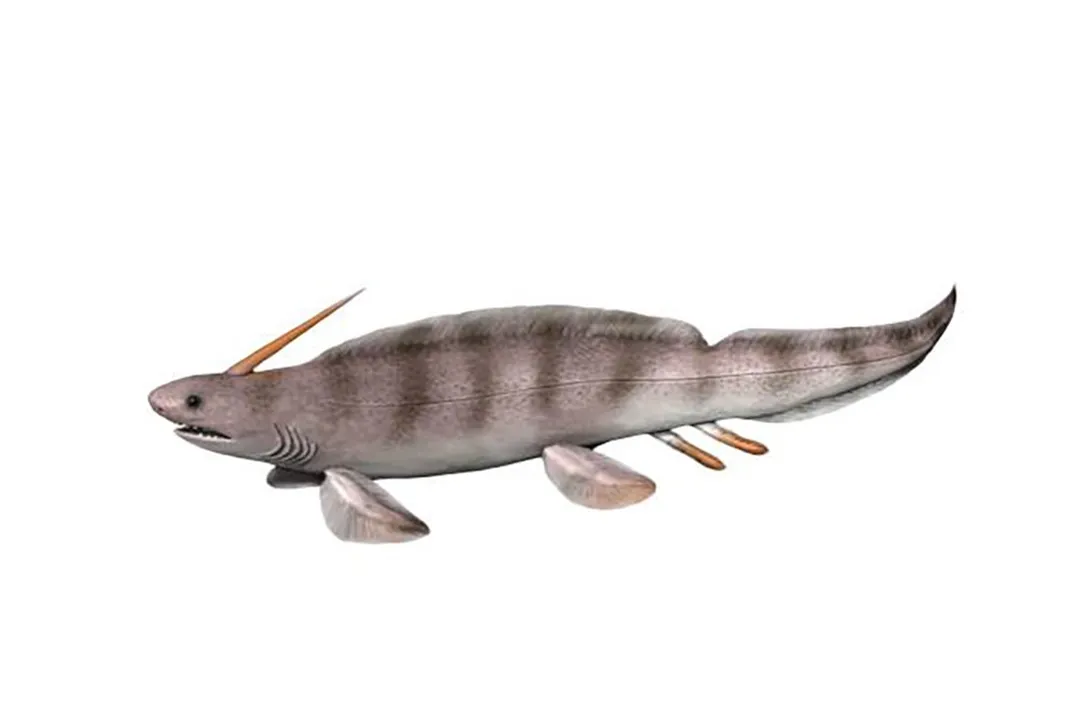
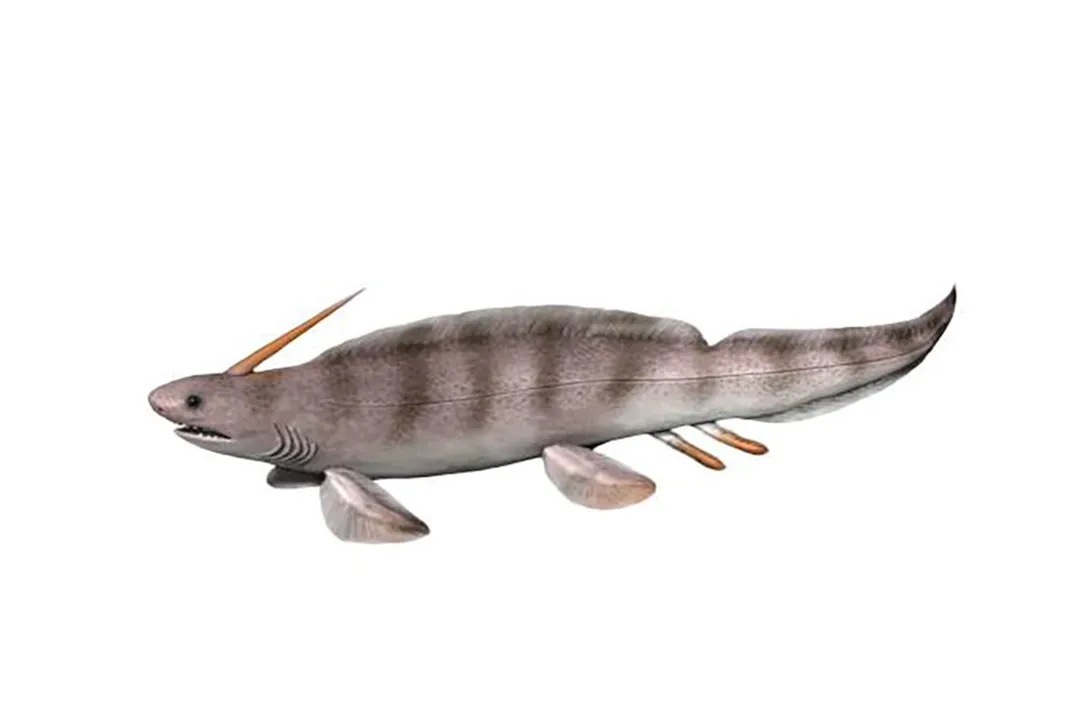
The Order level provides the first real look at what separates Xenacanthus from its living relatives. It is assigned to the Order Xenacanthiformes. [1][2][4] This order represents an extinct lineage of sharks that thrived across the Carboniferous and Permian periods. [2][3] What defines this order, and indeed the genus itself, is a distinctive anatomical feature that sets it apart from most other fossil and extant sharks: the presence of a prominent, often serrated spine projecting backward from the rear of the skull. [3][6][7][9] This structure is so defining that it lends its name to the entire order and genus. [7]
The general body plan associated with the Xenacanthiformes is also distinctive when viewed against the backdrop of modern sharks. These creatures typically featured a relatively long, eel-like or snake-like body, sometimes reaching over a meter in length, adapted for maneuvering in shallow, freshwater environments. [3][9] Their caudal (tail) fins were generally asymmetrical, suggesting they were not built for the high-speed, open-ocean pursuits of many modern sharks. [3]
# Genus Details
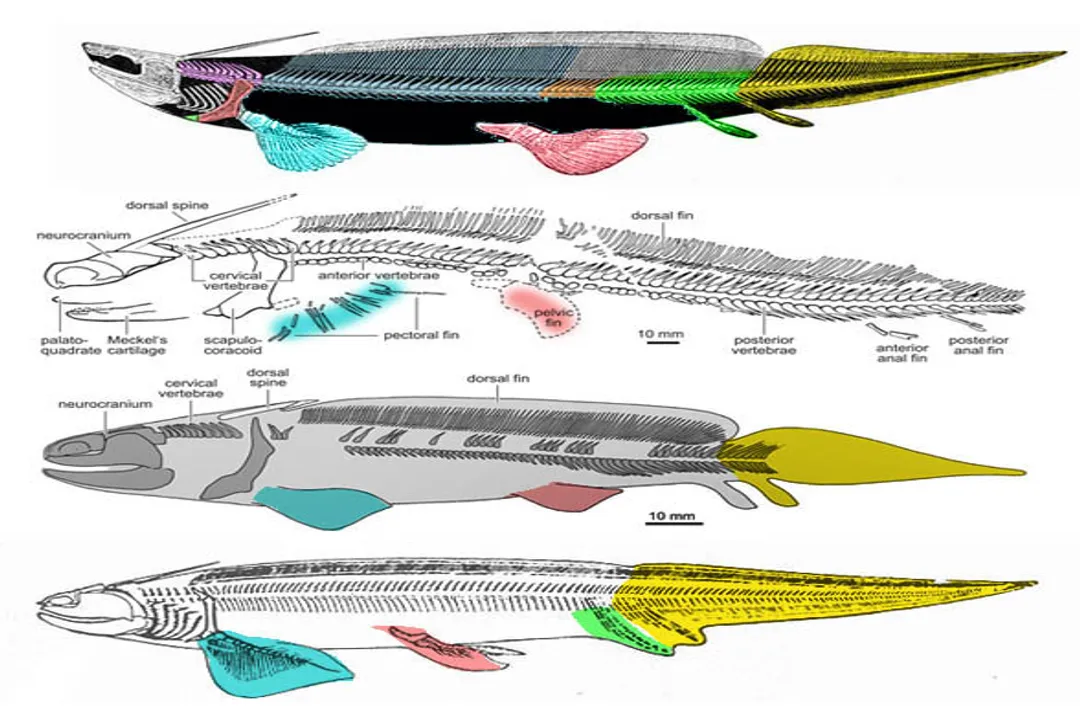
Within the Order Xenacanthiformes sits the Family Xenacanthidae, [1][4] and finally, the specific genus under discussion, Xenacanthus. [1][4][5] The distinction at the genus level relies on finer points of skeletal morphology, fin structure, and, crucially, the specific characteristics of that famous cranial spine. [3] The name Xenacanthus itself translates roughly to "foreign spike", [7] a clear nod to the unusual dorsal spine projecting from its head, which contrasts sharply with the spines found on the dorsal fins of many modern sharks. [3][6]
While the general form was similar across the family, genus-level identification in fossil groups like this often hinges on minute differences in tooth shape or the precise architecture of the dermal denticles or scales preserved in the sedimentary rock. [5] Because Xenacanthus fossils are often found in freshwater deposits, we can infer that the genus was highly specialized for this environment. [3][10]
When considering the functional morphology, that cranial spine presents an interesting case. Given the relatively sluggish, eel-like locomotion often attributed to these sharks, [3] it is plausible that the spine was less about aggressive hunting and more about defense or even intraspecific signaling. Imagine the Permian streambeds; a predator attempting a sudden attack from below would have to contend with that sharp projection aimed directly backward. This feature might have been particularly effective against ambush predators swimming above or behind the shark in murky water, a defensive mechanism finely tuned to its specific niche within the ancient freshwater ecosystems. [9]
# Species Instability
A significant complexity in studying the classification of Xenacanthus stems from the nature of paleontological taxonomy, where specimens are often incomplete, and initial identifications based on partial remains have since been revised. [9] This situation is common when examining extinct forms where genetic sequencing is impossible, forcing reliance solely on morphological traits like the skull or spine structure. [5]
One key area of confusion historically involved synonyms, particularly regarding the Australian fossil material. Some specimens once placed under Xenacanthus, or related genera, have been reclassified or grouped under alternative names such as Orthacanthus or even Paraorthacanthus. [9] This taxonomic shuffling demonstrates the scientific process at work; as more specimens are discovered or existing ones re-examined with modern comparative anatomy, the boundaries between genera within Xenacanthiformes become clearer, or sometimes blurrier. For instance, while the name Xenacanthus persists in literature, knowing the specific species, such as Xenacanthus parkeri, [1] allows for more precise ecological and evolutionary mapping than simply referring to the genus level alone. [5]
When comparing the overall classification strategy for Xenacanthus versus a modern fish, a key difference emerges regarding the certainty of the highest ranks. For a living animal, DNA sequencing confirms the placement within Animalia, Chordata, and Chondrichthyes with near certainty. For Xenacanthus, the placement relies entirely on shared anatomical homology—the structure of the cartilage, the placement of fins, and the unique cranial spine—with other fossil groups, making the relationships between different orders of extinct sharks inherently more speculative than modern relationships. [2] The stability of the Order Xenacanthiformes, however, appears quite established across various studies, suggesting that the combination of the eel-like body and the head spine is a highly reliable evolutionary marker. [2][4]
# Classification Table
To summarize the known taxonomic placement of this distinct group, a simplified hierarchical view helps illustrate its position within the broader tree of life:
| Rank | Taxon | Characteristic Note |
|---|---|---|
| Kingdom | Animalia | Multicellular, heterotrophic [1][4] |
| Phylum | Chordata | Possesses a notochord [1][4] |
| Class | Chondrichthyes | Cartilaginous skeleton [1][4] |
| Order | Xenacanthiformes | Extinct freshwater group [2][3] |
| Family | Xenacanthidae | Defined by specific skull/fin morphology [1] |
| Genus | Xenacanthus | Presence of posterior cranial spine [3][7] |
This table highlights how the defining characteristics—cartilage skeleton, freshwater adaptation, and the cranial spine—are mapped onto the taxonomic structure. [3][7] The reliance on morphology means that future discoveries could certainly refine the family or genus placement if entirely new features are uncovered that link Xenacanthus more closely to a different fossil lineage than the established Xenacanthidae. [5]
Ultimately, the scientific classification of Xenacanthus solidifies its identity as a specialized, ancient branch of cartilaginous fish. Its placement within the Order Xenacanthiformes reflects an evolutionary experiment in freshwater shark morphology, forever marked by that singular, backward-pointing spine projecting from its head. [3][7] Understanding this lineage offers critical data points for tracing the diversification of elasmobranchs long before the rise of the great Cenozoic sharks we know today. [2]
Related Questions
#Citations
Xenacanthus - Wikipedia
Xenacanthus | Animal Database - Fandom
Hamiltonichthys, Akmonistion and Xenacanthus - Reptile Evolution
Xenacanthus sp. - Shark-References
Xenacanthus - Mindat
The foreign spike, Xenacanthus (1848) Phylum : Chordata Class
Xenacanthus - Prehistoric Wildlife
Xenacanthus - The Australian Museum
Oh, hello there. Meet Xenacanthus, a Permian freshwater shark from ...