Wryneck Evolution
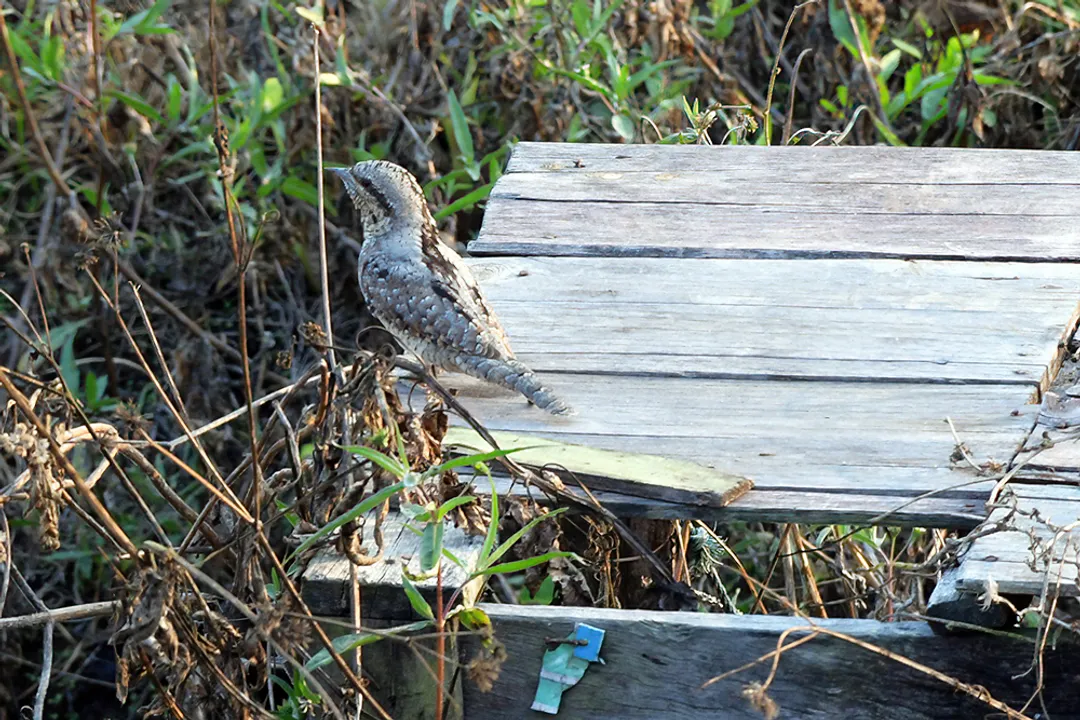
The wryneck lineage offers a fascinating divergence within one of the most recognized bird families: the woodpeckers. Though classified under Picidae, the wrynecks, particularly the well-known Jynx torquilla or Eurasian Wryneck, exhibit a set of behaviors and physical characteristics that set them apart from their drumming relatives, suggesting an evolutionary path that prioritized mimicry and opportunistic nesting over excavation. This distinction prompts a closer look at what selective pressures might have shaped this unique branch of the avian family tree.
# Picidae Kinship
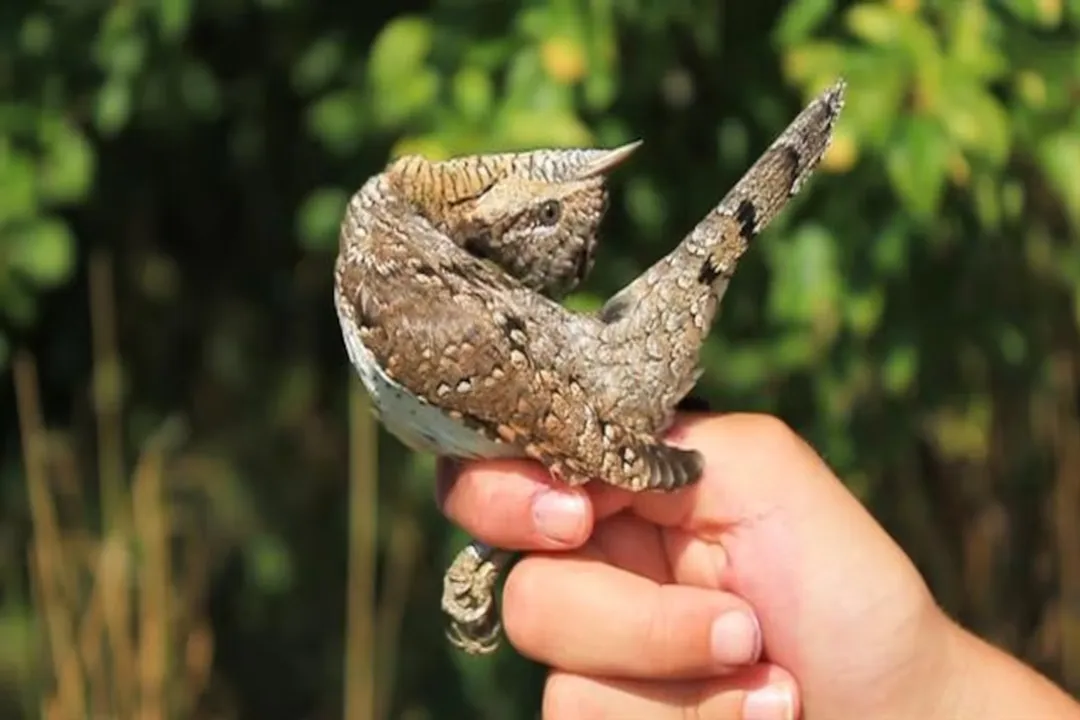
Wrynecks are securely situated within the family Picidae, making them taxonomically close relatives to true woodpeckers and flickers. This relationship is evidenced by shared traits, most notably the structure of their feet. Like other members of the family, wrynecks possess zygodactyl feet—two toes pointing forward and two pointing backward—which provide a strong grip for climbing vertical surfaces. This shared morphology confirms their deep evolutionary connection to birds known for clinging to bark.
However, this placement within the woodpecker group becomes most intriguing when considering what they lack compared to their cousins. The typical image of a woodpecker involves a strong, straight bill used for chiseling into wood, often resulting in the loud drumming sounds associated with the group. Wrynecks, conversely, possess a weaker bill that is ill-suited for excavating tree cavities. Research examining bill morphology in relation to diet and behavior highlights these subtle but significant adaptations that distinguish them within the family structure.
If we consider the evolutionary timeline, the wryneck appears to have separated from the main lineage of excavating woodpeckers before the full specialization of the robust bill and drumming behavior became fixed across the group. It suggests that the ancestral woodpecker may have had a more generalized approach to foraging and shelter-seeking, a niche the wryneck has retained more closely than species like the Great Spotted Woodpecker.
# Form Follows Function
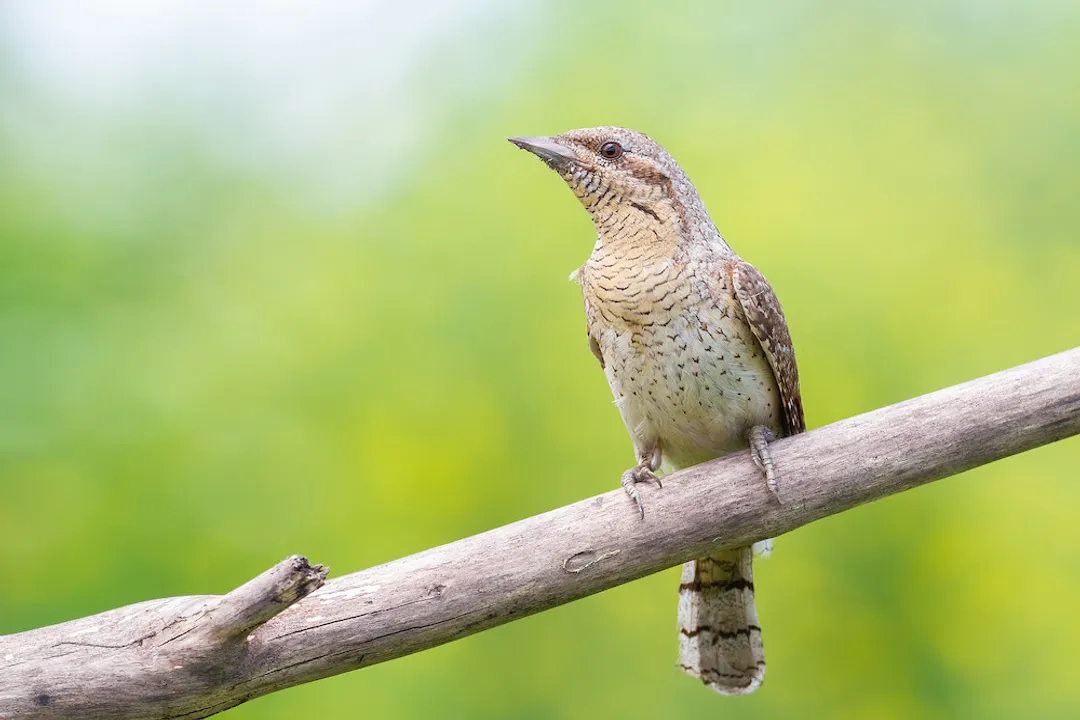
The physical characteristics of the wryneck strongly reflect its specialized lifestyle, which deviates from the excavation-heavy existence of most Picidae. While they share the zygodactyl feet, their tongue mechanism is a key adaptation shared with their powerful relatives: it is long, protrusible, and sticky. This adaptation is perfectly suited for their primary diet, which consists heavily of ants and their larvae, often gathered from the ground or shallow crevices, rather than insects extracted from deep within solid wood.
Another defining feature, and the source of their common name, is their peculiar habit of twisting their neck sharply from side to side, often while remaining still otherwise. This "wry neck" motion is visually striking and tied directly into their most famous behavioral trait: defense.
It is worth pausing here to consider the evolutionary pressures favoring this combination of traits. While other woodpeckers rely on flight or loud calls to deter predators, the wryneck has doubled down on ground-level foraging and passive defense. The specialization in ant-eating, coupled with the retention of a non-excavating nest strategy, suggests that this lineage adapted to an ecological space where competition for deep wood resources was too high, or where the abundant surface insects provided a more reliable caloric intake. The retention of the woodpecker tongue structure, despite the lack of a deep-drilling bill, indicates that the shared ancestor already possessed this capability for probing, which the wryneck then repurposed for ground-level insect retrieval.

# Defense Mimicry
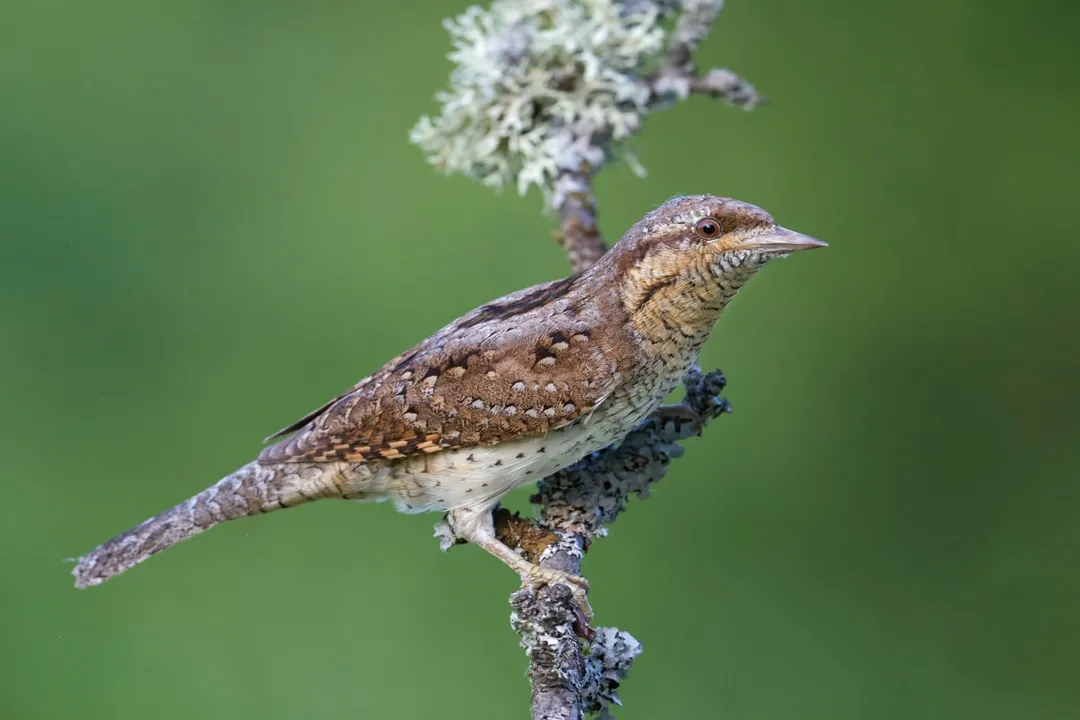
Perhaps the most captivating aspect of wryneck biology, and one that speaks volumes about their evolutionary strategy against predation, is their elaborate threat display. When disturbed on a nest or in a precarious situation, the wryneck engages in a performance that is remarkably effective at deterring potential threats.
This display involves contorting its head and neck in violent, erratic movements while simultaneously opening its mouth wide and hissing loudly. This combination closely mimics the appearance and sound of a venomous snake, which serves as a powerful deterrent to many predators that might otherwise target a bird's eggs or fledglings. National Geographic has noted this specific mimicry, highlighting how the wryneck essentially impersonates a snake to survive. The bird remains relatively still except for the head movements, maximizing the illusion that a dangerous reptile is guarding the site.
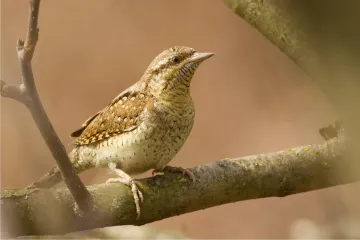
This behavior represents a significant evolutionary investment in camouflage through action rather than just plumage. While their cryptic, mottled brown and grey feathers help them blend into tree bark and leaf litter, the snake mimicry is an active defense mechanism that likely provided a strong selective advantage in open or semi-open habitats where they forage on the ground. Few other birds rely so heavily on this form of auditory and visual deception.
# Cavity Use
A stark point of divergence from the typical woodpecker life cycle centers on reproduction. Nearly all other woodpeckers are cavity excavators, carving out new nest holes each season. The Eurasian Wryneck, however, prefers to use pre-existing holes. They may select cavities created by other woodpeckers, natural hollows in old wood, or even nest boxes provided by humans.
This difference in nesting strategy is intrinsically linked to their bill morphology; they lack the physical tools for sustained excavation. From an evolutionary perspective, this suggests that retaining the ability to utilize found shelters was more advantageous than evolving the specialized bill for drilling, perhaps due to lower energetic costs or a safer microhabitat in existing holes.
For those interested in supporting these birds, understanding this preference is vital. Unlike managing a forest specifically for primary excavators, encouraging wrynecks involves maintaining older trees that naturally develop cavities, or ensuring a supply of suitable nesting boxes is available in open woodland or orchard settings. This creates a practical difference in conservation approach for this specific member of the woodpecker family.
# Distribution and Life Cycle
The Eurasian Wryneck is known for its extensive migratory habits, distinguishing it further from many resident woodpeckers. Jynx torquilla is widely distributed, breeding across much of Europe and temperate Asia. In areas like Switzerland, for instance, they are summer visitors, arriving in spring and departing for overwintering grounds in Africa or South Asia later in the year.
This migratory behavior implies an evolutionary adaptation to seasonal food availability. Their reliance on ants, which are highly abundant during the warm breeding season but scarce or dormant in winter, necessitates long-distance movement to warmer climates where insects remain accessible. This contrasts sharply with resident woodpeckers that can rely on overwintering beetle larvae deep within tree trunks, a food source that remains relatively stable regardless of surface temperature. The necessity to migrate likely reinforces the lack of strong selection pressure for developing a bill capable of accessing deeply buried winter food stores.
# Conservation Overview
Despite their unique biology, wrynecks face conservation challenges across their range. While the Eurasian Wryneck is generally not globally endangered, local populations have experienced declines, which is a common pattern for species reliant on specific habitat structures. The loss of old, dense, or mixed woodlands, particularly those with plenty of aging or dead wood containing natural cavities, directly impacts their breeding success. Furthermore, changes in agricultural practices that reduce ground-dwelling insect populations indirectly affect their food supply.
Studies have looked into the population dynamics and conservation status of the species, emphasizing the need for targeted management efforts that respect their specific ecological requirements, particularly concerning the maintenance of open parklands or traditionally managed orchards over heavily managed, clean forests. Monitoring these specialized niches, rather than just overall forest health, is key to ensuring the wryneck maintains its unique presence within the woodpecker family. The scientific literature also contains ongoing analysis regarding their long-term survival under current environmental conditions.
Related Questions
#Citations
Wryneck - Wikipedia
Eurasian Wryneck - Schweizerische Vogelwarte Sempach
Meet the Woodpecker That Impersonates a Snake
The Wryneck: Biology, Behaviour, Conservation and Symbolism of ...
The Wryneck: Biology, Behaviour, Conservation and Symbolism of ...
Deep Dive: Eurasian Wrynecks - Owl Brand Discovery Kits
Migration and Staging Patterns of the Wryneck (Jynx Torquilla) at ...
A single residue confers selective loss of sugar sensing in wrynecks