Writing Spider Physical Characteristics
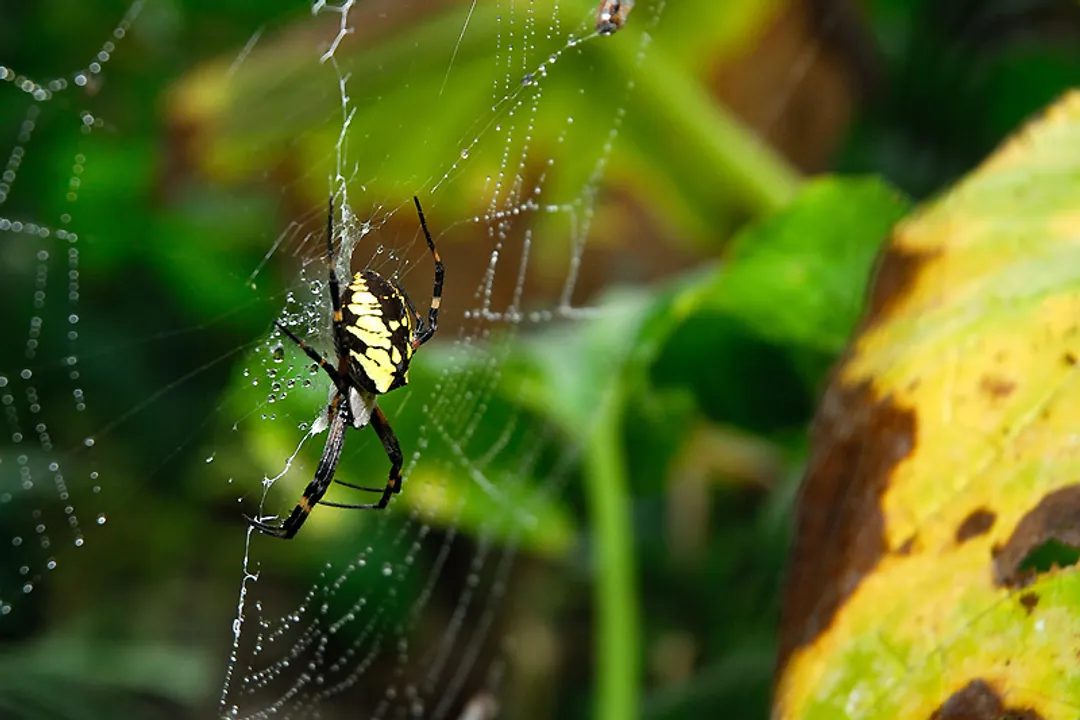
This creature, widely known across North America by a multitude of common names—including the Yellow Garden Spider, Golden Orb Weaver, Scribbler Spider, and Zipper Spider—is scientifically classified as Argiope aurantia. [1][4][7] The species was first formally described by Hippolyte Lucas in 1833. [7] While its striking appearance makes it one of the most easily recognized arachnids found in gardens and sunny edges of fields across the contiguous United States, southern Canada, Mexico, and Central America, understanding its physical makeup reveals why it’s so successful. [1][3][4][6] The Latin name itself offers a hint: Argiope translates to "silver face," referring to the pale hairs on the front part of the body, while the species epithet aurantia means "gilded," clearly referencing the vivid yellow markings on the abdomen. [1][8]
# Names Taxonomy
The sheer number of vernacular names points to how frequently this spider is encountered, yet the scientific binomial Argiope aurantia cuts through the ambiguity. [1] It belongs to the family Araneidae, the true orb-weavers, distinguishing it from other large, colorful spiders like the Joro spider, though both share similarities in diet and harmlessness to humans. [4] These spiders are characteristically solitary and tend to remain in a chosen location throughout much of the season, provided the structure and food supply remain adequate. [4][7] Their habitat preference is for the edge habitats—where two different environments meet—such as grassy hillsides, woodland borders, or areas disturbed by human activity like roadsides and gardens, favoring sunny spots sheltered from strong winds. [3][6][7]
# Sexual Dimorphism
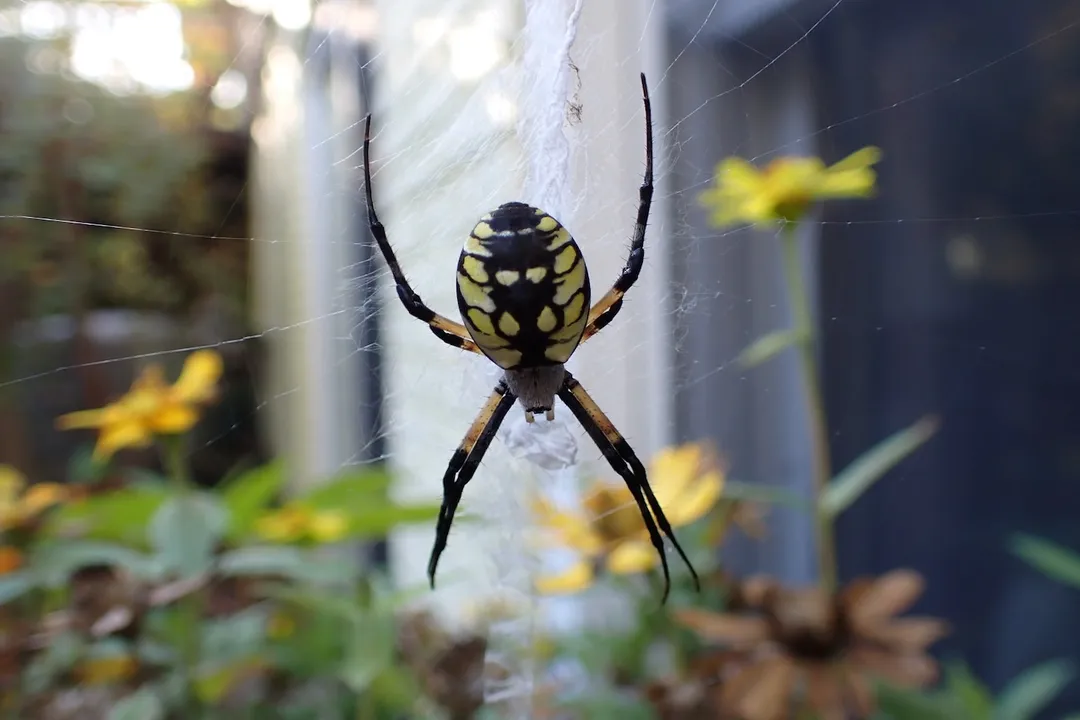
Perhaps the most immediately apparent physical characteristic of A. aurantia is the dramatic difference between the sexes, a condition known as sexual dimorphism. [3][6] The adult female is significantly larger and much more conspicuous than the male. [4][6]
Females exhibit substantial size, with body lengths ranging from about 19 to 28 mm (approximately 0.75 to 1.10 inches). [6][7] Their average body mass can reach about 752.0 mg. [7] In stark contrast, the male is considerably smaller, measuring only between 5 to 9 mm in body length, or less than half an inch. [3][6][7] This size disparity dictates different life strategies; the bulky female anchors herself in her massive, sticky web to capture large prey, while the tiny male must actively roam in search of a female, often building a small web nearby once located. [6] It is interesting to note how this size difference impacts reproductive dynamics, as the male's minuscule size compared to the female’s is thought to relate to his unique, fatal mating ritual. [1] A female built to subdue prey up to 200% of her own size would likely view an equally matched male as just another meal, which, evolutionarily speaking, she often does. [6]
# Body Coloration
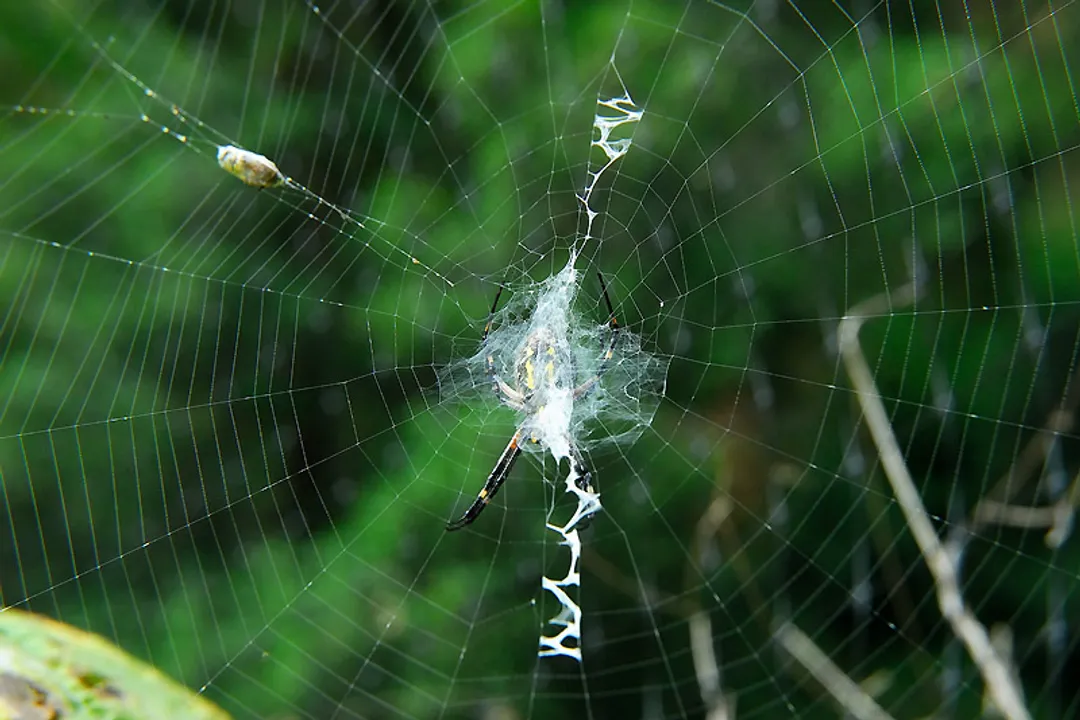
The appearance of the adult female is arresting, defined by bold, high-contrast patterning that serves an aposematic function, warning potential predators of potential danger or distastefulness. [6]
The prominent feature is the abdomen, which displays striking bands of vivid yellow or gold contrasting sharply against a deep black background. [1][3][4][6] Some observers have even likened this appearance to a "banana spider" due to the bright yellow splashes. [8] This bright coloration is believed to be highly perceivable by potential insect prey, perhaps making the spider look like an attractive, non-threatening yellow flower, which draws them closer to the trap. [1][8]
The forward body section, the cephalothorax, is also distinctively marked. It is often described as being covered in short, silvery hairs. [6][7] This silver aspect is where the genus name Argiope originates—the "silver face". [1][8] While the female’s bright abdomen is unmistakable, the legs present a different visual profile; they are predominantly black, though may feature red or yellow sections closer to the body. [6]
# Head Features
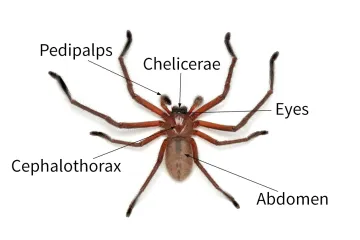
The sensory apparatus of A. aurantia is tailored to vibration detection rather than sight. The spiders possess relatively poor vision. [4][6] The arrangement of the eyes is covered with those characteristic silvery hairs. [3] In terms of communication, while the male courts the female by vibrating her web, the female relies heavily on tactile sensations and air currents to perceive her surroundings and the presence of prey caught in the silken mesh. [6]
# Appendages Structure
The legs of the adult female are relatively long compared to the body, contributing to her large overall presence when perched on the hub of her web. [8] As members of the Araneidae family, these spiders share a structural trait common to orb-weavers: they possess three claws on each foot. [6] This extra claw is specifically adapted to help the spider grip and manipulate the various silk threads during the intricate process of web construction and prey wrapping. [6] In terms of movement, when resting, the spider often holds her legs together in pairs, which can create the illusion that she only possesses four legs. [6]
An important differentiation in physical structure appears when comparing adults to the immature forms. While the adult female has solid black legs, juvenile Argiope aurantia possess legs marked with orange and black bands. [3] This distinct juvenile leg coloration fades as the spider matures and develops the adult's uniform dark leg segments. [3]
It’s worth considering that the evolution of such intense visual signaling (bright yellow/black) in a creature with poor eyesight is a fascinating compromise. The signaling is not for the spider’s own navigation but is purely external—either a bold invitation to prey that mistakes the spider for flora, or a highly visible warning sign to avian predators, which might otherwise fly through and destroy the intricate, energy-intensive web. [1][7] This suggests the visual signal is optimized for other species, not for the spider herself.
# Web Signature
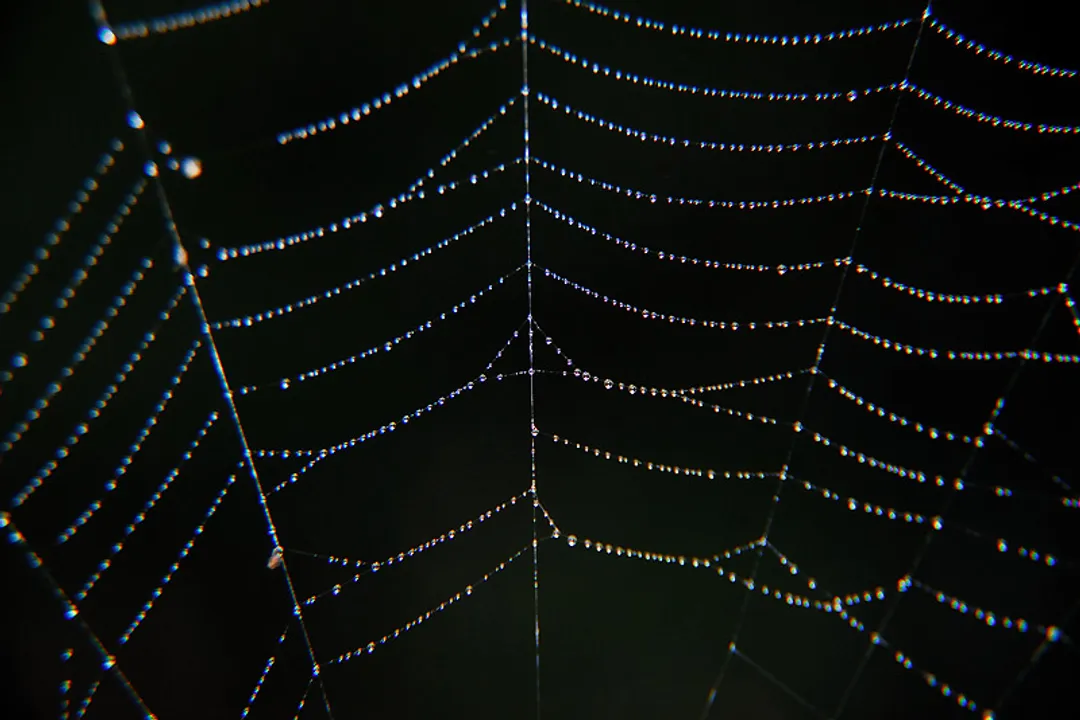
Although not strictly a part of the spider's body, the stabilimentum is the most defining physical output of the writing spider and is directly linked to her physical presence in the web. [4] This is the dense, zigzag pattern of thicker, opaque silk placed vertically down the center of the circular orb web. [3][7] The pattern is often built after the main web structure is complete, leading to the conclusion that it offers little actual structural stability to the overall design. [1] The zigzags can vary in pattern—sometimes vertical, sometimes circular—but the vertical orientation often aligns with the spider’s resting posture. [1][7] This structure can be so prominent that the web can reach diameters exceeding 2 feet (60 cm). [1][7]
The function remains controversial, debated among researchers as to whether it acts as camouflage, attracts prey via UV reflection (a theory that has been challenged), [1][8] or serves as a visible marker to deter birds from crashing through and damaging the structure. [6][7] Interestingly, only those Argiope spiders active during the day construct these striking silk embellishments. [7]
# Young Spiders
The physical development from hatchling to reproductive adult involves a shift in appearance and size. After hatching from their protective, teardrop-shaped egg sacs, which are suspended within the web or under foliage, [3] the juveniles emerge in late summer or remain dormant until spring, depending on the climate. [3][6] The hatchlings resemble miniature adults, but with the previously mentioned banded legs. [3][6] As they grow through instars (developmental stages), their webs increase in size relative to their weight. [3] The juvenile spiders disperse primarily through ballooning, floating on silk strands caught by the wind, a method adults are too heavy to employ. [3] It is only upon reaching maturity that they develop the pronounced sexual dimorphism in size and coloration that defines the species. [3][6]
To put the scale of difference into perspective, consider the materials required for web construction. A female builds a substantially larger web than the male’s small, nearby one. [7] The fact that the female deconstructs and reconstructs her entire large web daily suggests an incredible metabolic investment, possibly tied to the high-protein diet she secures due to her large, conspicuous appearance and specialized trapping apparatus. [1] The physical characteristics of the adult female—her size, her visibility, and her robust web—are all intertwined with her solitary, stationary predatory lifestyle, resulting in a memorable resident of sunny gardens across the continent. [4][7]
#Videos
The YELLOW GARDEN SPIDER 🕷️ Animal Fact Files - YouTube
Related Questions
#Citations
Yellow Garden Spider, Writing Spider Argiope aurantia (Lucas ...
The Writing Spider - Life in the Places Between - Humane Gardener
Writing Spider - Argiope aurantia - A-Z Animals
Argiope aurantia - Wikipedia
Argiope aurantia | INFORMATION - Animal Diversity Web
The Writing Spider (Argiope aurantia) - Curbstone Valley Farm
The YELLOW GARDEN SPIDER 🕷️ Animal Fact Files - YouTube
Argiope Spider | Good Natured - Hickory Knolls Discovery Center