What are the characteristics of a garden spider?
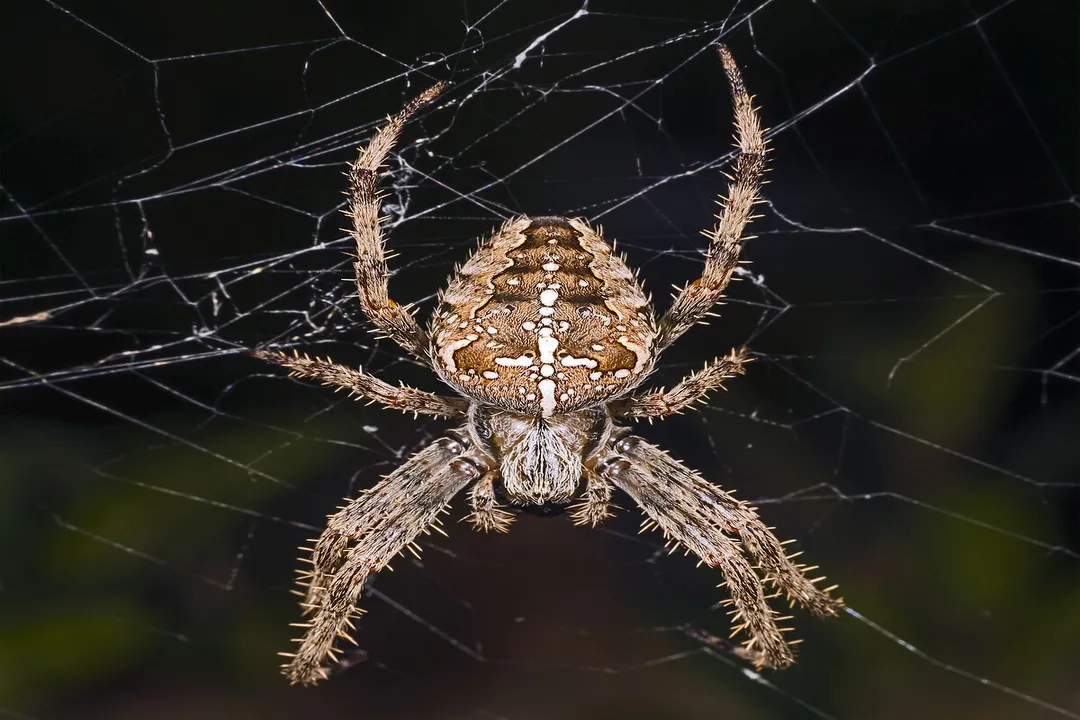
The appearance of a garden spider is often what first draws a person's attention, usually due to the sheer size of the web they construct. While the term "garden spider" is commonly used, it actually refers to several different types of spiders that make their homes in residential green spaces, most notably the Yellow Garden Spider (Argiope aurantia) and the Cross Orbweaver (Araneus diadematus). [1][4][5][8] These spiders are generally considered beneficial inhabitants of a garden ecosystem because of their appetite for flying insects. [3][6] Understanding their characteristics requires looking closely at their physical traits, their impressive engineering skills, and their typical behavior around people.
# Distinct Markings
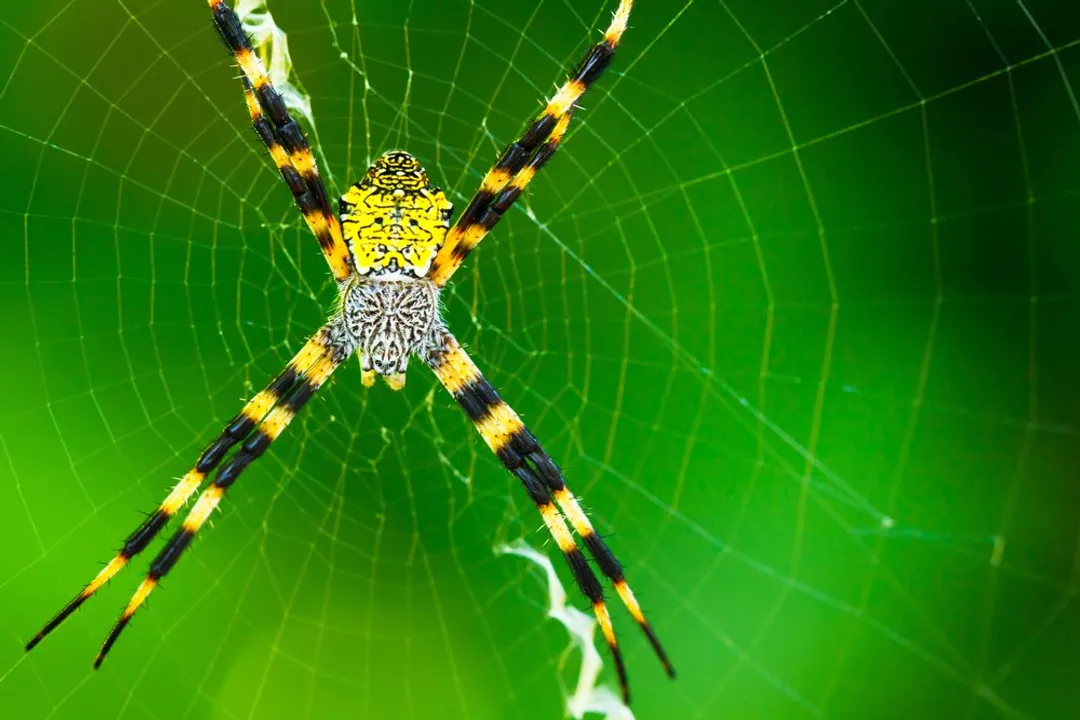
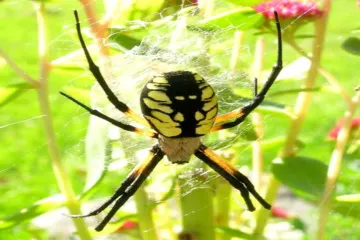
The visual signature of a garden spider varies significantly depending on the exact species you are observing. [4] For instance, the Yellow Garden Spider, sometimes called the Black and Yellow Garden Spider, is known for its striking coloration. [5] The female of this species typically displays a bright yellow abdomen accented with bold black stripes or markings, sometimes featuring white or reddish spots as well. [4][5] These spiders can grow quite large, with females measuring up to an inch in body length, though their leg span makes them appear even bigger. [4] In stark contrast, the male of this species is significantly smaller and generally less conspicuous in color. [4]
The Cross Orbweaver, or European Garden Spider, presents a different pattern. [8] This species is often brown or gray, but its defining feature is the arrangement of white dots on its abdomen, which frequently forms a pattern resembling a cross. [8] This spider also exhibits sexual dimorphism, with females being substantially larger than males. [5] For anyone trying to identify a spider based on appearance alone, noting the presence of vivid yellow and black patterns versus more muted browns with a distinct white cross pattern can help narrow down the identification, although both types build classic orb webs. [1][8]
# Orb Webs
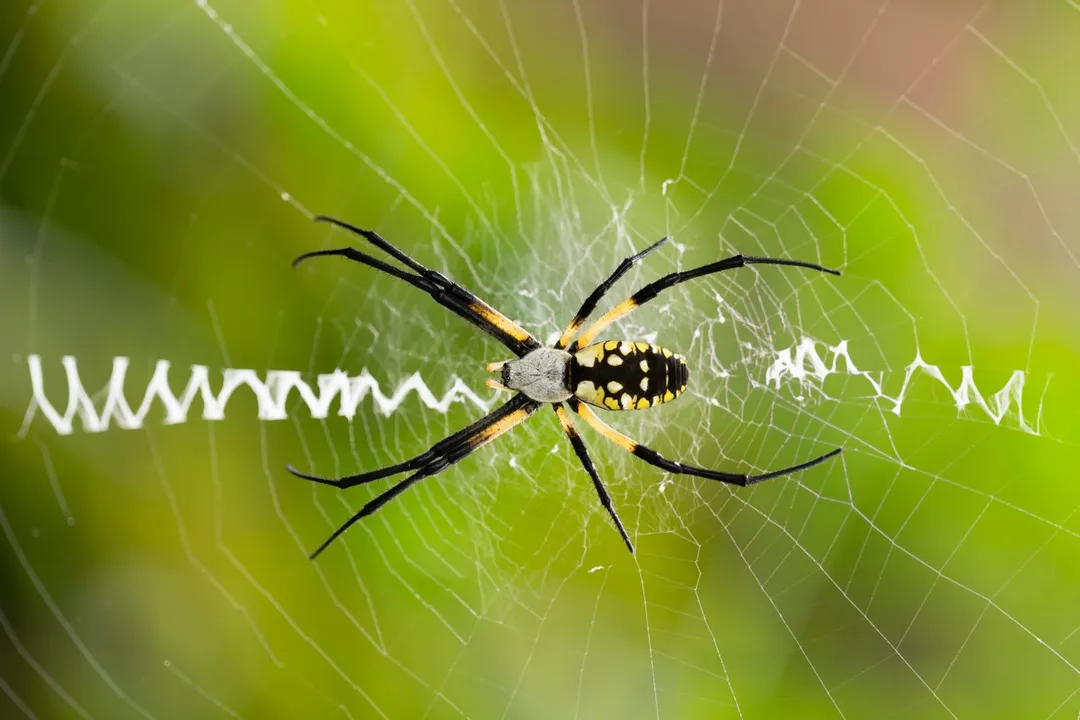
Perhaps the most defining characteristic of these spiders, beyond their size, is the creation of their signature aerial traps: the orb web. [6] These are large, vertical, wheel-shaped webs constructed from strong silk strands. [1][4] Garden spiders are known for their diligence in engineering these structures, often rebuilding them daily, usually early in the morning or after the previous web has captured too much debris or been destroyed by wind or rain. [1] The silk they produce is remarkably strong for its fine diameter. [9]
Within the standard spiral mesh of the web, many garden spiders, particularly the Argiope species, incorporate a dense, zig-zag pattern of silk known as the stabilimentum. [1][5] The presence and shape of this feature vary across species and individuals. [4] While its exact purpose remains a subject of scientific discussion, it is theorized to serve multiple functions, perhaps acting as camouflage to hide the spider, making the web more visible to birds to prevent accidental destruction, or even acting as a lure to attract prey into the sticky strands. [1][4][5] It is fascinating to observe how the location of this feature changes; some spiders place the stabilimentum vertically down the center, while others might place it in a circular pattern near the hub where they wait. [1] In environments like a home vegetable garden, the structural integrity of these webs, even when temporarily abandoned during the day, speaks volumes about the spider's innate architectural ability. [9]
# Pest Control

The primary role these spiders play in a garden setting is that of a natural, ongoing pest control service. [3][6] They are generalist predators, meaning their diet is not restricted to one type of insect. [9] Instead, they consume almost any small flying insect that stumbles into their sticky snare. [4] This can include bothersome pests like flies, mosquitoes, wasps, and various moths. [4][9]
The effectiveness of their hunting is tied directly to their web placement. Since they prefer sunny locations where their webs are less likely to be seen by flying prey, finding a large, well-constructed web between taller plants or near a sunny path often indicates a highly active predator is nearby. [4] The sheer volume of insects they can capture over a summer season is substantial, making them invaluable biological allies for any gardener looking to reduce reliance on chemical controls. [6] A good rule of thumb for coexisting with them involves assessing the location of the web. If it is blocking a frequently used entryway or walkway, carefully relocating the web to a less trafficked area—perhaps between two established tomato stakes—is a practical way to maintain access while preserving the spider’s hunting ground. [9]
# Where Found
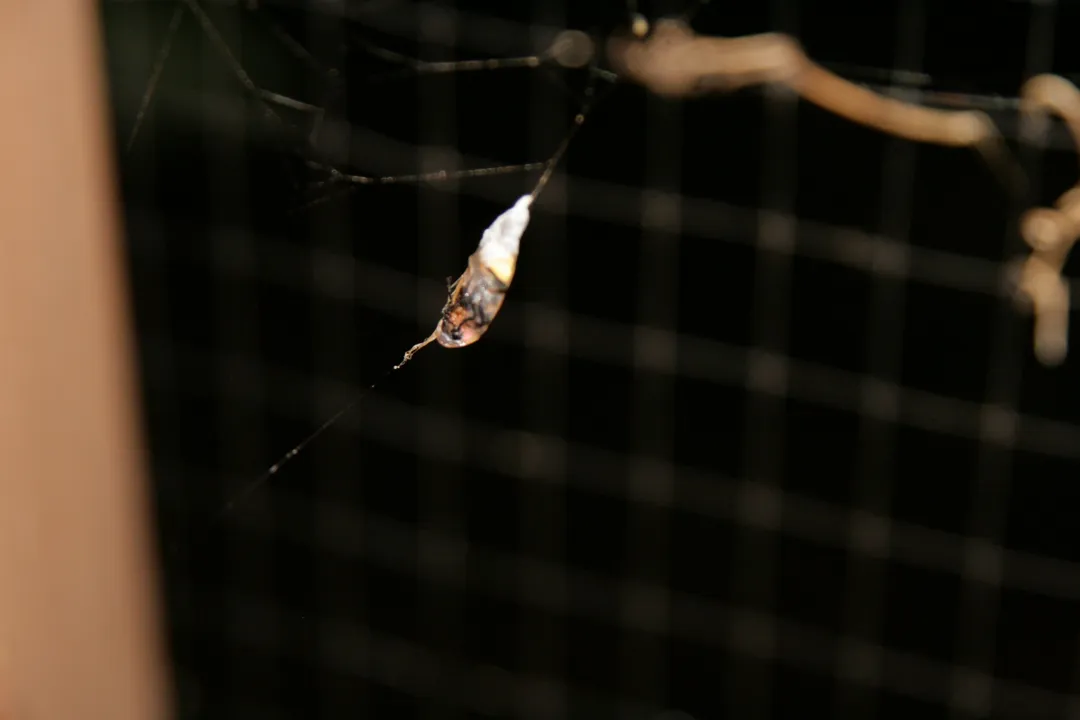
Garden spiders are adaptable but favor specific environments that support their lifestyle. [5] They are most commonly seen in weedy fields, tall grasses, shrubs, and, of course, gardens where there is plenty of dense vegetation to anchor their large webs. [1][5] They generally seek out areas that receive ample sunlight, which aids in both warming their bodies and making their silks less visible to insect prey. [4]
Most species encountered in temperate gardens are annual, meaning the adults live only for one season, typically emerging in the late spring or summer, maturing as the season progresses, and dying off when the first hard frosts arrive in the fall. [1][5] Before they perish, however, the female spiders will have produced an egg sac, which is often secured to a sturdy plant stem or under a leaf, holding the next generation safe through the winter months. [1][5] This seasonal presence means that the impressive webs you see in late August are likely to disappear entirely by November, only to reappear in miniature form the following year.
# Human Contact
Despite their imposing size and the elaborate traps they construct, garden spiders are generally not aggressive toward humans. [1] Their primary defense mechanism is avoidance; they are shy and prefer to remain still in the center of their web or hide in nearby foliage when they sense vibrations or movement that suggest a large creature (like a person) is approaching. [5] Bites are exceedingly rare and usually only occur if a person intentionally handles the spider or accidentally presses it against the skin, such as when reaching into thick vegetation. [1][5] The venom of the common garden spider is not considered medically significant to humans, usually resulting in only localized, minor pain similar to a bee sting. [5]
Observing how they react to disturbance provides insight into their nature. If you gently touch the web of an Argiope spider, the spider will often drop quickly to the ground or retreat into a dense clump of leaves nearby. [4] They are focused on catching insects, not engaging with larger animals. Recognizing that their presence signals a healthy, thriving local insect population can change one's perspective from fear to appreciation for these quiet, hardworking members of the backyard community. [3]
Related Questions
#Citations
What to Know About The Garden Spider - Southern Living
Garden Spiders: Facts, Identification & Control - Terminix
Black and yellow garden spider benefits - Facebook
Yellow Garden Spider - National Wildlife Federation
Native Animal Profile: Black and Yellow Garden Spider
The Terrific, Radiant, Humble Garden Spider
Garden Spiders: Everything You Need to Know (and More)
Araneus diadematus - Wikipedia
Garden Spiders - Wisconsin Horticulture