How does the general dietary profile of the Oriental Wolf Snake (*Lycodon capucinus*) compare to *L. aulicus*?
Answer
Similar—preying on small vertebrates and invertebrates.
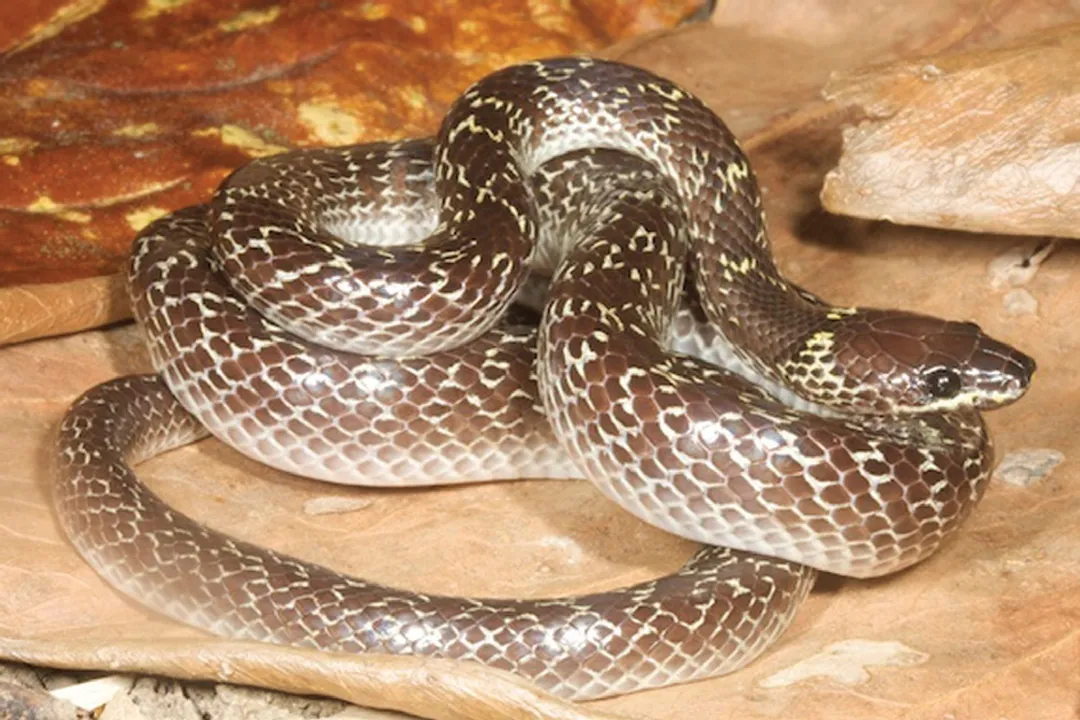
Although specific research details might vary between studies focused on different species, the general dietary profile shared between the Oriental Wolf Snake (*Lycodon capucinus*) and the Common Wolf Snake (*Lycodon aulicus*) remains consistent. Both species utilize a diet composed of small vertebrates alongside invertebrates. This similarity, combined with their shared habitat proximity to human areas like gardens, contributes to their widespread distribution, as flexibility in prey selection is a major factor in their ecological success.
Related Questions
What prey category frequently forms the bulk of the *Lycodon aulicus* intake based on stomach content analysis?What is often the common starting point feeder item provided to captive juvenile or newly acquired Wolf Snakes?What specific nutritional concern arises when a Common Wolf Snake switches to a diet heavily skewed toward pinky mice?What heuristic determines the maximum acceptable diameter for a prey item, such as a lizard or mouse, offered to a Wolf Snake?What is the extended feeding interval recommended for established adult Wolf Snakes once steady weight is achieved?Which environmental condition often triggers the feeding stimulus in predominantly nocturnal Wolf Snakes when kept in captivity?How does the general dietary profile of the Oriental Wolf Snake (*Lycodon capucinus*) compare to *L. aulicus*?What is the core difference between the natural diet of *Lycodon* species and their captive care regimes?What common secretive feeding behavior do keepers often observe after a Wolf Snake successfully consumes a meal?Besides nutrient profiles, what major difference exists between a wild diet heavily reliant on lizards and a captive diet dominated by rodents?