What common secretive feeding behavior do keepers often observe after a Wolf Snake successfully consumes a meal?
Answer
Immediately retreating to a secure, dark hiding spot to consume it.
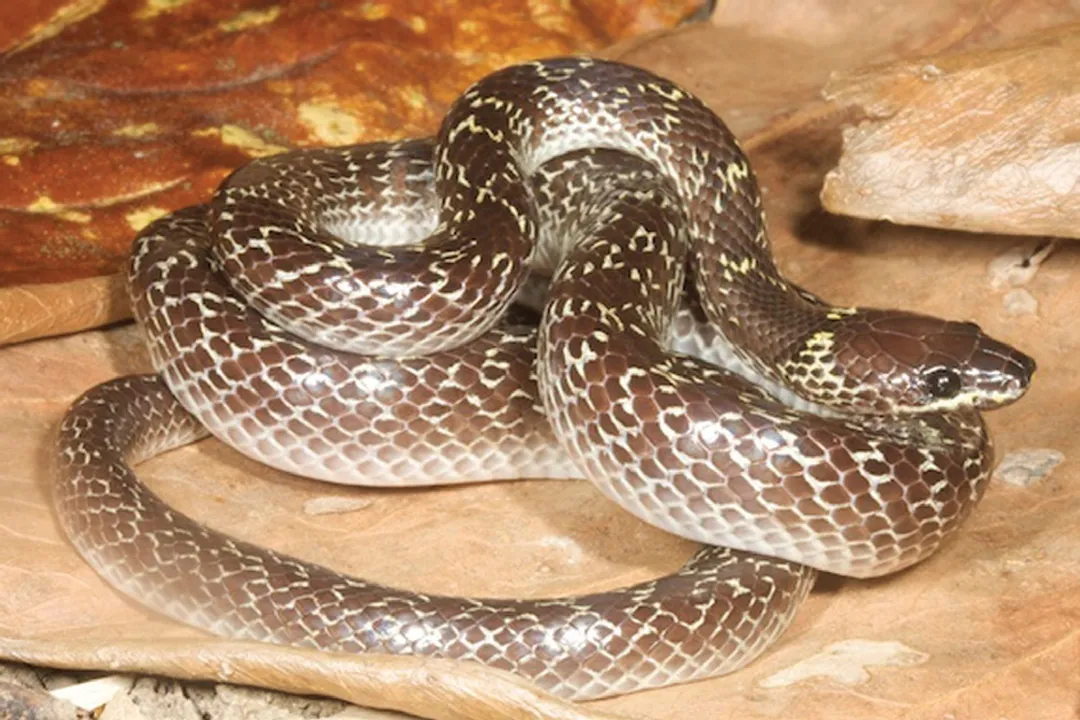
A behavioral trait observed in the wild, where Wolf Snakes consume prey quickly and retreat or utilize darkness for digestion, translates directly into captivity. Many keepers report witnessing their snakes rapidly taking their meal and then immediately moving back into a secure, dark hiding place. Following this secluded period, which can last a day or two, the snake will typically resume normal activity. Observing this rapid uptake followed by seclusion is generally interpreted by experienced keepers as a sign that the feeding session was successful, rather than an indication of stress, provided the snake returns to normal patterns afterward.
Related Questions
What prey category frequently forms the bulk of the *Lycodon aulicus* intake based on stomach content analysis?What is often the common starting point feeder item provided to captive juvenile or newly acquired Wolf Snakes?What specific nutritional concern arises when a Common Wolf Snake switches to a diet heavily skewed toward pinky mice?What heuristic determines the maximum acceptable diameter for a prey item, such as a lizard or mouse, offered to a Wolf Snake?What is the extended feeding interval recommended for established adult Wolf Snakes once steady weight is achieved?Which environmental condition often triggers the feeding stimulus in predominantly nocturnal Wolf Snakes when kept in captivity?How does the general dietary profile of the Oriental Wolf Snake (*Lycodon capucinus*) compare to *L. aulicus*?What is the core difference between the natural diet of *Lycodon* species and their captive care regimes?What common secretive feeding behavior do keepers often observe after a Wolf Snake successfully consumes a meal?Besides nutrient profiles, what major difference exists between a wild diet heavily reliant on lizards and a captive diet dominated by rodents?