Whitetail Deer Diet
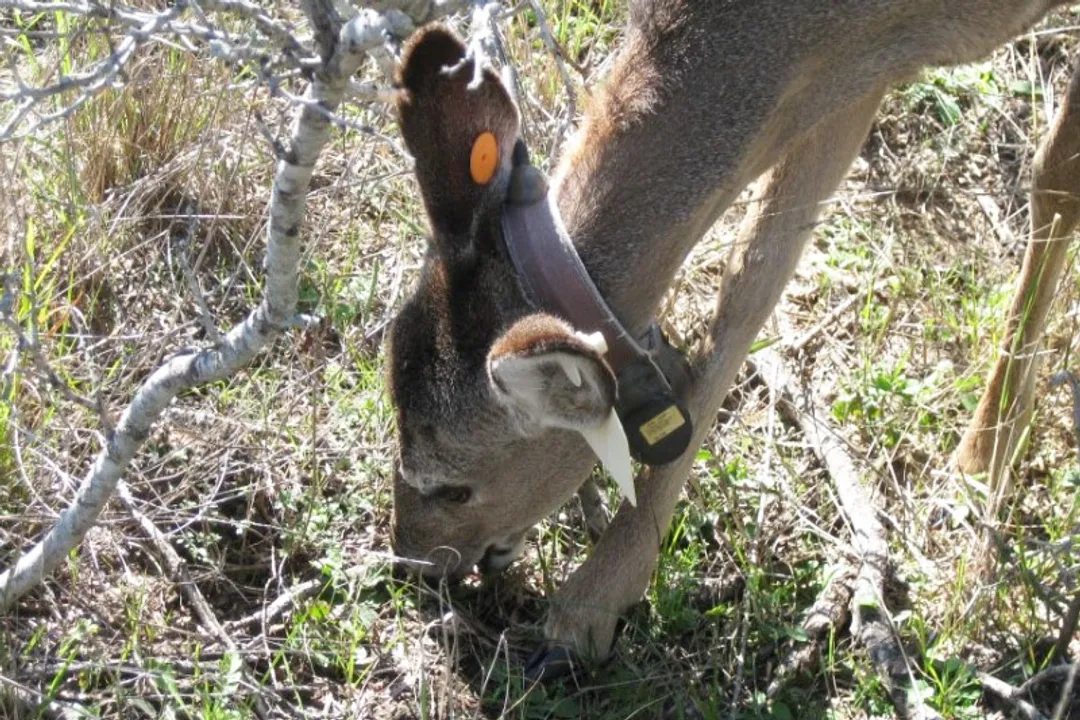
White-tailed deer are often pictured with their noses buried in corn feeders or fields of grain, leading many to simplify their diet down to those high-profile staples. However, the reality of what sustains these animals across their range is far more complex, dictated by an intricate balance of physiology, seasonal availability, and sophisticated food selection skills. To truly understand the whitetail, one must first appreciate that they are concentrate selectors—a classification that immediately sets them apart from grazers like cattle.
# Digestive Adaptations
The very structure of the whitetail dictates its eating habits. Unlike a cow, which utilizes a very large, complex rumen filled with diverse microorganisms to break down fibrous roughage, the deer possesses a smaller, more specialized four-chambered stomach. This specialized anatomy means deer require foods that are higher in quality and more easily digestible. Their narrow snout and long, prehensile tongue are perfectly evolved tools for precision foraging. They deftly select the best plant parts—tender shoots, buds, and young leaves—pinching them off while skillfully avoiding woody stems, thorns, and older, less nutritious foliage.
This selectivity is supported internally. Deer saliva contains enzymes capable of deactivating secondary plant compounds, like tannins, which allows them to safely consume items such as acorns in quantities that would be dangerous for a grazer. This physiological specialization is key: while a landscape might appear green and full of forage, if that forage is primarily mature, low-quality grass, a deer can starve with a full stomach because its quick digestive process cannot extract the necessary energy and nutrients from that bulky material.
# Diet Components
A deer’s diet is incredibly varied, with studies documenting consumption of over 600 plant species in some regions. While they sample widely, the majority of their annual intake usually comes from three primary categories: browse, forbs, and mast.
Browse encompasses the leafy parts and twigs of woody plants, shrubs, and vines. Since woody growth is available year-round, even when dormant or leafless, browse forms the backbone of the diet, especially during the harsher seasons. However, because it tends to be higher in fiber than other options, it is often considered only moderately preferred when better choices are present.
Forbs, the herbaceous, broad-leaved plants often dismissed as "weeds," are favorites when in season. They are highly digestible, palatable, and nutrient-rich, particularly in the spring and early summer when fresh growth explodes with high protein content. In many areas, if forbs are abundant, they can dominate the diet when available.
Mast, which includes both hard mast (like acorns) and soft mast (like berries and fruits), provides essential, calorie-dense bursts of nutrition. Acorns, for instance, are high in fats and carbohydrates, making them critical for building winter fat reserves, though they are relatively low in protein compared to spring forbs. Soft mast supplies needed sugars and vitamins during the summer months.
Finally, grasses are rarely a preferred food source for whitetails, usually making up a small fraction of their total annual consumption. Deer will turn to them primarily in late winter or early spring when other green forage is scarce, or if competition for better food is intense. While they can eat cereal grains like oats or wheat, these are generally consumed when they are in their early, more digestible growth stages, or when they are part of a specialized food plot mix. Even overlooked items like mushrooms can serve as a surprising source of protein and phosphorus.
# Seasonal Shifts
The white-tail’s nutritional requirements fluctuate dramatically throughout the year, causing predictable shifts in what they choose to eat on any given day.
In the spring, the landscape offers its highest quality menu. New, succulent growth from forbs and early browse is high in protein, making this the most nutritionally optimal time of year for deer to recover from winter stress and support early fawn development.
Summer sees a continued focus on highly nutritious, leafy growth from forbs and perennial plants. During this period, certain legumes can achieve protein levels nearing 24 percent if they are managed through periodic mowing, providing excellent nutrition for does preparing to lactate.
As fall arrives, the focus shifts from protein building to energy storage. This is when mast becomes paramount. Deer concentrate heavily on carbohydrate-rich foods like acorns to build up the fat reserves needed to survive the coming winter and the high energy demands of the rut. If mast crops fail, deer will rely more heavily on available crops like corn or wheat, or increase their browse intake.
Winter is the most nutritionally stressful period, combining lower food availability with the energy demands of maintaining body temperature. With most high-protein vegetation gone, deer must rely on less palatable woody browse—twigs, buds, and bark—to survive until spring green-up. This is when supplemental cool-season food plots containing rye or wheat can become particularly beneficial, offering a needed source of protein when the native diet is deficient.
# Core Needs
Beyond the plant types, understanding the nutrients driving these choices is essential. Protein, energy, and minerals are non-negotiable for maintaining body functions, growth, and reproduction.
Protein demands peak for males during antler development in the spring and summer, and for females during late-stage pregnancy and lactation, with milk production being the most demanding physiological event. For example, bucks fed only an 8 percent protein diet can produce antlers half the mass of those fed a 16 percent diet.
Energy requirements are directly linked to body mass and activity, spiking during winter for temperature regulation and after the rut for recovery. Calcium and Phosphorus are crucial, as hardened antlers contain roughly 22% calcium and 11% phosphorus. Deer are capable of mobilizing these minerals from their own skeletons to meet sudden demands, a process that must be replenished through diet afterward. Water is also critical, with deer needing access to free water sources in addition to the moisture contained in the vegetation they consume.
# Land Management Implications
For those managing land for whitetails, recognizing the deer’s specialized feeding style is vital for habitat work. A classic sign of heavy deer presence is the browse line, a visible indicator where all palatable foliage has been stripped from the lower reaches of trees and shrubs, often reaching about six feet in height, though deep snow can temporarily push this line higher. Unlike rabbits that leave clean, angled cuts, deer use their dental pad to pinch and tear vegetation, leaving ragged edges on the remaining stems.
Understanding this preference allows managers to prioritize habitat work that meets the deer's continuous needs. If a property is dominated by mature timber or uniform grass fields, the deer are likely being forced to subsist on suboptimal forage. Land management practices such as light disking, prescribed fire, or timber stand improvement (TSI) are effective because they promote the early successional growth—the young, tender forbs and browse tips—that deer instinctively prefer for their high nutritional return on investment.
While food plots are popular, they should complement, not replace, good native habitat management. A key analytical consideration for landowners is timing: a high-protein food plot planted in summer may see low usage if the natural forbs are booming that year. The true value of a food plot often comes when it targets the specific nutrient gap in the native diet, which is frequently the late winter protein shortage following a mast failure. Furthermore, deer prefer to feed close to safety; plots too far from cover may see most of their use occur under the cover of darkness.
The dietary preferences of whitetails are not static across geography. A plant considered a first-choice browse in one region might only be a second choice just a few hundred miles away, dependent on local soil conditions and the species that evolved in that area. Therefore, the most effective management always involves confirming local preferences, often by consulting regional wildlife agencies or observing browsing patterns firsthand in the local woods. Simply put, providing a diverse buffet of preferred foods across all seasons is the surest way to maintain a healthy, productive deer herd.
Related Questions
#Citations
What Do Deer Eat? A Deer Diet Breakdown by Season
What Do Deer Eat? | Deer Ecology & Management Lab | Mississippi ...
Deer Diet: Regional Adaptation - North American Whitetail
Food Habits - White-tailed Deer Illinois: deer ecology
The White-tailed Diet: More than just Acorns and Corn
Understanding Whitetail Deer Diet & Feeding Patterns - ohDeer
Deer: Food and Water Needs | Missouri Department of Conservation
Nutritional Requirements of White-tailed Deer in Missouri
Food for Thought: A Primer of Deer Diets Part 1 | Virginia DWR