Whitetail Deer Scientific Classification
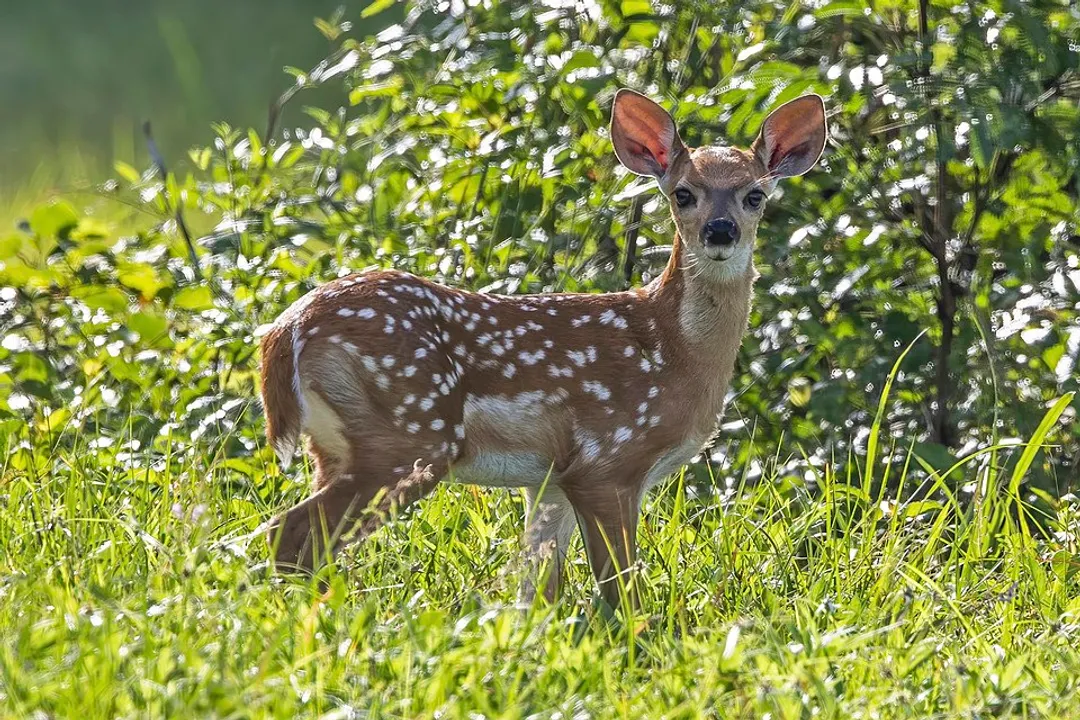
The classification of the Whitetail Deer, scientifically known as Odocoileus virginianus, places this common and widespread ungulate firmly within the natural order of mammals. [4][5] Understanding where this animal sits on the tree of life reveals much about its evolutionary history and its success across diverse ecosystems, ranging from southern Canada down through Mexico and into northern South America. [1][10] While its common names are simple—Whitetail or White-tailed Deer—its scientific nomenclature speaks to a precise placement that scientists use globally to communicate about its characteristics and biology. [2][8]
# Taxonomic Ladder
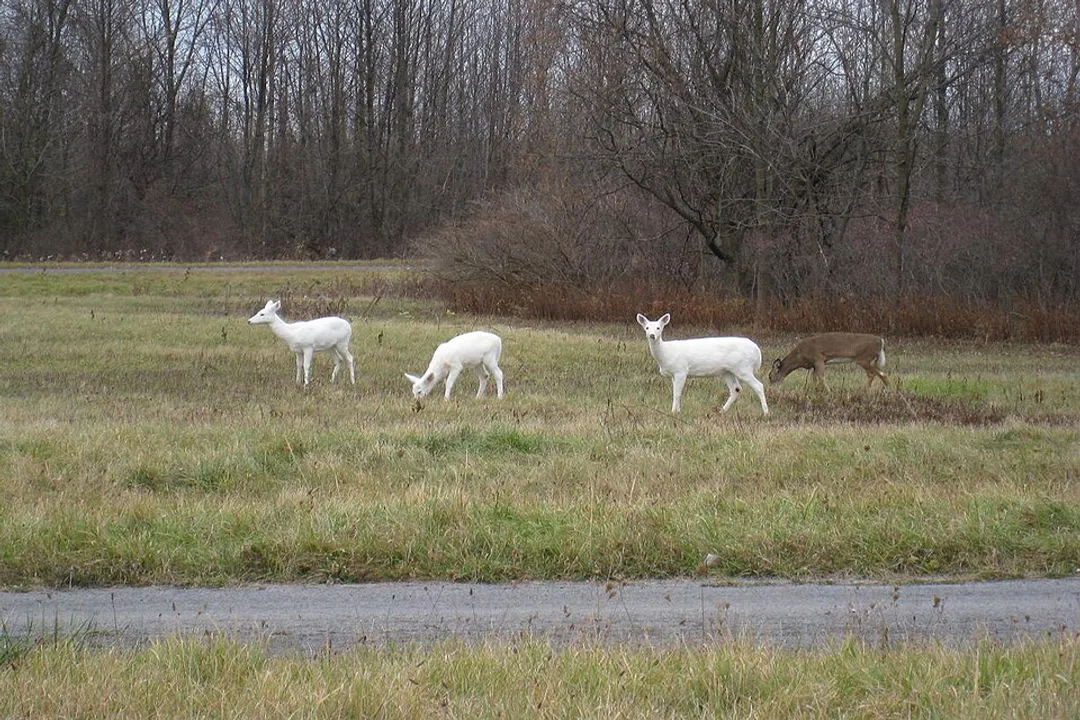
The scientific classification system organizes life based on shared characteristics and evolutionary relationships, a structure essential for biologists studying everything from genetics to ecology. [5] The placement of O. virginianus begins at the broadest level and narrows down to the specific species designation. [1]
The following table summarizes the accepted Linnaean ranks for the Whitetail Deer, drawing from several authoritative biological databases: [1][3][5]
| Rank | Classification Term |
|---|---|
| Domain | Eukarya |
| Kingdom | Animalia |
| Phylum | Chordata |
| Class | Mammalia |
| Order | Artiodactyla |
| Family | Cervidae |
| Genus | Odocoileus |
| Species | O. virginianus |
This hierarchical structure shows that Whitetail Deer are part of the Kingdom Animalia (multicellular, heterotrophic organisms) and the Phylum Chordata (animals with a notochord, which develops into a backbone). [1][9] Their placement in the Class Mammalia denotes characteristics such as possessing fur, being warm-blooded, and nursing their young with milk. [2][5]
# Order Placement
The Order Artiodactyla, which translates roughly to "even-toed ungulates," is significant because it groups the Whitetail with animals that bear their weight primarily on two toes (the third and fourth digits). [1][5] This anatomical adaptation is shared by animals as diverse as pigs, cattle, and giraffes. The evolutionary history of the deer is tied closely to other members of this order, which explains shared physiological traits despite obvious external differences. [9]
# Deer Family
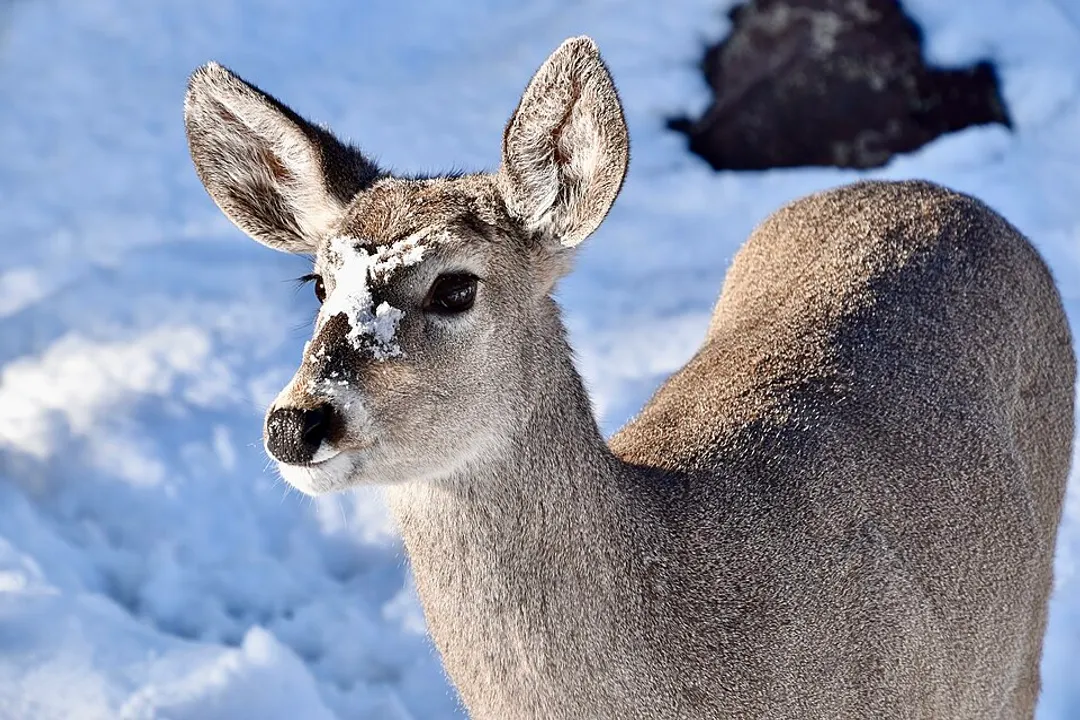
At the Family level, Odocoileus virginianus belongs to Cervidae, the true deer family. [4][6][8] This family is characterized by the presence of antlers in most males, which are typically branched and shed annually, distinguishing them from bovids (like cattle and goats) that possess unbranched horns that are never shed. [6] Being a member of Cervidae immediately informs researchers that this species will share certain life history traits, such as being herbivores and having specialized digestive systems suited for processing plant matter. [9] The genus Odocoileus itself contains this species and the Mule Deer (Odocoileus hemionus), suggesting a relatively close evolutionary relationship between the two widespread North American deer types. [1][5]
# Species Designation
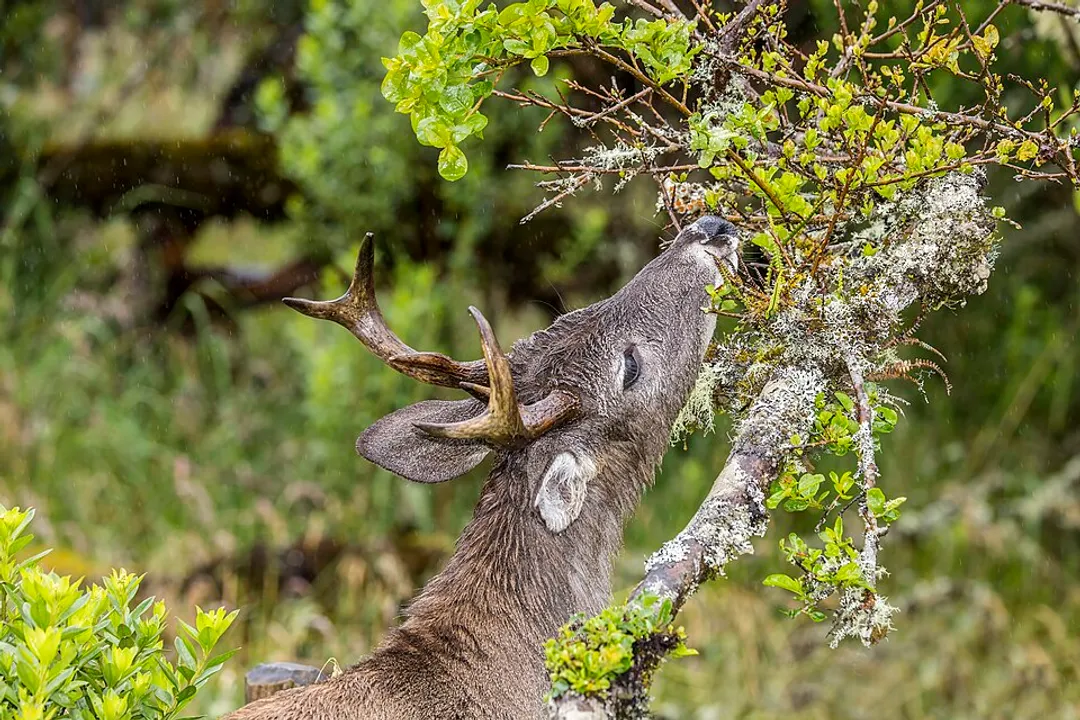
The specific epithet, virginianus, is the final piece that distinguishes the Whitetail from its close relatives within the genus. [1][5] The species name often references a place of first significant documentation or a key characteristic. In this case, the name reflects its historical prominence in the Virginia region of the eastern United States. [4]
The designation Odocoileus virginianus is crucial because it denotes a group of organisms capable of interbreeding and producing fertile offspring, a biological concept that wildlife managers rely upon when tracking populations. [8] Although the species is geographically widespread, significant genetic variation exists, leading to recognized subspecies adapted to environments from the harsh north to the tropical south. [10] The adaptability of O. virginianus is legendary; it has colonized vastly different landscapes, making it one of the most adaptable ungulates in the Americas. [1]
It is fascinating to observe that while the species is globally categorized as G5 (Secure) by NatureServe, [7] local pressures, such as habitat fragmentation or specific localized diseases, mean that management actions taken in a single state or province can differ widely, even though they are all dealing with the same O. virginianus classification. This highlights a key challenge in modern wildlife biology: taxonomy provides the necessary foundation, but the species' phenotypic plasticity demands fine-scale ecological management. [7]
# Habitat Success and Biology
The widespread success of the Whitetail Deer, reflected in its taxonomic classification that is recognized across national borders, is underpinned by its generalized biology. [1][10] According to ecological data, these deer are generalist feeders. [9] This dietary flexibility—being able to consume browse (twigs and buds), graze on grasses, and consume forbs (broad-leafed plants)—allows them to thrive where more specialized herbivores might fail when food sources change due to seasonal shifts or environmental disturbances. [9]
Furthermore, their social structure, which can range from solitary to small family groups depending on local conditions and season, aids their dispersal and colonization ability. [9] A population that can dynamically shift its social grouping in response to resource availability is inherently more resilient than one locked into a rigid social system. This behavioral adaptability, coupled with their strong reproductive rates, explains why they have maintained such a high global security status despite centuries of hunting pressure and habitat alteration. [7]
Considering the historical range versus the current range, we can infer that the species has likely filled niches previously occupied by other, now-extinct Cervids in North America. [1][6] For instance, in northern regions where heavy snow cover dictates forage accessibility, the biological adaptations that allow Whitetails to utilize woody browse efficiently become their defining advantage over grazing species. This ability to exploit the woody edge habitat—the transition zone between forests and fields—is perhaps the most significant factor contributing to their population explosion in many areas following European settlement and agricultural expansion. [10]
This flexibility in diet and habitat preference shows that while the Linnaean system provides a fixed label, the organism itself is dynamic. If a scientist in Idaho is managing a population, they are dealing with a different subspecies profile than one in Maryland, yet both rely on the umbrella definition of O. virginianus for their scientific foundation. [8][10] The stability of the genus Odocoileus has allowed these regional adaptations to occur while maintaining interbreeding potential across the broader species range. [1] For the amateur naturalist tracking local deer, realizing that the animal’s success stems from this very adaptability—being neither a pure grazer nor a pure browser—can offer insight into why deer seem to be present nearly everywhere there is accessible vegetation. [9]
# Comparative Taxonomy
To fully appreciate the Whitetail's classification, it helps to briefly contrast it with its closest relative, the Mule Deer (Odocoileus hemionus), which shares the same genus Odocoileus. [1][5] While taxonomically close, the differences in physical features (like ear size and bounding gait versus the Whitetail’s more traditional deer movement) and habitat preference illustrate how even subtle evolutionary divergence within a genus can lead to distinct ecological roles. [5]
The Whitetail deer’s success is also notable when compared to other members of the Cervidae family that have far more restricted ranges or face greater conservation challenges. For example, Elk (Cervus canadensis) and Moose (Alces alces) occupy different niches, often preferring more open or more remote, heavily forested, or marshy environments, respectively. [6] The Whitetail, by occupying the ubiquitous "edge" habitat, has effectively secured the most abundant and easily accessible territory across the continent, solidifying its taxonomic placement as the most numerous large herbivore in many regions. [1]
The sheer abundance of O. virginianus allows for intensive study across multiple scientific disciplines, from genetics to population dynamics, which further solidifies the scientific understanding of its classification and biology. [7][9] The consistent application of its scientific name across multiple governing and research bodies confirms its authority in scientific literature, making Odocoileus virginianus one of the most well-documented large mammals in North America. [3][4]
Related Questions
#Citations
White-tailed deer - Wikipedia
White-tailed Deer | Squam Lakes Natural Science Center
White-tailed Deer - Explore the Taxonomic Tree | FWS.gov
White-tailed Deer | NC Wildlife
Odocoileus virginianus - USDA Forest Service
White-tailed Deer - Odocoileus virginianus - New Hampshire PBS
Odocoileus virginianus - White-tailed Deer - NatureServe Explorer
Odocoileus virginianus (White-tailed Deer) - Idaho Fish and Game
Odocoileus virginianus (white-tailed deer) - Animal Diversity Web
White-tailed Deer Biology - Maryland DNR