Whitetail Deer Locations
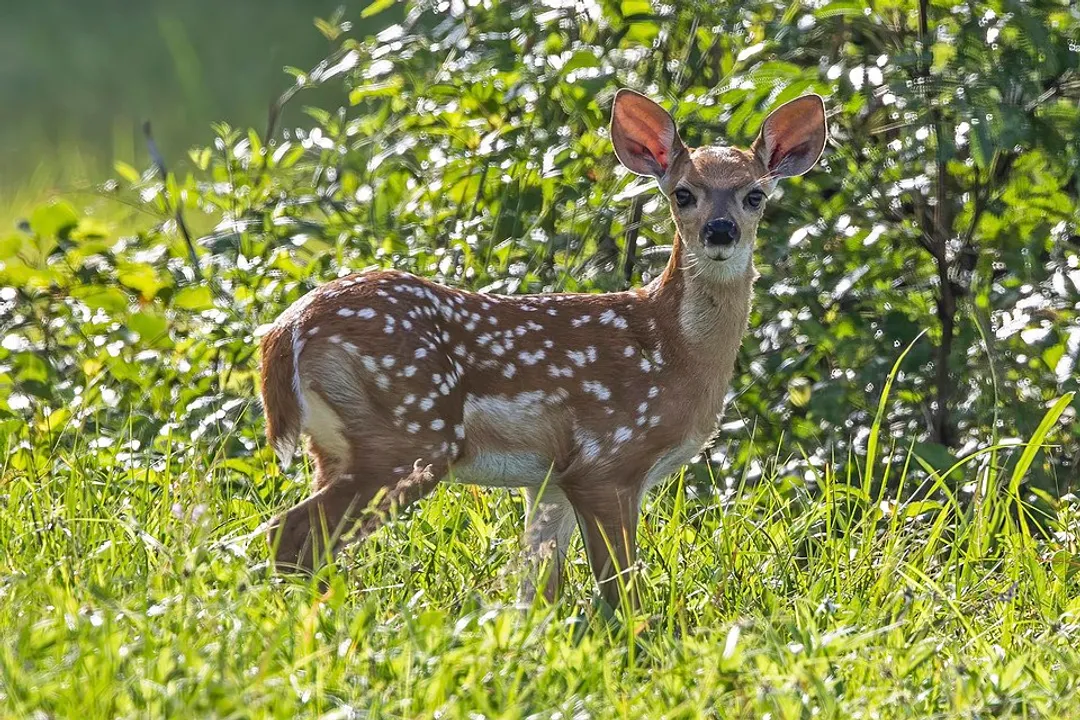
The white-tailed deer, Odocoileus virginianus, maintains one of the largest geographical ranges of any North American big game animal, extending from southern Canada down through the United States and into Central and South America. [2] This adaptability means that finding deer isn't usually the primary challenge; instead, the real quest is locating quality deer—areas that consistently produce mature bucks or offer high population density for sustained success. [6] Success hinges on understanding where deer live, what they need, and how those needs shift throughout the year, moving from broad regional knowledge to pinpointing specific habitat features. [9][7]
# Range Spread
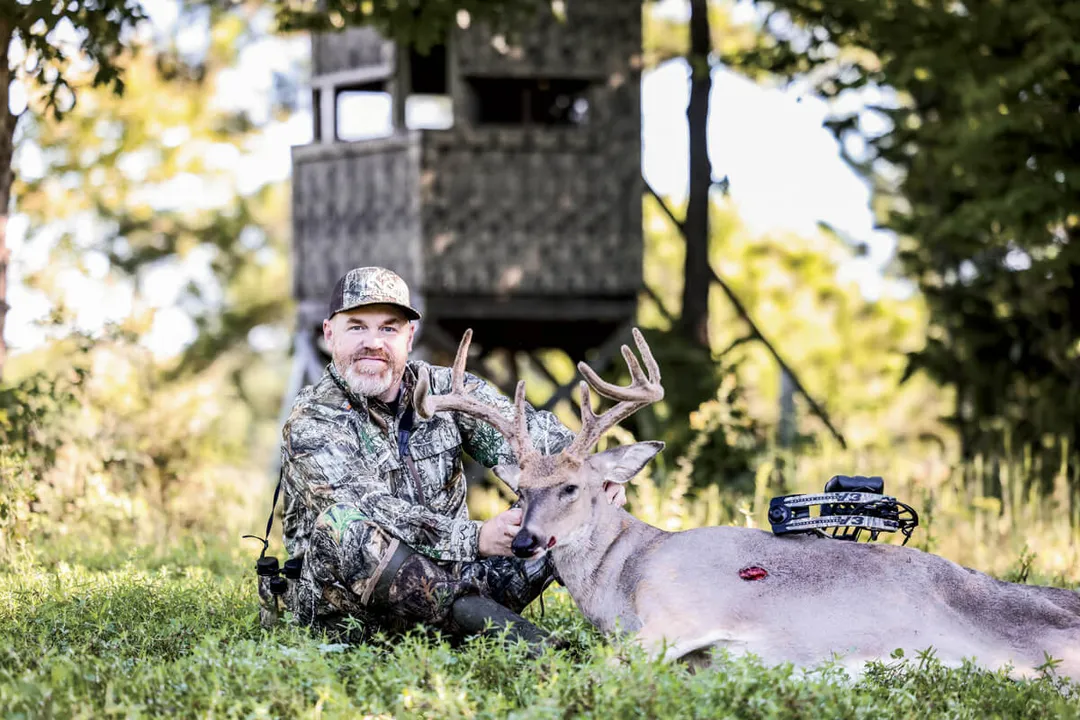
The sheer distribution of the species means hunters can find whitetails in diverse environments, from the dense forests of the Northeast to the brushy draws of the Southwest. [2] Their presence is tied closely to having adequate cover, water, and forage, regardless of the specific climate zone. [7] While they thrive in agricultural regions where forest edges meet open fields, they can also be found in heavily forested areas or even suburban fringes. [2] Recognizing this environmental flexibility is the first step in scouting locations, as the perfect spot in Texas will look fundamentally different from the perfect spot in Wisconsin. [9]
# Trophy States
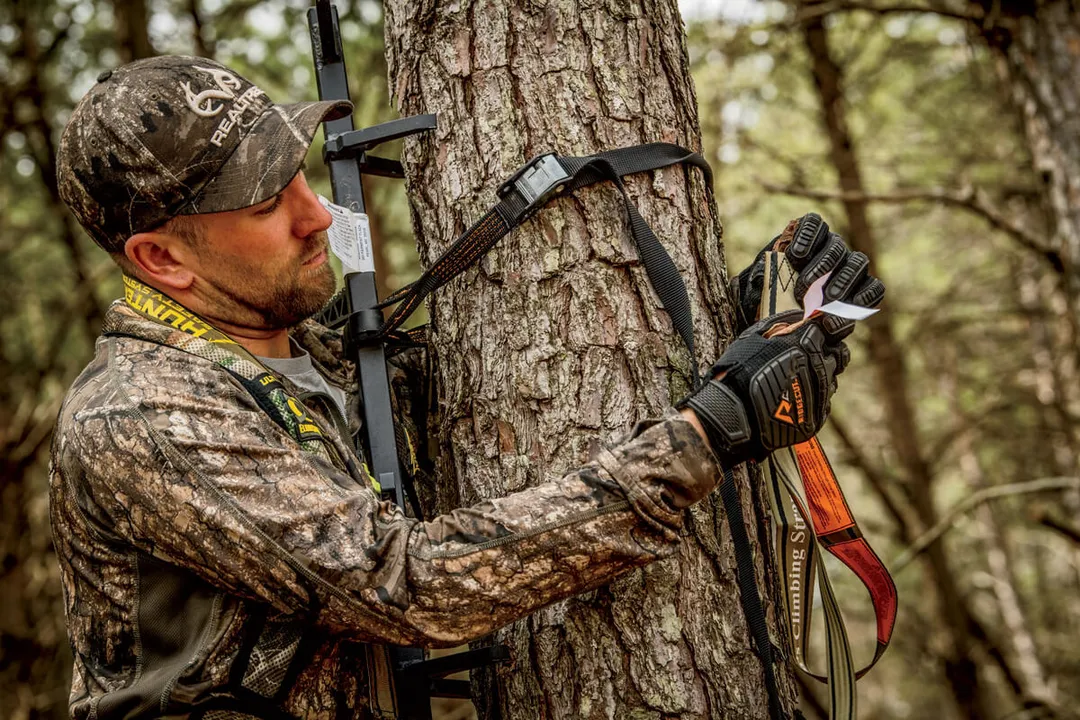
Certain states have earned a reputation for producing not just high numbers of deer, but also a disproportionate share of the largest, most coveted bucks—those that meet the stringent requirements for measurement organizations like the Boone and Crockett Club. [1] These areas often share common traits: established populations, mature habitat, and often, strong management practices that favor antler growth. [6][1]
Boone and Crockett recognizes several states as perennial powerhouses for recording trophy bucks. For instance, states like Kentucky, Texas, and Mississippi frequently appear near the top of lists measuring the number of record-book entries. [1] Texas, in particular, is often cited for its sheer volume of land dedicated to deer management, which often translates to high numbers of mature animals. [1][6] Other states consistently recognized for trophy potential include Ohio, Illinois, and Georgia. [1][6]
When comparing these high-end trophy destinations with lists focused on overall hunting quality—which might prioritize the number of available tags or ease of access—some overlap and some divergence appear. [6] For example, Alabama is highlighted for its overall success rate, and while it produces quality bucks, its ranking might differ slightly from a list strictly measuring the largest heads based on skull mass and antler score. [6] This distinction is important: an area with a high density of harvestable deer might not be the best place to find an 180-inch giant, and vice versa. [1]
| State | Trophy Recognition Focus | General Hunting Quality Mention |
|---|---|---|
| Texas | High volume of B&C entries [1] | Known for large acreage and management [6] |
| Kentucky | Consistently high B&C records [1] | High success rates cited [6] |
| Mississippi | Strong historical B&C presence [1] | Mentioned among top states [6] |
| Illinois | Frequent top-tier B&C listings [1] | High quality reported [6] |
# Town Success
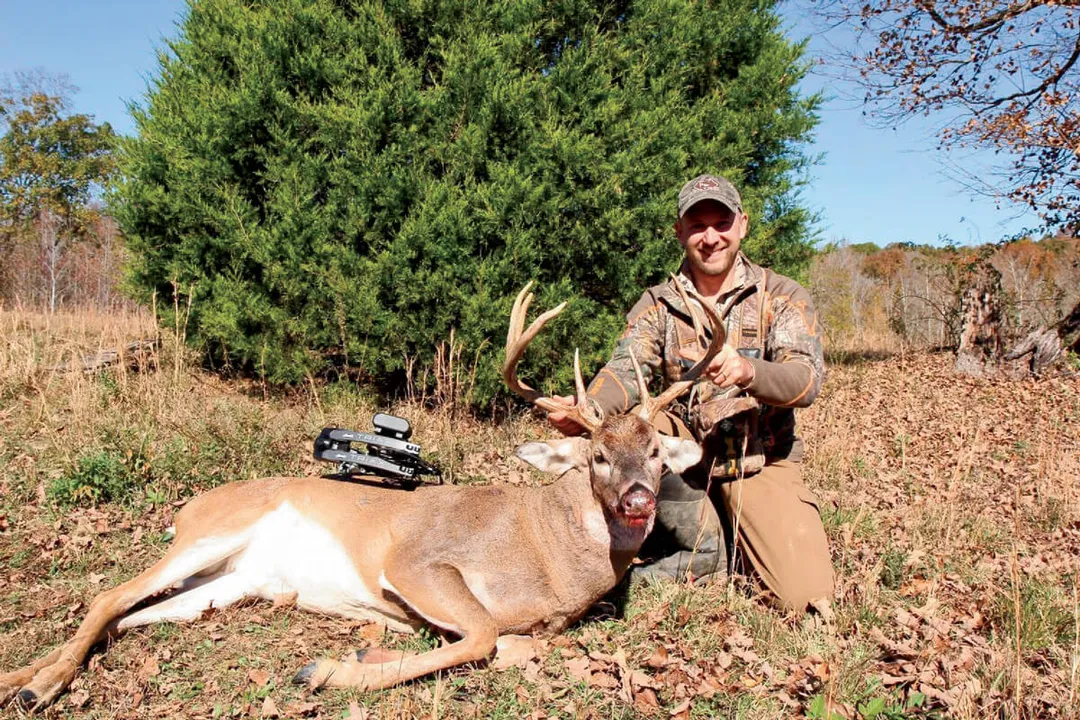
Moving from the broad state level to the hyper-local scale, specific towns have developed nearly legendary status among hunters for the deer found in their immediate vicinities. [3] These locales often benefit from specific topography, agricultural mixtures, or land use patterns that concentrate deer populations within a manageable radius of the town center. [3] Towns like Canton, Mississippi, Lamar, Missouri, and Uvalde, Texas, are frequently mentioned as hubs where local deer densities or the caliber of bucks are exceptionally high. [3]
The appeal of these towns often lies in their accessibility to diverse terrain. A hunter might be able to glass an open field in the morning and slip into dense river bottom cover by the afternoon, all within a short drive of the town. [3] Understanding why a specific town is mentioned—whether it's proximity to large ranches, excellent public land access, or unique river drainage systems—provides a template for scouting adjacent, less-publicized areas. [3]
# Seasonal Positioning
The ideal location shifts dramatically as the seasons progress, dictated by the deer's survival needs and breeding cycles. [4][5] A spot that is phenomenal in September might be barren by December. [8]
# Early Season Spots
When the weather is still warm, typically early season, deer are often focused heavily on food and water sources, especially in the southern reaches of their range. [5] Locations near prime feeding areas, such as agricultural fields like soybeans or corn stubble, are excellent starting points. [5] Hunting near these food sources requires stealth, as deer might still move relatively early in the day. [5] Look for funnels or pinch points where these feeding areas meet secure bedding cover, allowing for an ambush as deer make short movements between safety and calories. [5]
# Rut Hunting Locations
The rut, or the breeding season, completely rewrites the playbook because the primary driver for buck movement changes from eating to chasing does. [8] During this period, bedding areas adjacent to doe concentrations become prime real estate for bucks moving on established scrapes and rubs. [8] The best spots during the peak rut are often transition zones: edges of deep bedding cover that borders doe-heavy feeding areas or travel corridors that link bachelor groups to doe groups. [8] The key is identifying where the bucks have to walk to find receptive females, rather than just where they want to eat. [8]
# Late Season Focus
As hunting pressure mounts and temperatures drop significantly, deer become extremely cautious, and food sources become critical again, especially when snow covers the ground. [4] In the late season, deer often become patterned around the most reliable, accessible winter food sources. [4] The best strategy shifts toward locating winter cover that offers thermal protection—thicker pines, deep cedar brakes, or steep, south-facing slopes where the snow melts faster. [4] Stand locations should focus on bottlenecks leading into these thermal cover patches, as deer will move quickly into the safety of this cover during midday and emerge only when necessary. [4]
# Habitat Blueprint
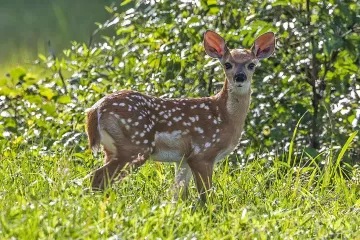
Regardless of the season, locating deer means understanding their basic requirements for survival: food, water, and cover. [7] Expertise is gained by recognizing how these three elements interact in a specific local landscape. [9]
Whitetails favor areas where bedding cover is close to food sources—ideally within a quarter-mile. [9] Cover provides security from predators (including humans) and protection from the elements. [7] Look for terrain features that break up the landscape: creek bottoms, brushy ditches, rocky outcrops, or dense thickets. These features often serve as travel corridors, even if they don't look like a primary feeding area. [7]
A particularly useful technique involves mapping out bedding areas and then scouting the immediate perimeter for signs of travel and feeding. [9] One effective way to analyze proximity is to mentally divide a typical hunting area into zones based on security. For example, areas within a couple hundred yards of thick, dark cover are high-security zones where bucks will spend most daylight hours, especially when pressured. [9]
When scouting agricultural areas, it is wise to prioritize security edges over the field itself. [9] If you notice that the local primary forage is a specific crop, such as mature alfalfa or irrigated hayfields, you should focus your efforts on the edges of those fields where they interface with the thickest available bedding areas, rather than just the center of the most abundant food patch. [9] The deer will generally use the field, but they will exit the field at the point offering them the quickest, safest route back to cover. That exit point, or the approach to it, is your mark. [9] Furthermore, always remember that water is non-negotiable; water sources, even small springs or seepages, can act as powerful attractants, especially during dry periods, linking travel routes across different habitat types. [7] If you can find a secure bedding area with year-round water access, you have likely found a long-term resident area. [7]
Related Questions
#Citations
Boone and Crockett's Top Whitetail States
White-tailed deer - Wikipedia
10 Best Deer Hunting Towns in America - MeatEater
The 10 Best Places to Hunt Late-Season Deer - Field & Stream
Top 3 Whitetail Deer Hunting Locations for Early Season Adventures
America's Top Whitetail States - Game & Fish
Best Locations to Hunt Whitetail Deer - iOutdoors
Finding the Best Rut Hunting Spots with HuntStand Pro Whitetail
How To Locate Your Best Deer Spot - Petersen's Hunting