White Rhinoceros Scientific Classification
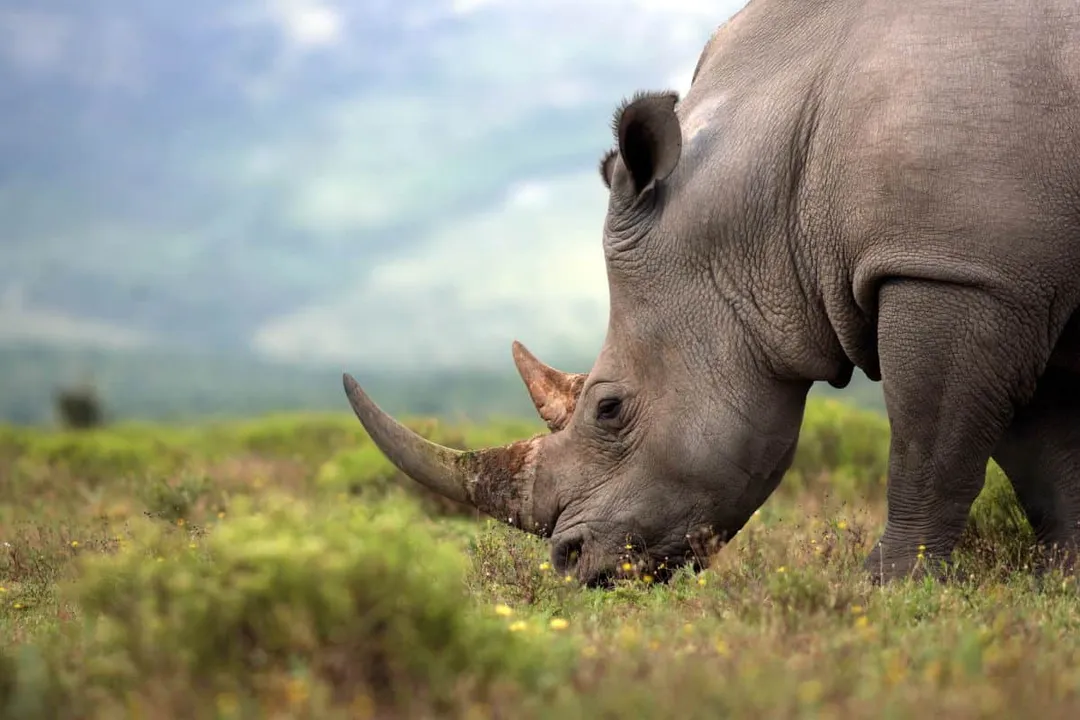
The massive and unmistakable presence of the white rhinoceros, Ceratotherium simum, immediately draws attention, yet its exact place within the grand scheme of life requires a precise, hierarchical system of scientific naming. Understanding this classification is essential not only for zoologists but also for conservationists attempting to protect these vulnerable megafauna. [1][4] The scientific classification acts as a universal address, tracing the lineage of this giant from the broadest categories down to its unique species designation. [2][8]
# Kingdom Animalia
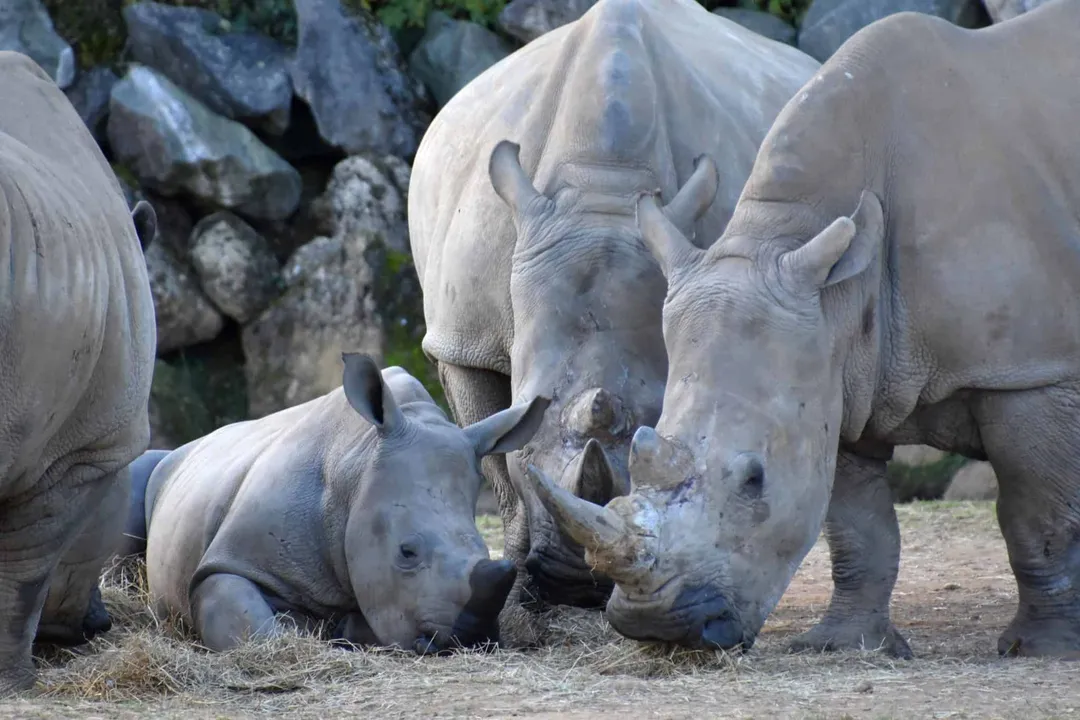
Every living organism on Earth is sorted into one of several major groupings, and the white rhino fits squarely within the Kingdom Animalia. [1][7] This places it among the multicellular, heterotrophic organisms—meaning they must consume other organisms for energy—that lack rigid cell walls, distinguishing them from plants and fungi. [7] This broad placement already separates them from the plant life they graze upon and the microbial world. [1]
# Phylum Chordata
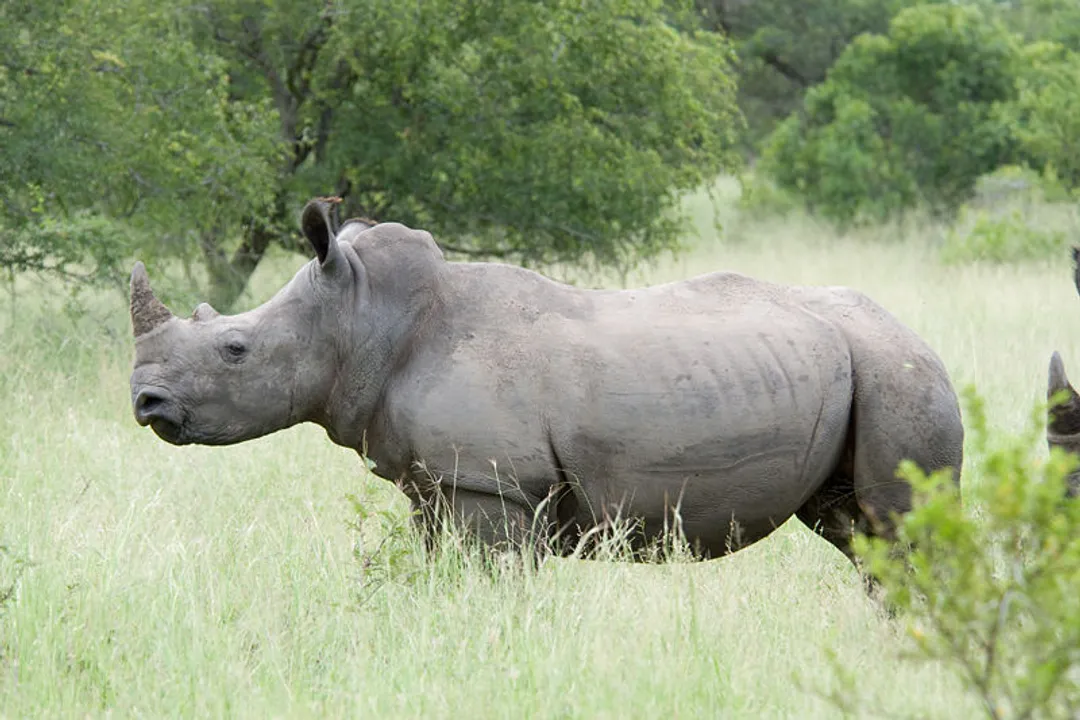
Moving down the ladder, the white rhinoceros belongs to the Phylum Chordata. [1][5] This phylum is defined by several key characteristics that must be present at some stage of development, most notably the presence of a notochord, a dorsal hollow nerve cord, pharyngeal slits, and a post-anal tail. [5] While an adult rhino doesn't overtly display all these features externally, they are present in the embryonic stage, linking them to all other vertebrates, including fish, birds, and humans. [1][5]
# Class Mammalia
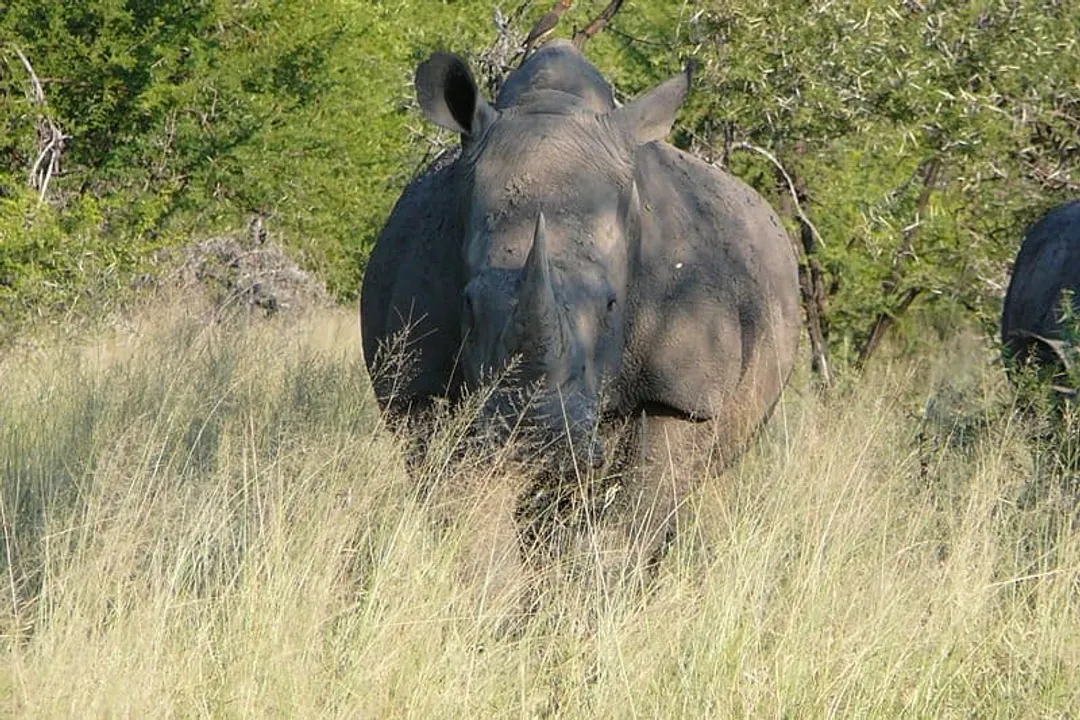
Within Chordata, the white rhino is firmly situated in the Class Mammalia. [1][3] Mammals are characterized by the possession of mammary glands to feed their young, hair or fur covering their bodies, and being warm-blooded (endothermic). [3] These traits are shared with animals as diverse as whales and bats, but the white rhino's specific adaptations relate to its large herbivorous lifestyle. [3] It is an example of a placental mammal, meaning the embryo develops inside the mother's uterus, nourished via a placenta. [1]
# Order Perissodactyla
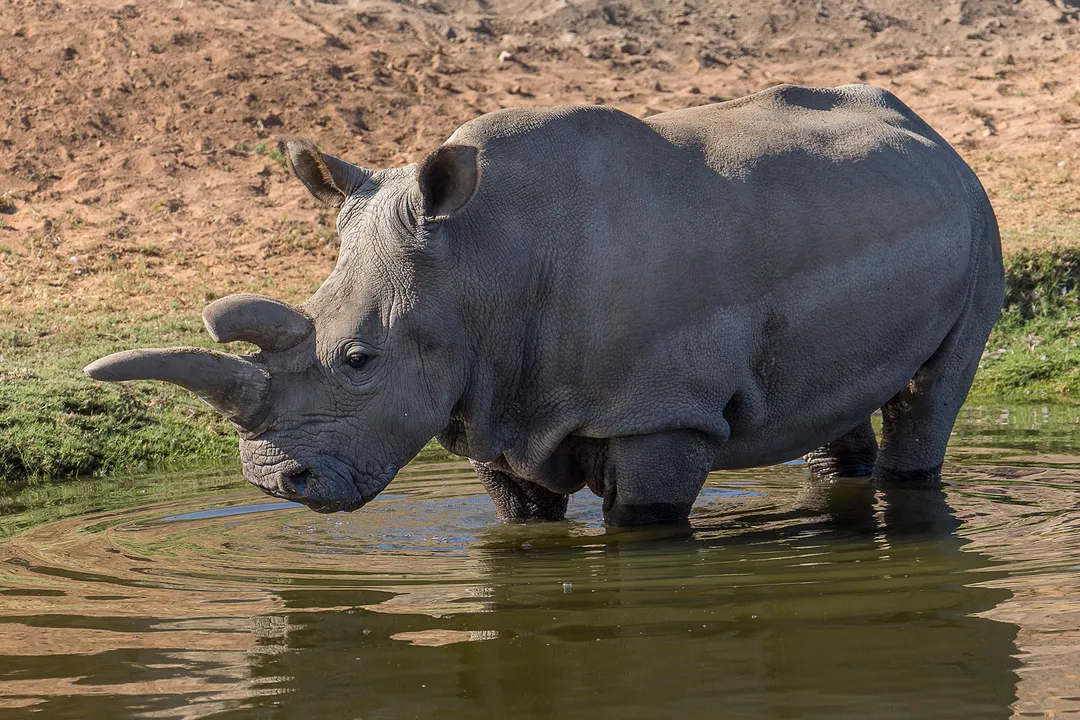
A crucial step in placing the white rhino is its Order: Perissodactyla. [1][2][5] This group translates to "odd-toed ungulates," which highlights a key anatomical feature: they bear their weight primarily on one toe. [1][5] This order includes horses, zebras, and tapirs. [1]
Here, we can draw a clear contrast with other large grazing mammals. For instance, cattle, deer, and giraffes belong to the Order Artiodactyla, the even-toed ungulates, which walk on two toes. [5] The white rhino’s lineage within the odd-toed ungulates speaks to a specific evolutionary path concerning digestive processing and limb structure. [5] An interesting observation drawn from its taxonomic placement is how Ceratotherium simum differs morphologically from its closest relatives in the same order, exhibiting a broad, square lip adapted for grazing vast amounts of grass, which is a defining feature differentiating it from the more browsing-adapted black rhinoceros. [4][9] This specialized lip morphology, while not a direct part of the Linnaean ranks, stems directly from its positioning within the Perissodactyla and its ecological niche. [9]

# Family Rhinocerotidae
The next level down is the Family Rhinocerotidae. [1][2][5] This family groups together all rhinoceros species worldwide. [5] What unites them are the characteristic horns on their snouts, which are composed of keratin, the same material found in human hair and nails, rather than bone. [4] This family currently contains only five extant species across two genera: Rhinoceros (the Indian and Javan rhinos) and Ceratotherium and Diceros (the African and Sumatran rhinos). [1][5] The family Rhinocerotidae itself sits within the larger infraorder Tetrathyriodontia, which groups all modern odd-toed ungulates. [1]
# Genus Ceratotherium
The genus Ceratotherium contains the white rhinoceros. [1][2] The name itself gives a hint about its general characteristics; Ceratotherium translates roughly to "horn-beast". [2] Crucially, this genus currently contains only one recognized living species: Ceratotherium simum. [1][5] This level of classification separates the white rhino from the other African species, the black rhino, which belongs to the genus Diceros. [5] Both genera, Ceratotherium and Diceros, are part of the same family, Rhinocerotidae. [5]

# Species Ceratotherium simum
The species name, Ceratotherium simum, completes the scientific address. [1][2] Simum is derived from the Greek word simus, meaning "snub-nosed," which accurately describes the broad, square muzzle adapted for grazing. [4][9] This species is native to Africa and is distinguished from its Asian counterparts by having two horns, unlike the single-horned Indian and Javan rhinos. [1][6]
# Subspecies Distinction
Within C. simum, there are recognized subspecies, which adds another layer of biological specificity relevant to conservation efforts. [1] This is where taxonomic detail directly meets real-world management strategies. [6]
The two recognized subspecies are:
- Southern White Rhinoceros (Ceratotherium simum simum): This is the most numerous subspecies and is the one most commonly encountered in managed and wild populations across Southern Africa. [1][4]
- Northern White Rhinoceros (Ceratotherium simum cottoni): Sadly, this subspecies is functionally extinct in the wild, with only two non-reproducing females remaining under intense human care as of recent records. [1][4]
It is worth noting that historical records and some classification systems may have recognized other subspecies, such as the C. s. minor from Sudan, but current consensus often groups them under the broader subspecies categories or recognizes them as distinct regional populations. [1] The designation of subspecies is vital because while the overall species (C. simum) might be listed as Near Threatened (or Critically Endangered depending on the specific subspecies and the conservation body's assessment), [6][9] the northern subspecies is on the absolute brink, requiring entirely different immediate intervention strategies than the southern one. [4][9] The difference in survival status between C. s. simum and C. s. cottoni provides a stark, real-world example of why precise scientific classification, down to the subspecific level, is not just academic but critical for resource allocation in wildlife protection. [6]
# Comparing Taxonomic Stability
When examining the white rhinoceros's classification, one observes a relatively stable placement at the higher ranks (Animalia through Perissodactyla), but a dynamic and evolving understanding at the lower levels, particularly regarding subspecies separation. [1][5] For instance, while the NCBI Taxonomy Browser confirms its placement as Ceratotherium simum under the family Rhinocerotidae, [7] conservation bodies like CITES track the species for trade regulation, placing it under Appendix II, meaning trade is controlled but not outright banned. [6] This trade control applies to the species as a whole, underscoring the unified threat they face from poaching, even if their subspecies survival rates differ dramatically. [6] The existence of two distinct subspecies that are reproductively isolated, yet close enough to share the same species epithet, presents a fascinating biological puzzle regarding evolutionary divergence time versus morphological similarity. [1]
# Conservation Status Through Classification
The scientific classification feeds directly into international protective measures. The Convention on International Trade in Endangered Species of Wild Fauna and Flora (CITES) lists the white rhino under Appendix II, meaning international commercial trade is regulated to prevent utilization incompatible with their survival. [6] This regulatory umbrella acknowledges the species' vulnerability despite the difference between the healthier southern population and the near-extinct northern one. [9] The general species name, Ceratotherium simum, is what most often appears on these international documentation lists. [6]
The data sources generally agree on the core classification, from Animalia down to Ceratotherium simum. [1][2][3][5][7] Differences, where they occur, tend to be in the inclusion or exclusion of higher taxonomic ranks like subclasses or infraorders, which are often specific to the classification system being referenced (e.g., NCBI versus a more general zoological text). [1][5][7] Ultimately, whether you are looking at the broad family Rhinocerotidae or the specific subspecies C. s. simum, the scientific name provides the authoritative link to its evolutionary history and conservation needs. [4][8]
Related Questions
#Citations
White rhinoceros
White Rhinoceros (Ceratotherium simum) Fact Sheet
White Rhinoceros Facts and Information | United Parks & ...
White Rhino
Ceratotherium simum (white rhinoceros) | INFORMATION
White Rhino
Ceratotherium simum simum - NCBI
White Rhino
White Rhinoceros Animal Facts - Ceratotherium simum