White Catfish Scientific Classification
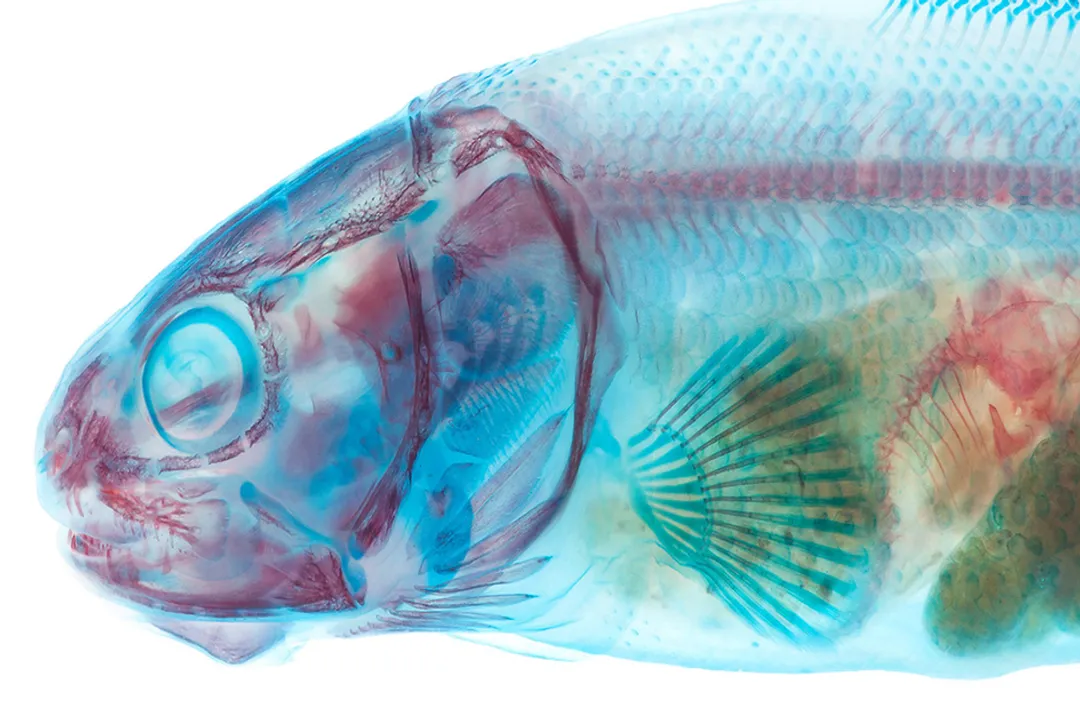
The scientific classification of the White Catfish, a species often encountered in North American freshwaters, reveals a fascinating story of taxonomic alignment and common nomenclature. [3][4] Understanding where this fish sits within the biological hierarchy—from its broadest grouping down to its specific species designation—is essential for researchers, anglers, and conservationists alike. [2][6] This fish, known by several common names depending on the region, maintains a consistent scientific identity despite occasional shifts in its formal placement. [1]
# Linnaean Ranks
The formal naming system, established by Carl Linnaeus, structures all life into hierarchical ranks. For the White Catfish, the journey through this system places it firmly within the vertebrate, bony fish lineage. [10]
# Kingdom and Phylum
At the highest levels of classification, the White Catfish belongs to the Kingdom Animalia, [1] signifying it is a multicellular, heterotrophic organism. Following this, it resides in the Phylum Chordata, [1] characterized by the presence of a notochord at some stage of development, placing it among the animals with a backbone or spinal cord. [10]
# Class and Order
Moving down the ranks, the White Catfish is classified within the Class Actinopterygii, [1] which represents the ray-finned fishes—the largest group of fishes. Its order is Siluriformes, [1] the order to which all catfish belong. This order is readily identifiable by key morphological characteristics shared across its members, such as the absence of scales and the presence of barbels around the mouth, which act as sensory organs. [10]
# Family Affiliation
The family level provides a much tighter grouping, defining the fish's immediate relatives. The White Catfish is a member of the family Ictaluridae. [1][9] This family is often referred to as the North American freshwater catfish, distinguishing them from other catfish families found globally, such as those in South America. [10] Members of the Ictaluridae family, including channel catfish and bullheads, are known for their preference for freshwater habitats across North America. [5][7]
# Genus Species Status
The most scrutinized part of the White Catfish's classification involves its genus and species designation, where historical usage and modern revision lead to a dual designation in the scientific literature. [1]
# The Primary Scientific Name
The name most frequently associated with this species across many state-level management and natural resources documents is Ictalurus catus. [2][3][4][5][7][9][10] Ictalurus is derived from Greek, meaning "fish-cat," which aptly describes the barbels resembling a cat’s whiskers. [7]
# Taxonomic Revision Note
However, other respected sources indicate a recent or alternative classification placing the species in the genus Ameiurus. [1][8] In this nomenclature, the species name remains catus, resulting in the scientific binomial Ameiurus catus. [1][8] This shift reflects broader understanding within ichthyology, often resulting from genetic studies that reorganize genera based on evolutionary relationships. [1] For instance, the White Bullhead, which shares the common name, is often classified under Ameiurus. [1]
When managing or referencing regional fish populations, this taxonomic fluidity means that one must often cross-reference common names with both Ictalurus catus and Ameiurus catus to ensure the correct species is being discussed, especially when consulting older literature or regional guides. [4][6] This divergence is a common occurrence in taxonomy; the older, more familiar name often persists in popular and regulatory contexts, even as updated scientific consensus favors the newer arrangement. [1]
| Taxonomic Rank | Classification | Common Group Association |
|---|---|---|
| Kingdom | Animalia | Animals [1] |
| Phylum | Chordata | Vertebrates [10] |
| Class | Actinopterygii | Ray-finned fishes [1] |
| Order | Siluriformes | Catfishes [1] |
| Family | Ictaluridae | North American Freshwater Catfish [9] |
| Genus/Species | Ictalurus catus or Ameiurus catus | White Catfish [4][8] |
# Distribution and Habitat Context
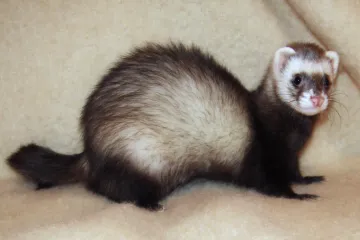
Because the White Catfish is classified within a native North American family (Ictaluridae), [9] its distribution spans a significant portion of the continent. [4] Its established range covers tributaries, reservoirs, and large rivers across the eastern and central United States. [2][5][7]
For example, in South Carolina, the species is documented across the state, inhabiting streams and reservoirs. [5] Similarly, in Illinois, it is a recognized part of the state's ichthyofauna, found in various aquatic environments. [2] Its presence in New York waterways is also noted, although its status might be listed as a Species of Greatest Conservation Need (SGCN) in some regions, indicating monitoring importance. [6][9]
The preference for soft bottoms and turbid, slow-moving waters is typical for many species within the Ictaluridae family. [10] This habitat preference aligns with how the species utilizes its sensory barbels to forage along the bottom substrate for invertebrates and small fish. [3]
# Morphological Distinctions
While the classification places it neatly within its family, understanding the physical characteristics helps distinguish the White Catfish from its close relatives, like the Channel Catfish (Ictalurus punctatus) or various bullheads. [1]
# Barbels and Tail Shape
A key feature defining the catfish order is the presence of barbels, which can vary in number and arrangement. [10] The White Catfish possesses eight barbels around its mouth, characteristic of the Ictaluridae family. [2] Visually, one of the most reliable ways to differentiate it from other species, particularly the Channel Catfish, is the tail shape. [3][5] The White Catfish typically has a forked tail, though it may appear less deeply notched than that of the Channel Catfish. [3][5] In contrast, bullheads generally possess a squared or rounded tail. [1]
# Coloration and Size
As its name suggests, the White Catfish exhibits a pale coloration, often appearing silvery-white or light gray on its belly and sides, fading to olive-brown or gray on the back. [3][7] This countershading provides camouflage in its often turbid environments. [10] While they are not the giants of the catfish world, they can reach respectable sizes. Adults commonly range in size, but they can grow to exceed 15 inches in length. [3] For an angler targeting the species in a landlocked reservoir, observing the overall light coloration combined with that slightly forked tail is usually enough to confirm the identification without needing genetic testing, which is a practical application of this morphological knowledge. [5]
# Comparative Ecology
The species' ecological niche is closely tied to its classification within the Ictaluridae family. [10] Species in this family are generally omnivorous scavengers and opportunistic predators. [2][3] This feeding strategy means the White Catfish acts as a critical component in nutrient cycling within its ecosystem, consuming dead organic matter as well as living prey. [7]
Thinking about the diet and behavior, the fact that they are classified alongside Channel Catfish suggests a shared reliance on benthic (bottom-dwelling) resources, but the White Catfish often tolerates slightly muddier or slower water than the Channel Catfish, which might prefer more flowing conditions, although there is significant overlap. [2][3] This subtle difference in habitat preference, even within the same family, can influence where management agencies focus their stocking or monitoring efforts, a consideration derived directly from observing how these closely related, yet distinct, species partition resources in shared waters. [5] If one finds an abundance of smaller, paler catfish in an extremely silty pond, they are likely observing the White Catfish’s behavioral adaptation within the Ictalurus or Ameiurus structure. [1]
# Conservation Viewpoints
The conservation status of the White Catfish varies across its vast range, which is reflected in how different states list and manage it. [4] In some areas, it is a common and stable sport fish, warranting inclusion in statewide fishing regulations. [3][7] Conversely, in other jurisdictions, its status may warrant closer observation. [6] For instance, states like New York list the species within their State Wildlife Action Plans (SWAPs), acknowledging its presence and the need for population data, even if it isn't currently endangered. [6][9] This level of regulatory attention, despite the fish being common elsewhere, underscores how local environmental pressures, such as habitat modification or water quality changes, can impact species even when they are broadly distributed. [4] Therefore, the management of Ictalurus catus often requires specific regional assessments rather than relying solely on continental distribution maps. [5]
Related Questions
#Citations
White bullhead - Wikipedia
white catfish - Illinois Department of Natural Resources
White Catfish | NC Wildlife
White Catfish (Ameiurus catus) - Species Profile
[PDF] White Catfish Ameiurus catus
White Catfish Status - New York Natural Heritage Program
White Catfish | Outdoor Alabama
Ameiurus catus, White catfish : fisheries, gamefish - FishBase
[PDF] White catfish Species Status Assessment - NY.Gov
White Catfish – Ichthyology - Florida Museum of Natural History