White Tiger Facts
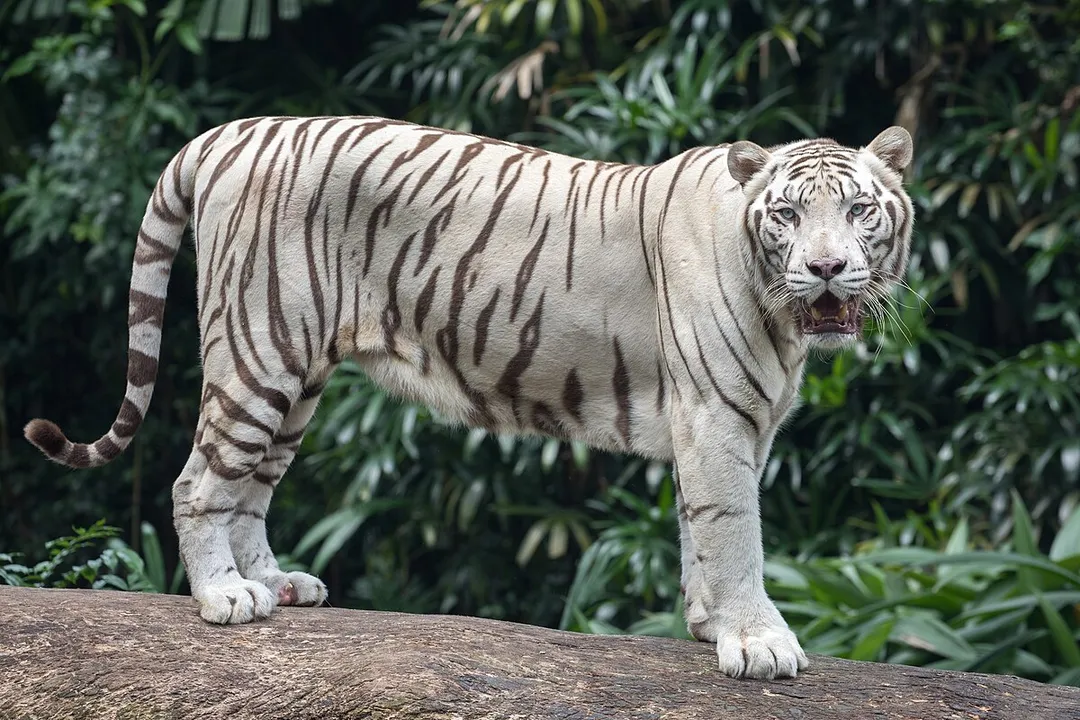
The sight of a white tiger immediately captures attention, setting it apart from its more numerous orange cousins. These magnificent animals are often mistaken for a separate species or an albino variant, but the reality of their existence is rooted in a specific genetic quirk within the Bengal tiger population. [2][5][6] They are, genetically speaking, Panthera tigris tigris—the Bengal tiger—that happens to carry a rare color variation. [6][7]
# Coat Coloring
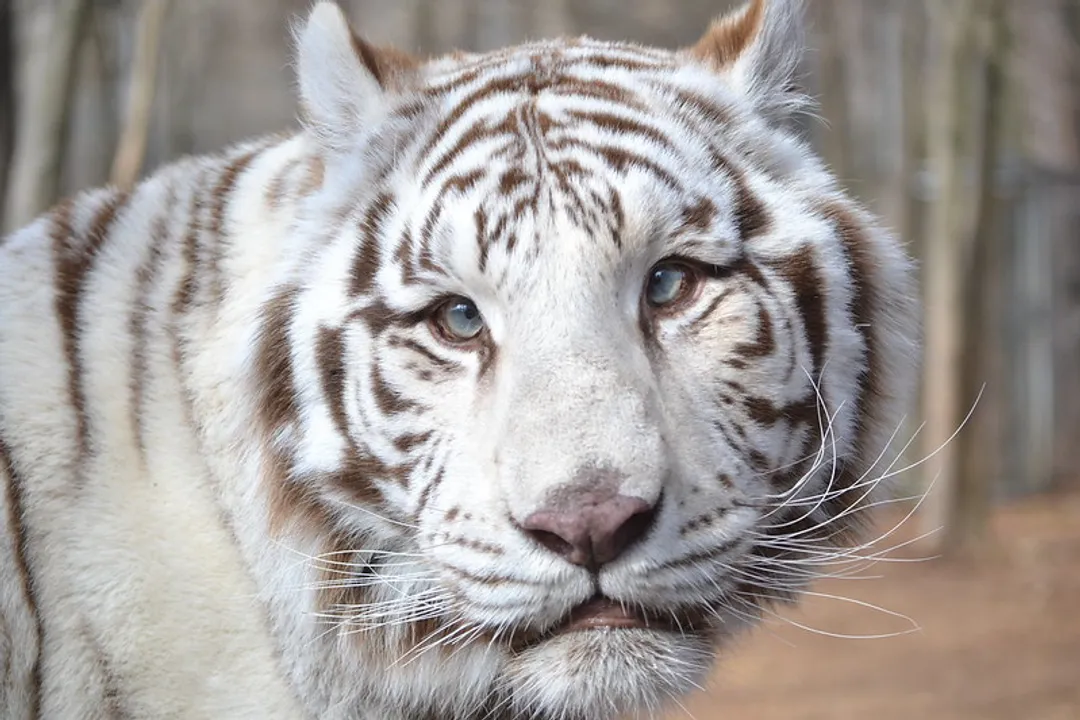
The defining characteristic of the white tiger is its striking coat. Unlike the standard orange background pigment seen in other Bengal tigers, white tigers possess a lack of pheomelanin, the pigment responsible for red and yellow hues. [5][7] This results in a creamy white or pure white base coat. [1][7] This light coloring is punctuated by stripes that can range from dark brown to jet black. [2][3] The amount of pigment present determines the stripe intensity; some tigers might have very dark stripes, while others exhibit lighter brown bands. [5][7]
A crucial distinction separates white tigers from true albinos. Albinism is a total lack of pigment, which typically results in pink or reddish eyes due to the visibility of blood vessels. [2][5][7] White tigers, conversely, are categorized by leucism, a condition that reduces pigmentation but does not eliminate it entirely. [6] This difference is most evident in their eyes, which are almost universally a bright, piercing blue. [2][6] While some sources note that tigers with the white gene might occasionally display amber or green eyes, the blue eye color is the hallmark differentiating them from albinos. [2][9]
# Genetic Basis
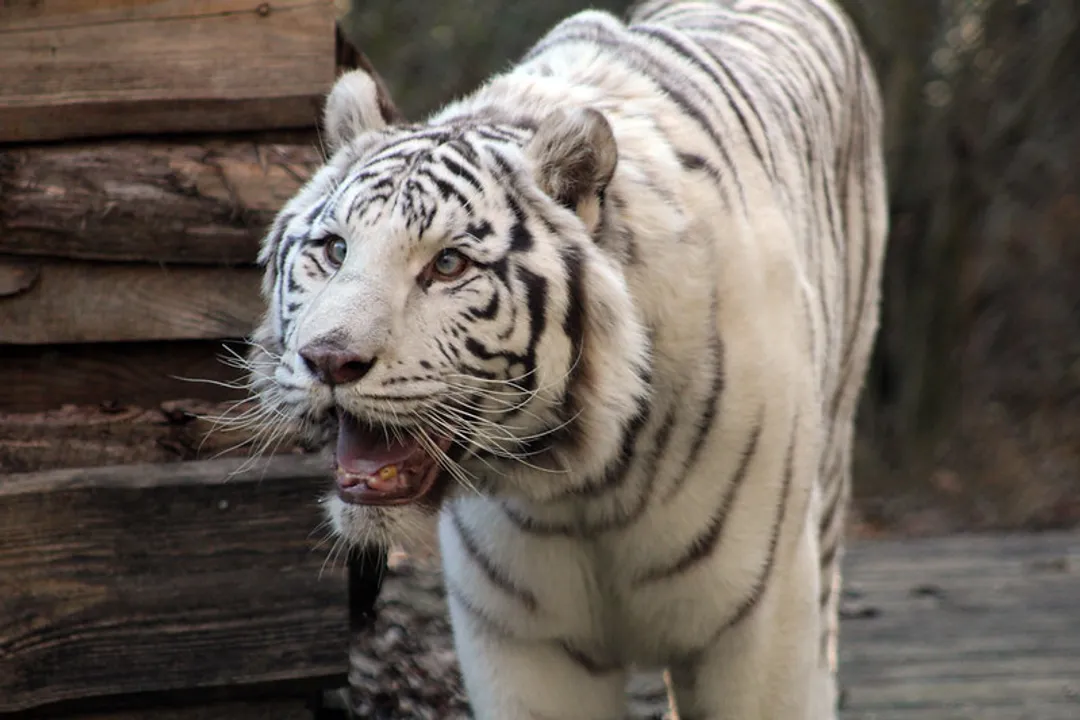
The reason a tiger appears white is due to a single, rare recessive gene. [2][6] For a cub to inherit this trait, both the mother and father must carry the specific gene for reduced pigmentation. [6] In the wild, because this gene is recessive, the chances of two carriers meeting and producing a white cub were inherently low, keeping the trait uncommon. [6]
When observing the genetics, one can see a stark contrast between natural selection and captive breeding practices. In a natural jungle setting, the orange coloration provides excellent camouflage among the grasses and shadows, helping the tiger successfully stalk prey. [7] The white coat, however, stands out dramatically against the typical green and brown backdrop, making hunting more difficult and potentially increasing early mortality rates for cubs. [5][7] In captivity, the need for camouflage disappears, and breeders actively pursue this recessive trait. This forced concentration of the gene means that today's white tigers exist almost exclusively because humans have deliberately paired carriers, often resulting in close family matings to guarantee the expression of the white coat. [6][10]
# Wild Rarity
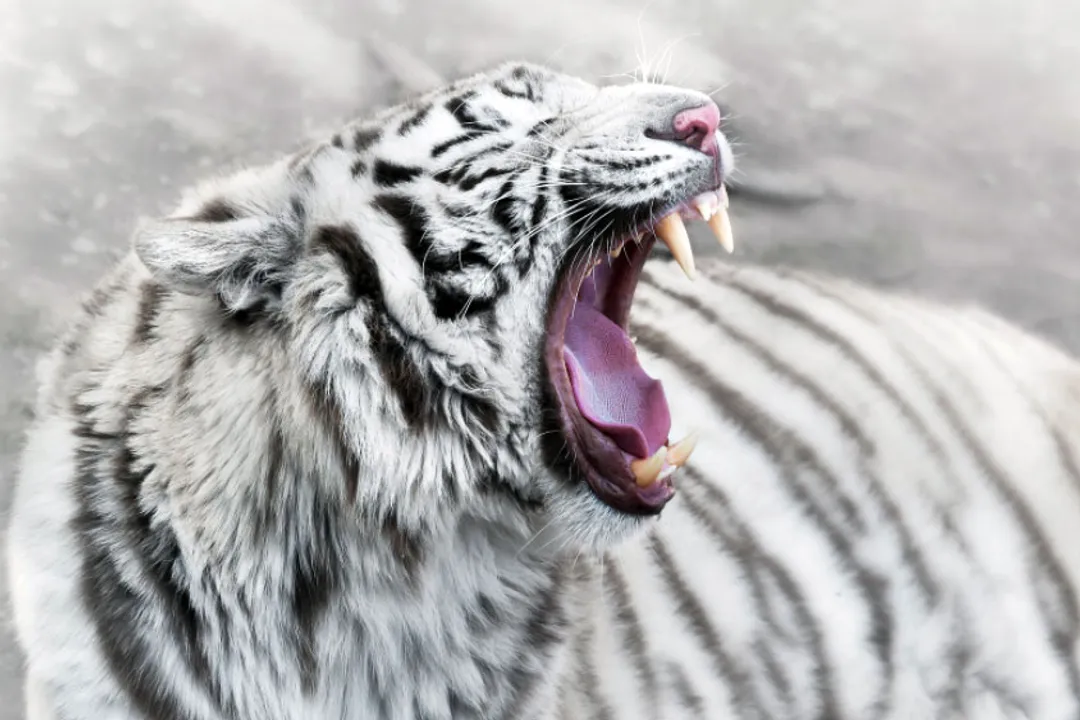
Historically, the range of the Bengal tiger included areas where the white color variation was observed, primarily in the Indian subcontinent, including parts of India, Bangladesh, Nepal, and Bhutan. [1][5] However, the wild population of white tigers is currently considered extinct. [1][5][10] No confirmed sightings of a naturally occurring white tiger have been reliably documented in the wild for many decades. [5]
The modern presence of white tigers is entirely within human care, such as zoos, wildlife parks, and sanctuaries. [1][10] This absence from the wild underscores that while the trait is a natural genetic possibility, it is not a sustainable or advantageous characteristic for survival in their native environment. [4] Their current status highlights a broader conservation focus: efforts are concentrated on protecting the standard orange Bengal tiger, which remains endangered, rather than attempting to "save" or reintroduce a color morph that has proven less fit for survival in the wild. [1][4]
# Tiger Similarities
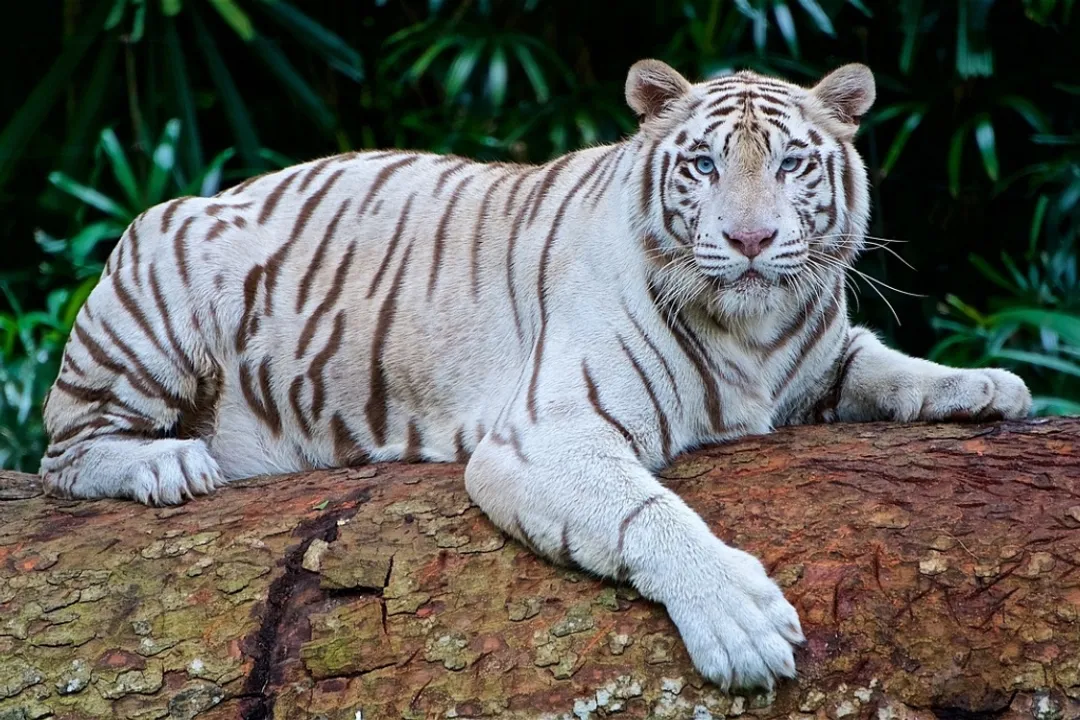
Despite their eye-catching difference, white tigers share virtually every other characteristic with their orange counterparts, as they are fundamentally the same subspecies. [2][5] They are large, powerful predators; a male Bengal tiger can weigh upwards of 400 pounds and measure over ten feet long from nose to tail. [3][5] Their diet is strictly carnivorous, consisting of large mammals like deer and wild boar. [3]
Furthermore, they possess the same physical aptitudes. They are known to be solitary animals, much like orange tigers, and are surprisingly adept swimmers. [3] A fact often surprising to the public is the degree to which tigers enjoy water; they frequently use it to cool off during hot weather, making them one of the more water-friendly big cats. [3] Their behavioral and physiological makeup aligns perfectly with the Bengal tiger, solidifying that the white coloration is purely aesthetic from a species standpoint. [2]
# Captive Lineage
The vast majority of white tigers alive today can trace their ancestry back to one specific male named Mohan. [6][10] Mohan was captured in Rewa, India, in 1951. [6] His capture, and the subsequent breeding programs established from his lineage, is the reason white tigers persist in captivity worldwide. [10]
This reliance on a limited gene pool, exacerbated by the need to breed carriers together to produce the desired white cub, has led to significant negative health consequences for these animals. [4][6] Breeding white tigers often requires mating closely related animals, leading to numerous inherited defects. [4] These physical problems can include crossed eyes (strabismus), immune deficiencies, spinal deformities, and kidney issues. [4][6] It is important to recognize that while the white coat is visually stunning, it often comes at the cost of the animal's overall well-being due to the intensive, non-natural breeding practices required to maintain the color. [4][10] When comparing the genetic profiles, the selective pressure for the recessive white gene in captivity has arguably created a population burdened by hereditary fragility that would likely have been purged by natural selection in the wild. Sanctuaries dedicated to rescue often find themselves caring for these genetically compromised animals, highlighting the ethical complexities tied to their existence outside of nature. [4]
#Videos
White Tigers - Get The FACTS! - YouTube
Related Questions
#Citations
White Tigers: Facts, Threats, & Conservation | IFAW
25 Surprising White Tiger Facts For Kids (2026)
White tiger - Wikipedia
8 fast facts about white tigers – did you know? - The Wildcat Sanctuary
White Tigers - Cat Tales Wildlife Center
The Truth Behind White Tigers - Carolina Tiger Rescue
White Tiger Facts | Teaching Wiki | Twinkl USA
White Tiger Unique Genetics and Conservation Implications
30 Amazing White Tiger Facts for Kids 2025 [With Pictures]
White Tigers - Get The FACTS! - YouTube