White German Shepherd Facts
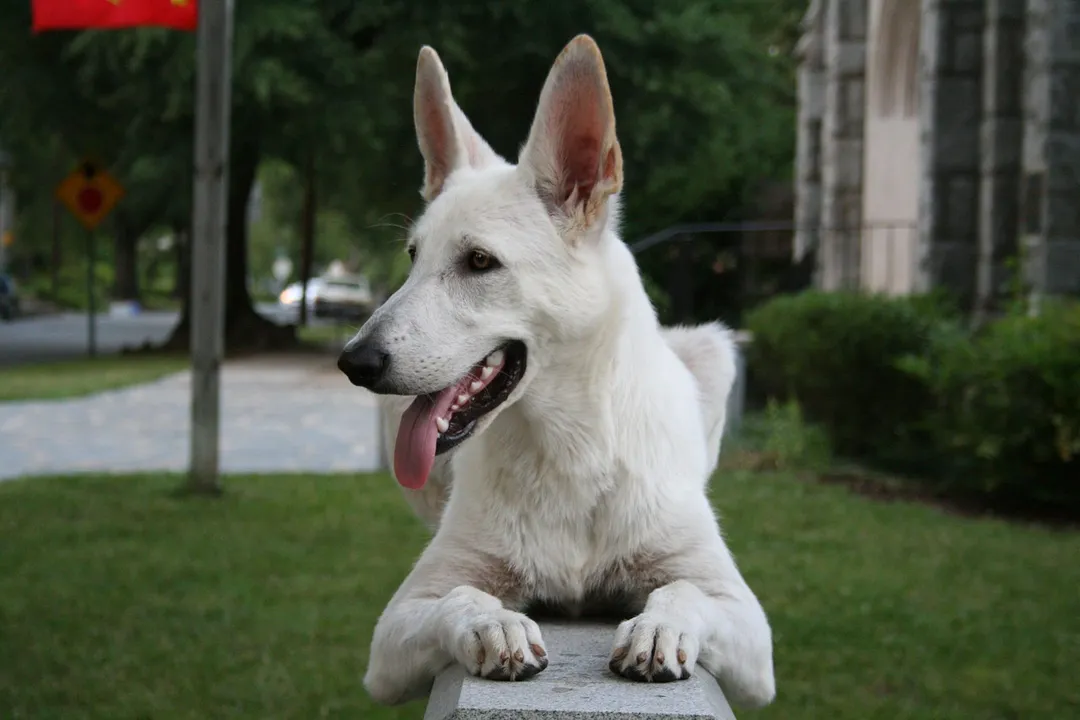
The white coat color in German Shepherd type dogs carries a long and often complicated history, sparking debates among enthusiasts and kennel clubs for decades. These beautiful canines share the structure, intelligence, and loyalty associated with their more commonly colored cousins, yet their unique pigmentation sets them apart, leading to questions about their lineage, recognition, and specific characteristics. [1][6] They are frequently mistaken for being albino, a misunderstanding that requires clarification, as the white coloration is tied to a distinct genetic mechanism rather than a complete lack of pigment. [3][4][6][9]
# Color Genetics
The striking white coat of the White Shepherd is determined by a recessive gene. [1][3][6][9] This means that for a puppy to inherit the white coloring, both parents must carry the gene for this trait, even if neither parent is white themselves. [4][6] In contrast, the typical black and tan, sable, or solid black coloring of a German Shepherd Dog (GSD) is usually due to dominant genes. [1] Because the white color results from a recessive allele, it can appear unexpectedly in litters where the parents conform to the breed standard colors but happen to be carriers. [1][4]
It is essential to distinguish the White Shepherd from true albinism. [3][6] Albinism is a condition characterized by a complete lack of melanin, resulting in pink skin and red or pink eyes. [3] White Shepherds, however, possess normal pigmentation in their eyes, nose leather, and paw pads, which should ideally be dark—often black—though some may exhibit lighter points. [6][9] The gene responsible for the white coat prevents the pigment from being expressed on the hair shafts, but the underlying pigmentary system functions normally. [1] This distinction is crucial when discussing breed health and standards, as albinism is often linked to vision and skin sensitivity issues that are not inherently associated with the white coat gene itself. [3]
# Breed Status
The recognition status of the White Shepherd is perhaps the most complex aspect of their identity. [1][8] Historically, the white color was present in the early foundations of the German Shepherd Dog breed. [8][9] However, breed clubs, particularly in the United States, began to actively disqualify the white-coated dogs from competition and breeding programs starting in the 1930s. [1][9] This move was largely based on the belief that the white color was a sign of weakness or an undesirable deviation from the breed standard. [1]
Today, the situation is fragmented across different kennel clubs globally. [1][8] The American Kennel Club (AKC) does not recognize the White Shepherd as a variety of the German Shepherd Dog; they register only the standard colors. [8] However, major all-breed organizations, such as the United Kennel Club (UKC), recognize the dog as a distinct breed known as the White Shepherd Dog. [7][8] They maintain their own specific breed standard for structure and temperament. [7] Further complicating the matter is the separate recognition of the White Swiss Shepherd Dog (Berger Blanc Suisse) by the Fédération Cynologique Internationale (FCI). [1][9] While genetically related, the White Swiss Shepherd is often considered a separate breed development line, established through specific breeding programs focused on maintaining the white coat. [1][9] For owners and enthusiasts, understanding which registry a dog falls under is key to understanding its potential showing future and pedigree history. [8]
# Historical Controversy
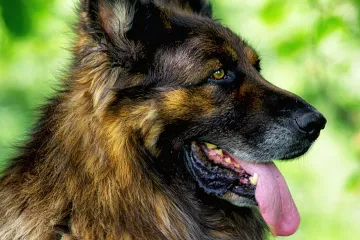
The initial decision to ban white-coated dogs from the German Shepherd Dog show rings created a lasting division. [9] Proponents of the ban argued that the color diluted the breed standard and potentially signaled underlying genetic faults, even though the color itself was inherent to the breed's earliest history. [1][8] This stance led to the white-coated dogs being selectively bred away from the GSD mainstream in many regions. [1]
This deliberate exclusion meant that, for many decades, white-coated dogs were largely excluded from the German Shepherd Dog breed registers in places like the US, forcing them onto a separate path of development. [8] This historical context means that many White Shepherds today trace their lineage through lines specifically preserved by those who valued the color, rather than through the show lines that emphasized the standard coloration. [1] It is an interesting divergence where a simple recessive color led to a de facto split in breed lines, creating distinct registry acceptance over time. [1][8] When considering purchasing a White Shepherd, it is helpful to understand that their lineage might be more closely tied to older, non-standardized GSD lines or lines established after the split, depending on the breeder's focus. [8]
# Temperament Profile
White Shepherds generally share the core temperament traits of the standard German Shepherd: they are highly intelligent, devoted, and possess a strong sense of loyalty to their families. [3][7] They are known to be alert and can function effectively as watchdogs. [2] Many owners report that White Shepherds are excellent companions, often forming deep bonds with their human families and generally being good with children when properly socialized. [2]
However, anecdotal reports sometimes suggest subtle differences in disposition compared to the commonly seen black and tan GSDs. [4] Some owners suggest that white-coated individuals can present as slightly less intense or perhaps more sensitive in their training response than their darker counterparts. [4][6] While this is highly individual and dependent on the dog's specific lineage and early socialization, it points to a potential difference in sensitivity rather than overall intelligence or drive. [4] They are certainly not lacking in protective instincts or the desire to work alongside their owners. [7] Their intelligence demands engagement, making them less suitable for passive home environments where mental stimulation is scarce. [3] If an owner is seeking a dog with the classic GSD work ethic but perhaps a slightly softer demeanor under stress, the White Shepherd might fit that niche, though this is never guaranteed. [4]
# Physical Characteristics
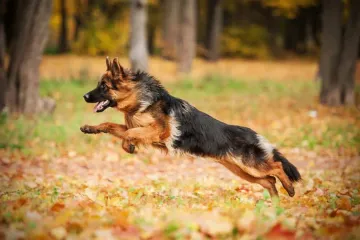
Physically, the White Shepherd adheres closely to the structure of the German Shepherd Dog, albeit with specific allowances made by breed registries that recognize them separately. [7] They are strong, well-muscled dogs built for activity. [3] Size ranges are generally similar to the GSD: males typically stand between 24 to 26 inches at the shoulder, and females are usually 22 to 24 inches tall. [7] Weight usually falls between 50 and 90 pounds, depending on sex and build. [7]
Key identification markers, as mentioned previously, relate to pigmentation. The eyes, nose, and inner mouth should be pigmented, often black. [6] The coat itself is a dense double coat that requires regular maintenance. [3] While the defining characteristic is the solid white color, some individuals may exhibit very faint shadings or "tipping" in their coat, particularly as puppies, though a pure white is the ideal standard in most recognized White Shepherd registries. [1]
# Care Needs
Caring for a White Shepherd involves meeting the high demands typical of intelligent, active working breeds. [3]
# Exercise Regimen
These dogs require a significant amount of physical activity to remain content and well-behaved. [3] A simple walk around the block will likely be insufficient for a breed with such inherent energy and drive. [3] They thrive when given a purpose, whether that involves structured obedience work, advanced training like agility or scent work, or simply vigorous play sessions in a secure area. [3] Mental stimulation is just as important as physical exertion; a bored White Shepherd can become destructive or develop anxiety-related behaviors. [3]
# Grooming Requirements
The double coat requires regular attention to prevent matting and manage shedding, which can be significant, especially during seasonal "blow-outs". [3] Brushing several times a week is often necessary to keep the coat healthy and minimize loose hair around the home. [3] Bathing should occur as needed, focusing on using quality shampoos that maintain skin health without stripping necessary natural oils. [3]
# Health Considerations
Like many large breeds, White Shepherds are susceptible to certain hereditary conditions. [3][7] Owners must be proactive in sourcing puppies from breeders who screen their breeding stock for these issues. [7]
Common concerns include:
- Hip and Elbow Dysplasia: Malformation of the joints leading to arthritis and pain. [3][7] Responsible breeders use X-rays and evaluations to screen against this. [7]
- Bloat (Gastric Dilatation-Volvulus or GDV): A life-threatening condition where the stomach twists. [3][7] Deep-chested breeds are at risk, and owners should learn the warning signs. [7]
- Degenerative Myelopathy (DM): A progressive spinal cord disease leading to paralysis in the hind limbs. [3][7] Genetic testing is available for this condition. [7]
- Allergies: Some dogs may be prone to environmental or food allergies, manifesting as skin irritation. [3]
Understanding these predispositions allows owners to be proactive, recognizing that vet visits focused on preventative care, weight management, and joint support are vital parts of ownership. [7]

# Training and Socialization
The intelligence that makes the White Shepherd an excellent working dog also means they learn commands quickly. [7] However, their success as companions hinges on early, consistent, and positive training methods. [3] They respond best to methods that build trust and respect rather than harsh corrections. [4]
A key consideration for new owners, derived from the noted sensitivity mentioned in anecdotal reports, is the approach to training intensity. If a White Shepherd does exhibit that slightly softer nature, one effective strategy is to implement a Progressive Introduction Training Schedule:
- Weeks 1-4 (Foundation): Focus exclusively on positive reinforcement using high-value rewards (favorite treats, praise, short play sessions). Keep training sessions very short (3-5 minutes) to build association and confidence. Avoid any correction-based methods entirely. [4]
- Weeks 5-12 (Generalization): Begin introducing basic commands in low-distraction environments. If the dog shows signs of shutting down or retreating during a new exercise, immediately return to a known successful command and reward heavily before trying the new task again, perhaps making it easier. This prevents building negative associations with learning. [4]
- Month 3+ (Advanced Work): Once basic obedience is solid, introduce more complex tasks and higher distractions. Monitor closely for signs of stress (lip-licking, yawning away from a yawn, avoidance). If stress indicators appear, scale back the complexity, assuming they may need more gentle progression than a typically stubborn GSD line might require. [4][7]
Furthermore, socialization cannot be overstated. [3] Because they are naturally alert and intelligent, they need broad exposure to various sights, sounds, people, and environments during their critical early development window to ensure they mature into confident, well-adjusted adults rather than overly cautious or reactive guardians. [3] Their strong devotion means they may bond very closely with their primary family, sometimes leading to reservedness around strangers if socialization is neglected. [2][7]
#Videos
All You Need To Know About White German Shepherds. - YouTube
Related Questions
#Citations
White Shepherd - Wikipedia
It's True What They Say About The White German Shepherd | Swiss ...
White Shepherd | Dog Breed Facts and Information - Wag!
White German Shepherds : r/germanshepherds - Reddit
All You Need To Know About White German Shepherds. - YouTube
What are the unique characteristics of White German Shepherd dogs?
Breed Standards : White Shepherd | United Kennel Club (UKC)
What's the deal with white GSDs? | German Shepherds Forum
White German Shepherd - All The Facts About This Magnificent Breed